
Reviewed · WINE TOURS
Barcelona: Casa Codorníu Guided Tour with Cava Tastings
Cava starts underground. This 90-minute visit combines nearly 500 years of Codorníu wine history with Josep Puig i Cadafalch’s striking modernist buildings. I like the electric train through the cellar tunnels and the polished tasting of three premium cavas with three chocolates. I also like that the tour gives you both architecture and winemaking, not just a glass at the end.
The main drawback is the short running time. Gardens, museum rooms, underground tunnels, production history, and a tasting all fit into an hour and a half, so some explanations may feel brisk. Bad weather can also close the gardens, and one recent visit found the guide pleasant but a little light on detail.
In This Review
- Key points to know before you go
- Why Casa Codorníu is worth the trip from Barcelona
- Sala Puig and the Cathedral of Cava
- The museum, gardens, and Anna’s story
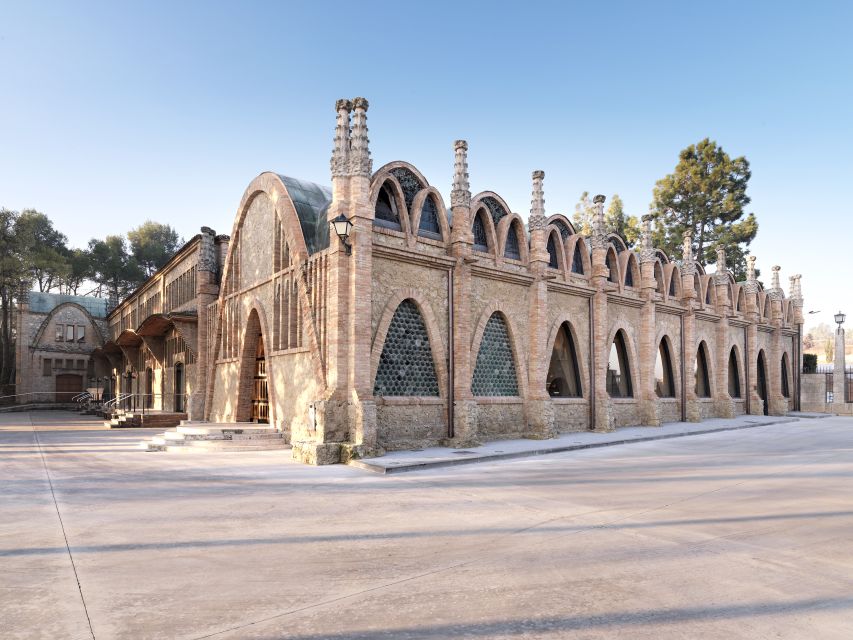
- Puig i Cadafalch’s modernist winery
- Twenty meters below ground
- The final tasting: three cavas and three chocolates
- How the pace feels in 90 minutes
- Who should book this Codorníu experience?
- A few practical tips for a better visit
- Should you book the Casa Codorníu tour?
- FAQ
- Where does the Casa Codorníu tour begin?
- How long does the visit last?
- How much does the tour cost?
- Is transportation from Barcelona included?
- Which languages are available?
- What is included in the tasting?
- Can I cancel the booking?
Key points to know before you go
- The underground train is the tour’s most unusual feature: You descend more than 20 meters and ride through Codorníu’s cellar tunnels.
- Puig i Cadafalch designed the setting: Sala Puig, known as the Cathedral of Cava, and the surrounding modernist buildings give the visit real architectural weight.
- The tasting is generous for the price: You sample three premium cavas with three types of chocolate, plus a small appetizer.
- The tour costs $35 per person: That is fair value if you want architecture, winery history, and a seated tasting in one compact visit.
- English and Spanish tours are offered: Check the starting time when booking, since the experience lasts about 1.5 hours.
- Weather can change the route: The garden portion may be reduced or skipped in poor conditions.
Why Casa Codorníu is worth the trip from Barcelona
Casa Codorníu is in Catalonia, at the Caves Codorniu meeting point. Transportation is not included, so you need to arrange your own way there. That detail matters because this is not a city-center walking stop you can simply add between Barcelona sights.
The setting rewards the extra planning. Codorníu traces its story back almost 500 years, and the visit shows how cava developed from a local wine tradition into a major Catalan product. You are not only tasting sparkling wine. You are seeing the buildings, tools, cellars, and production ideas that made the brand important.
I like the mix of subjects. A visit devoted only to wine can become technical, while a modernist architecture tour may leave you wondering how the building is used. Here, the two subjects support each other. The architecture was made for winemaking, and the winemaking gives the grand rooms a practical purpose.
At $35, the price is sensible for a guided experience that includes admission, a live guide, three cava tastings, and a small appetizer. It becomes an especially good deal if you already enjoy sparkling wine or want a more focused Catalan outing beyond the usual Barcelona circuit.
More Wine Tastings in Barcelona
- Montserrat & Cogwheel Train, Gourmet Wine Tasting & Tapas/Lunch
★ 5.0 · 6,290 reviews - Montserrat with Black Madonna & Medieval Winery with Tapas/Lunch
★ 5.0 · 5,209 reviews - Barcelona: Montserrat and Winery Tour with Tapas or Lunch
★ 4.8 · 4,695 reviews
Sala Puig and the Cathedral of Cava
Your visit begins in Sala Puig, called the Cathedral of Cava. A short introductory video sets out the Codorníu story and explains the basic wine-making process before the walking portion begins.
This opening is useful because cava can be confusing if you are not familiar with it. The video gives you a framework for the later rooms, garden buildings, and cellar visit. You will have a better idea of why underground storage matters and how the different stages of production fit together.
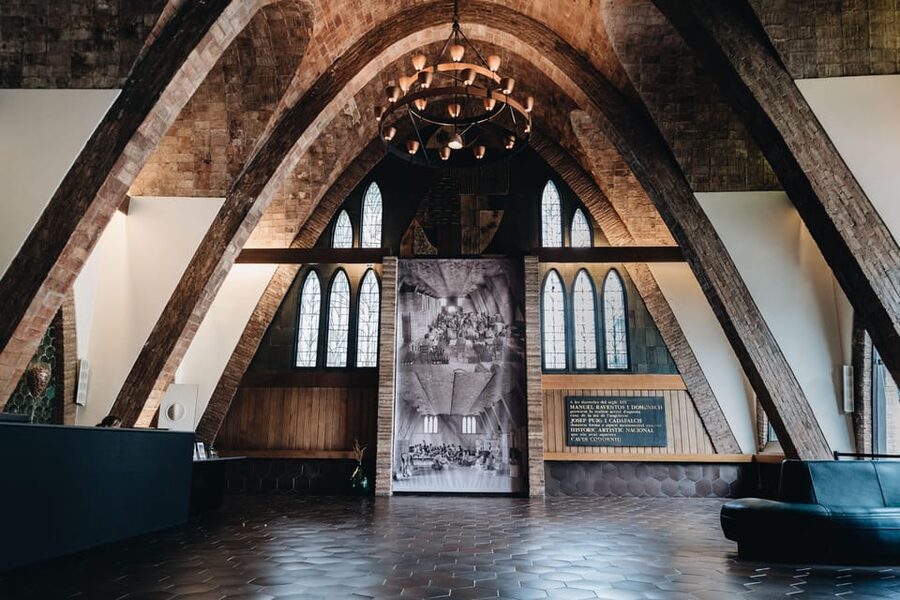
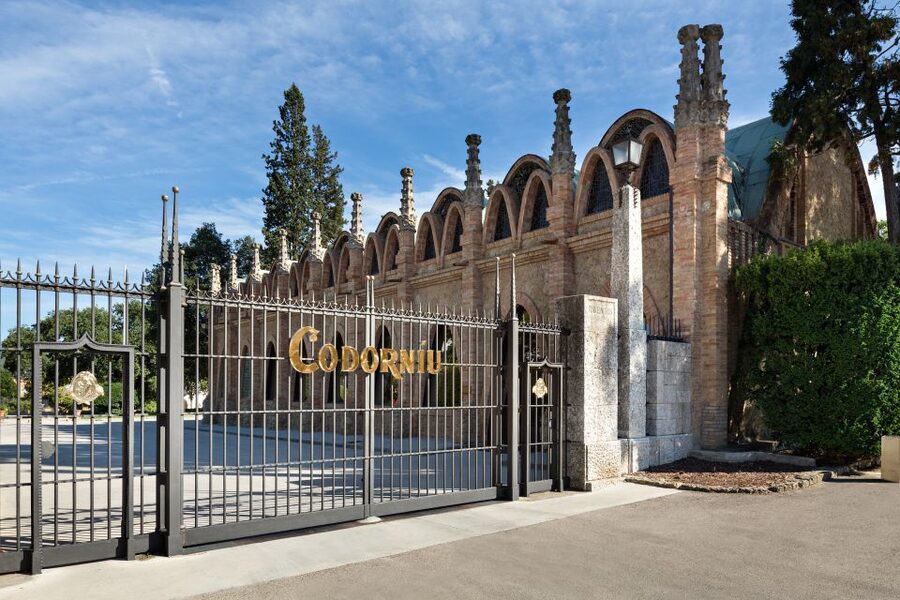
The name Cathedral of Cava is not modest, and the room is designed to make an impression. Josep Puig i Cadafalch, one of Catalonia’s leading modernist architects, created a place that feels grand without losing its connection to the winery. Look up and around rather than rushing toward the next stop. The value here is visual as much as historical.
The tour is guided in English or Spanish. That is important in this room because the architecture has details that are easy to miss without interpretation. Still, the amount of explanation can depend on the guide and the pace of the group. One recent visit praised the guide’s kindness and willingness to answer questions but wanted more depth. If you enjoy the historical side, ask questions early rather than waiting until the tasting.
The museum, gardens, and Anna’s story
After Sala Puig, the route continues to the museum and then outside into the estate gardens. The museum adds objects and background to the story introduced in the video. It helps connect the finished bottle in your glass with the older methods and people behind it.
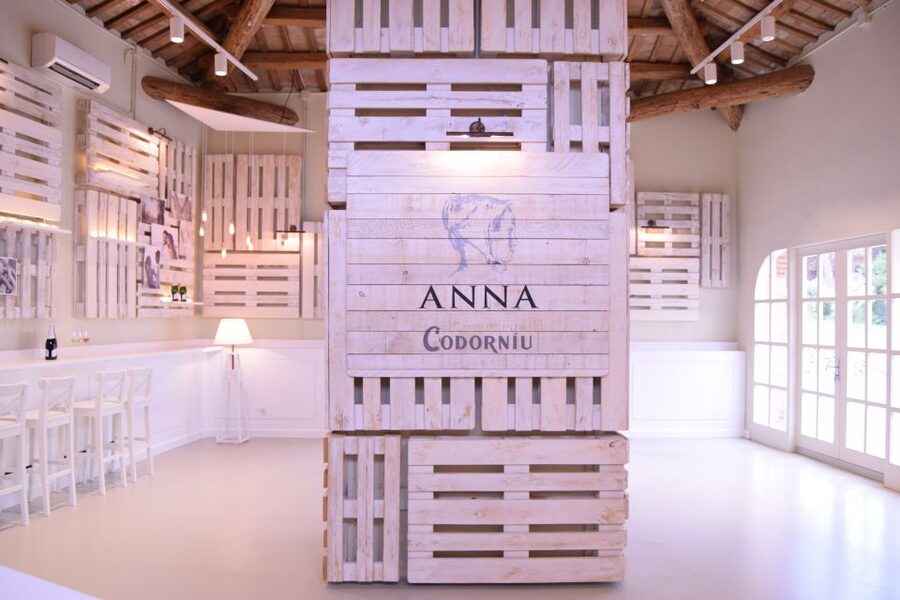
The tour also includes stories about Anna’s life. These personal details add a human thread to a company history that might otherwise focus only on dates, buildings, and production. Listen for how the guide connects Anna to the Codorníu story, since these anecdotes are among the parts that can make the visit feel less like a standard industrial tour.
The gardens are important for two reasons. First, they give you a break from the interior spaces before the underground section. Second, they let you see the modernist architecture in a wider setting. The buildings are easier to understand when you can view their shapes, materials, and relationship to the estate rather than seeing only one decorated room.
Weather is the catch. In poor conditions, the garden visit may not be possible. That does not cancel the main experience, since the winery and cellar remain the central attractions, but you should set your expectations accordingly. If the gardens matter most to you, choose a day with a favorable forecast and allow some flexibility.
Puig i Cadafalch’s modernist winery
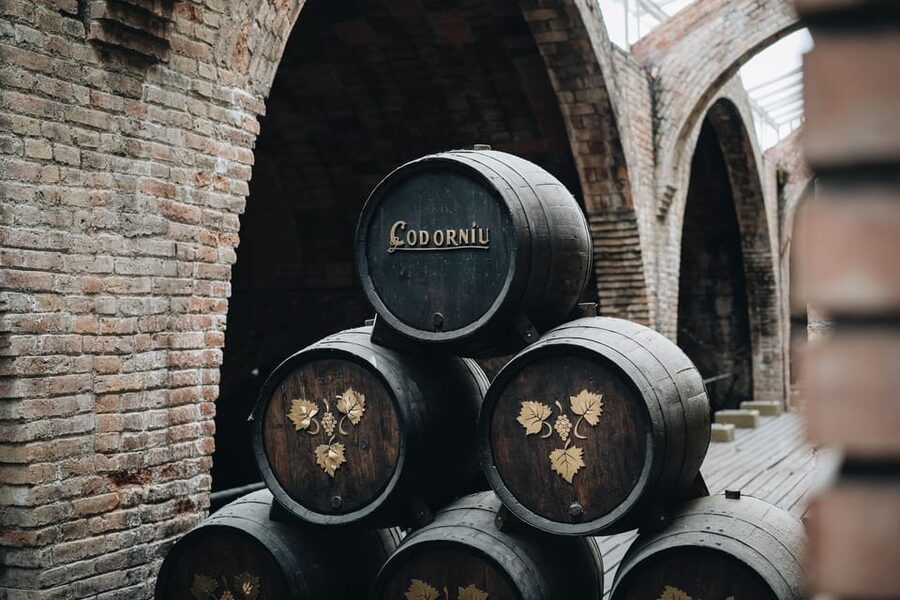
The architectural portion is one of the strongest reasons to choose this tour instead of a basic tasting. Puig i Cadafalch brought the visual language of Catalan modernism into a working wine estate. The result is not simply a decorative shell around a business. The design reflects the importance Codorníu placed on its buildings and public identity.
You do not need to be an architecture specialist to enjoy it. The guide provides the context, while the rooms and exterior make the ideas easy to grasp. I would give this section your full attention, especially if you have already seen Barcelona’s famous modernist houses and want to understand how the style works outside the city.
The visit is also a good option for people who want more than a food-and-drink stop. You can appreciate the design without being a cava expert, and you can learn the production story without spending the whole time with technical vocabulary.
One limitation is that the schedule does not promise access to every current production area. A recent German-language visit would have liked to see newer production facilities. That is a fair point to keep in mind: this experience focuses on the historic estate, museum, architecture, tunnels, and tasting. It is not presented as a complete tour of every modern operation.
Same base, a different kind of afternoon:
- Barcelona: Sagrada Familia Entry Ticket with Audio Guide
★ 4.6 · 105,312 reviews - Barcelona: Park Güell Admission Ticket
★ 4.4 · 76,534 reviews - Barcelona: Casa Batlló Entry with Self-Audioguide Tour
★ 4.7 · 25,359 reviews - Barcelona: 24 or 48-Hour Hop-On Hop-Off Bus Tour
★ 4.4 · 20,872 reviews
Twenty meters below ground
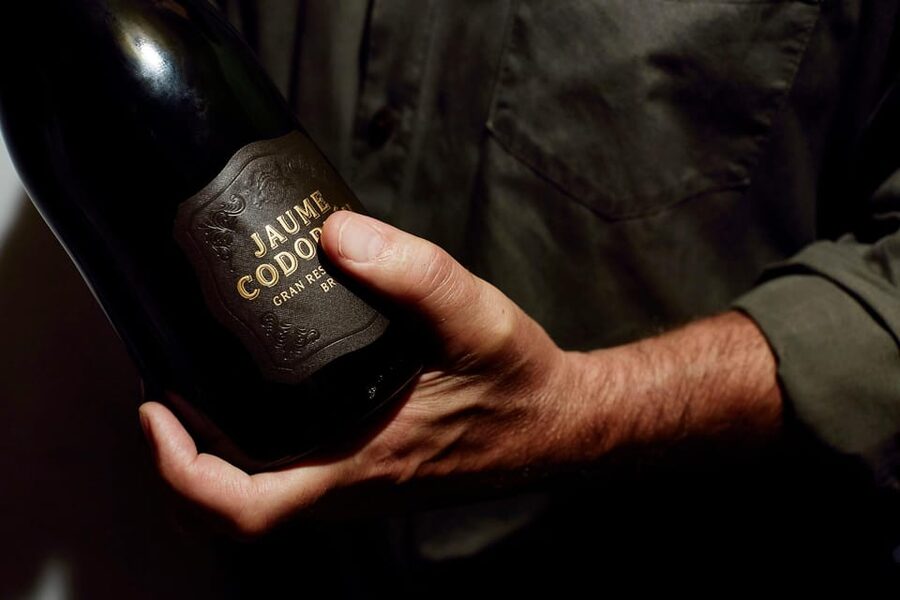
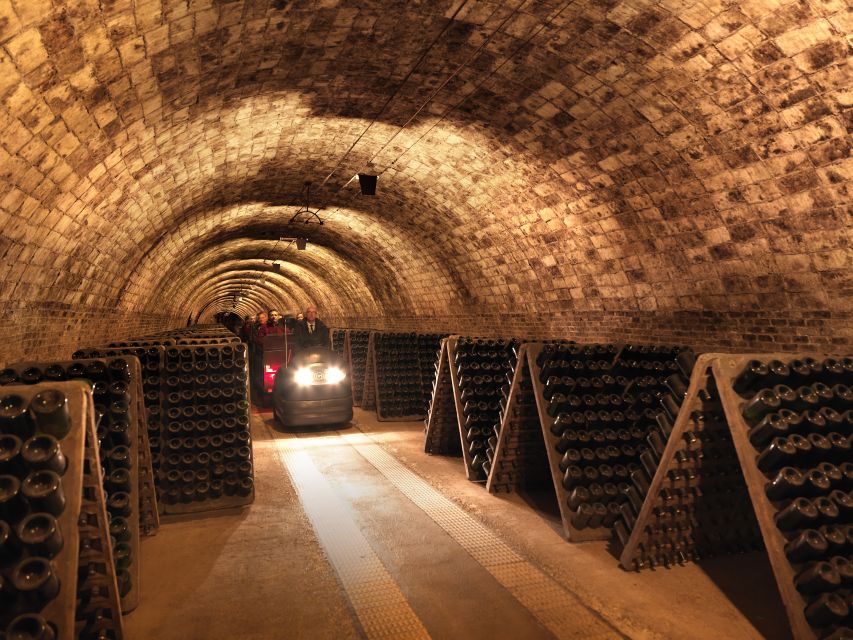
The route then heads more than 20 meters underground. This is where the visit shifts from grand architecture to the practical business of storing and aging sparkling wine.
You ride an electric train through the dugout cellar tunnels. The train makes the underground section accessible and saves you from walking the full route through the cellars. It also gives the visit a sense of movement after the museum and garden stops.
For many people, this will be the clearest explanation of why a cava winery needs such extensive cellar space. The underground tunnels are not just an atmospheric attraction. They show the scale required to store bottles and manage production over time.
The train ride is also the tour’s most memorable activity for families and for anyone who likes a little variety in a museum visit. You are not standing in one room listening to a long lecture. You move through the winery while the guide explains how cava is made and stored.
The tradeoff is that a train ride can limit how long you spend at individual points. If you want a detailed look at equipment or newer production methods, this may feel more like an overview. If you want a clear, comfortable introduction to the cellar system, it works well.
The final tasting: three cavas and three chocolates
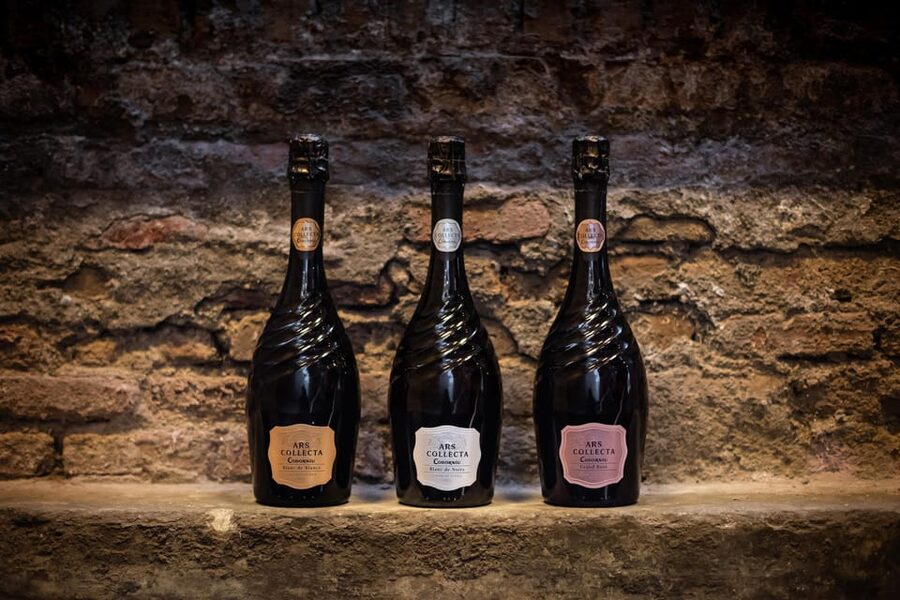
The visit ends with the part most people anticipate: three cava tastings from the premium range, paired with three types of chocolate. A small appetizer is included as well.
This is more than a quick sip at the counter. The chocolate pairing gives you a simple way to compare the wines and notice how sweetness, acidity, bubbles, and cocoa interact. You do not need advanced tasting skills. Pay attention to which cava you prefer with each chocolate, and you will get more from the tasting than by treating it as three identical pours.
The premium range is a strong point. The tasting is designed to show that cava can offer more variety and quality than the bargain bottles many people know from supermarket shelves. One particularly enthusiastic assessment came from someone who already loved French champagne but found the cava convincing. That is a useful test of the tasting’s purpose: it gives you a chance to compare styles with an open mind.
The three cavas are the main included tasting, while the tour highlights two especially good premium examples. The details of the bottles may vary, so do not book expecting a specific label unless the current booking information names it. The experience is about sampling the range rather than collecting a particular bottle.
The tasting also helps justify the $35 cost. Admission to the historic estate, a guide, the underground train, and three premium samples would each have value on their own. Put together, they make the price reasonable, especially for visitors who would otherwise pay separately for a winery visit and an architecture stop.
If you do not drink alcohol, this may not be the best use of your time. The tasting is the finale, not an optional extra, and alcohol-free alternatives are not specified in the available information.
How the pace feels in 90 minutes
An hour and a half is enough for a clear introduction, but it is not enough for a slow, exhaustive examination of the estate. The route moves from video to museum, gardens, cellar, and tasting with little wasted time.
I see that as both a strength and a weakness. The compact schedule works well if you are fitting the visit into a larger Catalonia itinerary. You get a complete story without giving up half a day. On the other hand, architecture lovers may want more time in Sala Puig, while wine enthusiasts may wish for more technical discussion of production.
Guide quality matters here because the experience carries a lot of information in a short period. The strongest visits appear to be warm, clear, and open to questions. A Spanish guide was praised for explaining the entire process well and making the visit enjoyable. Another guide was described as friendly but less engaging than expected. That variation is normal in any live tour, but it is worth asking questions if you want a fuller explanation.
The available rating of 4.8 from 155 assessments suggests that the format works well for most people. I would read that as a sign of consistent enjoyment, not a promise that every guide will deliver the same level of detail.
Who should book this Codorníu experience?
I would choose this tour if you like at least two of the following:
- Catalan modernist architecture
- Sparkling wine and food pairings
- Historic estates
- Short guided outings with several different stops
- Unusual transport, such as an underground electric train
It suits couples, small groups, and families who want an activity with more substance than a simple tasting. The train ride gives younger visitors something concrete to look forward to, while the architecture and cava production keep the visit interesting for adults.
It is also a smart choice for a champagne drinker who wants to judge cava fairly. The premium tasting gives you better material for comparison than a single basic sample.
I would be more cautious if you want a long, highly technical winery tour. The 90-minute schedule favors variety and storytelling over detailed production access. I would also think twice if you are visiting during bad weather mainly to see the gardens, since that portion may be changed or skipped.
The language choice is straightforward: tours are offered in English and Spanish. Check the available start times before paying, since the duration is fixed and transportation to Caves Codorniu is your responsibility.
The activity allows cancellation up to 24 hours ahead for a full refund, and you can reserve now while paying later. Those terms are useful if your Catalonia plans are still moving around.
A few practical tips for a better visit
Arrive ready for both indoor and outdoor portions. The route includes gardens as well as underground cellars, and the weather may affect the outdoor section.
Keep the full 90 minutes free. The tasting comes at the end, so leaving early means missing the part many people consider the highlight.
If you care about architecture, ask about Puig i Cadafalch during the opening section. If you care about wine, ask how the cellar visit connects to cava production. The tour is short, and a well-timed question can draw out more detail.
Do not assume the tour includes transportation from Barcelona. The meeting point is Caves Codorniu, and transport is not included in the $35 price.
Finally, take the rules seriously. Anyone under the influence of alcohol, drugs, or other substances cannot take part, and the provider may alter the route because of weather or electrical, mechanical, or computer problems. Those changes can happen for safety and operational reasons, and refunds are not promised if participation is reduced or the activity is canceled for misconduct.
Should you book the Casa Codorníu tour?
Book it if you want a well-priced combination of modernist architecture, cellar history, and premium cava. The underground train and chocolate pairing give the visit character, while Sala Puig provides a memorable setting before the tasting.
Skip it if your main goal is a long production-focused winery visit or a full look at current facilities. For most visitors, though, the compact format is the appeal. You leave with a better sense of Catalan cava, a look at one of the region’s most distinctive wine estates, and three samples that let you decide for yourself how far cava can go.
FAQ
Where does the Casa Codorníu tour begin?
The experience begins at Caves Codorniu in Catalonia, Spain.
How long does the visit last?
The guided visit lasts approximately 1.5 hours.
How much does the tour cost?
The listed price is $35 per person.
Is transportation from Barcelona included?
No. Transportation is not included, so you must arrange your own way to Caves Codorniu.
Which languages are available?
The live tour guide is available in English and Spanish.
What is included in the tasting?
You receive three cava tastings, paired with three types of chocolate. A small appetizer is also included.
Can I cancel the booking?
Yes. You can cancel up to 24 hours in advance for a full refund. You can also reserve now and pay later.
Recently listed in Barcelona
- Transfers From Cruise Port to Barcelona Airport★ 4.5 · 155 reviews
- Bohemian Barcelona Neighborhood Evening Tapas & Wine Tour★ 5.0 · 419 reviews
- Park Guell Guided Tour with Skip the Line Tickets★ 4.0 · 739 reviews
- Barcelona Sunset Cruise with Light Snacks and Open Bar★ 5.0 · 476 reviews
- Montserrat very early : Hiking, Abbey, very small group★ 5.0 · 127 reviews
- Barcelona: Sagrada Familia, Park Guell & Tapas Private Tour★ 5.0 · 903 reviews
- Authentic Flamenco Show Barcelona : Intimate Casa Sors Experience★ 5.0 · 809 reviews
- Barcelona Expert Tour with Local Guide in Eco Tuk Tuk Private★ 5.0 · 216 reviews
Wine Tours, compared.

Montserrat & Cogwheel Train, Gourmet Wine Tasting & Tapas/Lunch
Read our review →
Montserrat with Black Madonna & Medieval Winery with Tapas/Lunch
Read our review →
Montserrat and Winery Tour with Tapas or Lunch
Read our review →
Ronda+Setenil de las Bodegas with Little Train
Read our review →

Toledo Tour & Vineyard Walk with Wine Tasting from Madrid
Read our review →
Málaga & Costa del Sol: Ronda and Setenil de las Bodegas
Read our review →
Browse the lists this tour appears in