Reviewed · TICKETS
Barcelona: Museu Nacional d’Art de Catalunya Entrance Ticket
Barcelona’s best art may be uphill. The Museu Nacional d’Art de Catalunya fills the grand Palau Nacional on Montjuïc with an unusually broad collection, from rescued Romanesque church murals to Catalan Modernist paintings and European works by Tiziano and Velázquez. I especially like the building and city views, along with the chance to see art that tells Catalonia’s story rather than simply ticking off famous names. The main drawback is time: this is a large museum, and a rushed one-hour visit will barely scratch the surface.
At $14 per person, the ticket is good value if you give the museum at least two hours, and better still if you enjoy several periods of art. I also like the included smartphone audio guide, available in nine languages. Check the rooftop situation before you go, however, because the terraces and roof are currently closed under health and operating rules, even though the hilltop setting still gives you fine views.
In This Review
- Key points to know before visiting
- Arriving at the Palau Nacional on Montjuïc
- Why the Romanesque murals deserve your first attention
- Gothic art and the changing story of Catalonia
- Catalan Modernism, Gaudí, and Ramon Casas
- European masters by Tiziano and Velázquez
- Photography and temporary exhibitions
- Two hours is the minimum, four hours is better
- Rooftop views, current closures, and the Montjuïc setting
- Is the $14 ticket a good deal?
- Practical tips for a smoother visit
- Who will enjoy MNAC most?
- Should you book the Museu Nacional d’Art de Catalunya?
- FAQ
- How much does admission to the Museu Nacional d’Art de Catalunya cost?
- How long should I plan for the museum?
- Is the rooftop open?
- What languages are available for the audio guide?
- When is admission free?
- Is the museum wheelchair accessible?
Key points to know before visiting
- Romanesque murals are the star attraction: MNAC has the world’s finest collection of Romanesque mural paintings, many removed from old churches and displayed in settings that suggest their original purpose.
- Two floors require real time: Plan at least two hours, and closer to four if you want to read labels and take in the full collection.
- The Palau Nacional is part of the visit: The 1929 International Exposition building gives you grand architecture before you even reach the galleries.
- Catalan Modernism gets strong attention: Look for work connected with Antoni Gaudí and Ramon Casas, alongside later Catalan art.
- The ticket can be a flexible buy: It includes the permanent collection, a temporary exhibition, and a smartphone audio guide, with free cancellation up to 24 hours ahead.
- Free entry days can change the calculation: Admission is free on Saturdays from 3 p.m., the first Sunday of each month, and several Catalan and museum holidays.
Arriving at the Palau Nacional on Montjuïc
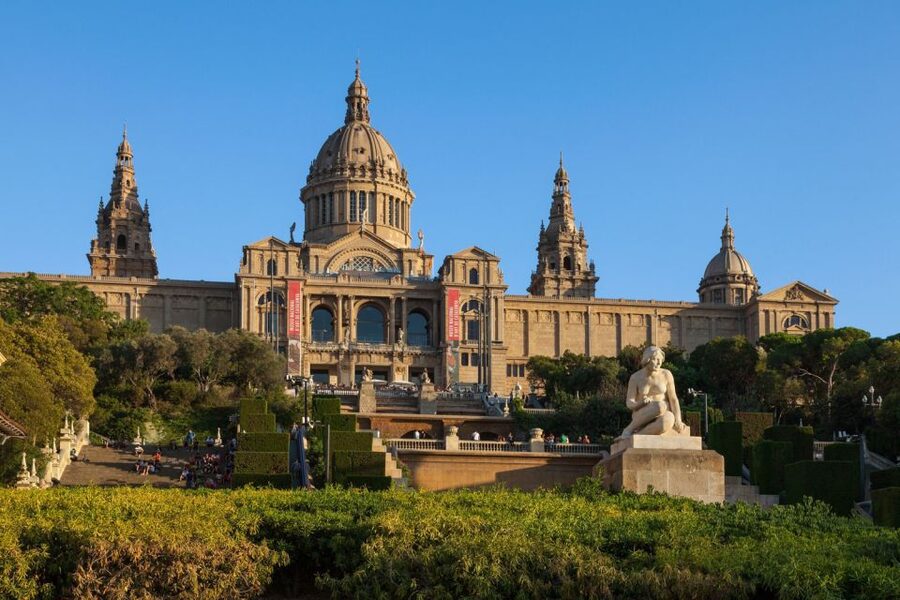
The museum is at Palau Nacional s/n, in Parc de Montjuïc. You are not walking into an ordinary gallery. The palace was built for the 1929 International Exposition, and its broad facade, stairways, and high position give the arrival a sense of occasion.
Several people enjoy the setting almost as much as the art. From the front of the building, you can look across Barcelona, take photographs, and pause before heading inside. The hill also gives you a pleasant break from the city streets, though getting there involves an uphill route and some walking. In summer, that climb can feel tiring in the heat.
You may find escalators and elevators useful, especially if you want to save your legs for the galleries. The museum is wheelchair accessible, but the approach across Montjuïc still matters when planning your visit. Give yourself extra time if you are arriving from another part of Barcelona.
The surrounding area adds to the appeal. You might combine the museum with a walk through the park, a drink or snack at one of the on-site cafes, or nearby Montjuïc sights. The setting is spacious and relaxed, so you do not need to treat this as a quick indoor stop.
A few more Barcelona ideas to compare
- Barcelona: Sagrada Familia Entry Ticket with Audio Guide
★ 4.6 · 105,312 reviews - Barcelona: Park Güell Admission Ticket
★ 4.4 · 76,534 reviews - Barcelona: Casa Batlló Entry with Self-Audioguide Tour
★ 4.7 · 25,359 reviews
Why the Romanesque murals deserve your first attention
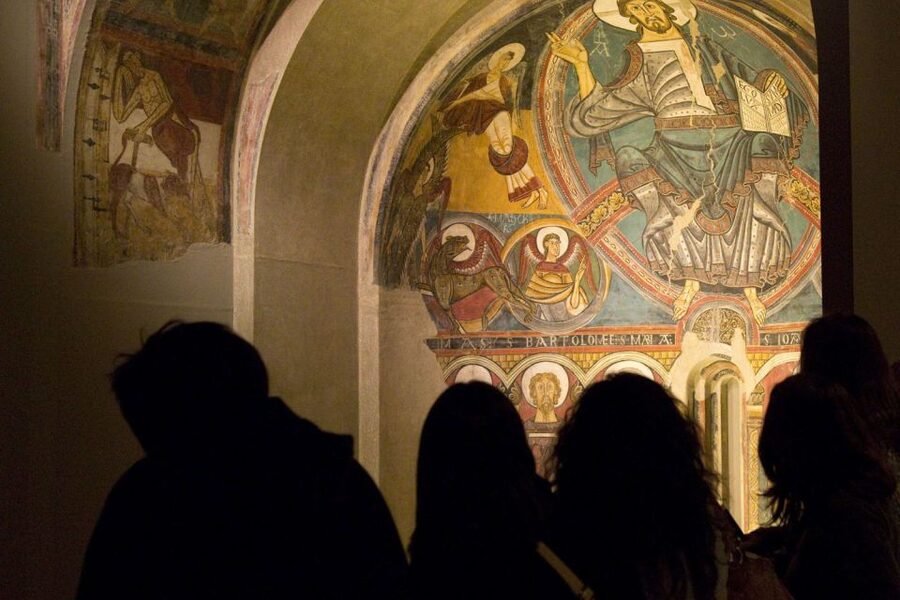
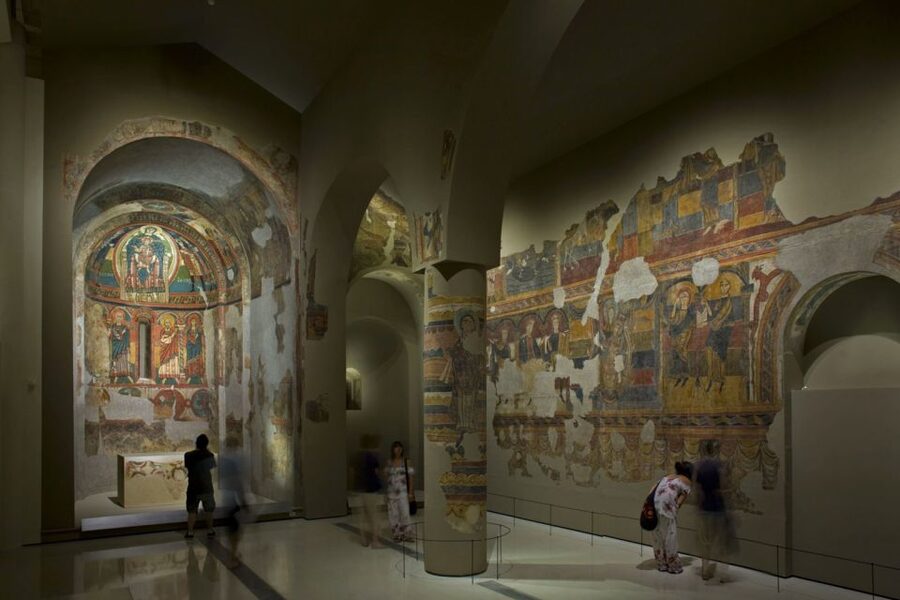
The Romanesque collection is the museum’s strongest reason to visit. MNAC holds the finest collection of Romanesque mural paintings in the world, and these are not small fragments tucked into a corner. Many murals were rescued from old churches and installed so you can understand how they once worked within an architectural space.
That presentation gives the art real force. You can see how painted figures, symbols, and bold blocks of color once shaped a church interior. Even if medieval art is not normally your priority, the scale and setting make these rooms easy to appreciate.
I recommend beginning here while your attention is fresh. The paintings can look simple at first, but the displays reward a slower look. Pay attention to the way the museum explains their removal and preservation. The act of saving these works from damaged or abandoned buildings is part of their story.
English explanations are not equally strong in every section. The medieval galleries may have limited English translation, so the audio guide is especially useful if you do not speak Catalan or Spanish or have much background in Spanish art. Bring a charged smartphone and headphones, since those are not optional comforts if you want to use the included guide properly.
Gothic art and the changing story of Catalonia
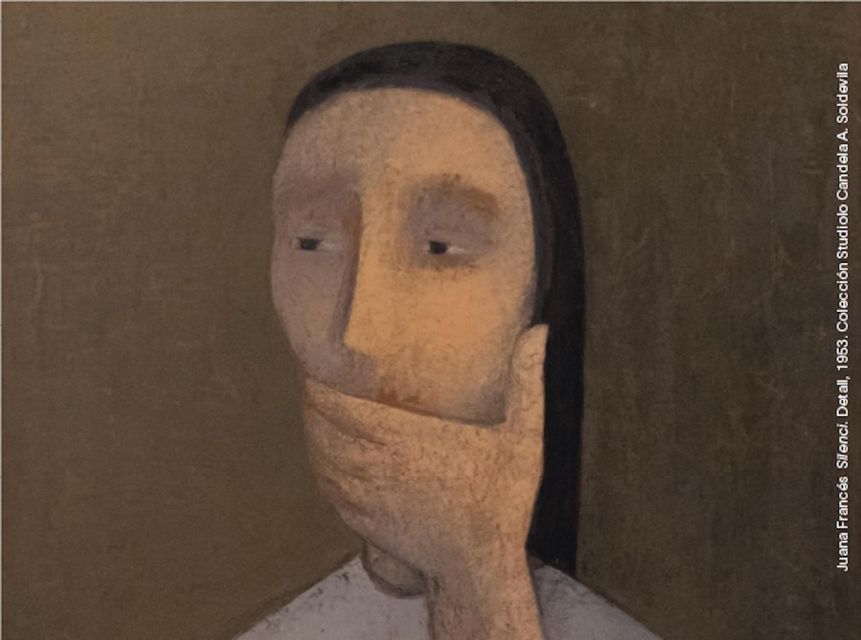
After the Romanesque rooms, the Gothic displays continue the museum’s account of Catalan art. The exact balance of rooms and displays can change, especially when temporary exhibitions are being installed, but the collection is arranged by period rather than thrown together.
That structure helps you keep your bearings. You move through different artistic concerns and ways of presenting religious and civic subjects. The museum is large, yet the sections make it less tiring than a gallery with no clear order.
Some visitors race toward the Modernist works because Gaudí’s name is familiar. I would resist that urge. The earlier rooms explain the artistic traditions that make Catalonia’s later work more meaningful, and the preserved church paintings are among the most distinctive things you can see in Barcelona.
The museum’s appeal is not just a list of famous artists. It gives you a view of Catalonia through art, from medieval religious painting to later changes in public taste and design. That makes it a strong choice if you want more context than you get at a single-artist museum.
Catalan Modernism, Gaudí, and Ramon Casas
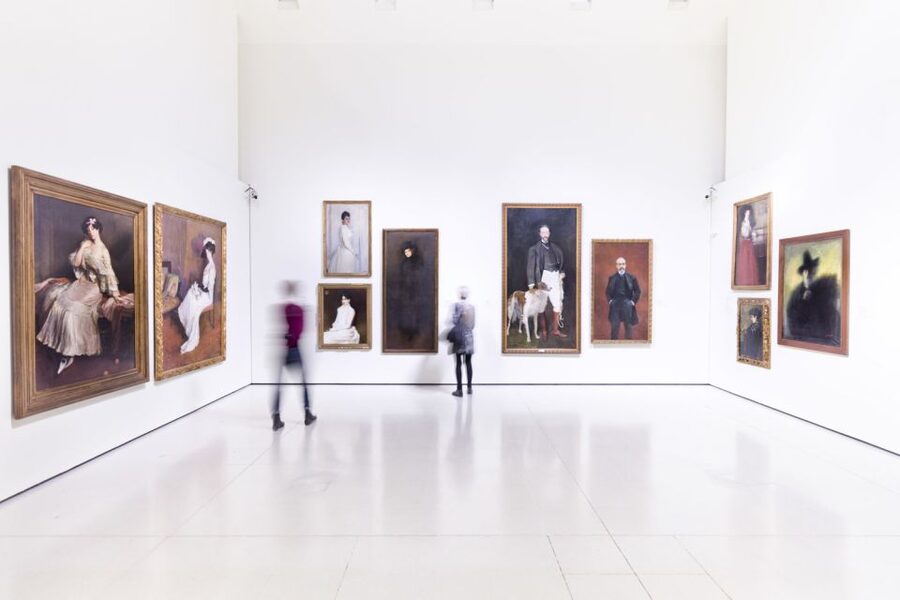
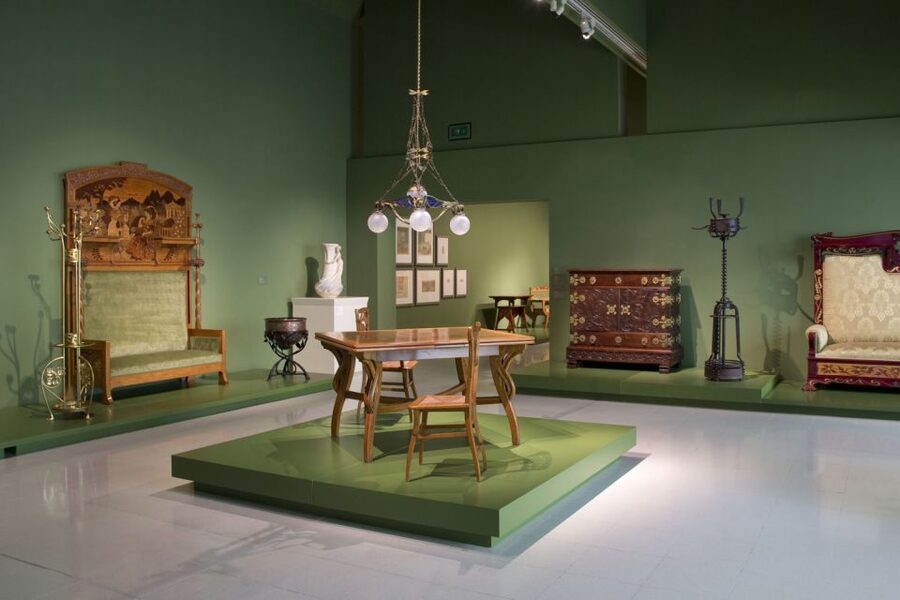
The Catalan Modernism galleries are likely to be the most immediately approachable part of the visit. Here you can see work linked with artists such as Antoni Gaudí and Ramon Casas, along with the visual language that made Barcelona famous at the turn of the twentieth century.
This is also where the museum feels most connected to the city outside. After seeing Gaudí’s architecture around Barcelona, it is useful to encounter the wider artistic culture in which that work developed. Casas gives you another angle on modern Catalonia, with art that feels tied to people, city life, and changing society.
The modern collection sits on the upper floor, according to the visitor experience described, and it has attracted many visitors who came expecting to prefer the older art. I understand why. The paintings are often easier to approach without specialist knowledge, and the rooms provide a clear change of mood after the medieval displays.
The size of MNAC works in your favor here. You get more than a token modern-art section, but you do not lose the connection to earlier Catalan traditions. If modern art is your main interest, you may want to allow extra time for this floor rather than treating it as the final five-minute stop.
Same base, a different kind of afternoon:
- Barcelona: 24 or 48-Hour Hop-On Hop-Off Bus Tour
★ 4.4 · 20,872 reviews - Barcelona: Park Guell Guided Tour with Skip The Line Entry
★ 4.7 · 17,563 reviews - Barcelona in 1 Day: Sagrada Familia, Park Guell,Old Town & Pickup
★ 5.0 · 13,541 reviews - Barcelona Aquarium: Entry Ticket
★ 4.3 · 13,335 reviews
European masters by Tiziano and Velázquez
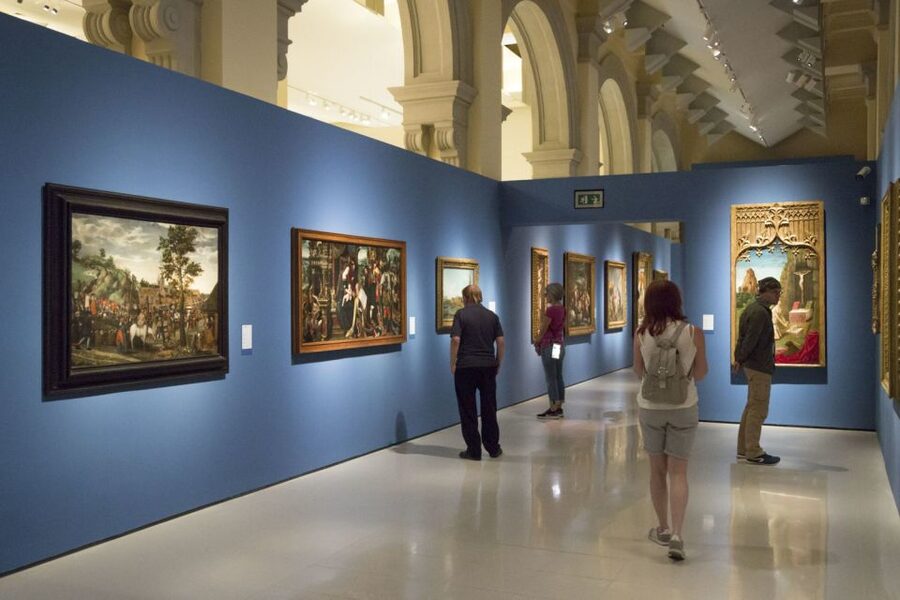
MNAC is not limited to Catalan artists. Its European Renaissance and Baroque holdings include works by Tiziano and Diego Velázquez, giving you a chance to compare local art with major figures from elsewhere in Europe.
These rooms broaden the visit. After seeing Catalan artists respond to local subjects and traditions, you can look at the wider European styles that shaped painting across the continent. The collection is not presented as a substitute for the Prado or the great Italian museums, but it is an important part of this museum’s range.
I would not visit MNAC only for one named master. The pleasure comes from the mix: medieval murals, Gothic works, Catalan Modernism, Renaissance and Baroque paintings, photography, and temporary displays under one roof. That range makes the $14 admission more reasonable than a ticket to a small gallery with only one narrow theme.
Photography and temporary exhibitions
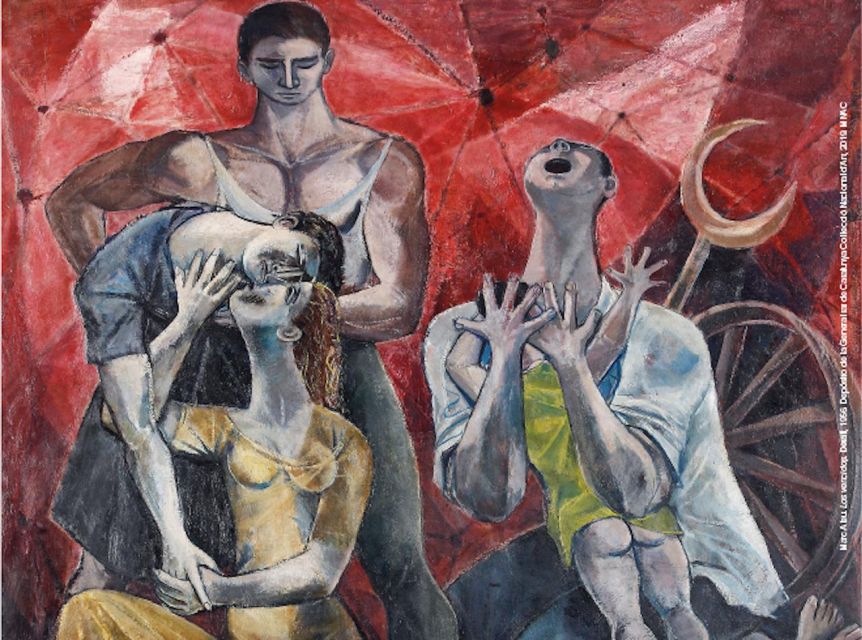
Photography is also part of the museum’s collection, adding a modern visual record to the paintings and murals. This gives you another way to see Catalonia and Europe, and it breaks up the long sequence of framed works.
Your admission includes a temporary exhibition as well as the permanent collection. The subject will vary, so check the current program if a particular show matters to you. I like this arrangement because a single ticket can support a full museum visit rather than leaving you choosing one paid section.
The Spanish Civil War exhibition received especially strong praise for its emotional impact when on display. Do not assume a temporary show will be light or decorative. Some exhibitions deal with difficult parts of Spain’s past and can change the tone of your visit.
Because the museum’s contents cover several periods, the experience can feel like a lot. Use the map and signs to plan a route, and do not feel obliged to study every object. Choose the Romanesque murals, the Modernist rooms, and one or two additional sections as anchors.
Two hours is the minimum, four hours is better
The advertised validity is one day, not a short timed tour, so you have room to set your own pace. You can see the main collection in about two hours if you move steadily, but that means making choices.
I would allow three to four hours if you want to read the explanations, use the audio guide, visit the temporary exhibition, and stop for a break. One visitor spent more than four hours enjoying the displays, while another found that a one-hour late-afternoon slot allowed time for only one gallery. That contrast tells you exactly what to avoid: arriving near closing and expecting a full museum visit.
The ticket offices close 30 minutes before the museum itself, and the rooms are emptied 15 minutes before closing. Keep those limits in mind when planning Montjuïc with other sights. A late visit may work for a single section, but not for the whole museum.
The building can also make you linger. The interior is impressive, and the large rooms create a calm rhythm. Still, families with children or anyone who does not enjoy art museums may want to set a clear target rather than attempting every room. The cafes provide a useful pause, and one cafe was praised for its calm atmosphere and well-priced food.
Rooftop views, current closures, and the Montjuïc setting
The rooftop and terraces have been a major attraction, with sweeping views over Barcelona. Past visits have included access to the roof, and the view from the building is excellent even before you reach the highest point.
At present, the terraces and rooftop are temporarily out of service because of the difficulty of meeting current health regulations. Treat rooftop access as unavailable unless the museum confirms otherwise on the day you visit. This is important because some older information and past experiences describe the roof as a highlight.
The closure does not remove the value of the location. The front of the Palau Nacional still gives you wide city views, and the surrounding park offers space to walk and take photographs. You can also use the museum as a base for exploring Montjuïc, though the hill and summer heat can make the outing more strenuous than the gallery portion.
There have also been comments about the fountain area not operating at certain times. Do not build your whole plan around a particular water feature. Come for the museum, the building, and the hilltop outlook, and treat anything else as a bonus.
Is the $14 ticket a good deal?
At $14, I consider this a strong-value Barcelona museum ticket for the right visitor. You get the permanent collection, a temporary exhibition, and an audio guide app in Catalan, Spanish, English, French, German, Italian, Russian, Japanese, and Chinese.
The value improves if you stay for several hours. It is also useful if you want a flexible day rather than a tightly timed attraction. Some ticket arrangements have allowed a return visit within a later period, but the precise return terms should be checked when booking, since the information provided here is not fully consistent.
Do the simple math before buying. Entry is free on Saturdays from 3 p.m., the first Sunday of each month, and these dates:
- February 12, Santa Eulàlia
- May 18, International Museum Day
- September 11, Catalonia’s national day
- September 24, La Mercè, Barcelona’s city festival
If your schedule fits one of those periods, paying $14 may not make sense. The catch is time and crowd conditions. A free hour on a Sunday is poor value if you see only one gallery. A paid visit at a quieter time can be the better choice if you want to understand the collection.
Skip-the-line entry is included. That may be unnecessary on a quiet day, but it removes one small uncertainty from a busy Barcelona itinerary. The museum has received a 4.5 rating from 1,819 reviews, and the most consistent praise goes to the building, the art range, the views, and the ease of the ticket process.
Practical tips for a smoother visit
Bring headphones and a fully charged smartphone for the audio guide. The app supports nine languages, but you will need your own equipment to get the most from it.
Start with the Romanesque murals, then continue through Gothic art before heading to the Modernist and European collections. This gives you a natural chronological path and places the most distinctive material early in the visit.
Allow extra time for the climb to Montjuïc, especially in hot weather. Once inside, use the elevators if needed, and plan a cafe stop rather than trying to push through several hours without rest.
Check the current rooftop status before setting out. At present, it is closed, and opening conditions can change. Also check closing times carefully, since the ticket office closes half an hour before the museum and the galleries empty 15 minutes before closing.
For photography, save time for the palace interior, exterior steps, and city outlook. The art is the main reason to enter, but the setting is one of the things that makes this museum feel different from a standard city gallery.
Who will enjoy MNAC most?
I recommend MNAC to anyone who wants Catalan art in context. It suits adults who enjoy history and painting, architecture fans, visitors who want a quieter alternative to Barcelona’s most crowded sights, and anyone interested in Romanesque church art.
It is also a good choice for repeat visitors. If you have already seen the headline attractions, the museum gives you a substantial afternoon with both famous and less familiar work.
Younger children may tire of the scale and the number of rooms. A short, focused route can help, but do not promise a quick stop if you want value from the ticket. Art specialists can spend much longer, especially with the medieval murals and temporary exhibitions.
The museum is less ideal if your only goal is a rooftop panorama, since access is currently closed. It is also not the best pick if you have only an hour and cannot return. For that situation, choose one section and accept that you will not see everything.
Should you book the Museu Nacional d’Art de Catalunya?
Yes, if you can give it at least two hours and want more than Barcelona’s familiar Gaudí sights. The Romanesque murals, Catalan Modernist works, and grand palace make this one of the city’s most rewarding art stops, while the $14 ticket includes enough to fill a serious half-day.
I would skip the paid ticket if your dates match a free-entry period and you can arrive early enough to see more than one gallery. Otherwise, booking is sensible for the flexible one-day admission, multilingual audio guide, and skip-the-line access.
Just confirm the rooftop closure before you go, bring headphones, and do not arrive late in the afternoon expecting to cover the whole building. Give MNAC time, and it becomes far more than a museum with a nice view.
FAQ
How much does admission to the Museu Nacional d’Art de Catalunya cost?
The listed price is $14 per person. Admission includes the permanent collection, a temporary exhibition, and the smartphone audio guide app.
How long should I plan for the museum?
Plan at least two hours for the main collections. If you want to see the exhibits carefully, use the audio guide, visit the temporary exhibition, and take a break, allow three to four hours.
Is the rooftop open?
The terraces and rooftop are temporarily out of service because of current health and operating requirements. You can still enjoy broad views of Barcelona from the Montjuïc setting and the front of the building.
What languages are available for the audio guide?
The audio guide is available in Catalan, Spanish, English, French, German, Italian, Russian, Japanese, and Chinese. Bring headphones and a charged smartphone.
When is admission free?
Admission is free on Saturdays from 3 p.m., the first Sunday of each month, February 12, May 18, September 11, and September 24.
Is the museum wheelchair accessible?
Yes, the museum is wheelchair accessible. The approach through Montjuïc includes walking and an uphill route, with elevators nearby for going up inside the complex.
Recently listed in Barcelona
- Transfers From Cruise Port to Barcelona Airport★ 4.5 · 155 reviews
- Bohemian Barcelona Neighborhood Evening Tapas & Wine Tour★ 5.0 · 419 reviews
- Park Guell Guided Tour with Skip the Line Tickets★ 4.0 · 739 reviews
- Montserrat very early : Hiking, Abbey, very small group★ 5.0 · 127 reviews
- Barcelona Sunset Cruise with Light Snacks and Open Bar★ 5.0 · 476 reviews
- Barcelona: Sagrada Familia, Park Guell & Tapas Private Tour★ 5.0 · 903 reviews
- Authentic Flamenco Show Barcelona : Intimate Casa Sors Experience★ 5.0 · 809 reviews
- Barcelona Expert Tour with Local Guide in Eco Tuk Tuk Private★ 5.0 · 216 reviews
Tickets, compared.
Sagrada Familia Entry Ticket with Audio Guide
Read our review →