
Reviewed · WALKING TOURS
Barcelona: Old Town Private Walking Tour of Past and Present
Barcelona rewards walkers. This private tour links El Born, the Gothic Quarter, and La Rambla in one well-paced introduction to the city, with Roman ruins, medieval churches, market snacks, and modern waterfront views along the way. I especially like the flexible route and the chance to see small places that are easy to miss without a guide. I also like that guide Fábio adjusts the pace and explains both Barcelona’s past and its present-day customs.
The main consideration is time. Two to three hours is enough for a strong first look, but not enough to explore every stop properly. The walk covers a lot of ground, and some sights, including museums and major monuments, are viewed from outside unless you arrange tickets separately. La Boqueria tasting is included, but entrance fees are not.
In This Review
- Key points to know before booking
- Why this makes a strong first Barcelona tour
- Starting at Arc de Triomf and Ciutadella Park
- El Born and La Ribera, Barcelona’s former trading center
- A secret Roman stop and the Gothic Quarter
- Plaça de Sant Felip Neri and the value of looking up
- La Rambla and a tasting at La Boqueria
- Two endings: Barceloneta or Passeig de Gracia
- How much ground do you cover?
- What the guide adds to the experience
- Is $50 per person good value?
- Who should book this walk?
- Should you book the Barcelona Old Town private tour?
- FAQ
- How long does the Barcelona Old Town private tour last?
- Where does the tour begin?
- What neighborhoods does the tour visit?
- Is the La Boqueria tasting included?
- Are attraction tickets included?
- What languages does the guide speak?
- Is the tour private?
- Can I bring a dog or use a wheelchair?
Key points to know before booking
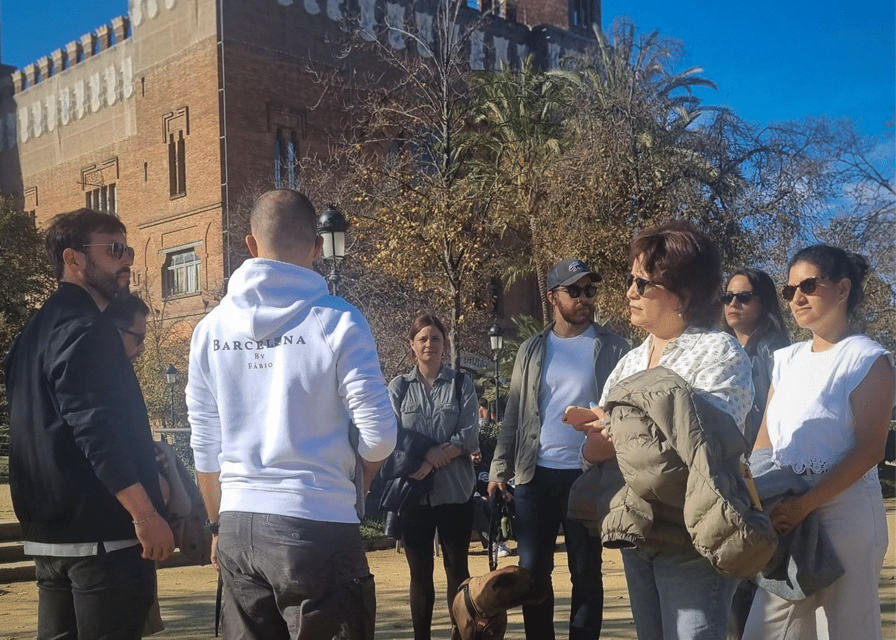
- Private groups of up to eight people keep the walk personal and make it easier to ask questions or change the route.
- Fábio is praised for his clear English, friendly manner, and local recommendations, and he also offers the tour in Portuguese, Spanish, and French.
- The route connects several centuries of Barcelona, from Roman remains and medieval churches to the Olympic-era waterfront.
- You can choose a lower route toward Barceloneta or an upper route toward Passeig de Gracia, depending on your interests and energy.
- A shared tasting at La Boqueria includes local cheese, Iberian ham, and fresh fruit juice.
- Comfortable shoes matter, since this is a continuous city walk over two to three hours.
Why this makes a strong first Barcelona tour
Barcelona’s old center can feel confusing at first. Streets twist, neighborhoods change names quickly, and major sights often sit beside plain-looking doorways or quiet courtyards. A private guide gives you a useful framework, so you are not simply ticking off monuments without understanding how they fit together.
I like the way this experience moves from the Arc de Triomf through Ciutadella Park, El Born, La Ribera, the Gothic Quarter, La Rambla, and beyond. You get a sense of how Barcelona grew from a Roman settlement into a medieval trading city and then into the modern capital of Catalonia.
The private format is important here. With a maximum of eight participants, you can stop to ask about Catalan traditions, Gaudí, food, safety, or places to eat later. Fábio is repeatedly praised for adapting the walk to different ages and interests. Families, couples, solo visitors, and small groups can all ask for more history, more shopping time, more food advice, or a slower pace.
Several people also appreciated his practical help beyond the official route. He has suggested restaurants, nightlife areas, sightseeing spots, and places to avoid for safety reasons. He has also helped with taxis and taken photos during the walk. Those small services can be especially useful on your first day in Barcelona.
More Walking Tours in Barcelona
- Barcelona Tapas and Wine Experience Small-Group Walking Tour
★ 5.0 · 5,804 reviews - Barcelona: Tapas Walking Tour with Food, Wine, and History
★ 4.8 · 4,261 reviews - Barcelona Tapas Walking Tour: Food, Wine & History
★ 4.5 · 1,928 reviews
Starting at Arc de Triomf and Ciutadella Park
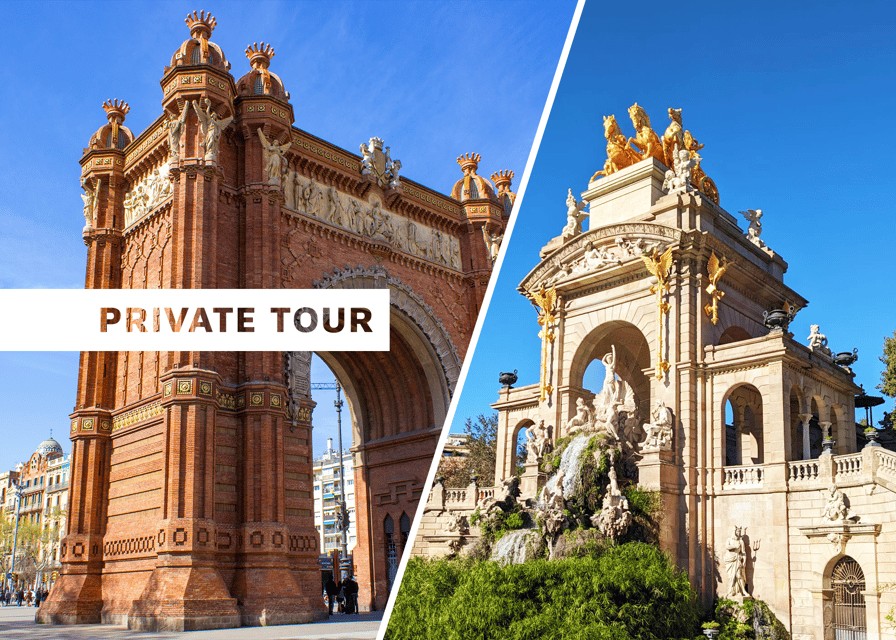
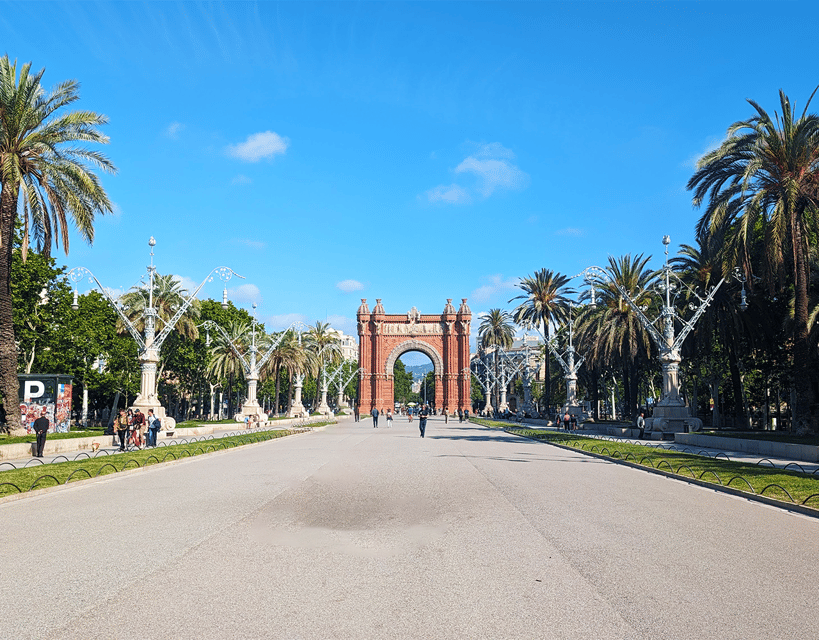
One meeting option is the Arc de Triomf, an impressive red-brick gateway built for the 1888 Barcelona Universal Exposition. From here, the walk begins with a pleasant change of pace in Ciutadella Park.
The park is a welcome patch of trees, paths, and open space in the middle of the city. Your guide uses it to explain Barcelona’s urban development and to introduce the city before the streets become tighter and busier. It is also a good place to settle into the walking pace before reaching the older neighborhoods.
This opening works well for families and anyone who wants a little breathing room at the start. If you prefer to begin directly among medieval squares, you can select the Plaça de Sant Jaume meeting option instead. Check the exact starting point when booking, since it depends on the option you choose.
El Born and La Ribera, Barcelona’s former trading center
From the park, the route moves into El Born and La Ribera. These neighborhoods once formed an important commercial center, and their narrow streets still reveal the shape of an older Barcelona.
The guide does more than point out handsome buildings. You can expect stories about trade, local life, religious institutions, and how the city changed across the centuries. This is one of the parts I value most because El Born rewards explanation. Without context, it can look like a collection of fashionable lanes and attractive stone buildings. With context, the neighborhood becomes a record of Barcelona’s economic and social growth.
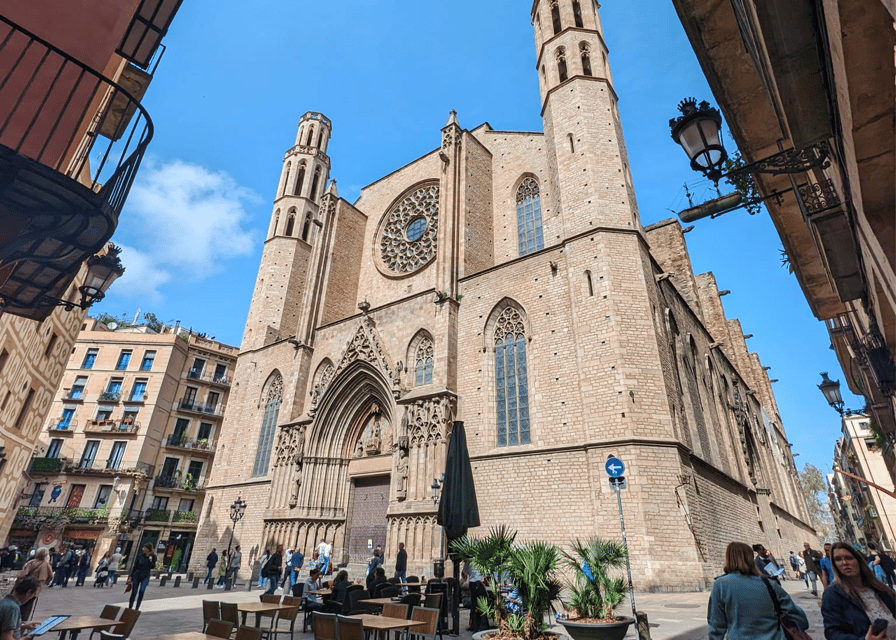
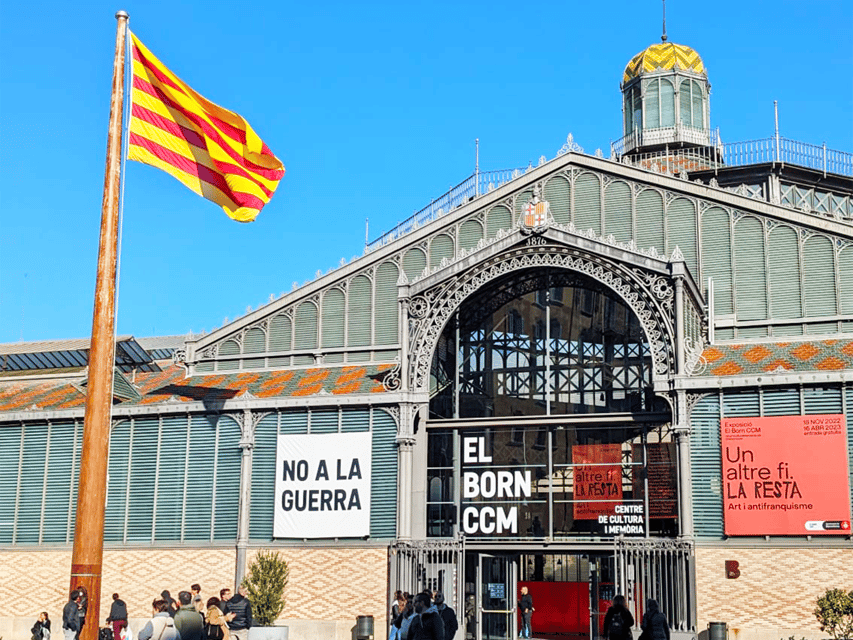
The route includes the Born Cultural Center, a notable place for understanding the area’s earlier urban fabric. There is also time, depending on the pace, to enter the Basilica of Santa Maria del Mar without an additional charge during the tour. This church is one of the key stops in La Ribera, and even a short visit gives the walk a welcome interior moment after so much outdoor sightseeing.
You should not assume that every interior visit is guaranteed. The schedule depends on the length selected, the walking speed, and conditions at the church. If Santa Maria del Mar is a priority, tell your guide early.
A secret Roman stop and the Gothic Quarter
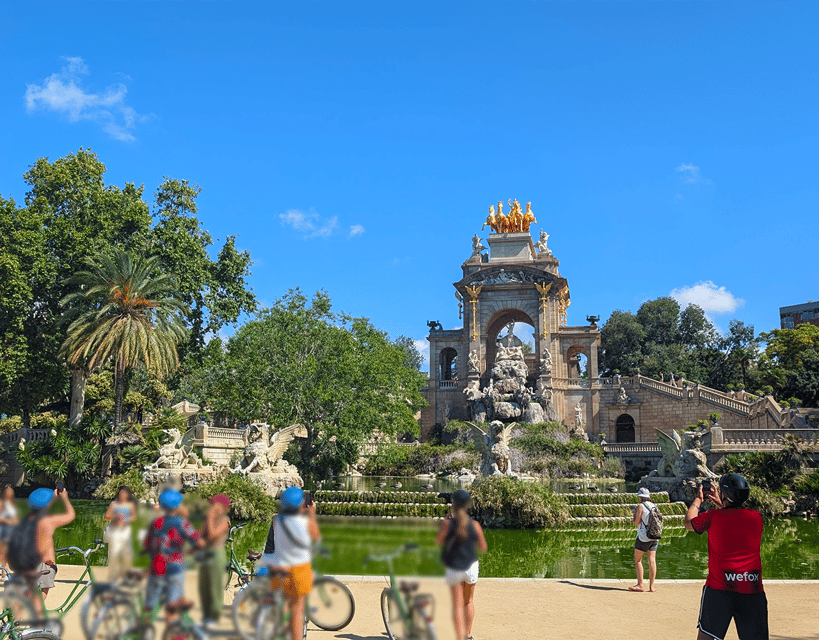
The tour then shifts from medieval Barcelona to the city’s Roman foundations. A less publicized stop includes Roman ruins, giving you a chance to see an older layer of the city away from the most obvious monuments.
This is where a private guide can be more useful than a large group. Fábio has been praised for taking people to places they would likely walk past without noticing, including Roman remains in a quieter setting. The exact secret stop is not specified in advance, so you should treat it as a flexible discovery rather than a promised named attraction.
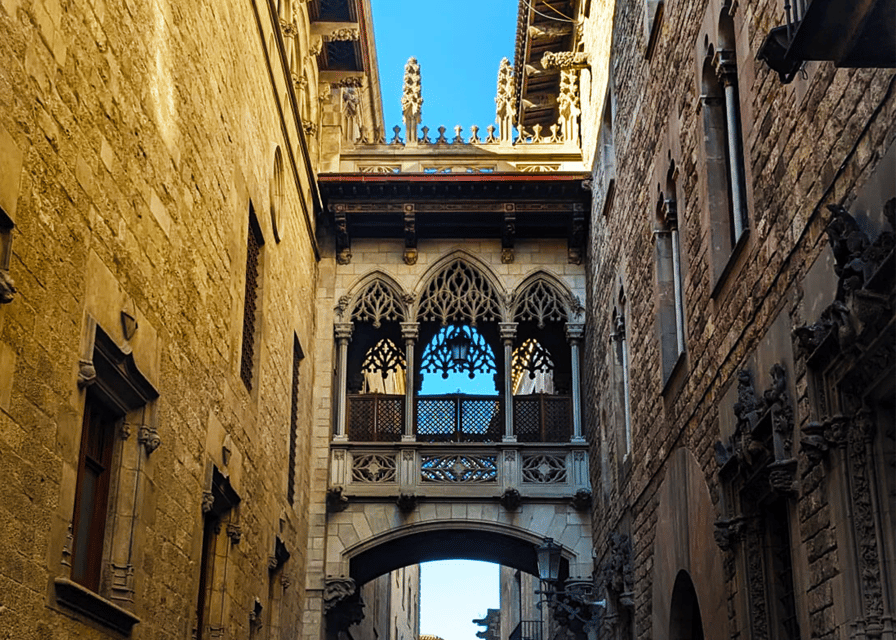
The Gothic Quarter brings a concentrated run of major sites. The route includes Plaça del Rei, once tied to the royal residence, along with Plaça Sant Jaume, Barcelona’s civic and political center. These plazas help explain the city’s medieval power structure and its continuing importance in Catalan public life.
You will also see Barcelona Cathedral, dedicated to Santa Eulalia, and the ancient Temple of Augustus. The contrast is striking. Within a short walk, you move from Roman columns to medieval stonework and then into squares still used for modern civic life.
Same base, a different kind of afternoon:
- Barcelona: Sagrada Familia Entry Ticket with Audio Guide
★ 4.6 · 105,312 reviews - Barcelona: Park Güell Admission Ticket
★ 4.4 · 76,534 reviews - Barcelona: Casa Batlló Entry with Self-Audioguide Tour
★ 4.7 · 25,359 reviews - Barcelona: 24 or 48-Hour Hop-On Hop-Off Bus Tour
★ 4.4 · 20,872 reviews
Plaça de Sant Felip Neri and the value of looking up
Plaça de Sant Felip Neri is one of the more atmospheric stops in the Gothic Quarter. The small square is easy to miss, partly because the surrounding lanes are so narrow and irregular.
Your guide adds meaning to details that do not announce themselves. This is a recurring strength of the route. You are encouraged to look at doorways, walls, fountains, church façades, and architectural fragments rather than only the famous postcard views.
The Gothic Quarter is not a simple open-air museum. It is an active part of the city, with shops, residents, restaurants, and steady foot traffic. That makes the walk feel connected to modern Barcelona, but it also means the narrow streets can be crowded and the pace may slow. A private group gives you more room to pause without holding up dozens of other people.
La Rambla and a tasting at La Boqueria
The narrow lanes eventually open onto La Rambla, Barcelona’s famous central promenade. It is a dramatic change from the enclosed streets of the Gothic Quarter, though it can also be the most hectic section of the walk.
The tour includes a stop at La Boqueria market, where you share tastes of local products such as cheese, Iberian ham, and fruit juice. A small food stop is a useful part of a walking tour because it gives you a sensory introduction to Catalonia, not just a sequence of dates and buildings.
The tasting is modest rather than a full meal. You should plan lunch or dinner separately, especially if you choose the longer route. Market conditions can also affect the pace, so allow yourself time to stay afterward if you want to browse.
I like this stop for another reason: it gives Fábio a chance to offer food advice suited to your plans. Several people valued his restaurant suggestions, and that kind of guidance can prevent an expensive or disappointing meal later in your stay.
Two endings: Barceloneta or Passeig de Gracia
After La Boqueria, the walk can develop in two directions.
The lower route heads toward the Liceu Theatre, Plaça Reial, the Columbus Monument, Port Vell, and La Barceloneta. Plaça Reial is known for its arcades, palms, and lamps associated with Gaudí’s early work. The route then continues toward the waterfront and marina, ending near the beach.
This option suits you if you want to connect the old center with Barcelona’s modern seafront. The port and Barceloneta also offer a clear reminder that the city is not only about medieval streets and churches. Its waterfront was reshaped for the 1992 Olympics, helping create the modern public-facing coast you see today.
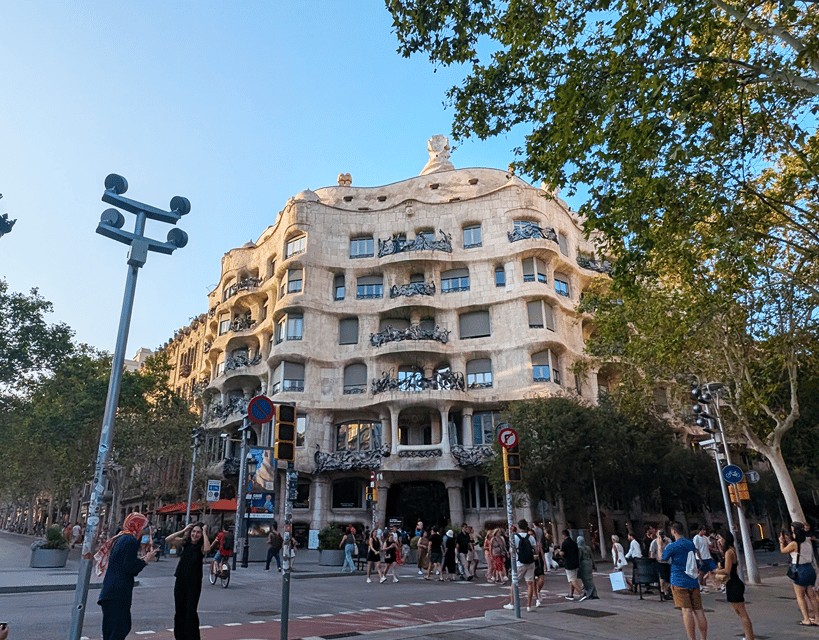
The upper route heads toward Plaça de Catalunya and Passeig de Gracia. Along the way, you may stop at a notable fountain to make a wish, then continue to see Casa Batlló and Casa Milà from the outside. These Gaudí façades are among Barcelona’s most recognizable sights, and viewing them from the street lets you appreciate their shapes without spending time or money on interior admissions.
This ending is a better choice if architecture is your main interest. It also leaves you in a useful central area for further sightseeing or shopping. Ask your guide which ending fits your schedule, since the route can be adapted to your priorities.
The tour information also refers to an ending by La Sagrada Familia in some versions of the experience. Since the detailed route describes Barceloneta or Passeig de Gracia, confirm the available ending before you book if the basilica is essential to your plans.
How much ground do you cover?
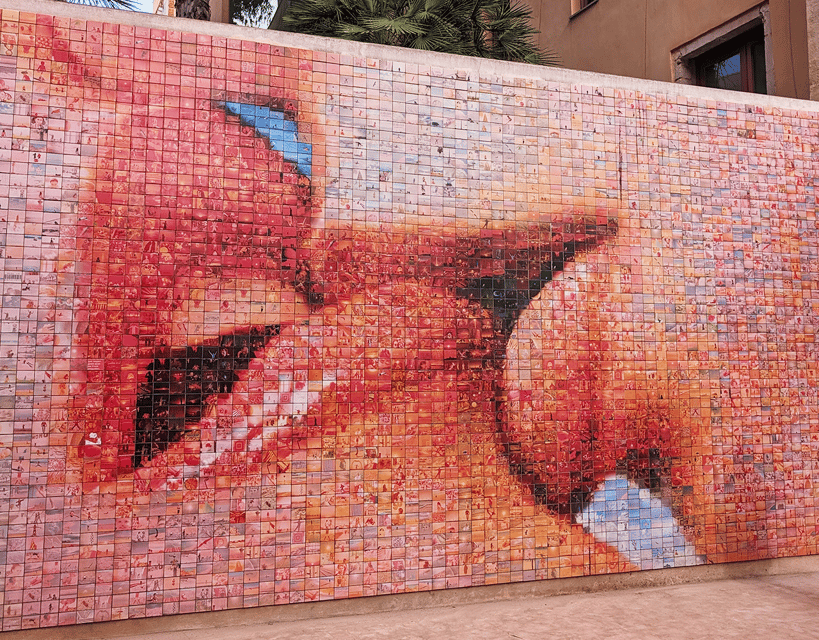
The tour lasts between two and three hours, with the longer version generally giving you more time for stops, questions, and route choices. It is not a museum tour with long indoor visits. It is a city walk built around streets, plazas, façades, churches, ruins, and short explanations.
You should expect regular walking through old streets, plus some standing while the guide explains a site. Comfortable shoes are essential. Sunscreen is sensible, and the provider supplies each person with a small eco-friendly bottle of water. One person also appreciated receiving umbrellas, though umbrellas are not listed as a standard inclusion, so do not rely on that.
The walk is wheelchair accessible, and dogs are welcome. Children under six can join free and do not count toward the eight-person limit. Families with older children and teenagers may find the mix of legends, Roman remains, food, and modern city life easier to enjoy than a strictly chronological history lecture.
What the guide adds to the experience
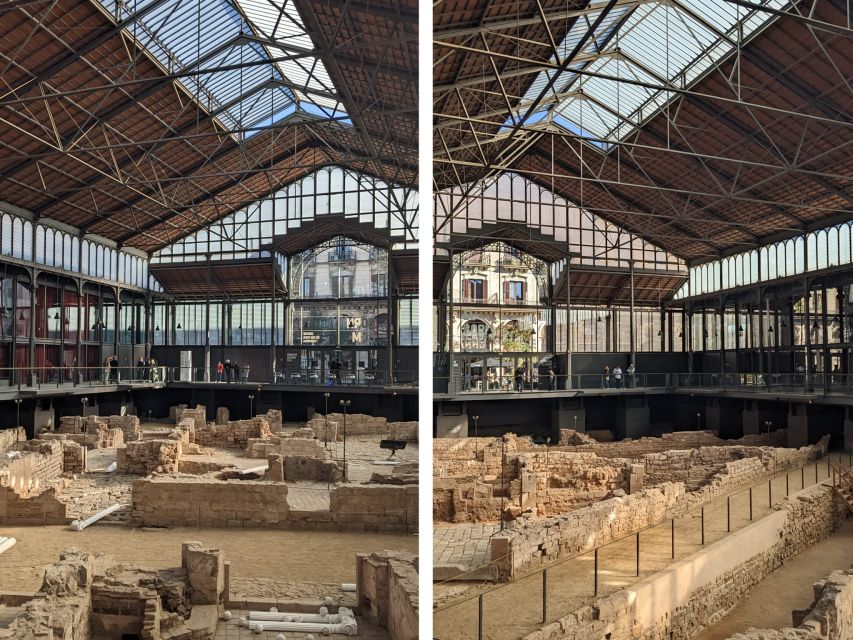
Fábio receives the strongest praise for his warmth, flexibility, and clear explanations. People describe him as patient with questions, easy to talk to, and able to adjust the route for parents, teenagers, couples, and solo visitors.
That matters because the subject is broad. Barcelona’s story can become a blur of Roman walls, medieval kings, Catalan traditions, and Gaudí architecture. A good guide keeps the information connected to the places in front of you and adds legends and current-day observations without turning the walk into a classroom.
His language range is another practical advantage. The tour is offered in English, Portuguese, Spanish, and French. If you have a preferred language, choose it when booking and confirm it in advance.
The personal recommendations are also valuable. Fábio has shared places to eat, nightlife suggestions, sightseeing ideas, safety advice, and shopping stops. If you are using this as a first-day orientation, keep a note on your phone so you do not lose the suggestions once the tour ends.
Is $50 per person good value?
At $50 per person, this is not the cheapest way to walk through Barcelona. A self-guided route costs little, and you can see many façades and squares without paying an admission fee.
The value comes from the private format and the range of neighborhoods covered. For a small group, you are paying for a flexible guide who can answer questions, adjust the pace, take photos, point out less obvious Roman remains, and help shape the rest of your visit. The included market tasting and water add a small practical benefit.
The price makes the most sense for a first visit, a short stay, or a group that wants one guide rather than several separate tours. It is less compelling if you already know the old town well or mainly want extended time inside museums and monuments, since attraction tickets are not included.
Hotel pickup and drop-off are not included, though they can be requested. You will need to reach the selected meeting point yourself.
Who should book this walk?
I would recommend it to first-time visitors who want to get their bearings quickly. The route gives you several neighborhoods, major landmarks, food orientation, and choices for what to do next.
It is also a good fit for families, small groups, solo visitors, and anyone who prefers conversation over a fixed script. The private setting makes it easier to slow down, ask basic questions, or request a little shopping time.
History fans will appreciate the progression from Roman Barcelona to the medieval city and then the modern waterfront. Architecture fans should consider the Passeig de Gracia ending for Casa Batlló and Casa Milà. Food-minded visitors will enjoy the La Boqueria stop, though it is a tasting rather than a complete meal.
I would be more cautious if you have limited mobility and prefer minimal walking, even though the experience is listed as wheelchair accessible. Ask about the exact route and ending before booking. I would also avoid treating this as a substitute for visiting Sagrada Familia, the cathedral interiors, or museums, since entrance tickets are separate and much of the tour is outdoors.
Should you book the Barcelona Old Town private tour?
Book it if you want a friendly, flexible introduction to Barcelona and value local advice as much as landmark photos. Fábio’s strongest qualities are his ability to explain the city clearly, adapt the route, and make a small group feel looked after.
Choose the two-hour version if you want a compact orientation. Choose the longer option if you want time for Santa Maria del Mar, La Boqueria, questions, and a choice between the waterfront and Gaudí’s modernist boulevard.
For $50 per person, it is best viewed as a private orientation rather than a full sightseeing pass. You get a useful first map of Barcelona, a few small discoveries, a taste of local food, and practical ideas for the rest of your stay. That is a fair deal for a first morning or afternoon in the city.
FAQ
How long does the Barcelona Old Town private tour last?
The tour lasts between two and three hours. The available duration and starting times depend on the option you select.
Where does the tour begin?
The meeting point may be Arc de Triomf or Plaça de Sant Jaume, depending on the option booked.
What neighborhoods does the tour visit?
The route includes Ciutadella Park, El Born, La Ribera, the Gothic Quarter, La Rambla, and either the Barceloneta and Port Vell area or Plaça de Catalunya and Passeig de Gracia.
Is the La Boqueria tasting included?
Yes. The tour includes shared tastes of local products at La Boqueria, including cheese, Iberian ham, and fruit juice.
Are attraction tickets included?
No. Tickets for attractions, museums, and monuments are not included. They can be requested separately.
What languages does the guide speak?
The tour is available in English, Portuguese, Spanish, and French.
Is the tour private?
Yes. It is a private group experience with a maximum of eight participants. Children under six are free and do not count toward that limit.
Can I bring a dog or use a wheelchair?
The experience is listed as pet-friendly and wheelchair accessible. Comfortable shoes and sunscreen are recommended.
Recently listed in Barcelona
- Park Guell Guided Tour with Skip the Line Tickets★ 4.0 · 739 reviews
- Transfers From Cruise Port to Barcelona Airport★ 4.5 · 155 reviews
- Bohemian Barcelona Neighborhood Evening Tapas & Wine Tour★ 5.0 · 419 reviews
- Barcelona Sunset Cruise with Light Snacks and Open Bar★ 5.0 · 476 reviews
- Montserrat very early : Hiking, Abbey, very small group★ 5.0 · 127 reviews
- Barcelona: Sagrada Familia, Park Guell & Tapas Private Tour★ 5.0 · 903 reviews
- Authentic Flamenco Show Barcelona : Intimate Casa Sors Experience★ 5.0 · 809 reviews
- Barcelona Expert Tour with Local Guide in Eco Tuk Tuk Private★ 5.0 · 216 reviews
Walking Tours, compared.
Barcelona Tapas and Wine Experience Small-Group Walking Tour
Read our review →
Tapas Walking Tour with Food, Wine, and History
Read our review →
Albaicín and Sacromonte Guided Sunset Walking Tour
Read our review →
Toledo Tour & Vineyard Walk with Wine Tasting from Madrid
Read our review →
Madrid Walking Tour from Puerta del Sol to Retiro Park
Read our review →
Barcelona Tapas Walking Tour: Food, Wine & History
Read our review →
Madrid Old Town & Royal Palace Walking Tour Skip the Line Ticket
Read our review →
Browse the lists this tour appears in