
Reviewed · GRANADA TOURS
Granada: Moorish Monuments Entrance Tickets
Small sites, big Granada stories. This self-guided ticket links five Moorish monuments around and near the Albaicín, giving you a closer look at Arab baths, a palace, a merchant hostel, a former hospital, and a traditional house. I especially like the freedom to visit each place in any order, and the chance to wander Granada’s narrow cobbled streets between stops. The main drawback is the lack of useful explanation: there is no guide or audio guide included, and several sites have very little signage.
The Bañuelo is the clear star, with its elegant arches and well-preserved bathing rooms. I also like the way the ticket takes you beyond Granada’s headline attractions to places many people might otherwise miss. But you need to plan your own route, cover the sites in one day, and remember that admission is free on Sundays, which changes the value calculation.
In This Review
- Key points to know before you go
- Five Moorish sites in one Granada ticket
- Bañuelo: Granada’s best preserved Arab bathhouse
- Corral del Carbón and Granada’s trading life
- Maristán, a former hospital from the 14th century
- Casa Morisca de Horno de Oro
- Dar al-Horra Palace and the royal finish
- Planning the walking route through the Albaicín
- How much value do you get for $14?
- The self-guided format: freedom with a thin layer of information
- Who will enjoy this Granada experience?
- Should you book the Moorish Monuments ticket?
- FAQ
- How long is the Granada Moorish Monuments ticket valid?
- Which monuments are included?
- Can I visit the monuments in any order?
- Is a guide or audio guide included?
- Are the monuments free on Sundays?
- What should I bring?
Key points to know before you go
- Five Moorish-era sites are included: Bañuelo, Corral del Carbón, Maristán, Casa Morisca de Horno de Oro, and Dar al-Horra Palace.
- The Bañuelo is the strongest stop: Its old bathing chambers are among the best-preserved Arab bathhouses in the region.
- This is a self-guided visit: No tour guide or audio guide is included, and on-site information can be limited.
- You make your own route: The monuments can be visited in any order, but you must reach each one yourself.
- The ticket lasts one day: It costs about $14 per person, but all sites are free on Sundays.
- Allow plenty of walking time: The sites are spread through Granada’s historic center and Albaicín area.
Five Moorish sites in one Granada ticket
This is not a guided tour with a set departure time or a group following a flag through the streets. It is a one-day admission pass. You receive access to five historic places and make your own way between them.
That freedom is useful in Granada, where your schedule can change quickly. You might spend longer than planned at a viewpoint, stop for lunch, or need a break from the Albaicín’s slopes and stone streets. You can arrange the monuments around the rest of your day rather than working around a guide’s timetable.
The tradeoff is simple. You get independence, but you also get less context. The ticket includes entry only. It does not include a human guide or an audio guide, and the information inside some monuments is sparse. I would treat this as a sightseeing pass for independent visitors, not as a complete history lesson.
The five stops do not all have equal appeal. Bañuelo and Dar al-Horra Palace offer the most memorable architecture. Corral del Carbón gives you a strong sense of commerce and daily movement. Casa Morisca is a compact look at domestic life, while Maristán has an important story but may feel less rewarding if you want richly explained interiors.
A few more Granada ideas to compare
- Granada: Alhambra & Nasrid Palaces Tour with Tickets
★ 4.7 · 19,801 reviews - Granada: Alhambra and Nasrid Palaces Entry Ticket
★ 4.6 · 15,130 reviews - Granada: Alhambra & Generalife Fast-Track Guided Tour
★ 4.7 · 8,313 reviews
Bañuelo: Granada’s best preserved Arab bathhouse
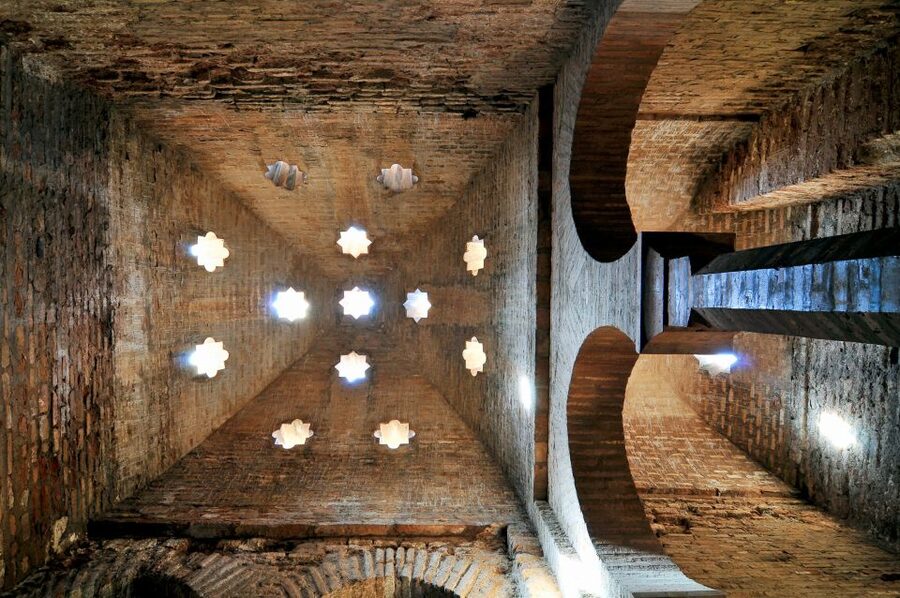
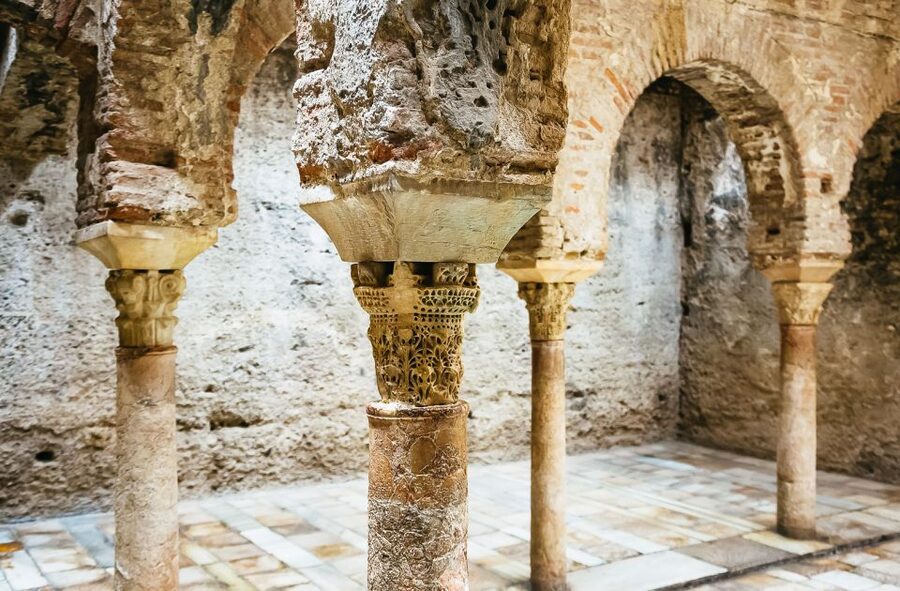
Start with Bañuelo if you want the strongest first impression. This old bathhouse preserves the spaces where people once gathered for washing and ritual bathing, and its architecture does much of the talking.
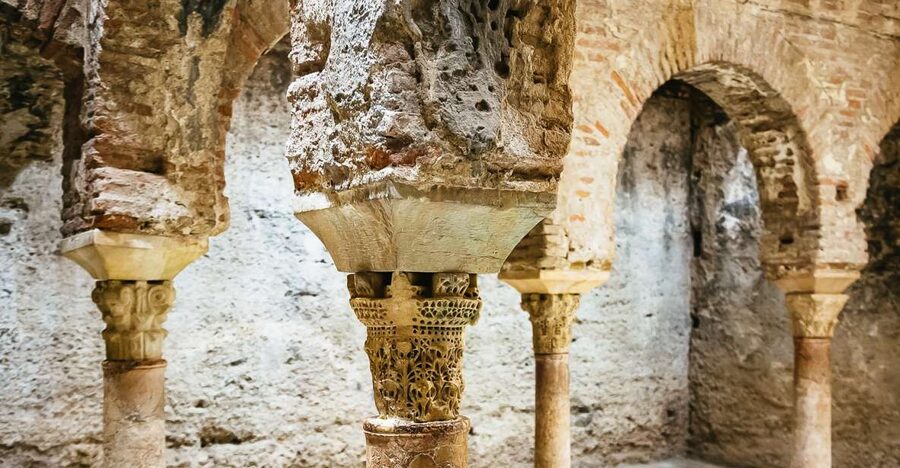
Look closely at the ceiling openings and the repeating arches. The rooms are built around a rhythm of stone, brick, shadow, and filtered light. Even without a guide, you can see how the design helped create a calm, enclosed bathing environment.
The baths are especially valuable because they connect grand Moorish architecture with ordinary urban life. Palaces tell you how rulers lived. A bathhouse tells you something about the routines of a wider community.
The drawback is the shortage of explanation. One visitor specifically found the baths beautiful but wished for information about the different rooms. That is a fair criticism. Without labels or an audio guide, you may understand the shape of the building more easily than its exact function.
Give Bañuelo enough time to look beyond the first room. Pause in each chamber and consider how the spaces relate to one another. If you rush through, the visit can seem brief. If you study the construction, it becomes one of the most satisfying stops on the pass.
Corral del Carbón and Granada’s trading life
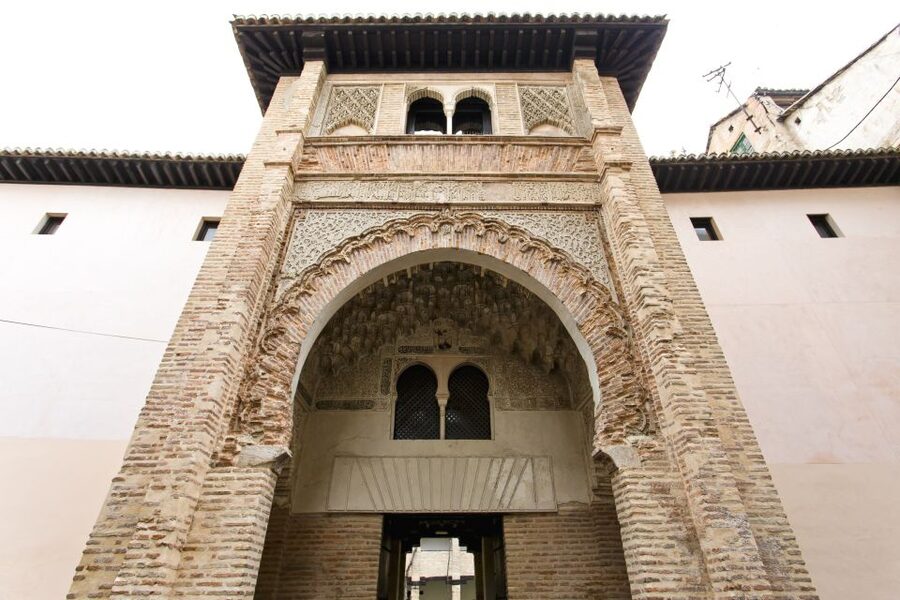
Corral del Carbón offers a different picture of Moorish Granada. This was an old traders’ market, grain depot, warehouse, and lodging place for people passing through the city.
The entrance facade is the main architectural treat. Walk through the gateway slowly and look at the detail before moving into the interior. The building’s purpose was practical, but the entryway shows that useful places could still receive careful design.
This stop helps balance the palace-focused parts of the experience. Granada was not only a court of sultans and a city of grand religious and residential buildings. It was also a working place where goods arrived, were stored, bought, and sold.
You may find Corral del Carbón more interesting if you already know what to look for. Since the visit is self-guided, the building will not explain every part of its past for you. Think of it as a short, atmospheric stop that works well when combined with the nearby streets and other monuments.
Maristán, a former hospital from the 14th century
Maristán was founded as a hospital by Sultan Muhammad V in the 14th century. That fact gives the site real importance, since it points to medical care and public institutions in Moorish Granada, not just royal life.
The building is worth seeing for the story it carries. It adds a social dimension to the ticket and reminds you that the city’s past included hospitals and organized care. For many people, this will be a more unusual subject than palaces or baths.
Still, Maristán may not offer the same immediate visual reward as Bañuelo. One critical assessment found the former hospital less valuable without better interpretation. I understand that reaction. If you arrive expecting a fully furnished museum or a large collection of displays, you may leave underwhelmed.
Go for the context rather than spectacle. Maristán is best for you if you like tracing how a city worked, including the institutions that served people outside the royal household. It is less compelling if your main goal is a sequence of ornate rooms.
Same base, a different kind of afternoon:
- Granada: Alhambra & Gardens Tour w/Nasrid Palaces Option
★ 4.5 · 6,437 reviews - Granada: Alhambra Entry Ticket with Audio Guide
★ 4.1 · 5,950 reviews - Granada: Flamenco Show in La Alboreá
★ 4.7 · 5,423 reviews - Fast-Track Alhambra & Nasrid Palaces Guided Tour
★ 4.7 · 4,379 reviews
Casa Morisca de Horno de Oro
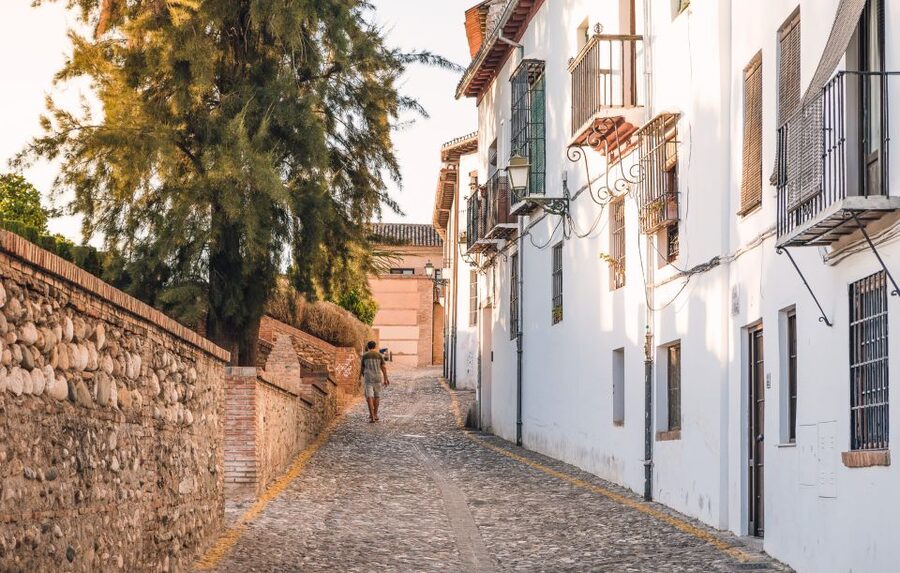
Casa Morisca de Horno de Oro gives you a look at Moorish domestic architecture. This well-preserved house is more intimate than a palace, and its scale helps you imagine everyday residential space rather than formal court life.
The house also offers views toward the Alhambra, an important reminder that Granada’s monuments do not exist in isolation. From this part of the city, the relationship between homes, historic streets, and the royal complex becomes part of the experience.
I like this stop because it changes the pace. After the public setting of a market and the specialized rooms of a bathhouse, a house lets you focus on domestic design and the way a residence can be arranged around inward-looking spaces.
But keep your expectations measured. The visit is compact, and the lack of written or audio information can make the house feel short on explanation. If you want to get more from it, slow down and pay attention to proportions, doorways, windows, and the view rather than expecting a large collection of objects.
Dar al-Horra Palace and the royal finish
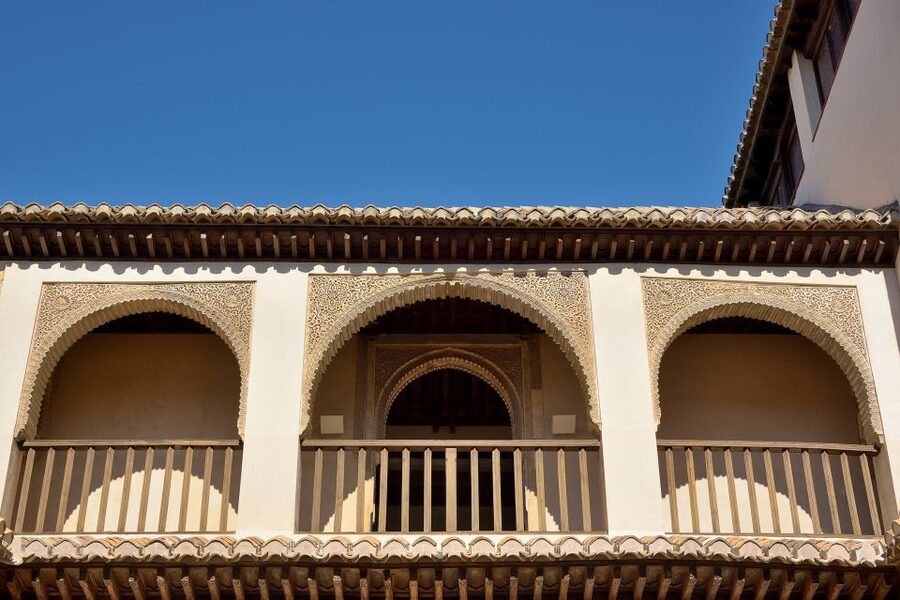
Dar al-Horra Palace was a Nasrid residence and the former home of a sultan. It is the most overtly royal stop in the group, giving you a chance to walk through rooms connected with Granada’s ruling family.
The palace is a fitting final stop because it brings you back to the world of power and residence after the more practical settings of the market, hospital, baths, and house. Its rooms help complete the picture of Moorish Granada as both a working city and a royal center.
The word palace can create inflated expectations, so keep the scale in mind. This ticket does not replace a visit to Granada’s major Alhambra complex. Dar al-Horra is a separate Nasrid residence, and its appeal comes from its setting and historical connection rather than the size of the site.
Take your time with the transition between rooms. The self-guided format lets you notice details at your own pace, but it also means you must supply much of the story yourself. If you have read even a little about the Nasrid period before arriving, the palace will likely make more sense.
Planning the walking route through the Albaicín
You do not meet a guide at one central point. You make your own way to each monument, and the sites can be visited in any order.
That arrangement is both the pass’s strength and its main practical challenge. Granada’s old quarters are made for wandering, but the streets are narrow, cobbled, and not arranged like a simple museum corridor. The five sites are not one compact building complex.
Plan for a good walk. A Canadian visitor praised the chance to find less familiar places but advised allowing plenty of time to cover the route. That is the right approach. Do not squeeze all five visits into a rushed gap between major attractions.
A sensible strategy is to group the stops geographically as much as possible, then use the walk between them as part of the day. You can also visit the monuments in the order that fits your energy and other plans. The ticket does not force a sequence.
Before setting out, check the opening times and the available starting times shown when you book. The ticket is valid for one day only, so you cannot spread the five entries over several days. Bring your passport or identity card, since identification is required.
How much value do you get for $14?
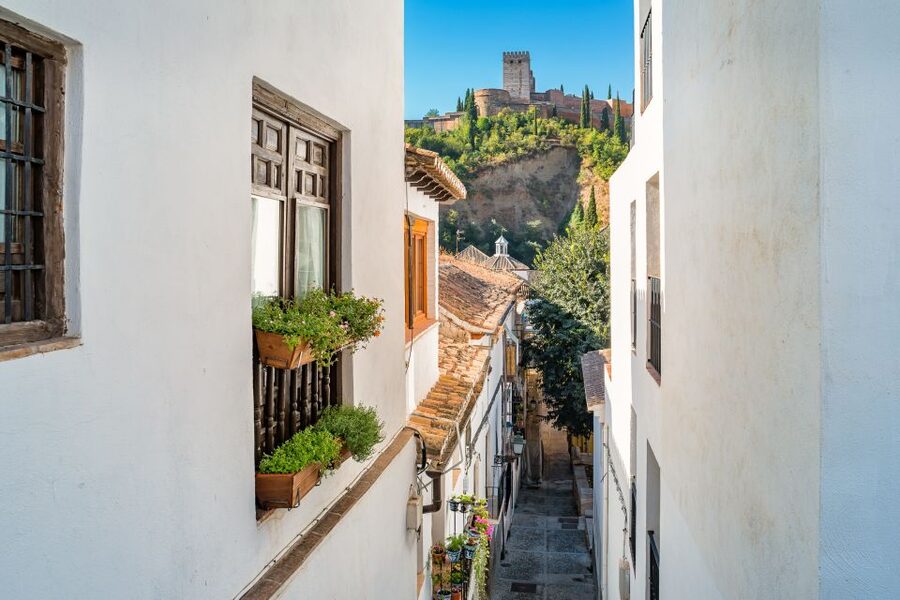
At about $14 per person, the pass is reasonably priced if you visit most or all of the included sites. Five admissions for one fee can make sense, especially if you enjoy architecture and prefer a flexible day without a paid guide.
The value falls if you only care about one or two monuments. Bañuelo may be enough to justify a separate visit for some people, while Maristán or Casa Morisca may not hold your attention for long without more interpretation. The pass works best when you see the collection as a connected portrait of Moorish Granada rather than judging every stop as a major attraction.
Sunday is the key exception. Admission to all the monuments is free on Sundays, so paying $14 for this ticket that day would make little financial sense. If Sunday is available to you, check the opening arrangements and visit independently.
The ticket also saves you the effort of buying separate admissions, but it does not buy convenience between sites. You still need to navigate the streets yourself. In practical terms, you are paying for bundled entry and flexibility, not transport, guiding, or special access beyond skipping the ticket line.
The self-guided format: freedom with a thin layer of information
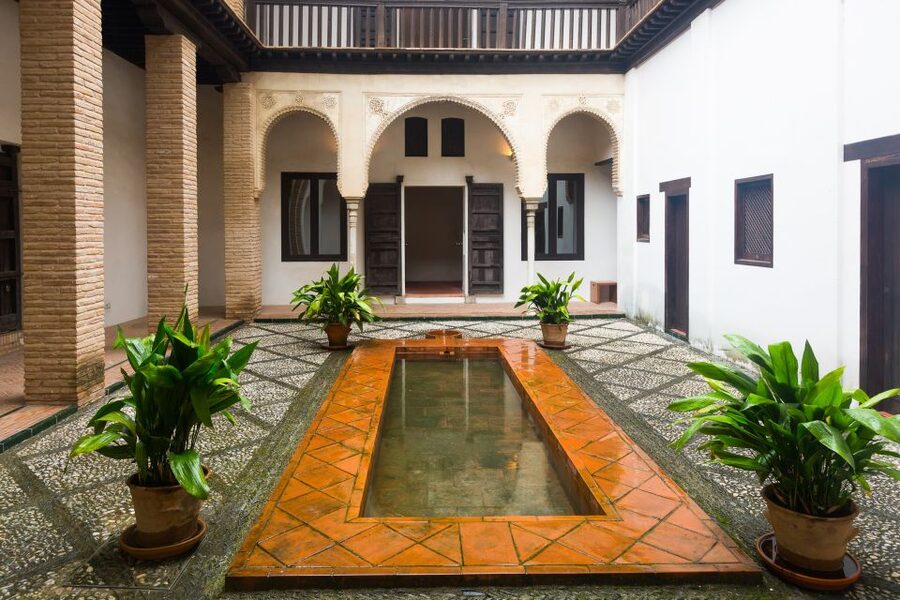
I like self-guided sightseeing when the buildings have enough signs to support independent exploration. Here, that support appears uneven.
The absence of a guide keeps the experience quiet and flexible. You can linger, move on, or return your attention to a detail without worrying about a group. You also avoid the fixed pace and broad commentary that often come with organized tours.
But several sites provide limited written information. A German visitor reported that there were hardly any signs and that the QR codes for audio guides did not work. Since an audio guide is not included, you should not count on digital commentary to fill every gap.
That makes preparation worthwhile. Read a short overview of Moorish Granada, the Nasrid dynasty, and the function of an Islamic bathhouse before you go. Even a small amount of background will help you understand why a market, hospital, residence, and private house belong in the same ticket.
For me, this is the central decision point. If you want a polished explanation at every stop, choose a guided option instead. If you enjoy making your own connections and looking carefully at buildings, the quiet format can work well.
Who will enjoy this Granada experience?
I would recommend the pass to independent history fans, architecture lovers, and repeat visitors who have already seen Granada’s biggest attractions. It also suits anyone who enjoys walking through old neighborhoods and discovering smaller historic sites at a relaxed pace.
Families can use it too, but keep the route and limited signage in mind. The booking allows a maximum of three children for each adult booking. Groups with more than three children must book separately.
This is not the best choice if you want a fully narrated tour, a tightly organized itinerary, or a single dramatic attraction. It is also a poor Sunday purchase because the monuments are free that day.
The rating of 3.7 out of 5 reflects that mixed experience well. The sites are worthwhile, particularly Bañuelo, but the ticket does not solve the challenge of understanding them. Your enjoyment will depend heavily on how much you value independent exploration.
Should you book the Moorish Monuments ticket?
Book it if you want to spend a full day walking through Granada’s older quarters and seeing more than the headline sights. At $14, it offers fair value when you visit all five monuments, and the order-free format lets you build the day around your own plans.
I would give Bañuelo the highest priority, followed by Dar al-Horra Palace and Corral del Carbón. Add Casa Morisca and Maristán if you want a broader view of daily life, trade, housing, health care, and royal power.
Skip the ticket if Sunday is your sightseeing day, if you dislike limited signage, or if you want a guide to explain every room. For everyone else, bring identification, allow time for a good walk, and arrive with a little background reading. The buildings will reward your attention, but they will not always explain themselves.
FAQ
How long is the Granada Moorish Monuments ticket valid?
The ticket is valid for one day only. You must visit all the included monuments on the same day.
Which monuments are included?
Admission covers Corral del Carbón, Bañuelo, Casa Morisca on Horno de Oro Street, Dar al-Horra Palace, and Maristán.
Can I visit the monuments in any order?
Yes. You make your own way to each site, and you can visit the monuments in any order.
Is a guide or audio guide included?
No. The ticket includes entry to the monuments but does not include a tour guide or audio guide.
Are the monuments free on Sundays?
Yes. Admission to all the included monuments is free on Sundays.
What should I bring?
Bring your passport or identity card. A maximum of three children is allowed for each adult booking, and bookings with more than three children must be made separately.
Recently listed in Granada
- Granada: Alhambra and Nasrid Palaces Private Tour★ 4.9 · 242 reviews
- Granada: Sacromonte Caves Flamenco Show with Dinner★ 4.4 · 156 reviews
- Sacromonte Caves Museum Admission Ticket★ 4.6 · 502 reviews
- From Granada: Alpujarra Villages Guided Day Tour★ 4.8 · 217 reviews
- From Granada: Alpujarra Mountain Villages Tour★ 4.7 · 298 reviews
- Granada: Historic Center and Lower Albaicin Walking Tour★ 4.7 · 136 reviews
- Granada: Fast-Track Alhambra & Nasrid Palaces Guided Tour★ 4.8 · 415 reviews
- Granada: Alhambra Palace Guided Tour★ 4.3 · 224 reviews
Granada Tours, compared.
Alhambra & Gardens Tour w/Nasrid Palaces Option
Read our review →

Fast-Track Alhambra & Nasrid Palaces Guided Tour
Read our review →
Skip The Line Alhambra and Generalife Guided Tour
Read our review →Browse the lists this tour appears in