
Reviewed · NERJA TOURS
La Herradura Coffee Farm: tour in Europe’s only plantation
Coffee grows in southern Spain. La Herradura Coffee Farm offers a rare look at Europe’s only coffee plantation, along with mangoes, avocados, dragon fruit, lychees, bananas, sugar cane, and many other crops. I like the personal feel of a family-run farm and the way owner Manuel mixes serious farming lessons with jokes and local stories. I also like that the tour ends in a 300-year-old Andalusian cortijo, where you can buy coffee and seasonal produce.
The main consideration is the terrain. Two steep sections require some effort, chairs are provided for rest, and the tour is not suitable for wheelchair users, people with mobility problems, low fitness, insect allergies, or heart problems. Also, the advertised duration is 70 minutes, while the walking visit may run closer to 1.5 hours, so allow a little extra time.
In This Review
- Key points to know before you go
- Why this coffee farm is unusual in Europe
- Walking through coffee, mangoes, and rare fruit
- The farm’s organic and regenerative approach
- Manuel’s storytelling makes the difference
- Sea views and a 300-year-old cortijo
- What the $17 price includes
- Getting there from La Herradura or Nerja
- Who will enjoy this tour most
- FAQ
- How long does the La Herradura Coffee Farm tour last?
- How much does the tour cost?
- Where is the coffee farm located?
- Is this really Europe’s only coffee farm?
- What plants and fruit can I see?
- Can I taste fresh fruit during the tour?
- Is coffee tasting included?
- Can I buy coffee or fruit afterward?
- Which languages are available?
- Is the farm accessible for wheelchairs?
- Should you book La Herradura Coffee Farm?
Key points to know before you go
- Europe’s only coffee plantation: See productive coffee plants growing just minutes from Nerja.
- Up to 30 types of exotic fruit: Mango, avocado, chirimoya, dragon fruit, lychee, banana, papaya, sugar cane, and more grow in the farm’s unusual microclimate.
- Manuel makes the tour personal: The owner leads much of the experience, sharing family history, farming experiments, and plenty of humor.
- A real working farm: Learn about organic cultivation, water use, permaculture, soil regeneration, harvesting, and roasting.
- Beautiful sea views: The plantation’s hillside setting gives you views toward La Herradura and the Mediterranean.
- Good value at $17: The price covers a guided farm walk and insight into an unusual local business, though food and drinks are not included.
Why this coffee farm is unusual in Europe

Coffee is usually linked with places such as Colombia, Ethiopia, Brazil, or Indonesia. Here, you can see coffee plants growing on the Costa Tropical of Andalusia, a short distance from La Herradura beach and roughly 10 minutes from Nerja.
The reason this works is the local microclimate. The area combines Mediterranean conditions, warm temperatures, sea air, hills, and enough shelter for tropical plants to grow. This does not turn the farm into a giant coffee estate. It is a diverse working plantation where coffee grows beside fruit trees and experimental crops.
That mix is what makes the visit more interesting than a standard coffee tasting. You are not simply shown a finished bag of beans. You see the plants, the surrounding crops, and the practical problems involved in growing coffee in an environment where it does not naturally dominate.
Manuel, also called Manolo by some visitors, is central to the experience. He is the farm owner and guide, and his enthusiasm comes through in the way he explains his work. He has a funny, relaxed style, but the information is serious. You learn how much care goes into coffee and tropical fruit production, and how much trial and error is involved in making the farm work.
A few more Spain ideas to compare
- Ría de Arousa: Boat Ride to Mussel Farm with Tasting
★ 4.7 · 845 reviews - Alicante : E-Bike Coast Tour, Roman Fish Farm and Snorkeling
★ 4.8 · 250 reviews
Walking through coffee, mangoes, and rare fruit
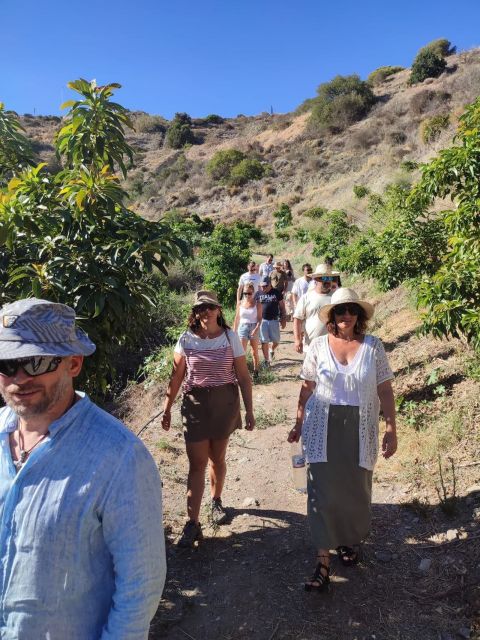
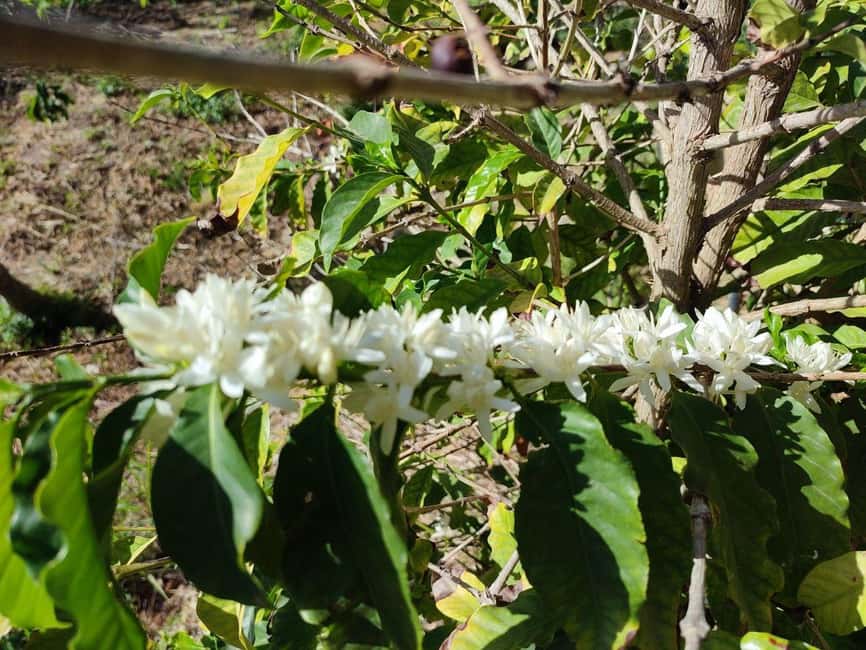
The tour begins at the farm meeting point and continues on foot through the plantation. The route gives you a close look at productive coffee plants, rather than just a decorative display.
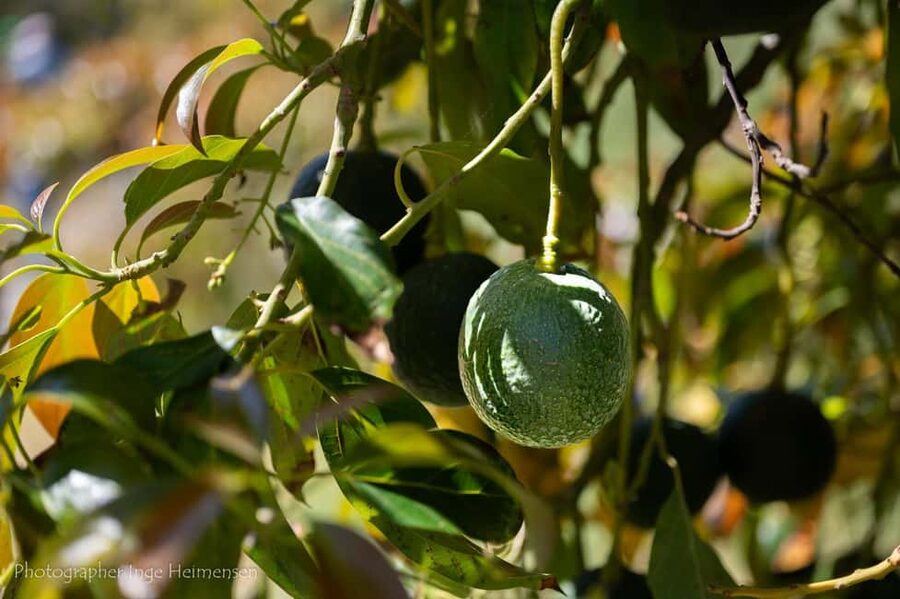
You will also see a wide range of tropical and subtropical crops. The farm includes Spain’s oldest mango tree, centennial chirimoya trees, dragon fruit, sugar cane, lychees, avocados, bananas, papayas, and several varieties of mango. The full collection can include up to 30 types of exotic fruit, depending on what is growing at the time.
This variety matters. A farm with many different plants behaves differently from a single-crop plantation. Manuel explains how mixed planting can support the health of the soil and reduce dependence on one harvest. The farm’s approach includes permaculture, soil regeneration, and careful water use.
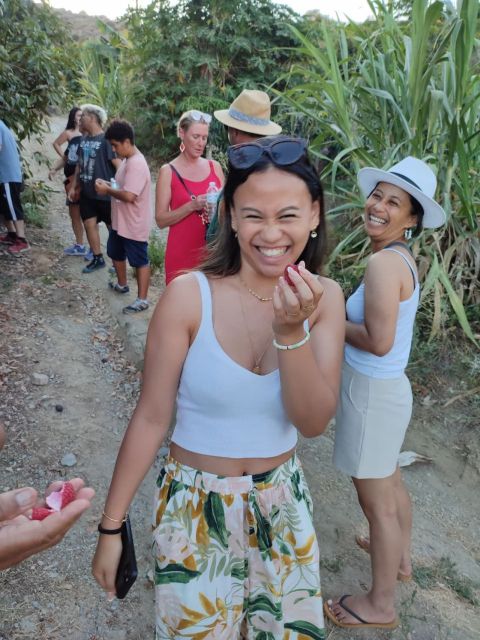
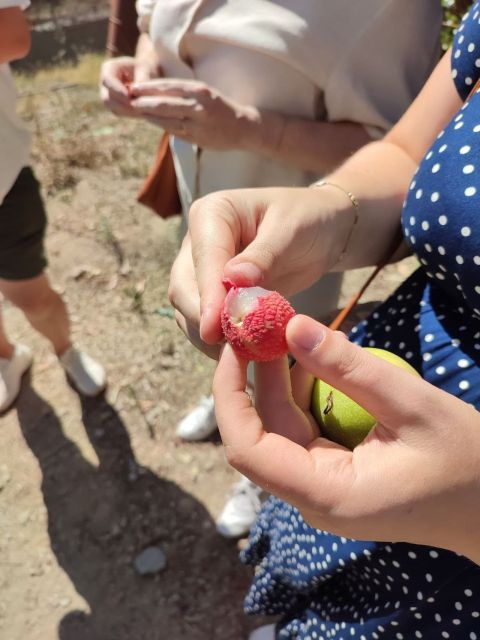
You may be able to smell or taste some of the plants and fresh fruit during the walk. Seasonal availability matters, so do not expect every fruit to be ripe on every visit. One family arrived hoping for fresh mango, only to find the crop was not ready, but still found the tour entertaining and worthwhile.
That is a useful point for families. The farm is not an amusement park with guaranteed tastings at every stop. It is a working agricultural site, and nature keeps its own timetable. Children who enjoy plants, unusual fruit, and hands-on learning should get plenty from it, but the exact tasting experience can change with the season.
The farm’s organic and regenerative approach
The best part of the tour for many visitors is the explanation of how the farm operates. You learn about the difficulty of developing an organic plantation in this setting, where water is limited and tropical crops can be demanding.
Manuel discusses ways to reduce water use and protect the soil. You also hear about regenerative methods and the challenge of keeping a varied plantation productive without relying on heavy chemical treatment. The focus is practical rather than academic. You see how environmental choices affect the daily work of a small farm.
The farm is described as organic and pesticide-free, with an emphasis on responsible cultivation. This does not mean the operation is effortless or perfectly predictable. Coffee, fruit, and soil all require close attention, and the guide is open about the hard work involved.
I appreciate that the tour presents sustainable farming as a series of decisions and compromises, not as a fashionable label. You get a better sense of why water optimization matters in Andalusia and why crop diversity can help a small farm manage risk.
The plantation also has some unusual experiments. Visitors have learned about dragon fruit and its night-time pollination, including the playful idea of helping with the flowers dressed as bats. That detail captures the spirit of the place: inventive, a little eccentric, and willing to test what can grow.
Manuel’s storytelling makes the difference
The farm would still be interesting without a lively guide, but Manuel gives it a human center. He explains the family’s connection to the land and the process of building the plantation over time.
His delivery is friendly and humorous. He has guided groups made up of English, Spanish, German, Dutch, and other nationalities, and he is praised for keeping different ages and backgrounds involved. He also speaks English, Spanish, French, and German, with live guiding available in those languages.
The style is informal. You can ask questions as you walk, and the tour feels more like a conversation with a passionate farmer than a formal lecture. That works especially well for families. Children can focus on the strange fruit and coffee plants, while adults can ask about cultivation, water, and the history of the property.
The guide’s personality is also why the tour appeals to people who are not especially interested in coffee. The subject expands quickly into local agriculture, family life, environmental pressures, and the practical business of running a small farm.
One small limitation is that the experience depends heavily on the guide. Manuel is often the host, but Sonia and other family members may also lead tours. The accounts of the visit consistently praise the warmth, humor, and personal attention of the guides, but the exact tone may vary slightly by day.
Same base, a different kind of afternoon:
- Barcelona: Sagrada Familia Entry Ticket with Audio Guide
★ 4.6 · 105,312 reviews - Barcelona: Park Güell Admission Ticket
★ 4.4 · 76,534 reviews - Seville: Royal Alcázar Entry Ticket
★ 4.6 · 28,378 reviews - Barcelona: Casa Batlló Entry with Self-Audioguide Tour
★ 4.7 · 25,359 reviews
Sea views and a 300-year-old cortijo
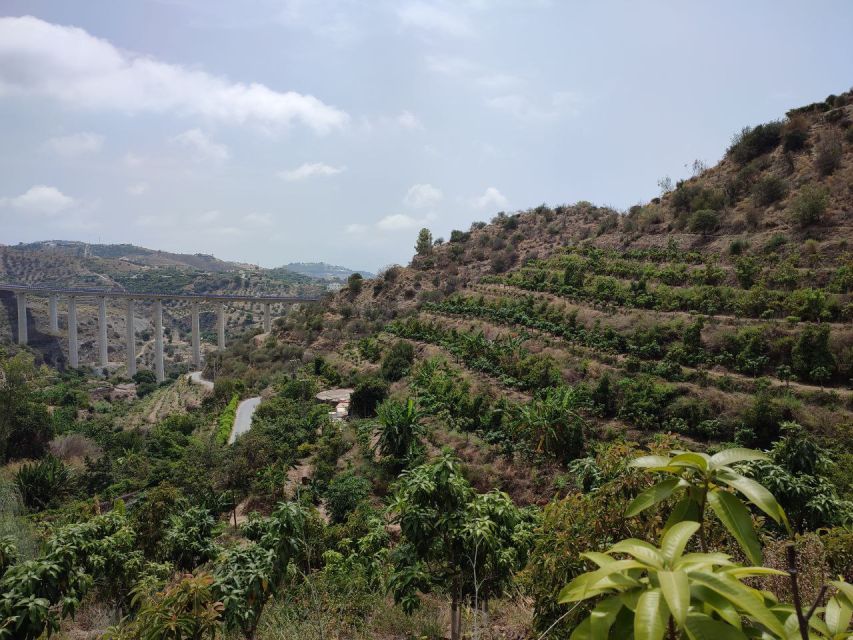
The plantation is set among hills above La Herradura, with views toward the coast. The Mediterranean breeze and sea outlook give the walk a pleasant sense of place, and they help explain why the area can support crops that seem out of place in Europe.
The setting is attractive, but remember that this is a farm first. Paths include two steep areas, and warm weather can make the climb feel harder. Wear comfortable shoes, bring sun protection, and take the offered pauses instead of rushing.
The tour finishes at a 300-year-old Andalusian cortijo. This ending gives the visit a traditional local touch and offers a natural place to browse farm products.
You can buy seasonal fruit, local goods, and coffee roasted by the farm. Products may include coffee beans, homemade jam, oil, smoothies, fresh fruit, and other items depending on availability. Some visitors have received complimentary fruit such as avocado or mango, but you should treat that as a generous extra rather than a guaranteed part of the booking.
The coffee purchase is particularly appealing because it lets you take home a product grown and roasted at the farm. The experience is more satisfying when you understand the work behind it, though the supplied details do not promise a formal coffee tasting during the tour.
What the $17 price includes
At $17 per person, this is a strong-value outing for the Nerja and La Herradura area. You get a guided visit to a highly unusual agricultural site, a look at coffee cultivation in Europe, an introduction to organic farming, and access to a broad range of tropical plants.
The price is especially fair if you enjoy meeting local producers rather than simply visiting major attractions. Your money supports a small family business, and the visit gives you direct contact with the people developing the farm.
The package does not include hotel transport, food, drinks, or a paella workshop. It is best understood as a guided walking tour, not a full meal or cooking activity.
The route and timing deserve attention. The activity is listed as 70 minutes, while the plantation walk is also described as lasting about 1.5 hours. Starting times vary, so check the schedule when booking and allow enough time for the longer estimate.
Getting there from La Herradura or Nerja
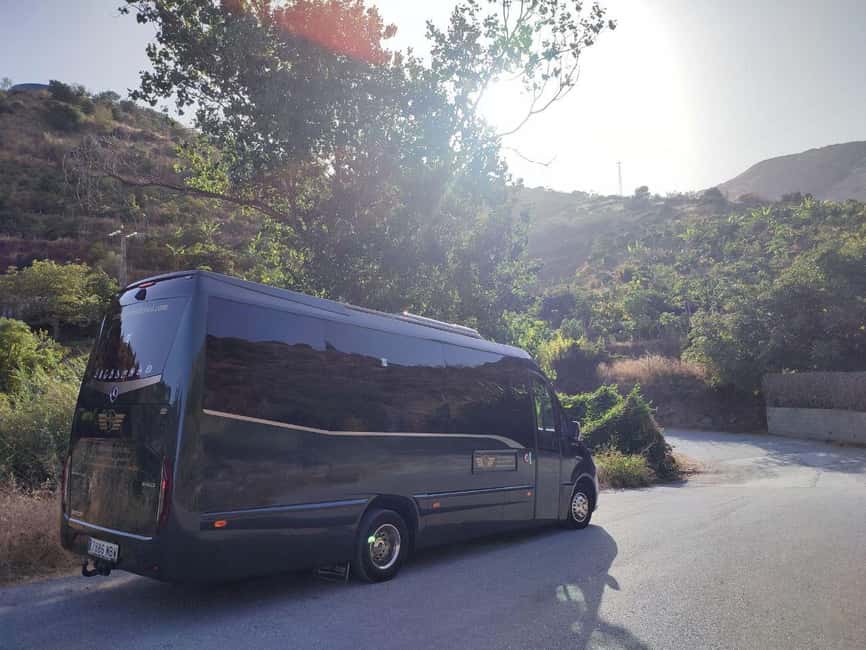
The farm is within walking distance of La Herradura beach and a short drive from Nerja. One visitor walked from La Herradura in about 30 to 35 minutes, arriving in the cooler morning hours.
You need to pay attention to the meeting point. The starting location and ending location are not necessarily the same, and the meeting point can vary according to the option booked. Confirm the exact address before setting out.
Transport after the tour deserves a little planning. A taxi can be arranged, but app-based services may not reliably collect you from the farm. One visitor found that Uber brought them out but would not take them back, while another praised Manuel for helping arrange a local taxi.
If you are not driving, book a return taxi in advance or ask the farm for help before the walk begins. Some visitors have received a lift back with other people from the group, but that should not be your plan.
Who will enjoy this tour most

I would recommend La Herradura Coffee Farm to you if you like local food, small farms, unusual plants, and practical environmental stories. It is also a good choice for families who want an activity that combines nature and learning without taking up a full day.
Coffee fans will enjoy seeing the plants at their source, but you do not need to be a coffee expert. The tour covers tropical fruit, family farming, local geography, soil, water, and sustainable production, so the subject stays varied.
It is less suitable if you want a polished indoor tasting with guaranteed samples. The route is outdoors, the terrain includes steep sections, and seasonal crops may not be ready to taste. People with insect allergies should also avoid the experience, and it is not suitable for wheelchair users or anyone with serious mobility limits, heart problems, or a low fitness level.
Bring comfortable shoes. In hot weather, sunscreen and water are sensible choices, even though only footwear is formally listed as essential. Smoking, fires, and littering are not allowed on the property.
FAQ
How long does the La Herradura Coffee Farm tour last?
The activity is listed as 70 minutes, while the walking plantation visit may last about 1.5 hours. Allow extra time so you are not rushed.
How much does the tour cost?
The price is $17 per person.
Where is the coffee farm located?
The farm is in La Herradura, Andalusia, near La Herradura beach and about 10 minutes from Nerja.
Is this really Europe’s only coffee farm?
The experience is presented as a visit to Europe’s only coffee farm.
What plants and fruit can I see?
You can see coffee, mangoes, avocados, chirimoyas, dragon fruit, lychees, bananas, papayas, sugar cane, and other tropical fruit. The plantation can contain up to 30 types of exotic fruit.
Can I taste fresh fruit during the tour?
You may have the chance to taste seasonal fruit, but availability depends on what is ripe during your visit.
Is coffee tasting included?
A formal coffee tasting is not listed as included. Freshly brewed coffee and other tastings are described as part of the experience, but the exact offering can vary.
Can I buy coffee or fruit afterward?
Yes. The tour ends at a 300-year-old Andalusian cortijo where you can buy farm-roasted coffee, seasonal fruit, and local products.
Which languages are available?
Tours are available in English, French, Spanish, and German.
Is the farm accessible for wheelchairs?
No. The tour is not suitable for wheelchair users or people with mobility impairments because the route includes two steep areas.
Should you book La Herradura Coffee Farm?
Book it if you want an affordable, personal outing near Nerja that feels connected to the local countryside. The strongest reasons are the rare coffee plants, the remarkable fruit collection, the sea views, and Manuel’s warm way of explaining the work.
I would skip it only if you need step-free access, guaranteed fruit tastings, or a formal coffee-focused presentation. For most people who can manage a short walk with two steep sections, this is a memorable way to see a working side of Andalusia that beaches and historic towns do not provide.
Recently listed in Spain
- Transfers From Cruise Port to Barcelona Airport★ 4.5 · 155 reviews
- Bohemian Barcelona Neighborhood Evening Tapas & Wine Tour★ 5.0 · 419 reviews
- Park Guell Guided Tour with Skip the Line Tickets★ 4.0 · 739 reviews
- Barcelona Sunset Cruise with Light Snacks and Open Bar★ 5.0 · 476 reviews
- Montserrat very early : Hiking, Abbey, very small group★ 5.0 · 127 reviews
- Barcelona: Sagrada Familia, Park Guell & Tapas Private Tour★ 5.0 · 903 reviews
- Authentic Flamenco Show Barcelona : Intimate Casa Sors Experience★ 5.0 · 809 reviews
- Barcelona Expert Tour with Local Guide in Eco Tuk Tuk Private★ 5.0 · 216 reviews
Nerja Tours, compared.
Guided Kayak Tour Nerja Cliffs and Maro Waterfall
Read our review →
La Herradura: Maro Cliffs Kayak and Snorkeling Tour
Read our review →
La Herradura: Cerro Gordo Natural Park Kayak & Snorkel Tour
Read our review →
Maro Waterfall Boat Trip with Paddleboarding & Drink
Read our review →Browse the lists this tour appears in