
Reviewed · GRANADA TOURS
Premium Scenic Daytrip to Alpujarra Villages from Granada (Max 8)
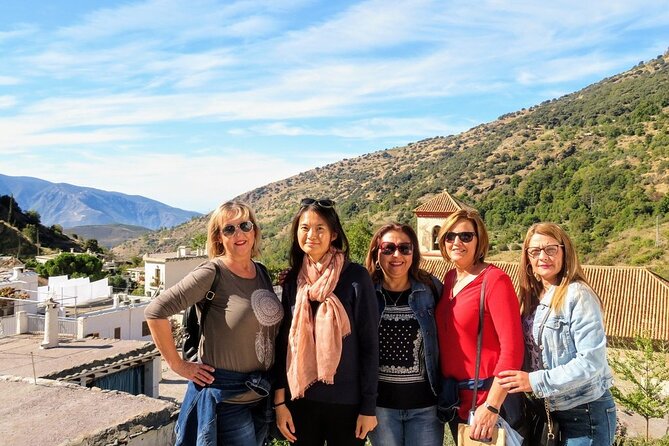
Trade Granada’s crowds for mountain air. This eight-hour Alpujarra day trip takes you by comfortable van into a quiet corner of Andalusia, with time in Capileira and Pampaneira, broad Sierra Nevada views, and stories about Moorish building traditions. I especially like the maximum of eight people and the generous village time, which make this feel more personal than a standard coach outing. I also like that guides such as Gonzalo and Carlos often add local stops and useful lunch advice.
The main caution is that the experience can be bilingual, and one poor seating arrangement caused a serious problem for an English-speaking passenger. The winding mountain roads, village walks, and changing weather also mean you should bring layers, water, and firm shoes.
In This Review
- The Alpujarra day trip at a glance
- Why the Alpujarra makes a good change from Granada
- Starting at Tablate Bridge, the old gateway
- Lanjarón and the first mountain pause
- Capileira, the highest village and best viewpoint
- Pampaneira, textiles, lunch, and wandering time
- Fuente Agria and the taste of local water
- Guides and the difference they make
- The van, group size, and comfort
- What the $139.13 price gives you
- Weather, walking, and what to bring
- Who should book this Alpujarra outing?
- Should you book it?
- FAQ
- How long does the Alpujarra day trip last?
- Where does the tour begin and end?
- How many people can join the tour?
- Is transportation included?
- Is lunch included in the price?
- Which villages are visited?
- Is the tour offered in English?
- What should I bring?
The Alpujarra day trip at a glance
- Small van, maximum eight people: The limited group size can make it easier to hear the guide, ask questions, and adjust the pace.
- Five scenic and cultural stops: The route includes Tablate Bridge, Lanjarón, Capileira, Pampaneira, and Fuente Agria.
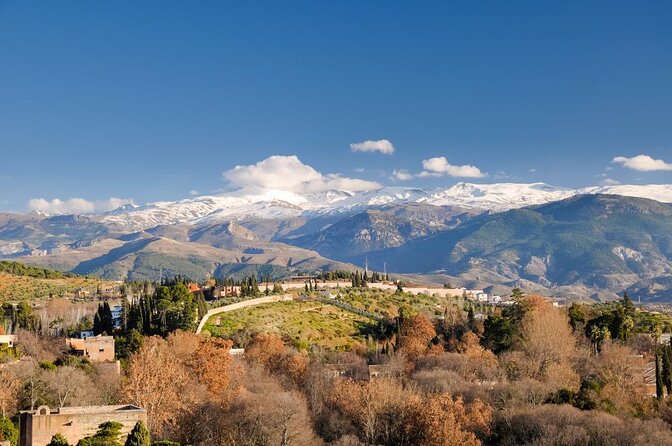
- Two hours in Capileira: This is the highest of the main villages visited, with fine views into the Poqueira gorge and toward Mulhacén in clear weather.
- Two hours in Pampaneira: You get time for lunch, local products, photographs, and jarapa textile shops.
- Guides add local color: Gonzalo, Carlos, Manuel, Jose, Enrique, and other guides are praised for safe driving, local knowledge, and personal attention.
- A practical Granada escape: The tour begins at 9:00 am and returns to the same central meeting point after about eight hours.
Why the Alpujarra makes a good change from Granada
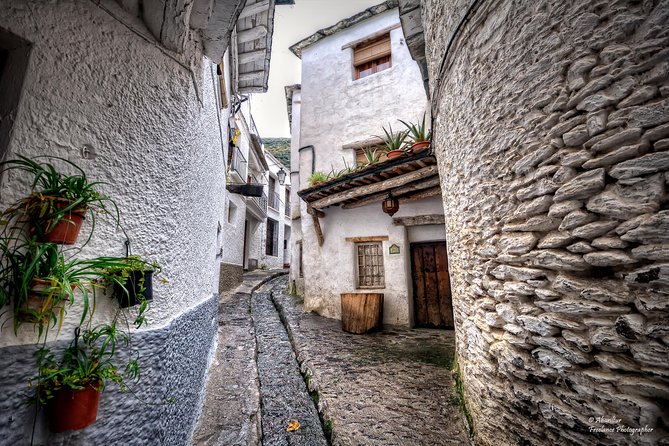
Granada is rightly famous for the Alhambra, but the Alpujarra shows you a different Andalusia. Here, the focus is on steep mountain villages, narrow streets, whitewashed houses, local crafts, and the long imprint of Moorish culture.
The villages sit in the southern folds of the Sierra Nevada. Their setting is the star, but the buildings matter just as much. Guides explain the older construction methods, the shape of the houses, and the traditions that helped these communities adapt to steep slopes and mountain weather.
I like this trip because it gives you more than a quick photo stop. You walk through three main villages, have free time to eat and shop, and stop at natural viewpoints along the way. The day feels like a trip into rural southern Spain rather than another drive between major monuments.
The small vehicle is important here. Some of the roads and detours are better suited to a van than a large coach, and Fuente Agria is described as accessible only to small vehicles. You will still spend a fair amount of time on winding roads, but the route is built around the mountain setting rather than treating the drive as dead time.
A few more Granada ideas to compare
- Granada: Alhambra & Nasrid Palaces Tour with Tickets
★ 4.7 · 19,801 reviews - Granada: Alhambra and Nasrid Palaces Entry Ticket
★ 4.6 · 15,130 reviews - Granada: Alhambra & Generalife Fast-Track Guided Tour
★ 4.7 · 8,313 reviews
Starting at Tablate Bridge, the old gateway
The first stop is the Nasrid Bridge of Tablate, a short distance from Granada. You have about 30 minutes here, enough for photographs and an introduction to the gorge.
The guide explains how this bridge and gorge served as an important entry route toward Granada during periods of conflict. That context helps you read the scenery. You are not just looking at a stone crossing, but at a strategic point shaped by the movement of people, armies, and goods.
This is a brief stop, not a long walk or a major monument visit. Admission is included because there is no separate ticket. Think of it as a useful opening chapter before the van begins its climb.
Lanjarón and the first mountain pause
Lanjarón receives another 30-minute stop. The town is known as the City of Water, and it gives you a gentler introduction to the Alpujarra before the route reaches the higher villages.
You can use this pause to stretch your legs, take in the surroundings, and settle into the day. It is not the strongest stop for everyone. One person found the lower valley village less interesting than the mountain towns, so expectations matter. If your main aim is dramatic scenery and traditional village streets, Capileira and Pampaneira will likely be the highlights.
Still, Lanjarón helps break up the drive. It also gives the guide a chance to explain how water has shaped life in the region, an important thread in a mountain area where springs and channels matter.
Capileira, the highest village and best viewpoint
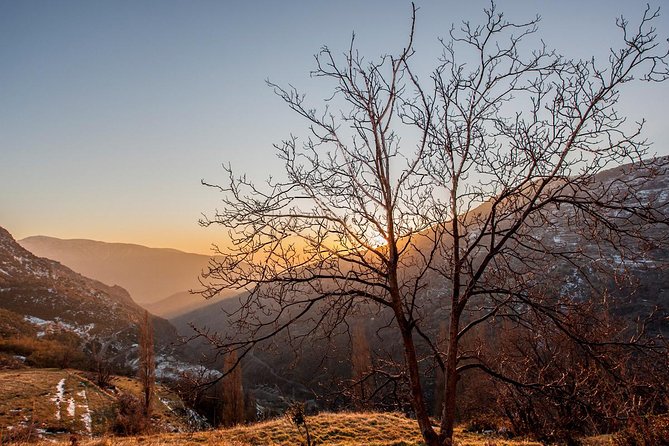
The tour allows about two hours in Capileira. This is the highest of the three principal villages on the route, and its height gives it some of the finest views.
You can expect a guided walk through narrow streets and small neighborhoods, with stops at high viewpoints over the Poqueira gorge. On a clear day, you may see Mulhacén, Spain’s highest mainland peak. The views can change quickly with weather, so do not treat the clear-day promise as a guarantee. Mountain mist and rain can also give the area a dramatic, almost theatrical feel.
Capileira is where the architecture lesson becomes especially useful. Instead of simply admiring white walls, you learn how older homes were built and why the villages have their distinctive forms. The guides are often praised for explaining the geography and building traditions in a way that makes the walk easier to understand.
The streets are described as labyrinthine, so comfortable footwear matters. The tour is not presented as a strenuous hike, but it is still a walking visit through mountain streets with slopes and uneven surfaces. If you need a slower pace, tell the guide early. Carlos was specifically praised for helping people manage some of the trickier walks.
Capileira is also where the guide’s local contacts can add something special. Past tours have included visits to a tiny village of around 30 residents and an old home where the owner explained village life. These personal touches are not guaranteed, but they show why a small group can be more rewarding than a fixed coach schedule.
Same base, a different kind of afternoon:
- Granada: Alhambra & Gardens Tour w/Nasrid Palaces Option
★ 4.5 · 6,437 reviews - Granada: Alhambra Entry Ticket with Audio Guide
★ 4.1 · 5,950 reviews - Granada: Flamenco Show in La Alboreá
★ 4.7 · 5,423 reviews - Fast-Track Alhambra & Nasrid Palaces Guided Tour
★ 4.7 · 4,379 reviews
Pampaneira, textiles, lunch, and wandering time
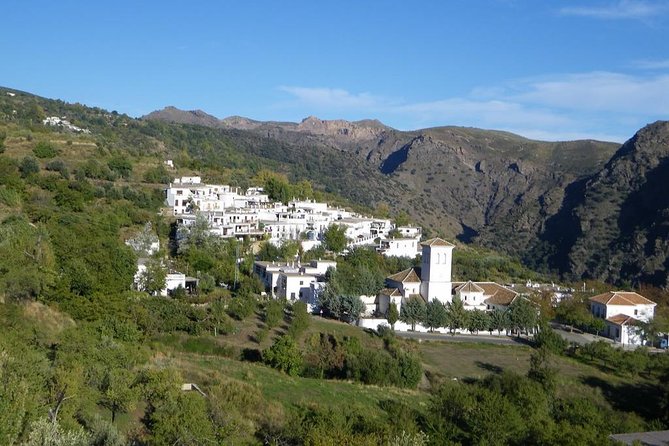
Pampaneira gets about two hours, including time for lunch. This is the most colorful and picturesque of the main villages, with streets suited to a relaxed wander and photographs.
The village is associated with jarapa, a traditional local textile. You can browse artisan shops selling woven goods and look for scarves or other pieces that make more meaningful souvenirs than generic airport purchases. One particularly memorable visit included meeting two women keeping traditional loom weaving alive, with handmade scarves becoming lasting reminders of the day.
Lunch is not included, which is both a limitation and a benefit. You choose what suits your appetite and budget rather than accepting a fixed meal. Guides including Gonzalo and Carlos have recommended family-run restaurants and taverns, and those suggestions have been a major part of the day for some people.
You should not assume that every lunch recommendation or workshop visit will happen on your departure. The published route guarantees free time in Pampaneira, not a particular restaurant or artisan encounter. Still, the two-hour allowance gives you room to eat without rushing and browse the shops afterward.
This is also a good point to remember the bilingual format. The tour is offered in English, but guides may also speak Spanish when the group includes Spanish-speaking participants. One English-speaking passenger felt the balance was poor and missed too much of the explanation. If the guide is speaking mainly Spanish, raise the issue during the tour rather than waiting until the end. The company says it can be contacted by phone, email, or WhatsApp while the tour is underway.
Fuente Agria and the taste of local water
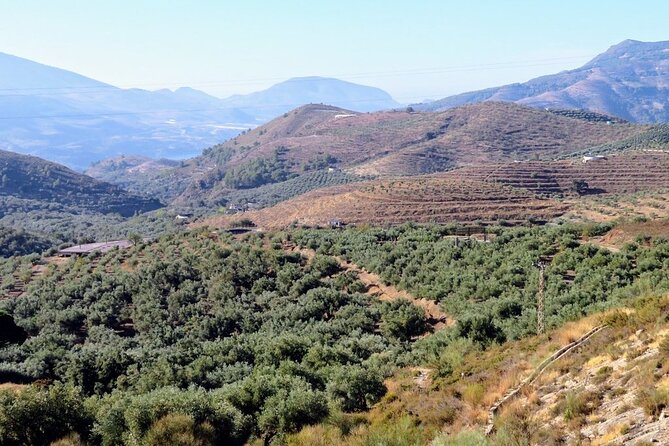
Fuente Agria is a short, unusual stop on the return route. The spring is known for naturally sparkling water containing iron, and you can taste it.
This is not a grand sight with a long visit. Allow about 30 minutes for the detour, the spring, and a quick look around. Its value lies in the local character. You get to try something tied to the geology and daily life of the area, rather than stopping only at viewpoints designed for photographs.
The small van matters again. This detour is described as accessible only to small vehicles, so the limited-group format helps the route reach places a larger excursion may skip.
Guides and the difference they make
The most praised part of this experience is the guide. Names that appear repeatedly in the available feedback include Gonzalo and Carlos, with Manuel, Jose, and Enrique also receiving strong praise.
Gonzalo is described as both guide and driver, with careful handling of the winding mountain roads and a talent for adding personal stops. He has been praised for translating into English, arranging good lunch suggestions, and introducing people to local residents and craftspeople.
Carlos is praised for his humor, warmth, explanations of architecture, and attention to walking comfort. One English-speaking visitor also appreciated that he translated separately when needed. Manuel received similar praise for safe driving, courtesy, and a relaxed approach. Jose is described as friendly and professional, with good English and useful local suggestions. Enrique is praised for careful, well-informed guiding.
That does not mean every departure will feel identical. A lot depends on the guide assigned, the number of people in the van, and the mix of languages. The experience is at its best when the guide has time to talk with you, answer questions, and make small changes to the pace.
The van, group size, and comfort
The maximum group size is eight. That is small enough to feel social without turning the day into a private tour, and it allows the driver to use a compact vehicle on narrow mountain roads.
There is one important seating warning. A complaint described seven passengers, with one person stuck in the middle of the back row and facing a headrest for much of the ride. The passenger also felt that a request to change seats on the return journey was not handled well.
This is not a reason to reject the tour outright, but it is a fair reason to speak up at departure. Ask how the seating will work, especially if you are tall, prone to motion sickness, or eager to see the views during the drive. The tour is marketed as premium transport, but a full van can still feel tight.
The drive is part of the experience, yet it can be tiring. You will be on mountain roads for much of the day, with several stops to break it up. The guides are repeatedly praised as safe drivers, which matters on winding routes, but a careful drive may also mean a slower one.
What the $139.13 price gives you
At $139.13 per person, this is not the cheapest way to leave Granada. The price includes transport in the small van, a guided walking visit in three main villages, local commentary, scenic stops, and travel and transport insurance.
The value is strongest if you would struggle to reach the villages independently or if you want context along with the views. Public transport would not give you the same sequence of stops, and driving yourself would mean concentrating on mountain roads instead of listening to the guide and looking out at the gorge.
Lunch, drinks, tips, and indoor admissions are extra. There are no included museum or monument tickets listed, so budget separately if you choose to enter an attraction. Tipping is recommended for the guide and driver, which adds a little to the final cost.
I would call the price fair for a small-group day with eight hours of transport and guiding, particularly if your group is small on the day. Several departures have effectively operated as private tours when only two people booked, though you should not count on that. The strongest value comes from the guide’s local insight and the hard-to-reach stops, not from the meal or shopping time.
The experience is often booked about 44 days ahead, so reserve early if your Granada dates are fixed. Free cancellation is available up to 24 hours before the 9:00 am start. Cancellations or changes made inside that window are not accepted for a refund, and a departure that fails to reach its minimum number of participants may be moved or refunded.
Weather, walking, and what to bring
Mountain weather can differ sharply from Granada city. Bring layers, as the villages can be chilly and windy, even when the city feels warm. Rain is possible, and wet weather can make the mountains look misty and atmospheric, but it may also make walking surfaces less comfortable.
Wear suitable footwear rather than city sandals. You will walk through narrow village streets and may encounter slopes or uneven ground. Carry water, and leave space in your bag for a textile purchase or local food item.
The tour says most people can participate, but it does not provide detailed accessibility information. If you have specific mobility needs, contact the operator before booking and explain what you require. The small group may help with communication, but it does not remove the physical character of mountain villages.
Who should book this Alpujarra outing?
I would choose this tour if you have at least one free day in Granada and want rural Andalusia rather than another city sight. It suits you especially well if you enjoy scenery, local history, traditional architecture, village walks, and flexible lunch time.
Families can also fit comfortably into the format. One guide was praised for taking special care of a seven-year-old, and the day includes enough stops to prevent the drive from becoming one long stretch.
It may not suit you if you dislike winding roads, need guaranteed front seating, want a strictly English-only tour, or prefer a packed schedule of formal monuments. The villages are the attraction, not a list of ticketed interiors. You should also be comfortable with free time for lunch rather than a meal included in the price.
Should you book it?
Book this trip if you want Granada’s best change of pace. The Alpujarra gives you mountain views, Moorish-influenced villages, traditional textiles, local water, and a look at everyday life beyond the city.
I would book it for the combination of Capileira’s views and Pampaneira’s relaxed village time. I would also choose it for the chance to have a guide such as Gonzalo or Carlos explain the region in person. Before boarding, confirm the language balance and seating, then bring layers and good shoes. With those points handled, this is a strong day out for seeing a less polished, more personal side of Andalusia.
FAQ
How long does the Alpujarra day trip last?
The experience lasts approximately eight hours, beginning at 9:00 am and ending back at the meeting point in Granada.
Where does the tour begin and end?
It begins at Discovering Spain, Alhambra Tours Excursiones, Pl. de las Descalzas, 3, Centro, 18009 Granada. The tour ends at the same meeting point.
How many people can join the tour?
The maximum group size is eight people.
Is transportation included?
Yes. Transport is provided in a comfortable van, along with travel and transport insurance.
Is lunch included in the price?
No. You receive free time in Pampaneira to choose and pay for your own lunch and drinks.
Which villages are visited?
The route includes guided walking visits in Capileira, Pampaneira, and a third principal Alpujarra town. The named itinerary also includes stops at Tablate Bridge, Lanjarón, and Fuente Agria.
Is the tour offered in English?
The experience is offered in English, but it can be bilingual in English and Spanish. If you need the guide to explain more in English, raise this during the tour.
What should I bring?
Bring comfortable clothes, suitable footwear, and water. Layers are useful because the mountain villages can be chilly and windy.
Recently listed in Granada
- Alhambra Guided Tour with Generalife Gardens★ 3.5 · 216 reviews
- Traditional Flamenco Show at Tablao Casa Ana★ 5.0 · 517 reviews
- Walking tour in Alhambra, Nasrid Palaces and Generalife★ 3.0 · 135 reviews
- Tickets included: Alhambra Tour (Gardens, Alcazaba, Generalife)★ 4.5 · 101 reviews
- Private Tours Alhambra : Tickets & Tour Guide & Skip-the-Line★ 5.0 · 106 reviews
- Traditional Flamenco Show★ 4.5 · 138 reviews
- Granada full day: La alhambra completa + el Albaicin y Sacromonte★ 5.0 · 188 reviews
- Hiking in the Canyon of the Monachil Cubs in Granada★ 5.0 · 407 reviews
Granada Tours, compared.
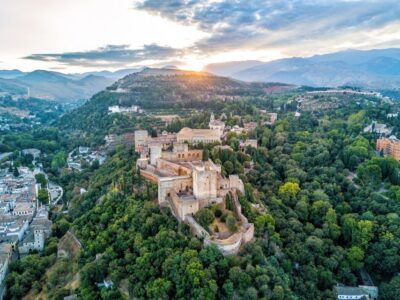
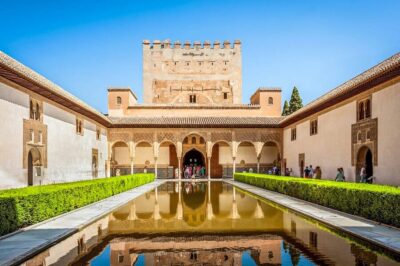
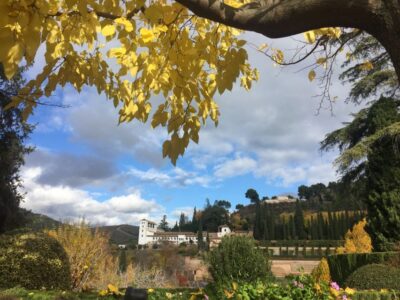
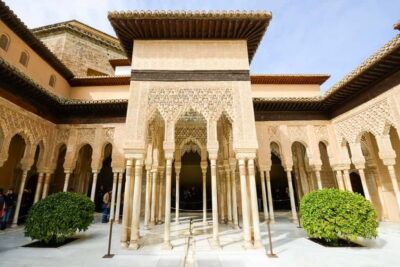
Alhambra & Gardens Tour w/Nasrid Palaces Option
Read our review →
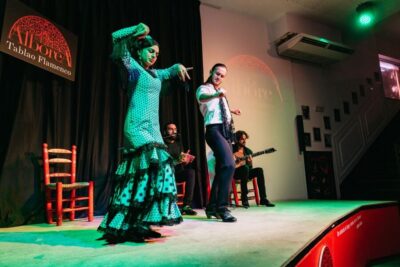
Fast-Track Alhambra & Nasrid Palaces Guided Tour
Read our review →
Skip The Line Alhambra and Generalife Guided Tour
Read our review →Browse the lists this tour appears in