
Reviewed · TENERIFE TOURS
Tenerife: Mount Teide Observatory Astronomical Tour
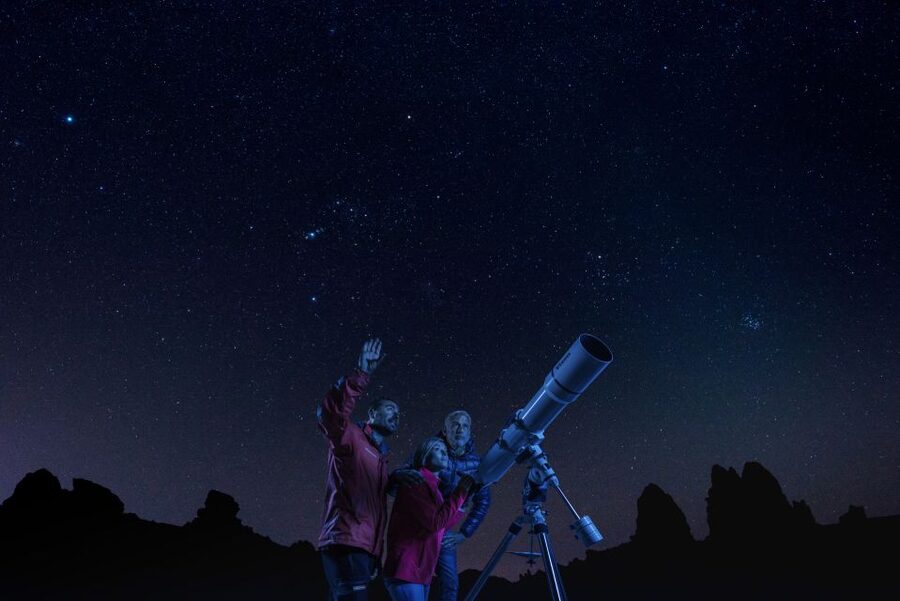
The stars are only half the story. This eight-hour Mount Teide excursion combines a guided visit to the world’s largest solar observatory, a volcanic mountain setting, sunset views, and night-sky viewing through powerful telescopes. I especially like the rare chance to see both solar science in the afternoon and distant stars after dark. I also like the small-group transport and the guides’ clear, enthusiastic explanations.
The main drawback is the cold. Tenerife may be warm at your hotel, but Mount Teide can be chilly and windy, especially after sunset. Strict clothing rules also apply, so this is not a tour you can join in shorts and sandals at the last minute.
In This Review
- Key points to know before booking
- Why this Teide tour is different
- The minibus ride into Teide National Park
- Inside the world’s largest solar observatory
- Sunset on Mount Teide
- Night-sky viewing with powerful telescopes
- What the guides add to the experience
- Food, clothing, and comfort
- Who gets the best value from $121?
- Should you book the Mount Teide astronomy tour?
- FAQ
- How long does the Mount Teide Observatory tour last?
- What languages are available?
- Where is hotel pickup available?
- What should I wear?
- What happens if clouds block the stars?
- Is the tour suitable for young children?
- Can I cancel or pay later?
Key points to know before booking
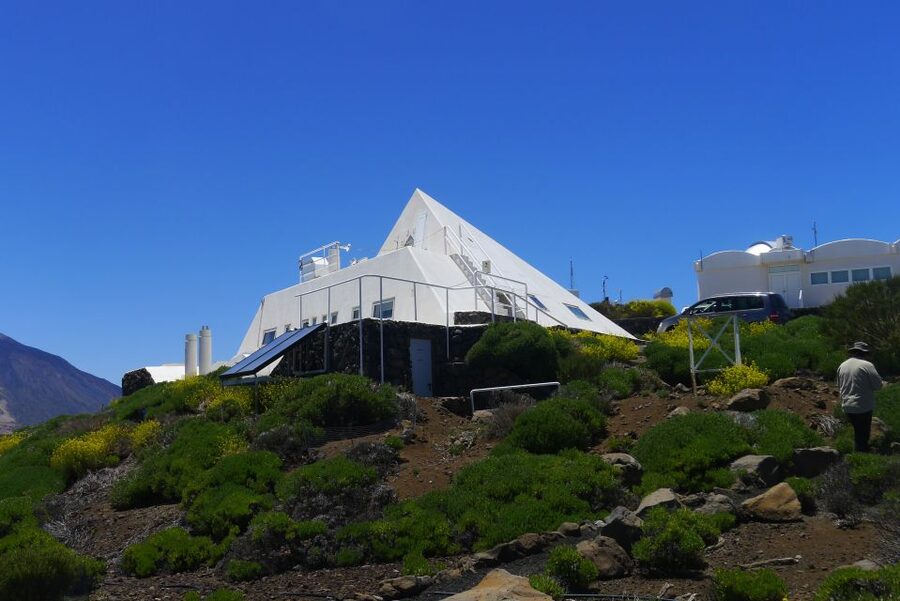
- Two astronomy experiences in one day: Visit Teide Observatory in daylight, then study stars and other objects through long-range telescopes at night.
- Small-group transport: Pickup is available from selected hotels in north Tenerife in a minibus, with scenic views on the road to the mountain.
- Professional astronomy guidance: Guides such as Lucas, Micaela, and other observatory specialists explain telescopes, constellations, solar activity, and the life cycle of stars.
- Cold-weather preparation is essential: Bring long trousers, warm layers, closed-toe shoes, and a long-sleeved shirt. People without the required clothing may not be allowed to join.
- Weather backup plans: If clouds or poor conditions block the stars, the tour uses audiovisual equipment for a virtual night-sky presentation. The observatory visit may also change to two nocturnal telescopes if conditions affect the planned solar telescope viewing.
- Best for astronomy fans and older children: The tour is not recommended for children under eight or people with mobility impairments.
Why this Teide tour is different
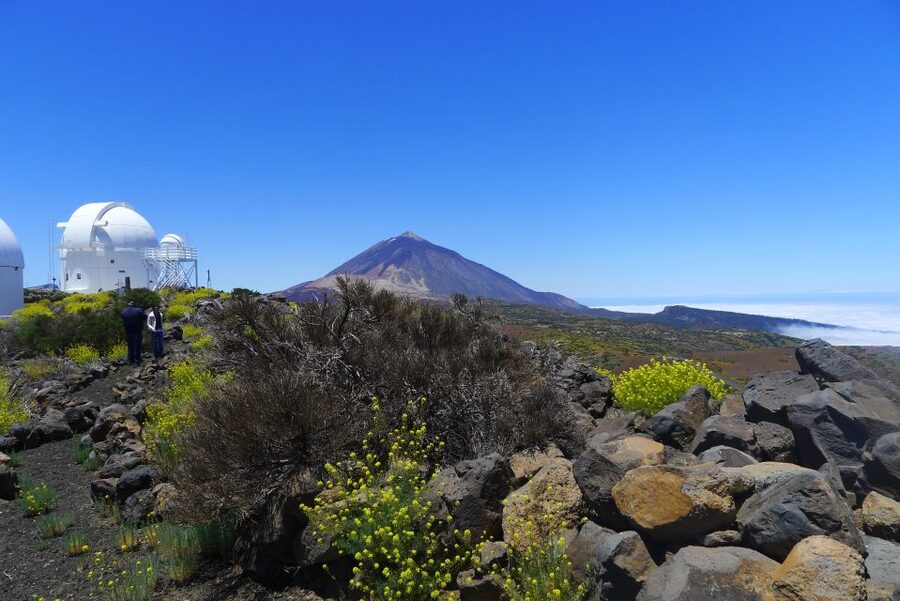
Many Mount Teide excursions focus on scenery, cable-car views, or a sunset drive. This one gives astronomy a central role. You are not simply taken up the mountain and pointed toward the sky. You spend time learning how professional telescopes work, then return after dark to use telescopes yourself.
That day-to-night progression gives the outing a clear rhythm. In the afternoon, you see the observatory as a working scientific site. Later, the sunset adds a beautiful pause before the main event: looking into a dark sky far from the lights of Tenerife’s coast.
The experience costs $121 per person. That is not a small amount, but the price includes transportation for a small group, a guide, the observatory visit, and astronomical viewing with a long-range telescope. For someone who would otherwise need to arrange transport to Mount Teide, pay for a separate stargazing activity, and find an observatory visit, the package offers solid value.
The rating of 4.4 from 126 bookings reflects a strong overall response, with especially high praise for the guides, the telescope sessions, and the quality of the scenery. The most useful caution is that the day is long, and pickup from several hotels can add time to the journey.
A few more Tenerife ideas to compare
- Siam Park Entry Tickets
★ 4.5 · 15,710 reviews - Tenerife: Eco-Yacht Whale and Dolphin Watching and Swimming
★ 4.7 · 15,619 reviews - Los Cristianos Respectful No-Chase Whale and Dolphin Safari
★ 4.6 · 12,782 reviews
The minibus ride into Teide National Park
Pickup is available from selected hotels in north Tenerife, including Parque San Antonio, GF Noelia, Hotel Magec, Hotel Concordia, Tucán, Coral Teide Mar, Riu Garoé, CC La Cúpula, and Kiosko Paragüitas. The exact pickup time changes with the season because the schedule must match sunset.
Small-group transport is a practical advantage. A minibus is easier than driving yourself on unfamiliar mountain roads, and you can focus on the scenery rather than navigation. One account describes the route along the west coast, with views toward the cliffs of Los Gigantes. Another points out that the drive itself can include useful explanations about Tenerife’s natural surroundings.
There is a tradeoff. Several pickup points can stretch the day, and one past participant felt that collecting people from many locations added close to two hours. If you are staying near one of the listed pickup points, this arrangement is convenient. If you are not, check the pickup details carefully before paying.
The full outing lasts about eight hours, though the exact duration can vary with transfers and the evening schedule. This is best treated as a major day activity, not a quick nighttime add-on.
Inside the world’s largest solar observatory
The observatory visit is the scientific heart of the afternoon. A specialist guide introduces the equipment and explains how solar observation works. You may see working instruments, learn about the design of the telescopes, and have the chance to look inside one of them.
The strongest part of this visit is its direct connection to the Sun. One past participant was particularly excited to see solar flares in real time. That kind of viewing gives the observatory more impact than a standard museum display. You are seeing a scientific process aimed at observing an active star, not simply looking at a model.
Keep your expectations sensible about the equipment. One person noted that the solar telescope used during the visit was smaller than the telescope shown in promotional imagery. The visit still offers a special look at the observatory, but the exact instrument and viewing conditions can vary.
The guides make a major difference here. Lucas received repeated praise for explaining complex subjects in an easy, engaging way. Micaela was also singled out for her professional approach. Other guides are described as eager to answer questions and clearly passionate about astronomy.
You do not need a science background to enjoy this part. The explanations cover practical subjects, such as how telescopes work, while also giving you a better sense of how astronomers study the Sun and other objects.
Sunset on Mount Teide
After the observatory visit, the group pauses at a volcanic viewpoint for sunset. This is the visual centerpiece of the afternoon and a useful transition from daylight science to nighttime astronomy.
The high mountain setting gives the sunset a different character from a beach or coastal viewpoint. You are surrounded by volcanic scenery, with the light changing across the slopes and distant views opening up around you. The sunset also gives you a chance to eat something, take photographs, and prepare for the colder part of the evening.
The schedule depends on the season, so the pickup time is not fixed year-round. That matters because the tour is built around the sunset. You should expect the timing to change during the year rather than assume the same departure hour for every booking.
This is also the point when warm clothing becomes more important. The temperature at the coast can be very different from the temperature near the cable-car station and observatory. One useful account described a hotel temperature of 30 degrees Celsius, followed by about 7 degrees Celsius and strong winds higher up.
Same base, a different kind of afternoon:
- Tenerife: Loro Parque Entry Ticket
★ 4.8 · 12,411 reviews - Loro Parque and Siam Park Combined Admission Tickets
★ 4.7 · 7,307 reviews - Tenerife: Kayak and Snorkel with Turtles, Wetsuits Included
★ 4.6 · 7,215 reviews - Costa Adeje: Whale & Dolphin Eco-Cruise with Snacks & Drinks
★ 4.6 · 5,096 reviews
Night-sky viewing with powerful telescopes
Once darkness arrives, the tour turns to the stars. You first spend time looking with the unaided eye. The guide helps you identify constellations and understand how to use the stars for orientation. Then you use high-quality telescopes to examine selected objects.
Past participants describe viewing several different sights through two or more large telescopes, with clear explanations alongside each observation. Depending on the night, you might see the Moon, planets, stars, or other prominent objects. The exact sights depend on the season and visibility, so no fixed list can be promised.
This part is strongest when you take your time. The point is not to rush from one telescope to another. The guide’s explanations help you understand what you are seeing, why it matters, and how astronomers identify elements in distant stars and planets.
The night can also bring surprises. On one clear evening, the group saw a comet and shooting stars. You should not book expecting those specific sights, but the possibility adds a little excitement to the session.
The sky above Teide is promoted as one of the world’s top three places for stargazing. The high, dark setting is central to the experience, but the weather still controls the result. Cloud, wind, or poor visibility can limit what the telescopes reveal.
If conditions prevent proper stargazing, the guide uses audiovisual equipment for a virtual tour of the night sky, constellations, and notable objects that might otherwise have been visible. If weather affects the planned solar telescope viewing or creates a safety concern, the program may use two nocturnal telescopes instead of one. These alternatives protect the educational value of the evening, but they cannot fully replace a clear night under the real sky.
What the guides add to the experience
The guides are the most consistently praised part of this tour. Their role goes well beyond pointing out stars. They explain telescope mechanics, constellation patterns, the life cycle of stars, and how astronomers work out which elements exist on distant worlds.
That range makes the tour suitable for both beginners and serious astronomy fans. If you already know the basics, you can ask detailed questions. If you are new to the subject, the guides aim to keep the ideas simple rather than turning the evening into a lecture.
Lucas is praised for combining scenic commentary with astronomy and for making technical subjects easy to follow. Another guide, Micaela, is described as professional and attentive. The feedback also highlights a good sense of humor, which matters during a long evening in the cold.
I would still like to see clearer information about the sequence of activities. One past participant felt there could have been more detail about what would happen next. Since the schedule includes transport, the observatory, sunset, and telescopes, a short briefing at each stage would help you stay oriented.
Food, clothing, and comfort
Food and drinks are not included. Bring snacks and water, especially because the outing occupies most of the day and evening. There may be a café near the cable-car base, but its supplies are not guaranteed, and it can be busy.
The clothing rules are strict:
- Warm clothing
- Long trousers
- A long-sleeved shirt
- Closed-toe shoes
- Comfortable clothing
- Extra layers for the evening
Sandals, flip-flops, shorts, short skirts, and sleeveless shirts are not allowed. Customers without the required clothing may be refused entry to the excursion.
This is not a minor suggestion. The mountain temperature and wind can make the wait between activities uncomfortable if you arrive dressed for the coast. A warm jacket, long trousers, and sturdy closed shoes will help you enjoy the telescope session instead of wishing it would end.
The tour is not recommended for children under eight. People with health conditions should consult a doctor before booking, and the activity is not suitable for people with mobility impairments.
Who gets the best value from $121?
The price makes the most sense if you want a full astronomy program rather than a scenic Mount Teide transfer. You receive transport, guiding, the observatory visit, and telescope observation in one long outing. The small-group format also gives the day a more personal feel than a large coach trip.
I would recommend it most strongly to:
- People with a real interest in astronomy
- First-time visitors who want science as well as scenery
- Couples or friends happy to spend eight hours on one organized excursion
- Families with children aged eight or older who can manage the cold and long schedule
- Visitors who do not want to drive mountain roads at night
You may find it less suitable if your main goal is a short sunset stop, if you dislike organized pickup routes, or if you are unwilling to bring proper cold-weather clothing. The astronomy content is the reason to pay for this tour. If you only want a view from Mount Teide, a shorter excursion may fit better.
Free cancellation is available up to 24 hours before the activity, and you can reserve now while paying later. Those options help if your Tenerife plans depend on weather, but you should still leave enough flexibility to choose a clear evening if the schedule permits.
Should you book the Mount Teide astronomy tour?
Book it if you want to understand what you are seeing, not simply take a photograph of it. The combination of a working solar observatory, a volcanic sunset, and guided night-sky viewing gives the day real substance.
The best reasons to go are the specialist guides, the chance to see solar activity, and the use of large telescopes after dark. The best reasons to hesitate are the eight-hour commitment, possible delays from multiple pickups, uncertain weather, and the need for serious warm clothing.
For astronomy lovers, $121 is a fair price for the range of activities included. For everyone else, the decision comes down to how much you value the scientific side of Mount Teide. If that sounds appealing, this is one of Tenerife’s more unusual and worthwhile evening excursions.
FAQ
How long does the Mount Teide Observatory tour last?
The tour lasts about eight hours. Pickup times vary by season because the schedule is planned around sunset.
What languages are available?
Live guiding is available in Spanish and English.
Where is hotel pickup available?
Pickup is possible from selected hotels in north Tenerife, including Parque San Antonio, GF Noelia, Hotel Magec, Hotel Concordia, Tucán, Coral Teide Mar, Riu Garoé, CC La Cúpula, and Kiosko Paragüitas.
What should I wear?
Bring warm clothing, long trousers, a long-sleeved shirt, comfortable clothing, and closed-toe shoes. Sandals, flip-flops, shorts, short skirts, and sleeveless shirts are not allowed.
What happens if clouds block the stars?
The guides use audiovisual equipment to provide a virtual tour of the night sky, constellations, and prominent objects that might have been visible. If weather affects the solar telescope visit, the program may use two nocturnal telescopes instead of one.
Is the tour suitable for young children?
It is not recommended for children under eight. Children must confirm their age with a passport or identity card.
Can I cancel or pay later?
You can cancel up to 24 hours in advance for a full refund. A reserve-now, pay-later option is also available.
Recently listed in Tenerife
- Las Galletas: Whale & Dolphin Tour with Local Skipper★ 4.8 · 397 reviews
- Tenerife: Teide, Icod de los Vinos & Garachico Full Day Tour★ 4.3 · 602 reviews
- Tenerife: Loro Parque & Siam Park Entry Ticket with Transfer★ 4.6 · 732 reviews
- Tenerife: Teide National Park Guided Buggy Tour★ 4.6 · 299 reviews
- Tenerife: Sunset Night Tour and Stargazing at Teide + Dinner★ 3.8 · 316 reviews
- Tenerife: Surfing Lesson for All Levels, Photos included★ 4.9 · 861 reviews
- Tenerife: Siam Park Full-Day VIP Entry Ticket★ 4.5 · 183 reviews
- Tenerife: Sunset Catamaran Tour with Transfer, Buff & Drinks★ 4.8 · 570 reviews
Tenerife Tours, compared.
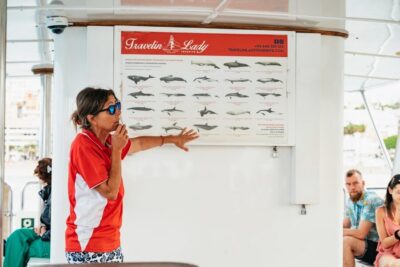
Eco-Yacht Whale and Dolphin Watching and Swimming
Read our review →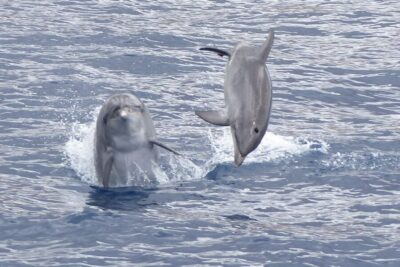
Los Cristianos Respectful No-Chase Whale and Dolphin Safari
Read our review →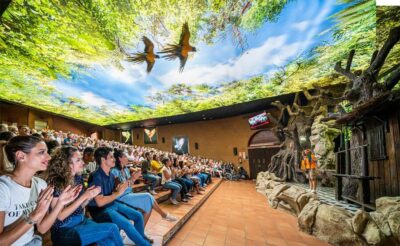
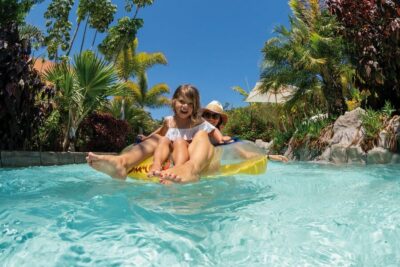
Loro Parque and Siam Park Combined Admission Tickets
Read our review →
Kayak and Snorkel with Turtles, Wetsuits Included
Read our review →
Whale & Dolphin Eco-Cruise with Snacks & Drinks
Read our review →
Mount Teide Tour with Cable Car Ticket & Transfer
Read our review →Browse the lists this tour appears in