
Reviewed · CORDOBA TOURS
Córdoba: Guided Tour of Azahara Medina
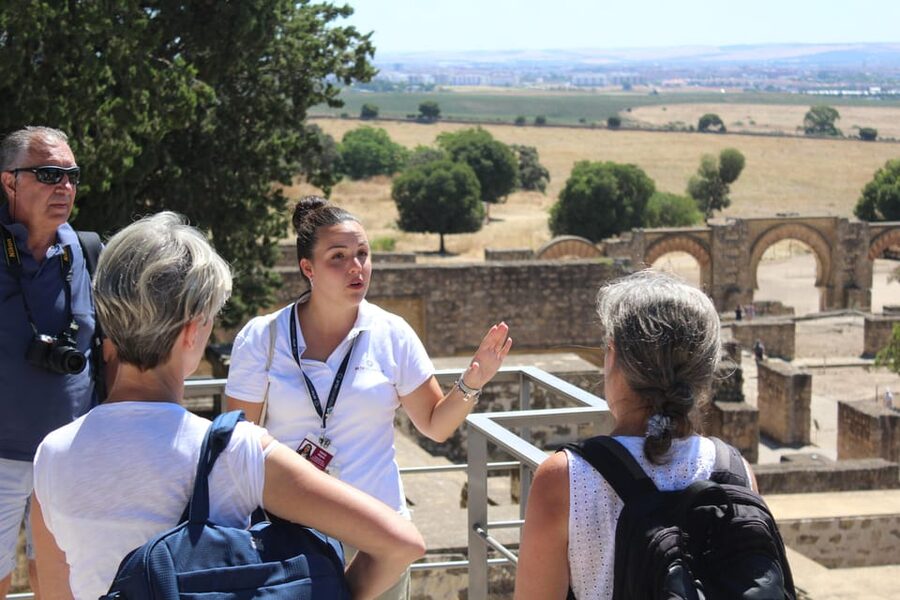
Power was written in stone here. About 5 miles, or 8 kilometers, outside Córdoba, Medina Azahara offers a clear look at the ambition of the 10th-century Caliphate of Córdoba. I like the way the tour combines the visitor center’s reconstruction video with a walk through the actual ruins, and I like that guides such as Emilio, Almudena, Maria, and Alejandro bring everyday life into a site that could otherwise feel like a pile of scattered stones. The main drawback is the heat and exposure, especially in summer, along with a meeting point that can be slightly tricky to find if you choose the bus option.
The three-hour visit costs $23 per person, including admission and a guide. That is strong value if you want the site explained rather than simply photographed. You can choose a guided option with transport from Córdoba or arrange your own way there and use the tour’s transport between the visitor center and the monuments.
In This Review
- Key Details Before You Book
- Why Medina Azahara Matters in Córdoba’s Story
- Starting at the Visitor Center
- Choosing the Bus Option from Córdoba
- The Option Without Córdoba Transport
- Walking Through the Main Palace Areas
- Architecture You Can Actually Read
- What the Guides Do Best
- Heat, Walking, and What to Bring
- Is $23 a Fair Price?
- Who Will Enjoy This Tour Most?
- Should You Book Medina Azahara?
- FAQ
- How long does the Medina Azahara guided tour last?
- How much does the tour cost?
- Is transport from Córdoba included?
- Does the tour include transport within Medina Azahara?
- What languages are available?
- What should I bring?
- Can I cancel for a full refund?
Key Details Before You Book
- The visitor center comes first: Plan on about one hour here, including a film that recreates Medina Azahara as it may have looked in the 10th century.
- Two transport choices are available: One option includes the journey between Córdoba and the site, while the other begins at Medina Azahara.
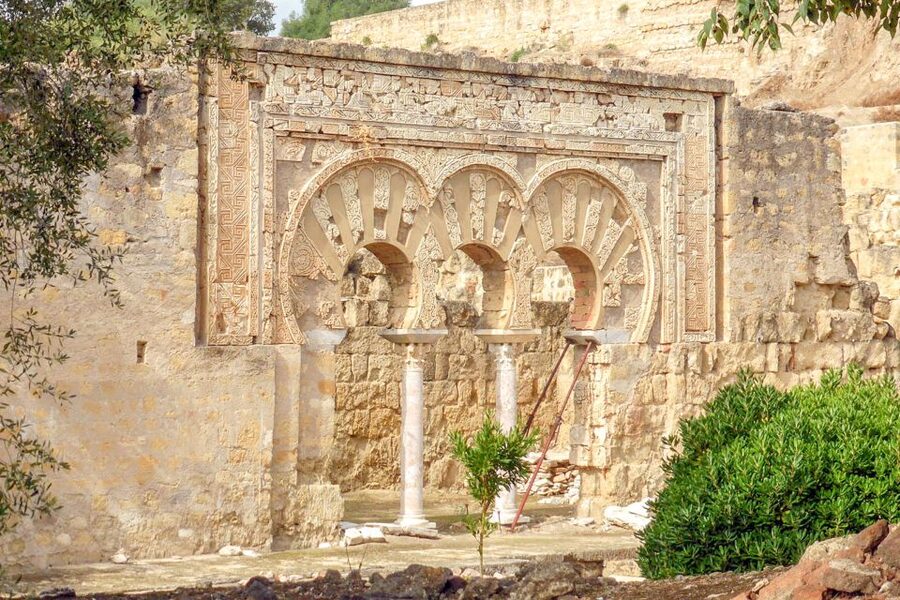
- The ruins are only partly excavated: About 12 percent of the original city has been uncovered, so you are seeing an important section, not the entire palace-city.
- Guides make the difference: Emilio, Almudena, Maria, Alejandro, and others are praised for clear English, humor, careful answers, and strong command of the subject.
- Summer demands preparation: Bring water, a hat, sunglasses, and comfortable clothes and shoes. Shade can be limited.
- The tour may run beyond three hours: Leave some flexibility in your day, particularly if you have a train, meal, or another timed visit afterward.
Why Medina Azahara Matters in Córdoba’s Story
Medina Azahara was ordered by Abd al-Rahman III, the Umayyad Caliph of Córdoba, in the early 10th century. Its Arabic name means brilliant city, an appropriate name for a place designed to display authority.
This was not simply a royal residence. It was built as a palace-city and a seat of government, with official buildings arranged across the hillside. The project sent a message to rivals and subjects alike: Córdoba’s ruler had the money, labor, and political power to create an entire administrative center in stone.
That political purpose helps you read the remains. The decorative details were not added just for comfort. Architecture, position, scale, and movement through the complex all helped express the caliph’s authority.
I find that this context is what makes the visit worthwhile after seeing Córdoba itself. The Great Mosque and the old city show how people lived, worshiped, traded, and ruled within Córdoba. Medina Azahara shows the machinery and ceremony of power beyond the city center.
The site is also a reminder of how much has been lost. Only a small part has been excavated, so you should not expect a complete medieval city with every room intact. What you see is enough to suggest the scale of the project, but your guide and the visitor center are important because they help fill in the missing pieces.
A few more Cordoba ideas to compare
- Córdoba: Skip-the-Ticket-Line Mosque-Cathedral Guided Tour
★ 4.6 · 9,634 reviews - Cordoba Mosque-Cathedral: Skip-the-Line Guided Tour
★ 4.7 · 6,610 reviews - Córdoba: Jewish Quarter, Mosque, and Alcázar Tour
★ 4.7 · 4,279 reviews
Starting at the Visitor Center
The visitor center is not a minor prelude. It gives you the best introduction to the site, and the tour allows roughly one hour for this part of the visit.
Inside, you learn about Moorish Spain and the background to Medina Azahara before walking among the ruins. A film virtually recreates the city as it may have appeared in the 10th century. That visual step matters because the remains can be difficult to interpret at first. Walls, foundations, fragments, and open spaces do not always reveal their original function on their own.
The reconstruction helps you imagine a functioning palace-city rather than an abandoned archaeological site. You can begin to picture decorated rooms, government work, formal movement, and the people who maintained the complex.
The center also contains archaeological finds connected with the site. One particularly useful part of the visit is seeing objects removed from the ruins before entering the surviving buildings and courtyards. If you want more reading material, check the shop while you are there. One visitor specifically wished for a chance to find a book about the people who lived and worked at Medina Azahara, so the shop may be worth a look before you leave.
Choosing the Bus Option from Córdoba
If you choose the version with transport, you board a tourist bus in Córdoba and travel to Medina Azahara. The same option includes the return journey, as well as transport from the site’s visitor center to the main monuments.
This is the easiest choice if you do not have a car or do not want to sort out the trip independently. It also keeps the day in one organized package. The bus takes you directly into the structure of the visit: Córdoba, Medina Azahara, the visitor center, the monuments, and back to Córdoba.
The departure point deserves attention. It may vary by booking, so check your confirmation carefully. One practical description places the departure near the semicircular bus stop across from the Eurostars Hotel, behind the regular bus stops. The stop is called Parada Bus, and the yellow bus has red lettering.
The sign can be small. I would arrive early, especially if you are unfamiliar with Córdoba’s bus stops. Guides speaking different languages may be gathered there to check people in, which should help once you reach the correct area, but finding that area is the part that can cause confusion.
This is a small logistical nuisance, not a reason to avoid the tour. Still, it is the sort of detail that can turn a relaxed morning into a rushed one if ignored.
The Option Without Córdoba Transport
You can also choose the guided tour without the Córdoba bus. In that case, you make your own way to Medina Azahara, begin at the visitor center, and use the site transport from the center to the main monuments.
This option may suit you if you already have a car or have arranged separate transport. It gives you more control over how you reach the site, but it also means you are responsible for getting there on time. The tour information does not specify an independent travel route, so you should confirm the exact meeting point for the option you book.
Both versions include the guide, entrance, and transport within Medina Azahara from the visitor center to the principal archaeological areas. The key difference is the Córdoba to Medina Azahara journey.
Same base, a different kind of afternoon:
- Cordoba: Equestrian Show General Entry
★ 4.5 · 2,333 reviews - Cordoba: Mosque-Cathedral E-Ticket with Audio Guide
★ 4.1 · 2,124 reviews - Cordoba Mosque & Jewish Quarter Tour with Tickets
★ 4.6 · 1,996 reviews - Cordoba: Alcazar Guided Tour and Skip-the-Line Ticket
★ 4.2 · 1,792 reviews
Walking Through the Main Palace Areas
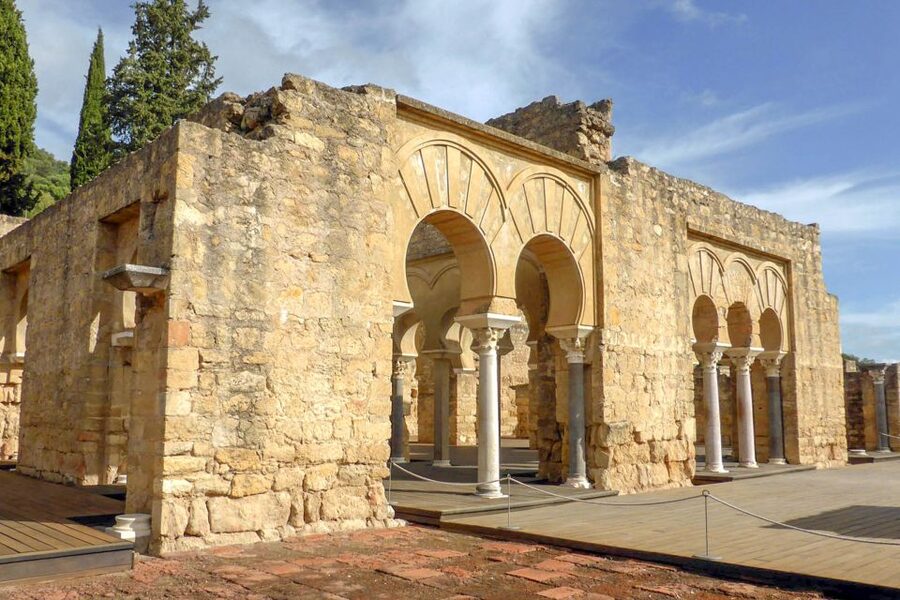
After the visitor center, the guided walk heads north through the main sections of the city. The guide takes you from area to area, explaining what each part may have done and how the complex worked as a whole.
This is where a live guide adds real value. A self-guided visit can show you attractive stonework, but it may not explain why one area mattered more than another or how the palace-city related to the wider government of Córdoba.
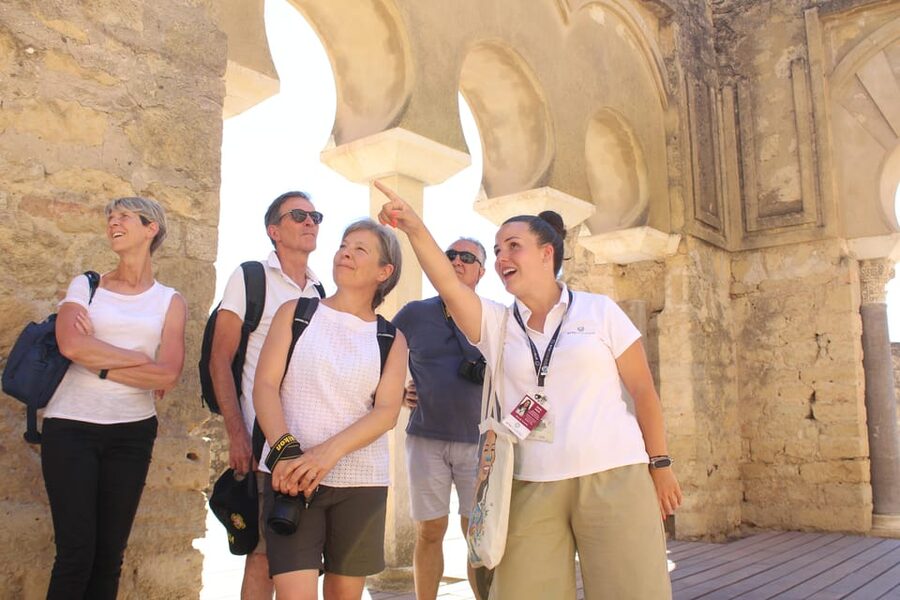
The strongest guiding style here is storytelling grounded in evidence. Maria has been praised for explaining the architecture while also noting when an interpretation depends on different sources. That is a useful habit at an archaeological site, where some details are clear and others remain open to debate.
Almudena is also praised for keeping a good pace and using details that make the remains easier to picture. On hot days, she has adjusted the route to find shade when possible. Emilio is described as combining historical detail, humor, and likely scenes from daily life without losing track of the group.
You may hear about formal government work, the people who served the court, construction, engineering, and the practical routines that kept a palace-city operating. The goal is not simply to memorize dates. It is to understand how a huge complex could function as a seat of power.
Architecture You Can Actually Read
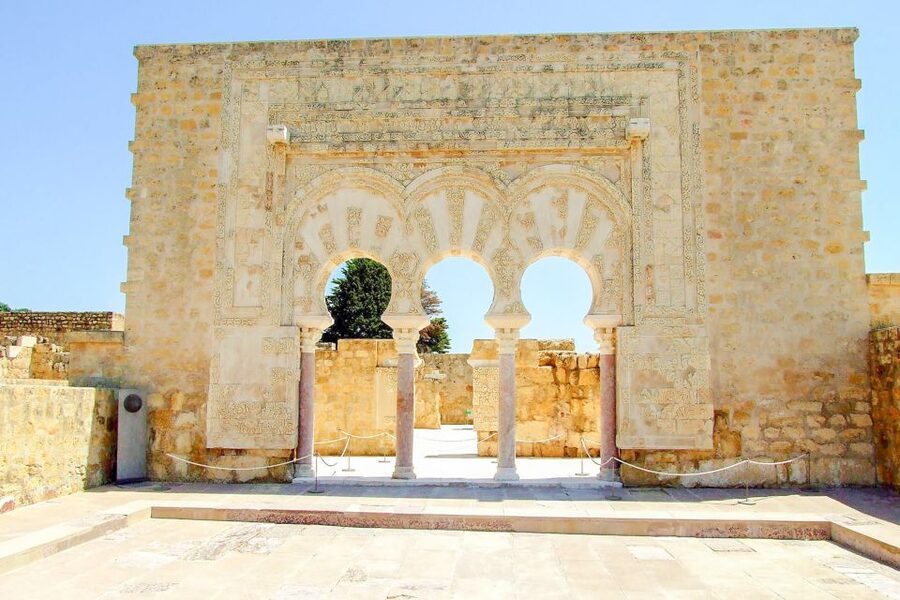
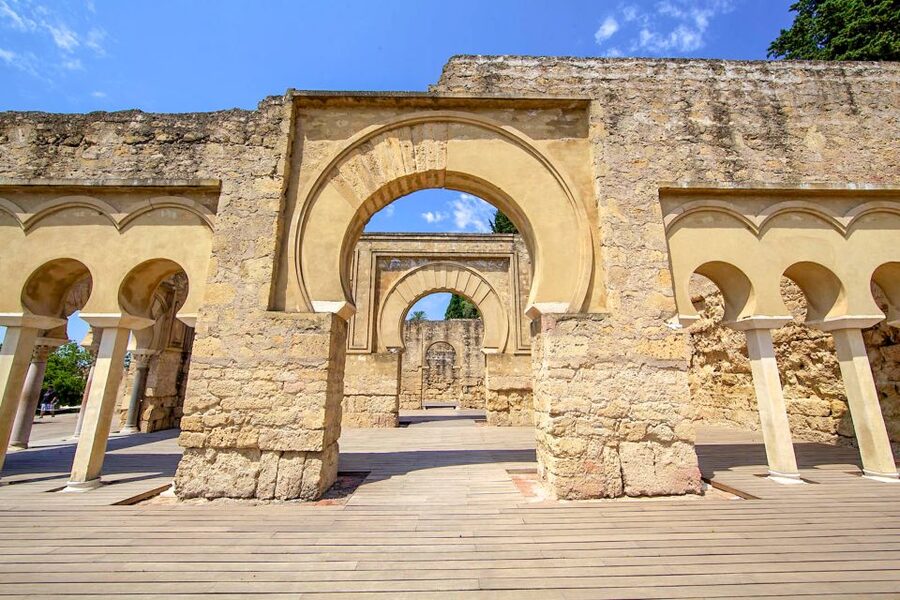
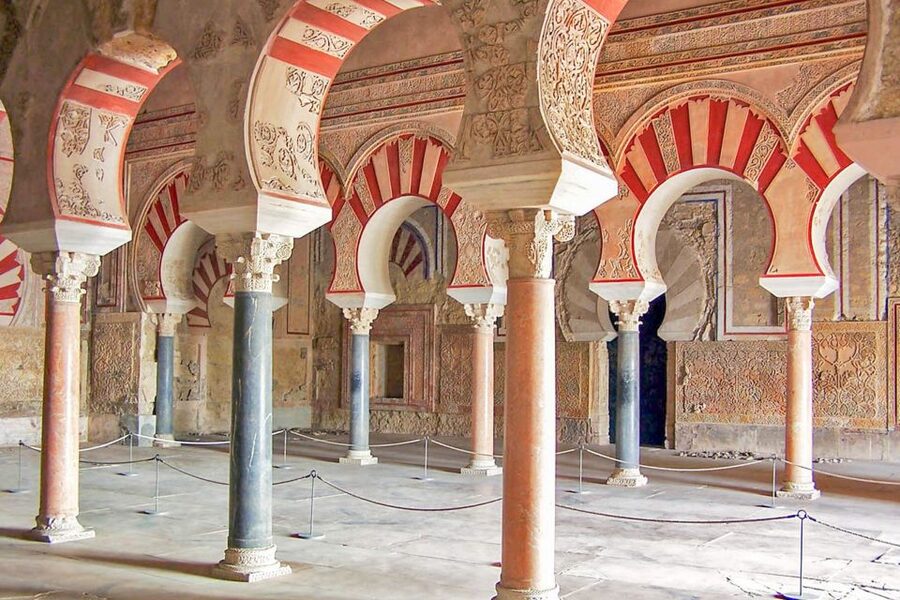
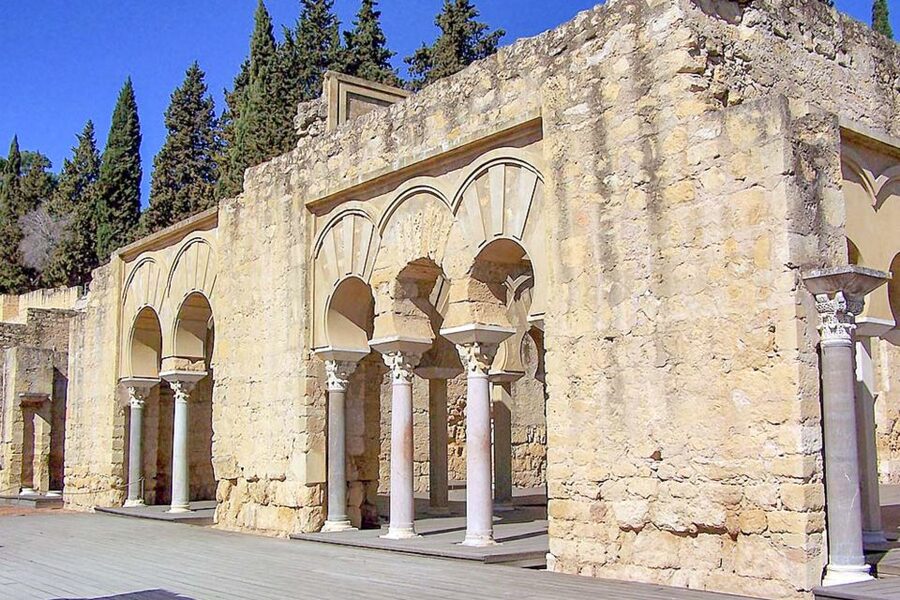
Medina Azahara is valuable because the architecture still gives clues about status and organization. Even where buildings are incomplete, the arrangement of the remains suggests careful planning and a clear division between areas.
Your guide helps you notice details that are easy to miss. Look at the use of space, the relationship between buildings, and the surviving decorative elements. The phrase nothing is left to chance captures the impression created by the design, even after centuries of damage and excavation.
You will not find every building standing. Much of the city remains underground or awaits further work. That can disappoint visitors who expect a fully restored palace, but it also makes the site feel like an ongoing investigation rather than a finished display.
Recent excavation has changed how much can be seen compared with earlier visits. One person who first visited in 1999 noted how much additional work had taken place since then. The site is still at an early stage of development, so you are seeing both a historic monument and an active archaeological project.
That unfinished quality is part of the appeal. You can see what has been uncovered while understanding that the known city is only a fraction of the original whole.
What the Guides Do Best
Guide quality is the most praised part of this experience. The names that come up repeatedly include Emilio, Almudena, Maria, Alejandro, Pilar, and Juan Varela, though your guide will depend on the language and date of your tour.
English-language guiding is a strong point. Several guides are described as speaking clear English and answering questions patiently. The best guides do more than recite information. They explain what is certain, what is likely, and how scholars reach their conclusions.
That approach suits Medina Azahara because the site needs interpretation. A guide who simply lists rulers and dates will leave you looking at stones. A guide who explains the political setting, engineering, decoration, and human routines can make the remains easier to understand.
Humor also helps. Emilio and Maria are praised for keeping the visit lively without turning the subject into a performance. Almudena has been appreciated for maintaining interest even when the heat was wearing the group down.
If you enjoy asking questions, this tour should suit you. Guides are described as welcoming questions and offering detailed answers. If you prefer to wander alone at your own speed, a group visit may feel more structured than an independent visit.
Heat, Walking, and What to Bring
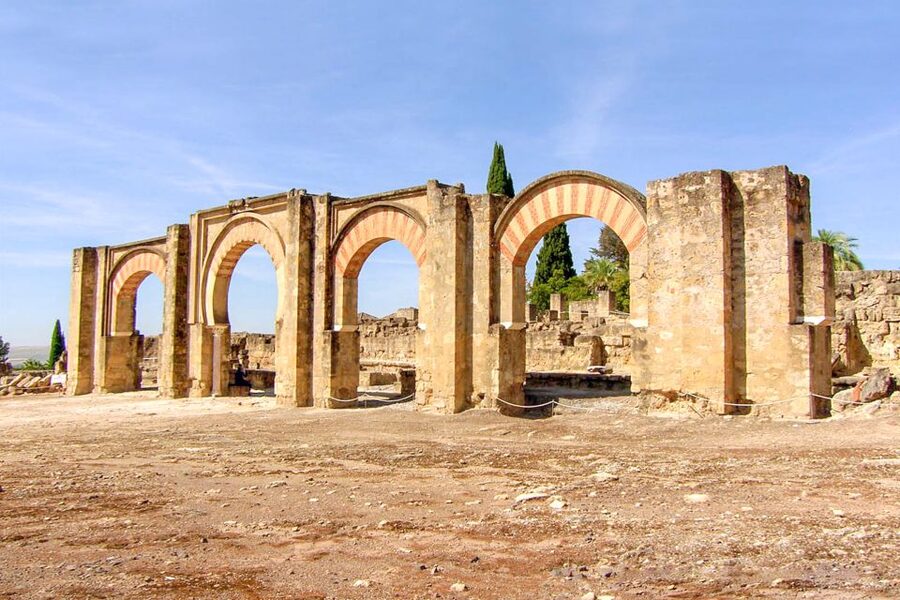
This is an outdoor archaeological site, and the sun matters. Several visits took place in very hot conditions, with limited shade and exposed walking areas. Even a good guide cannot make a summer afternoon cool.
Wear comfortable shoes. The route moves through the main sections of the site, and uneven surfaces are possible at an archaeological complex. Comfortable clothing, a hat, and drinks are specifically recommended.
I would also bring sunglasses and more water than you think you need in summer. One useful detail from the experience is that guides may look for shade and adjust their explanations when the heat becomes difficult, but you should still prepare properly.
Spring, autumn, and winter may offer easier walking conditions, though the tour is available across different parts of the year. Check the starting time when booking because the total duration is three hours, and leave room for the possibility that the visit lasts a little longer.
Is $23 a Fair Price?
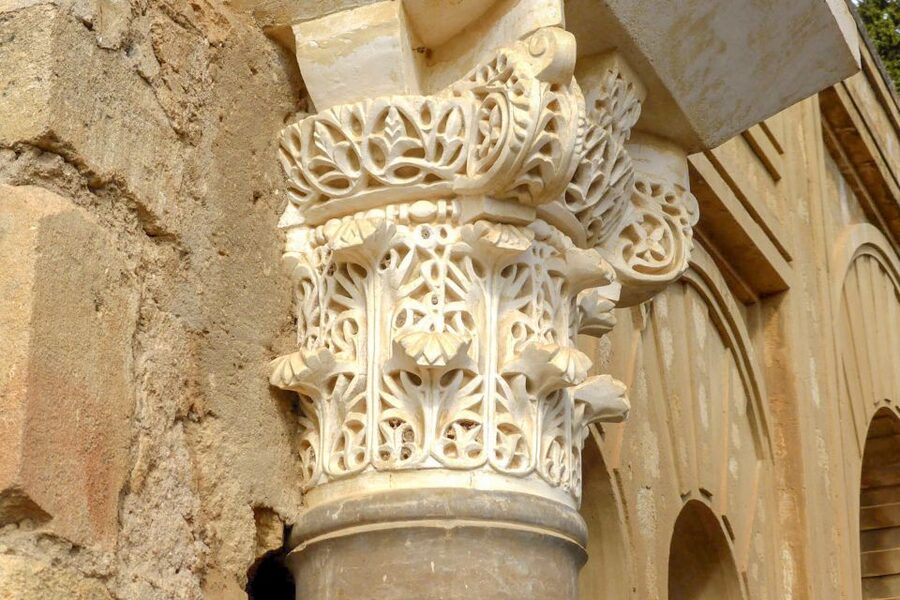
At $23 per person, this is a reasonable price for a three-hour guided visit. You receive admission, a live guide in English or Spanish, transport within Medina Azahara, and, with the appropriate option, the bus journey from Córdoba and back.
The real value comes from the explanation. If you only want to walk around and take pictures, paying for a guide may not seem essential. But the site is partly excavated, and many functions are not obvious from the ruins. The visitor center’s film and the guide’s commentary turn a partial archaeological record into a more understandable experience.
The bus option adds practical value if you are staying in Córdoba without a car. You avoid arranging separate transport and get a planned return. The no-bus option can be sensible if you already have transport to the site, since you are not paying for a service you do not need.
Food and drinks are not included, so bring your own water. This is less a cost issue than a comfort issue, particularly in hot weather.
Who Will Enjoy This Tour Most?
I would recommend this tour to anyone interested in Andalusian history beyond Córdoba’s best-known monuments. It is especially useful if you have already visited the historic center and want to understand the political world behind the city.
It suits first-time visitors because the guide provides essential background. It also works for repeat visitors. Someone who had seen the site decades earlier still found the newer excavation work changed the experience.
Families with older children may appreciate the reconstruction film and stories about daily life, government, and building work. Very young children may find three hours of archaeological explanation demanding, especially under a strong sun.
History and architecture fans will get the most from the tour, but you do not need specialist knowledge. The guides explain the setting from the centuries before the palace-city through its role in the Caliphate of Córdoba.
Choose the bus option if you want simple transport from Córdoba. Choose the no-bus option if you already have a reliable way to reach Medina Azahara and prefer more control over your schedule.
Should You Book Medina Azahara?
Yes, if you want the site to make sense rather than simply look impressive. The combination of the one-hour visitor center, reconstruction film, internal transport, entrance, and live explanation gives you a solid three-hour introduction for $23.
Book it with realistic expectations. This is not a completely restored palace, and only a small part of the original city has been excavated. Expect exposed ruins, ongoing archaeological work, and some imagination.
I would book the Córdoba bus option if you are unsure about transport or want the least complicated day. Arrive early at the departure point, bring water and sun protection, and allow extra time after the scheduled finish.
For me, the deciding factor is the guide. A strong guide such as Emilio, Almudena, Maria, or Alejandro can turn partial remains into a picture of political power and ordinary work in 10th-century Córdoba. Without that explanation, much of the meaning would be easy to miss.
FAQ
How long does the Medina Azahara guided tour last?
The tour lasts three hours. The visit includes about one hour at the visitor center before exploring the main sections of the archaeological site.
How much does the tour cost?
The listed price is $23 per person. Entrance and a tour guide are included, along with transport within Medina Azahara.
Is transport from Córdoba included?
Transport from Córdoba to Medina Azahara and back is included only when you choose the bus option. The no-bus option requires you to arrange your own way to the site.
Does the tour include transport within Medina Azahara?
Yes. Transport from the visitor center to the main monuments is included.
What languages are available?
The live tour guide is available in English and Spanish.
What should I bring?
Bring comfortable shoes, a hat, drinks, and comfortable clothes. Sunglasses and extra water are sensible additions for hot weather.
Can I cancel for a full refund?
You can cancel up to 24 hours in advance for a full refund. The reserve-now, pay-later option lets you book without paying immediately.
Recently listed in Cordoba
- Sights, Sounds, and Scents of Córdoba’s Patios★ 4.4 · 109 reviews
- Medina Azahara Guided Tour at Night★ 4.6 · 142 reviews
- Cordoba: Half-Day Medina Azahara Guided Tour★ 4.6 · 288 reviews
- Cordóba: Gardens & Fortress of Catholic Monarchs Guided Tour★ 4.3 · 336 reviews
- Córdoba: Viana Palace Gardens and Patios Entry Ticket★ 4.5 · 880 reviews
- Cordoba: Medina Azahara Museum and Archaeological Site Tour★ 4.8 · 199 reviews
- Patios of Cordoba Walking Tour★ 4.4 · 199 reviews
- Córdoba: Tablao Flamenco at Doble de Cepa with Optional Meal★ 4.4 · 197 reviews
Cordoba Tours, compared.
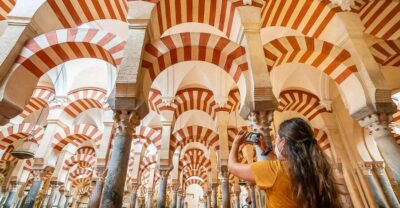
Skip-the-Ticket-Line Mosque-Cathedral Guided Tour
Read our review →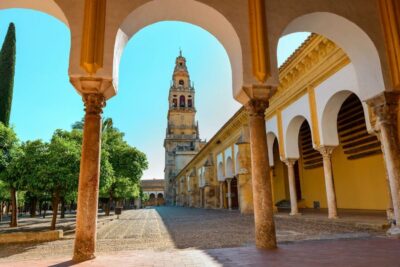
Cordoba Mosque-Cathedral: Skip-the-Line Guided Tour
Read our review →

Cordoba Mosque & Jewish Quarter Tour with Tickets
Read our review →
Skip-the-Line Great Mosque-Cathedral History Tour
Read our review →Browse the lists this tour appears in