
Reviewed · WINE TOURS
From Madrid: Ribera del Duero Tour of 3 Wineries w/ Tastings
Three wineries, eight wines, one long day. This Ribera del Duero trip is appealing because it shows you several faces of Spanish winemaking, from stylish modern cellars to a 16th-century underground network. I especially like the mix of family-run wineries and local appetizers, plus the chance to compare wines in the region where Tempranillo has become a national star. The main drawback is the length: with four hours of driving and three tastings, you need stamina for an 11-hour outing.
The tour also gets strong marks for its guides. Ismael, Muna, Jorge, Antonio, Kike, and Raul have all been praised for clear explanations and warm care, with Ismael taking extra time to translate for guests when needed. At $218 per person, this is not Madrid’s cheapest wine excursion, and lunch costs extra, but the transport, guide, three winery visits, tastings, and food pairings make the price easier to justify for serious wine fans.
In This Review
- The best parts of the day
- Why Ribera del Duero makes a fine day trip
- Leaving Madrid at 9:15
- First winery: modern design and careful production
- Second winery: modern buildings in the countryside
- Lunch in a Castilian town
- The final stop: medieval tunnels beneath the town
- What the tastings are like
- The $218 price: who gets good value
- Who should book this experience
- A few practical tips before you go
- Should you book the Ribera del Duero tour?
- FAQ
- Where does the tour depart from?
- What time does the tour leave Madrid?
- How long is the drive to Ribera del Duero?
- How many wineries does the tour visit?
- How many wines will I taste?
- Is lunch included?
- Is the tour available in English?
- Can children join the tour?
The best parts of the day
- Three contrasting wineries: Compare avant-garde design, nature-focused modern production, and a traditional village cellar.
- At least eight Ribera del Duero wines: The tastings give you a useful feel for the region rather than a single winery’s style.
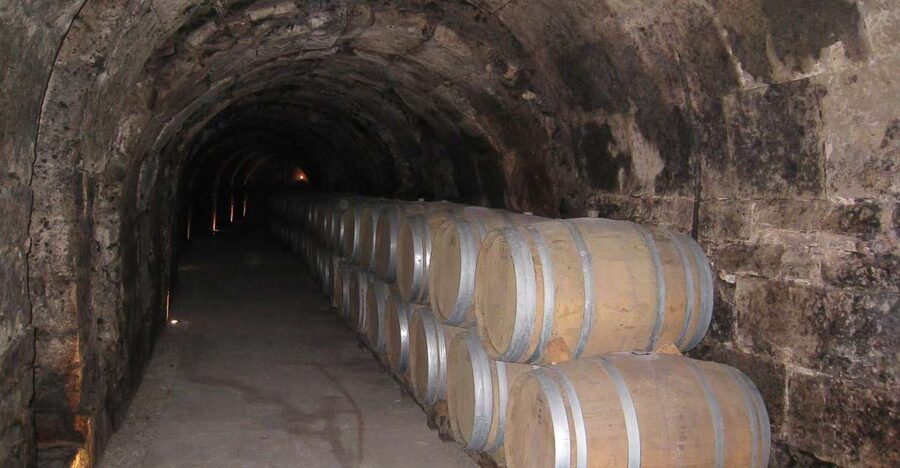
- A 16th-century underground cellar: The final stop includes medieval tunnels cut into rock, extending about 7 kilometers and reaching roughly 13 meters underground.
- Small-group format: Groups range from 4 to 20 people, with an average of about 8, making conversation with the guide easier.
- A true regional lunch break: You get at least an hour to choose tapas, a light meal, or a three-course Castilian lunch at your own cost.
- A guide-led introduction to the region: The two-hour drive becomes part of the experience, with stories about the Duero River, winemaking, and local traditions.
Why Ribera del Duero makes a fine day trip
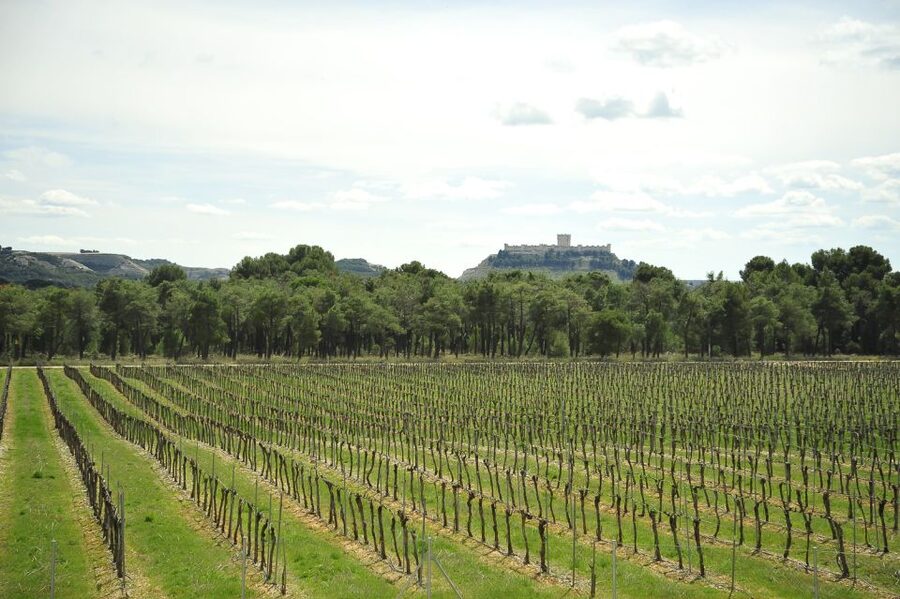
Ribera del Duero lies about two hours from central Madrid, so this is not a quick countryside outing. You leave the city at 9:15 in the morning from Plaza del Conde de Casal and spend much of the day among vineyards, small towns, wineries, and underground cellars.
The region takes its name from the Duero River, which flows across Spain and into Portugal. That river is not just a map detail. It helps explain why this part of the country became important for grape growing and why Ribera del Duero has such a strong identity of its own.
Many visitors know Rioja first. Ribera del Duero gives you a useful comparison. The wines here carry the Ribera del Duero Denomination of Origin, and the tour is built around tasting enough examples to notice differences in winemaking, aging, and house style.
I like that the day is not limited to polished tasting rooms. You see modern architecture and new production methods, but you also enter old cellars that are still used. That contrast gives the region more meaning than a simple series of tastings.
More Wine Tastings in Madrid
- Toledo Tour & Vineyard Walk with Wine Tasting from Madrid
★ 5.0 · 2,546 reviews - Madrid: Tapas & Wine Tasting Tour with Local Guide
★ 4.8 · 2,171 reviews - Madrid Tapas & Wine Tour with Rooftop Views and Local Guide
★ 5.0 · 2,047 reviews
Leaving Madrid at 9:15
The meeting point is at the front door of the cafeteria at Hotel Claridge, Plaza del Conde de Casal, 6. The Conde de Casal Metro station on Line 6 is nearby, so getting there by public transport should be straightforward.
The cafeteria itself is for hotel customers, so do not plan to arrive early and settle in there. Meet outside by the main entrance instead.
The drive takes about two hours. That is a long stretch in a vehicle, but the guide uses it to explain the area and share anecdotes about the wine region. Previous guides have included professional sommeliers, and the strongest part of the trip is often this running commentary between stops.
The vehicle has been described as comfortable, though one past experience reported problems with the public address system and uneven air conditioning. That may not reflect every departure, but it is worth keeping expectations practical. Bring a light layer, since bus temperatures can be unpredictable.
The tour runs in English and Spanish. Both languages may be used at the same time if needed. Ismael has been especially praised for translating sections personally and making sure English-speaking participants were not left behind.
First winery: modern design and careful production
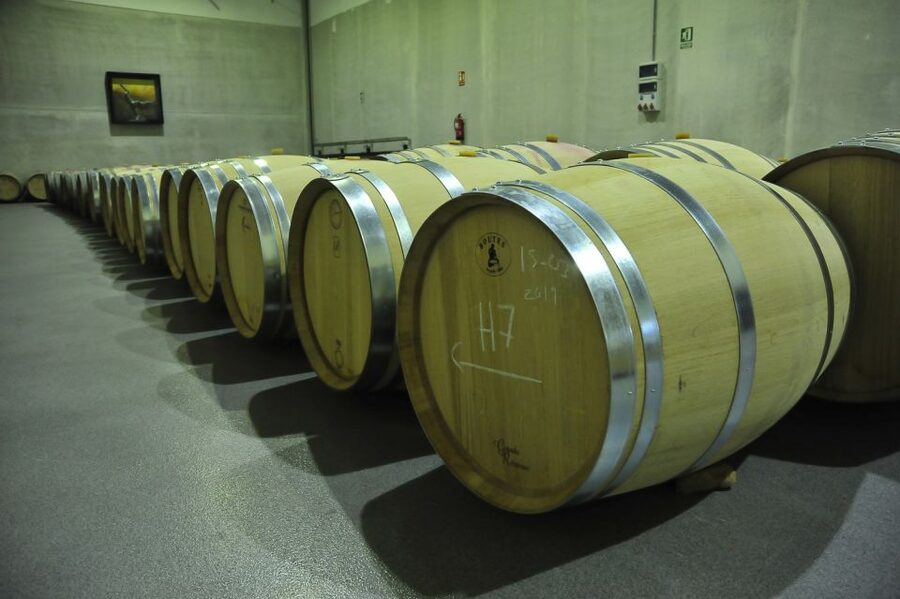
The first 75-minute stop is in the Aranda de Duero area. You tour the facilities, learn how the wine is made, taste several bottles, and receive local snacks.
This winery is described as a boutique producer with avant-garde architecture. The idea is not modern design for its own sake. The building is planned around controlled conditions for producing high-quality wine, with attention paid to each stage of the process.
That makes this stop a good introduction to the newer side of Ribera del Duero. You can expect a polished setting and a focus on precision. The winery has gained national and international attention, and six of its wines received ratings above 95 points on the Tim Atkin scale in 2025. One of the founders was also named Winemaker of the Year.
Those details may matter to wine collectors, but you do not need to follow wine scores to enjoy the visit. The useful part is seeing how a smaller, ambitious producer tries to combine local grapes with contemporary methods.
The tasting includes local appetizers, which help keep the morning comfortable. Do not expect a full meal, though. You are tasting rather than eating lunch, and the schedule continues soon after.
Second winery: modern buildings in the countryside
The second 75-minute visit shows another side of the region. Here, the architecture and production spaces connect closely with the vineyards and surrounding countryside.
The point of visiting three wineries is not to repeat the same tour three times. The first stop presents a boutique approach. The second looks at how modern structures can work with nature, function, and older local traditions.
You will again tour the facilities, taste several wines, and have local snacks. The guide helps connect what you see to the broader story of Ribera del Duero, while the winery staff explain their own methods.
This is where the tour earns much of its value. A single winery can leave you with a good impression of one producer. Three different producers let you compare. You can pay attention to the buildings, the cellar design, the production scale, and the way each team talks about its wines.
The timing is firm, with about 75 minutes at each winery. That keeps the day moving, but it also means you will not have unlimited time to linger over every bottle. If you want a slow, highly technical tasting, a private visit may suit you better.
Same base, a different kind of afternoon:
- Madrid: Tour Bernabéu Entry Ticket
★ 4.5 · 21,573 reviews - Madrid: Prado Museum Entry Ticket
★ 4.6 · 17,509 reviews - Madrid: Royal Palace Fast-Access Admission Ticket
★ 4.6 · 13,856 reviews - Madrid: “Emociones” Live Flamenco Performance
★ 4.8 · 12,866 reviews
Lunch in a Castilian town
After the first two wineries, the group gets at least one hour for lunch or free time. This meal is not included, so budget separately.
The guide recommends local options ranging from tapas to a full three-course Castilian lunch. A tapas meal costs about €12 to €15, while a full lunch is expected to cost around €30.
I like having a real break here. Wine tasting is more enjoyable when you have time for solid food and a pause from the vehicle. The stop also gives you a chance to see more of the local setting instead of moving directly from one cellar to the next.
The lunch quality may vary by restaurant. One past account found the food disappointing and wished for a better location, while another described the small-town lunch as ideal. The sensible approach is to ask the guide for the day’s best choice and decide whether you want a quick meal or a longer regional lunch.
If you choose the three-course option, keep an eye on the clock. The final winery is still ahead, and the tour returns to Madrid at about 8:00 in the evening, depending on traffic.
The final stop: medieval tunnels beneath the town
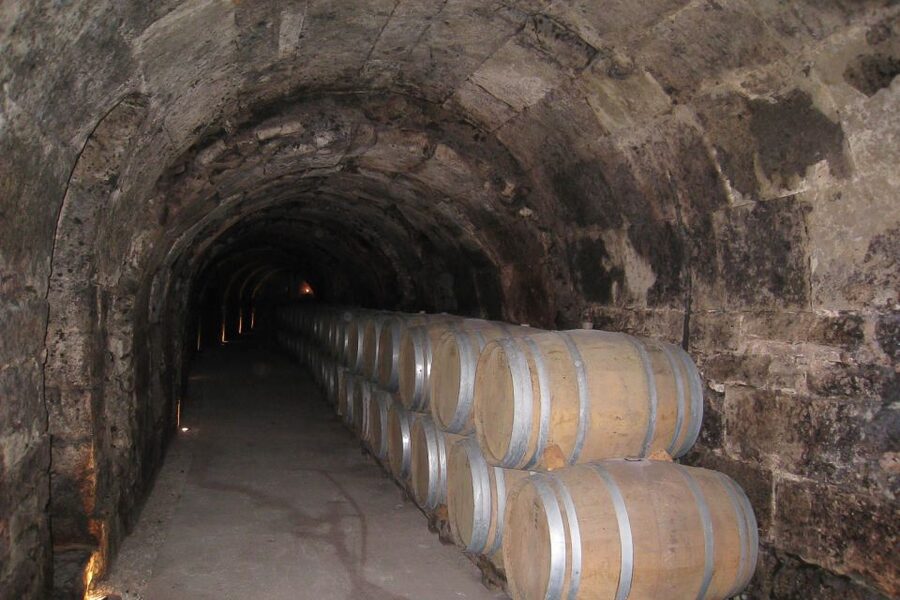
The third winery is the historical centerpiece. Its winemaking tradition has continued for about 400 years, and it was founded before the Ribera del Duero Denomination of Origin existed.
The visit includes a medieval underground cellar dating from the 16th century. The tunnels were excavated through rock, extend for about 7 kilometers, and reach around 13 meters below ground. They are still in use, which makes the stop more than a museum visit.
You may also see older machinery and traditional methods alongside modern production. That mix helps explain how wine was made before today’s tanks, controls, and architecture, and how the region has adapted without abandoning its older cellars.
The tasting lasts about 75 minutes and includes more local appetizers. By this point, the day has covered several styles of winery, so the final wines have useful context. You are no longer tasting in isolation. You have already seen how different producers work and can make better comparisons.
The cellar can also be the most memorable part of the day for people who are interested in architecture, archaeology, or local history as much as wine. It gives the tour a sense of place that a modern tasting room cannot provide.
What the tastings are like
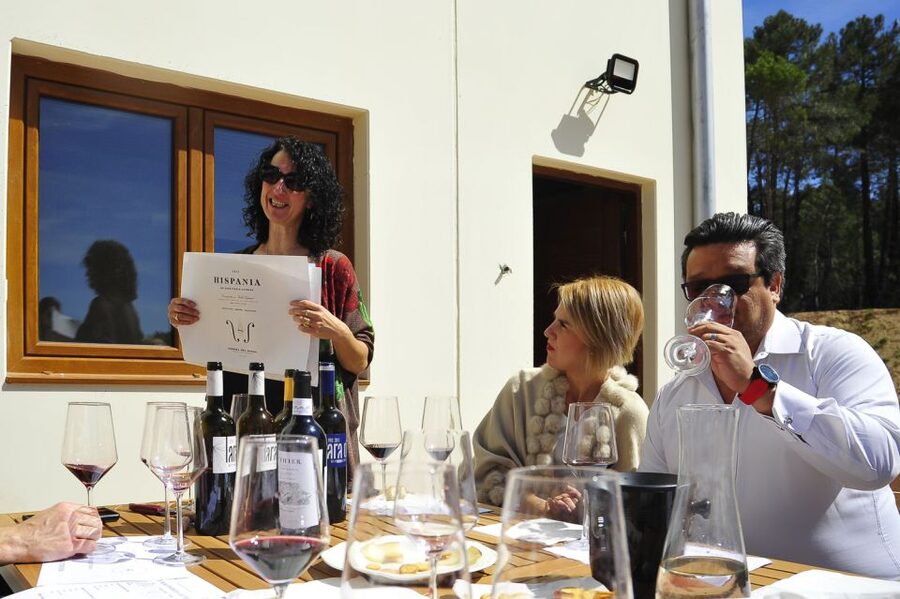
You taste at least eight wines carrying the Ribera del Duero designation, spread across the three wineries. The exact bottles can vary, but the structure gives you several chances to compare the region’s character.
At each winery, the tasting is paired with local snacks. These are useful palate companions and help prevent the experience from becoming a string of empty-stomach pours. Still, you should eat breakfast before departure and use the lunch break properly.
The guides explain the winemaking process, grape characteristics, aromas, and tasting methods. The best guides, including Ismael, Muna, and Raul, have been praised for making technical ideas easy to follow without turning the day into a classroom lecture.
You do not need advanced wine knowledge. If you know little about Spanish wine, the guide can give you a basic framework. If you already know your way around a tasting glass, you will likely appreciate the regional comparisons and the chance to ask more detailed questions.
The tour also suits solo participants. The average group is about eight people, which is small enough for conversation but large enough to create a social atmosphere. The maximum is 20, and the minimum is four, so the exact feel depends on the departure date.
The $218 price: who gets good value
At $218, this is a premium group day trip from Madrid. You are paying for round-trip transport, a bilingual expert guide, three winery visits, at least eight wines, and appetizers at every stop. Lunch is extra, as are any personal purchases.
The price makes sense if you want a full day arranged for you. Reaching three wineries in Ribera del Duero without a car would be difficult, and driving yourself would mean giving up the tastings. The guide also handles timing, translation, winery coordination, and the regional explanation that ties the stops together.
It is less attractive if you only want a quick tasting or are mainly interested in one specific producer. At least four hours of the day are spent traveling to and from Madrid, and the tour can feel long after the third visit.
One past participant felt two wineries might have been enough. That is a fair point. Three stops provide variety, but the format demands commitment. I would choose this tour for a dedicated wine day, not for a casual half-day activity squeezed between Madrid sightseeing plans.
Who should book this experience
I would recommend it most strongly to:
- Adults who enjoy Spanish red wine and want to understand Ribera del Duero
- People who prefer guided transport instead of renting a car
- Solo visitors who want a social small-group outing
- Couples and friends happy to spend a full day outside Madrid
- Anyone interested in old cellars, modern architecture, and production methods
- Wine beginners who want explanations without arranging several separate visits
The minimum tasting age is 18, and children under 12 cannot join. The tour is not suitable for wheelchair users, and pets are not allowed.
You should also be comfortable with a long day. The total duration is 10 to 11 hours, the drive is about two hours each way, and the schedule includes three winery visits. Wear practical shoes for cellar visits and bring a layer for the vehicle and underground spaces.
A few practical tips before you go
Arrive at the Hotel Claridge meeting point with time to spare, but wait outside the cafeteria entrance rather than assuming you can use the hotel facilities.
Eat something before departure. The morning appetizers are welcome, but they are not breakfast or lunch.
Set aside roughly €12 to €15 for tapas or about €30 for a full meal. Ask the guide for the best lunch option on the day, since the food stop can affect how much you enjoy the middle of the tour.
Keep your schedule clear after returning. The planned arrival is around 8:00 p.m., but traffic can push that later.
If you are sensitive to temperature, bring a light jacket. A previous vehicle had uneven air conditioning, so it is better to be prepared.
The tour offers free cancellation up to 24 hours before departure and allows you to reserve now and pay later. That flexibility is useful when your Madrid plans are still changing.
Should you book the Ribera del Duero tour?
Book it if you want a serious, well-organized wine day with real regional variety. The combination of three family wineries, eight or more wines, local food, modern production spaces, and medieval cellars gives you far more context than a single tasting near Madrid.
I would skip it if your schedule is tight, you dislike long drives, or you want a relaxed lunch with plenty of free time. The day is structured and full, and the cost is high for anyone only mildly interested in wine.
For the right person, though, this is a strong choice. You leave Madrid’s city streets behind, meet the people keeping old and new wine traditions alive, and return with a clearer idea of why Ribera del Duero deserves a place beside Spain’s better-known wine regions.
FAQ
Where does the tour depart from?
The meeting point is at the front door of the cafeteria at Hotel Claridge, next to the hotel’s main entrance, at Plaza del Conde de Casal, 6, Madrid.
What time does the tour leave Madrid?
The departure time is 9:15 a.m.
How long is the drive to Ribera del Duero?
The drive from central Madrid takes approximately two hours.
How many wineries does the tour visit?
The tour visits three family-owned wineries in the Ribera del Duero region.
How many wines will I taste?
You will taste at least eight wines with the Ribera del Duero Denomination of Origin across the three wineries.
Is lunch included?
No. Lunch is not included. You receive at least one hour of free time, and the guide recommends local restaurants. Tapas cost approximately €12 to €15, while a full three-course meal costs around €30.
Is the tour available in English?
Yes. The tour is offered in English and Spanish, and both languages may be used during the same departure if necessary.
Can children join the tour?
Children under 12 cannot take part, and the minimum age for wine tastings is 18.
Recently listed in Madrid
- Madrid: Royal Palace VIP Tour with Skip-the-Line Ticket★ 4.3 · 645 reviews
- Madrid: Las Ventas Bullring VIP Private Guided Tour★ 5.0 · 151 reviews
- Photographic tour of Madrid with a professional photographer★ 5.0 · 104 reviews
- Zarzuela Opera and Dinner at La Castafiore Restaurant in Madrid★ 5.0 · 143 reviews
- Madrid Local’s Wine and Tapas Lunch Tour with a side of History★ 5.0 · 101 reviews
- Tapas and history tour ending with churros with chocolate★ 5.0 · 119 reviews
- Atletico de Madrid Stadium & Interactive Museum Admission Ticket★ 4.5 · 183 reviews
- Wine Tasting near Plaza Mayor in Madrid★ 5.0 · 210 reviews
Wine Tours, compared.
Montserrat & Cogwheel Train, Gourmet Wine Tasting & Tapas/Lunch
Read our review →
Montserrat with Black Madonna & Medieval Winery with Tapas/Lunch
Read our review →
Montserrat and Winery Tour with Tapas or Lunch
Read our review →
Ronda+Setenil de las Bodegas with Little Train
Read our review →

Toledo Tour & Vineyard Walk with Wine Tasting from Madrid
Read our review →
Málaga & Costa del Sol: Ronda and Setenil de las Bodegas
Read our review →
Browse the lists this tour appears in