
Reviewed · MADRID TOURS
From Madrid: Segovia, Ávila, and Toledo Guided Tour
Three cities, one long day. This trip gives you a fast, useful introduction to Segovia, Ávila, and Toledo, three UNESCO-listed places that are awkward to connect without a car. I especially like the Roman aqueduct and Alcázar in Segovia, plus the grand interior of Toledo Cathedral. The main drawback is time: 12 hours sounds generous, but the long drives and three walking tours leave little room for wandering.
The guides are a major strength. Antonio, Diego, Eduardo, Laura, María, and others have been praised for clear English, good pacing, humor, and calm group management. You should still expect a whirlwind day, with hills, cobbled streets, early departure, and a bilingual tour that may feel brisk in both English and Spanish.
In This Review
- Key details that shape the day
- Why this day trip makes sense from Madrid
- Segovia begins with stone on a giant scale
- Ávila shows you a city wrapped in walls
- Toledo brings together three traditions
- A bilingual tour with strong guide support
- Coach travel, walking, and the cost of comfort
- Lunch upgrade or free time?
- Who will get the most from this tour?
- Should you book the Segovia, Ávila, and Toledo day trip?
- FAQ
- How long does the tour last?
- Where does the tour begin?
- Where does the tour finish?
- Is lunch included?
- Is Toledo Cathedral included?
- What languages are available?
- Is the tour suitable for wheelchair users?
Key details that shape the day
- Three UNESCO cities in one outing: You see major sights in Segovia, Ávila, and Toledo without arranging separate transport.
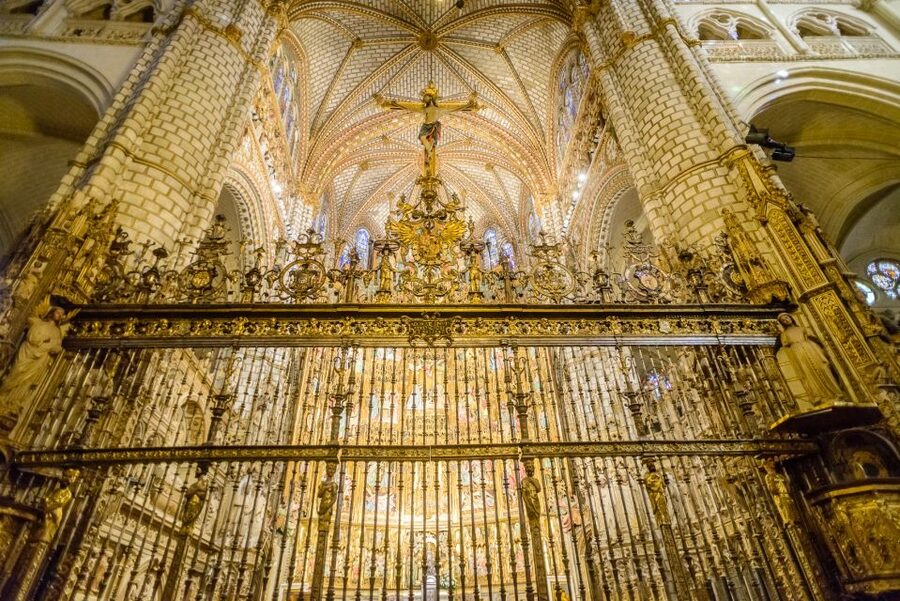
- Toledo Cathedral entry included: The cathedral is one of the day’s great payoffs, with a guided visit inside.
- Segovia’s Roman aqueduct and Alcázar: The route covers the city’s most famous sights, though free time is limited.
- A stretch of Ávila’s medieval walls: You get close to the remarkable fortifications and hear how they survived.
- Lunch is optional: Pay for the upgrade for a traditional Iberian meal, or use free time to choose your own restaurant.
- The Toledo valley viewpoint: This photo stop gives you the classic broad view of Toledo from outside the old city.
Why this day trip makes sense from Madrid
Madrid is well connected to Spain’s major cities, but Segovia, Ávila, and Toledo sit in different directions. You can reach each independently, yet doing all three by train and bus in one day would be a logistical puzzle. This tour handles the driving in an air-conditioned coach and leaves you to follow the history.
At $99 per person, the value depends on your priorities. If you want depth, this is not the right format. Each city deserves at least a full day, and Toledo alone could fill one. If you want a broad first look at central Spain, the price is sensible. You get transport, a guide, guided walks, and admission to Toledo Cathedral. The lunch option costs extra, so compare that upgrade with local menu prices before booking.
The day usually runs from about 8 a.m. to 8 p.m. You meet at the provider’s office on Plaza de San Miguel, near Madrid’s center, then walk a short distance to the coach. One useful practical note: the actual group may gather around the corner from the stated meeting point, so arrive 15 minutes early and look for the guides and other passengers.
The vehicle is generally a comfortable coach rather than a tiny minibus. That matters on a day with long road sections. The route includes roughly 75 minutes to the first major stop, about an hour between Segovia and Ávila, two hours toward Toledo, and around 90 minutes back to Madrid. The bus is air-conditioned, but it does not appear to have a toilet. Eat before boarding, and use the scheduled bathroom breaks.
A few more Madrid ideas to compare
- Madrid: Tour Bernabéu Entry Ticket
★ 4.5 · 21,573 reviews - Madrid: Prado Museum Entry Ticket
★ 4.6 · 17,509 reviews - Madrid: Royal Palace Fast-Access Admission Ticket
★ 4.6 · 13,856 reviews
Segovia begins with stone on a giant scale
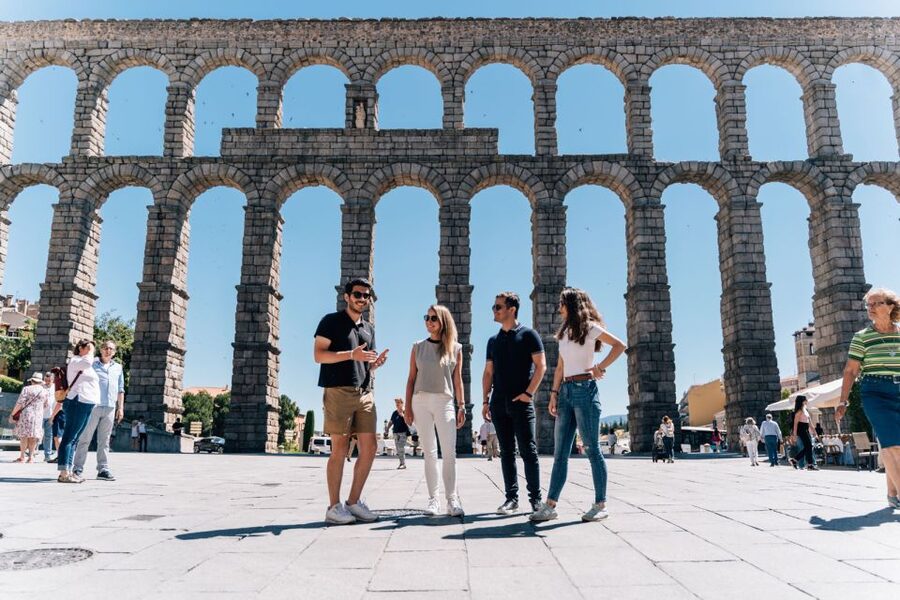
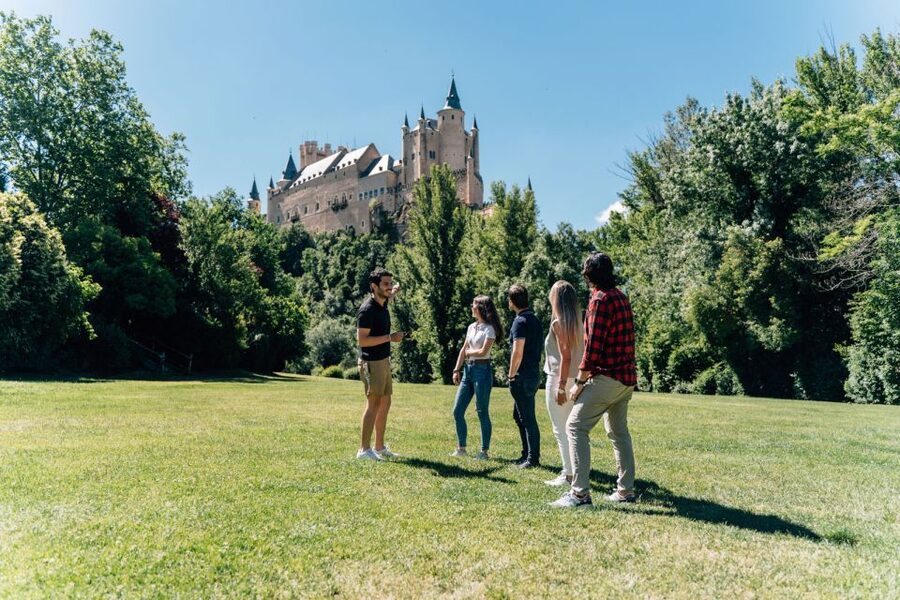
Segovia is the easiest place to love at first sight. The Roman aqueduct rises through the city in huge, perfectly balanced blocks, built without the modern machinery you might expect. You get a guided walk of about 30 minutes, enough to understand the structure and take in its size from street level.
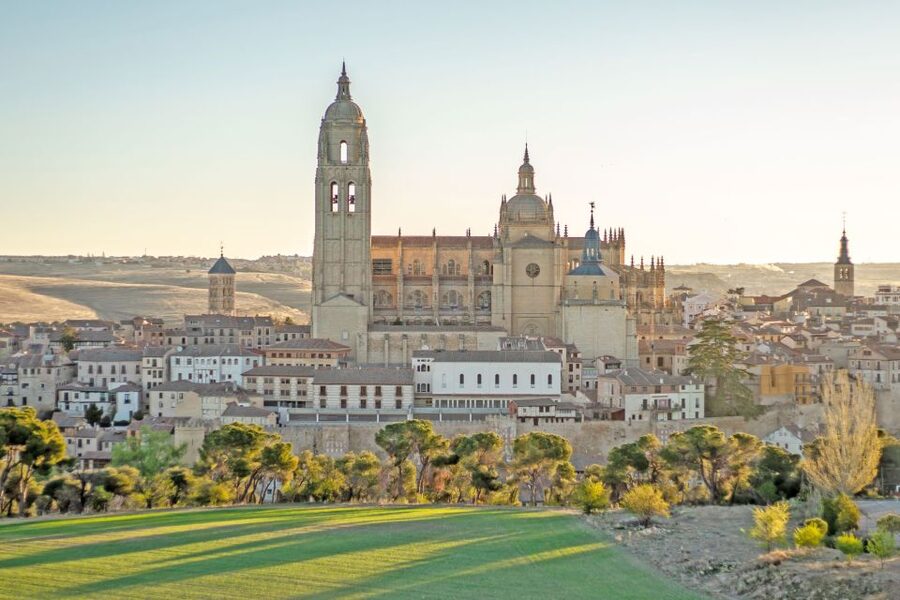
The guide then leads you toward the cathedral and old quarter. Segovia Cathedral receives a short guided visit, listed at about 15 minutes, so think of this as an orientation rather than a full study of the building. You will see the main setting and hear the key points, but you will not have time to examine every chapel or artwork.
After the formal walk, you have about an hour for free time, shopping, photographs, or a quick snack. That hour is useful, but it goes quickly. Some people would prefer more time here, especially after seeing the aqueduct. The route may also include a bonus view of the Alcázar, sometimes called the Snow White Castle because of its fairytale appearance.
The Alcázar receives a longer guided visit of about an hour. This old royal palace and fortress is one of Segovia’s great rewards. Its pointed towers and high position make it photogenic from outside, while the interior gives the day a strong royal and military theme.
Segovia is hilly in places, and the streets can be uneven. Comfortable shoes are not a suggestion here. If you cannot keep pace, the guide may arrange a meeting point and allow you to explore independently until the group reunites.
Ávila shows you a city wrapped in walls
Ávila changes the mood. Segovia feels grand and royal, while Ávila feels enclosed, sturdy, and medieval. The city’s 11th-century walls surround the historic center in a broad circuit of towers and stone defenses. This is the kind of sight that makes more sense when you see it in person than in a photograph.
The guided walk covers a section of the walls and continues toward the cathedral and other central monuments. The tour does not promise a full circuit of the fortifications, so keep your expectations realistic. You see the key stretch and learn how the walls have been preserved, but you will not have hours to explore every tower or museum.
Ávila is also the lunch stop, with about an hour set aside. If you choose the upgrade, lunch takes place in a traditional restaurant and includes an Iberian-style meal. One recent menu description included stew, fish, dessert, and tinto de verano. That can be convenient, especially when the schedule is tight, though the quality may not feel worth the added cost to everyone.
If you skip the lunch upgrade, you get free time and restaurant suggestions from the guide. This gives you more control, but timing matters. Some restaurants may not be open at the scheduled hour, and popular places can fill quickly. One practical tip from the experience is to look inside the walls for lunch options, since at least one meal stop was located outside the old center and reduced time for exploring.
Ávila may be the least essential stop for some people. If your main interests are architecture and grand interiors, Toledo and Segovia may have greater appeal. If you enjoy medieval defensive towns, Ávila can be the day’s most distinctive place. The walls are not simply scenery. They explain the city’s shape and give you a clear sense of its past as a fortified frontier town.
Toledo brings together three traditions
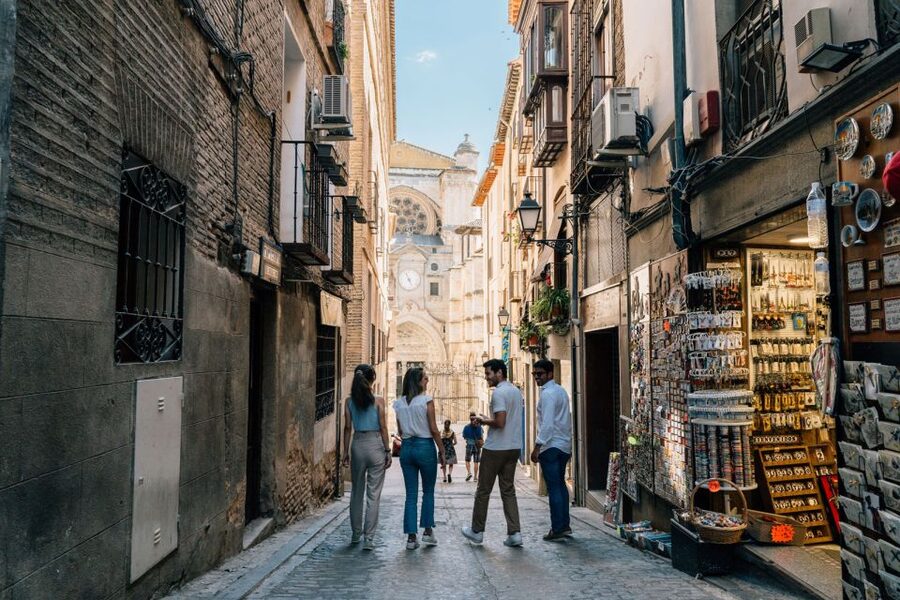
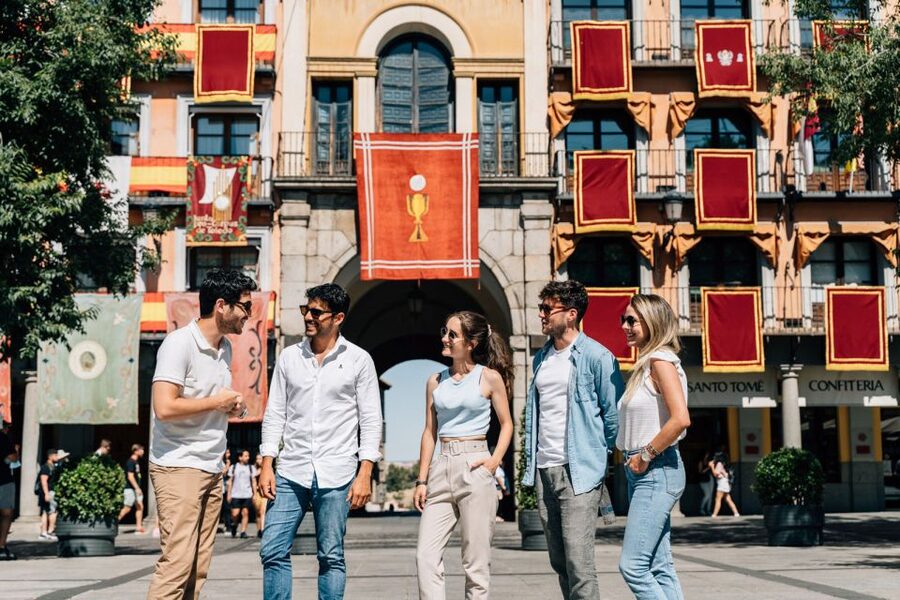
Toledo is the most layered stop. Christian, Jewish, and Muslim traditions shaped the city, which is why it is often called the city of three cultures. The old center is a maze of narrow streets, stone façades, and turns that make independent navigation slow but rewarding.
The guided walk lasts about an hour and focuses on important sights, local corners, and the city’s long religious story. A guide is particularly useful here because the meaning of a doorway, wall, former religious building, or street plan is easy to miss when you are walking alone.
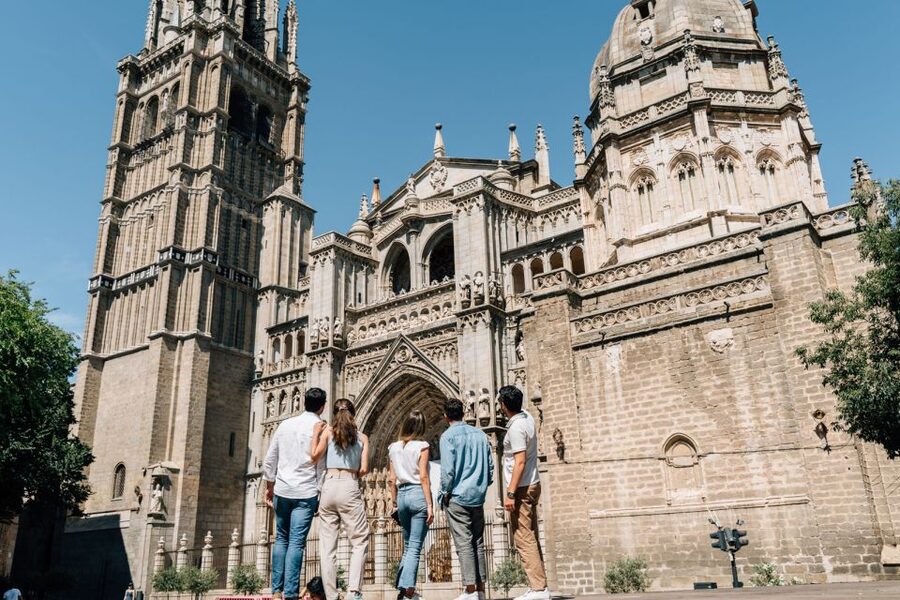
The highlight is Toledo Cathedral, officially the Primada Cathedral. Entry is included, and the guided visit lasts about an hour. The building is widely praised as the strongest part of the day, and it is easy to see why. You get scale, art, religious history, and architectural detail in one stop. The tour is described as using a separate entrance, which helps reduce waiting.
The cathedral is also where the limited schedule becomes most noticeable. An hour gives you a structured look, not a complete visit. If Toledo is your main reason for coming to Spain, book a separate day here instead. On this tour, you are getting the essential introduction, not the final word.
Before leaving Toledo, the group goes to a valley viewpoint for about 30 minutes. From here, you can see the historic city rising above the surrounding area, with its clustered buildings and prominent cathedral. This is one of the best photo stops of the day. If the timing lines up with late afternoon light, the view can be especially memorable, though the exact conditions depend on the season and schedule.
Same base, a different kind of afternoon:
- Madrid: “Emociones” Live Flamenco Performance
★ 4.8 · 12,866 reviews - Madrid: Panoramic Route City Tour
★ 4.1 · 12,259 reviews - Madrid: Live Flamenco Show with Food and Drinks Options
★ 4.5 · 9,901 reviews - Avila & Segovia Tour with Tickets to Monuments from Madrid
★ 5.0 · 9,762 reviews
A bilingual tour with strong guide support
The experience runs in English and Spanish. That arrangement can make the walking portions a little longer because the guide switches between languages, but the better guides keep the group moving without losing the thread. Antonio has been singled out for clear delivery in both languages, while Diego, Eduardo, Laura, María, and others have earned praise for their patience, humor, and attention to stragglers.
Headsets are provided during the city walks. They are useful in crowded streets or when the group spreads out near a monument. You can hear the explanation without standing shoulder to shoulder with the guide.
Group handling matters on a day like this. The schedule is tight, and a late return from free time can affect everyone. Guides such as Antonio and Eduardo have been praised for clear meeting instructions and steady pacing. You should still keep an eye on the time and treat every free period as a firm deadline.
A bilingual group may not suit you if you want long, detailed explanations in one language. It does work well if you value seeing more places and can accept a quicker rhythm.
Coach travel, walking, and the cost of comfort
The coach saves you from changing trains, checking schedules, and finding your way into three historic centers. It also means several long road stretches. The longest listed drive is about two hours, and the return to Madrid takes around 90 minutes. The countryside helps break up the day, but this is still a lot of sitting.
Bus quality can vary. Some departures use newer, comfortable coaches, while one account mentioned dirty windows and seatbelts that did not latch properly. That is worth checking before settling in. The coach is air-conditioned, but food and drinks are not allowed onboard, so plan around the rules.
Walking is moderate in distance but not always easy underfoot. Toledo has narrow, sloping streets. Segovia and Ávila also have hills and old paving. The tour is not wheelchair accessible and is not suited to people with mobility impairments, serious back problems, or motion sickness. If you can walk at a normal pace but need occasional breaks, tell the guide. If you cannot keep up, the guide may set a meeting point and give you free time.
Bring your passport or ID card, even for a domestic sightseeing day. Wear shoes with good grip, carry weather protection, and remember that the three cities may feel different from Madrid on the same day.
Lunch upgrade or free time?
The lunch choice affects the shape of Ávila. The upgrade is the easy option. You sit down at an arranged traditional restaurant and avoid spending part of your limited hour searching for a table. It may also be worthwhile if you want to sample a set Iberian meal and prefer not to make decisions while watching the clock.
The free-time option is better for independence and cost control. The guide gives restaurant advice, and local three-course menus can be reasonably priced. One suggested restaurant offered a three-course lunch for 17 euros, though opening hours and availability can change.
I would choose the upgrade if you are visiting during a busy period, dislike rushed meal decisions, or want the group schedule handled for you. I would skip it if you care more about choosing your own food, saving money, or using lunch time to walk farther inside Ávila. Ask at check-in about dietary needs and allergies if you select the meal.
Who will get the most from this tour?
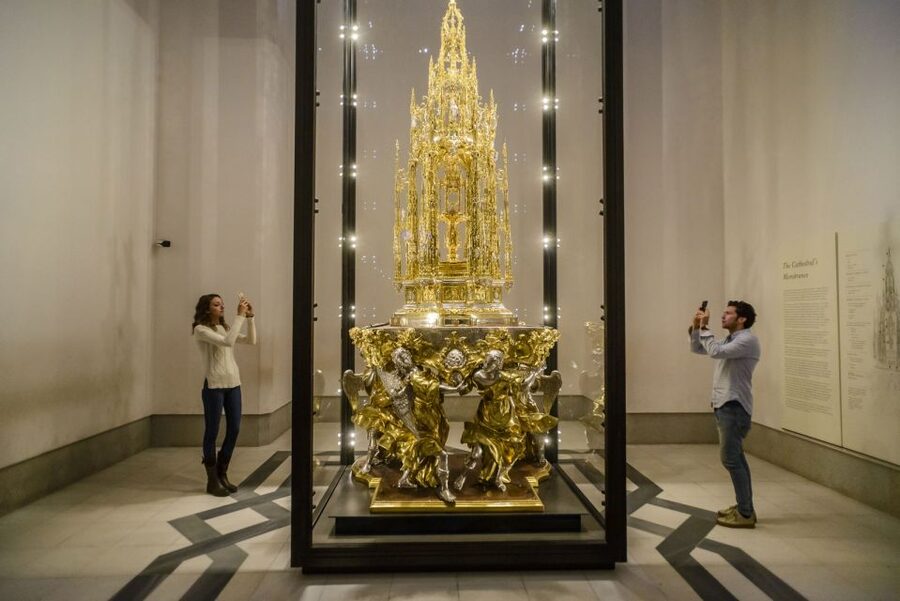
I would recommend it to a first-time visitor with limited time in Madrid, especially if you do not have a car. It gives you a useful map of central Spain: Roman engineering in Segovia, medieval defenses in Ávila, and layered religious culture in Toledo.
It also works well for people who enjoy guided history and prefer not to manage transport. The strongest guides make the past easier to follow, and the driver removes much of the day’s practical stress.
I would not choose it for a slow holiday. You will not have enough time to browse every old street, climb every wall, or linger over each cathedral. Families with very young children should note that children under three are free, but the day is long and the walking can be tiring. A baby car seat can be arranged if you provide the child’s exact age when confirming.
Should you book the Segovia, Ávila, and Toledo day trip?
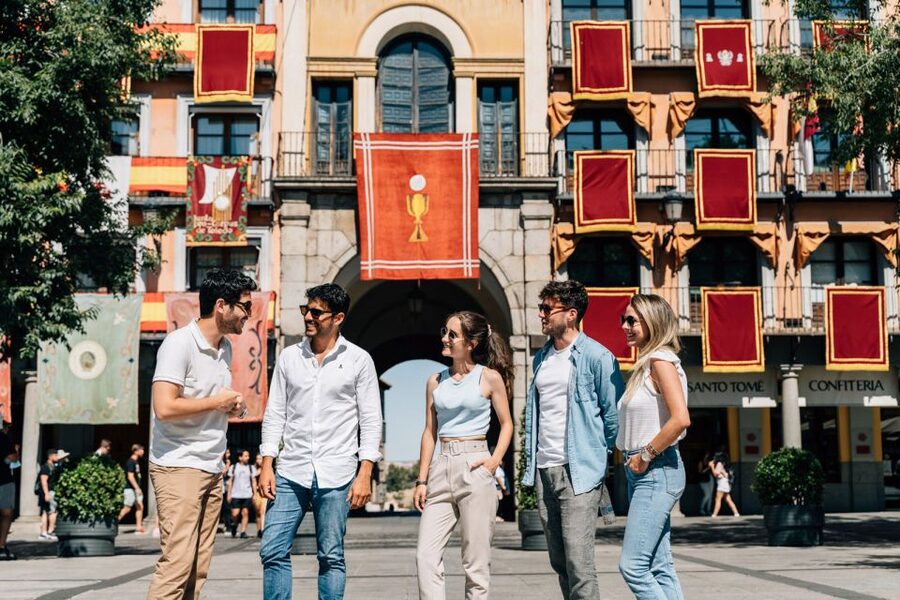
Book it if your goal is to see the major sights in three remarkable cities in one day. The aqueduct, Ávila’s walls, Toledo Cathedral, the Alcázar, and the Toledo viewpoint make a strong collection, and $99 is fair for transport plus guiding and cathedral entry.
Skip it if you already know Toledo or Segovia deserves your full attention. A two-city tour, or an independent overnight visit, would give you more time and less time on the road. For most first-time visitors with only a few Madrid days, though, this is a practical sampler. Go in expecting a full, tiring day, choose your lunch option carefully, and wear shoes made for hills rather than fashion.
FAQ
How long does the tour last?
The experience lasts about 12 hours. The listed schedule runs roughly from 8 a.m. to 8 p.m., though starting times should be confirmed when you check availability.
Where does the tour begin?
Meet at the activity provider’s office on Plaza de San Miguel, 7, in Madrid. Arrive at least 15 minutes before departure.
Where does the tour finish?
The tour finishes at C. de Bailén, 25, 28005 Madrid.
Is lunch included?
Lunch is included only if you select the upgrade option. Without the upgrade, you receive free time for lunch and restaurant recommendations from the guide.
Is Toledo Cathedral included?
Yes. Entry to Toledo Cathedral is included, along with a guided visit.
What languages are available?
The tour is conducted in English and Spanish. It may be bilingual, with the guide switching between the two languages.
Is the tour suitable for wheelchair users?
No. The experience is not wheelchair accessible and is not suitable for people with mobility impairments. It is also not recommended for people with back problems or motion sickness.
Recently listed in Madrid
- Madrid: Don Quixote de la Mancha Windmills & Toledo Tour★ 4.9 · 254 reviews
- Tour Madrid: Secrets in a Electric Tuk Tuk★ 4.6 · 155 reviews
- Madrid: Toledo Day Trip with Winery Visit and Wine Tasting★ 4.4 · 177 reviews
- Madrid: Guided Tour of Toledo with Cathedral Visit★ 4.3 · 399 reviews
- Madrid: 6-Hour Day Trip to Toledo with Guided Walking Tour★ 4.0 · 865 reviews
- Madrid: Tasty Tapas Tour & Visit to a Terrace with Views★ 4.5 · 118 reviews
- Madrid: Flamenco Show&Drink at Tablao 1911 (World’s Oldest)★ 4.7 · 253 reviews
- Madrid: Street Art Tour with Local Graffiti Hunter★ 4.8 · 270 reviews
Madrid Tours, compared.




Live Flamenco Show with Food and Drinks Options
Read our review →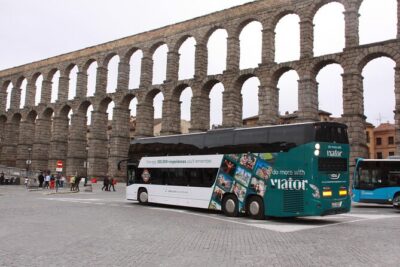
Avila & Segovia Tour with Tickets to Monuments from Madrid
Read our review →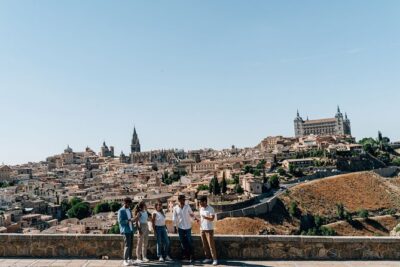
Three Cities in One Day: Segovia, Avila and Toledo from Madrid
Read our review →Browse the lists this tour appears in