
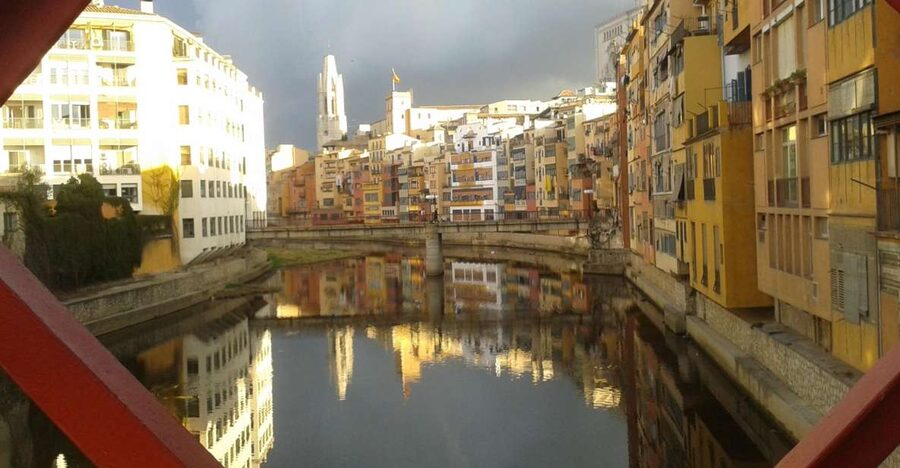
Reviewed · MUSEUMS
Girona: Jewish Heritage Guided City Tour and Museum Visit
Girona’s oldest streets tell a complicated story. This 2.5-hour walking tour takes you through El Call, Girona’s medieval Jewish Quarter, then into the Museum of Jewish History for a closer look at daily life, faith, and the community’s forced expulsion in 1492. I like the way the experience combines city sightseeing with serious historical context, rather than treating the Jewish Quarter as a pretty collection of stone lanes. I also like the small-group limit of 10 people, which gives you a better chance to ask questions and hear the guide clearly.
The main drawback is the walking itself. The Call is a maze of narrow, cobbled streets, and the tour is not suitable for wheelchair users. A few guides have also spoken quickly, and one guest wished for a microphone, so you should stay close to the guide and wear firm, comfortable shoes.
In This Review
- Key points to know before booking
- Meeting your guide beside Plaça Sant Feliu
- The first hour: Girona’s Barri Vell sets the scene
- Entering El Call, Girona’s medieval Jewish Quarter
- Nahmanides and Girona’s intellectual life
- The Museum of Jewish History adds the missing objects
- Why the small group matters in Girona
- How the guides shape the experience
- Is $53 a fair price?
- Practical advice for the 2.5-hour walk
- Who should book this tour?
- Should you book the Girona Jewish Heritage Tour?
- FAQ
- How long does the Girona Jewish heritage tour last?
- Where does the tour meet?
- What does the tour include?
- Is hotel pickup included?
- Which languages are available?
- How many people are in the group?
- Is the tour suitable for wheelchair users?
- What should I bring?
- Can I cancel the booking?
Key points to know before booking
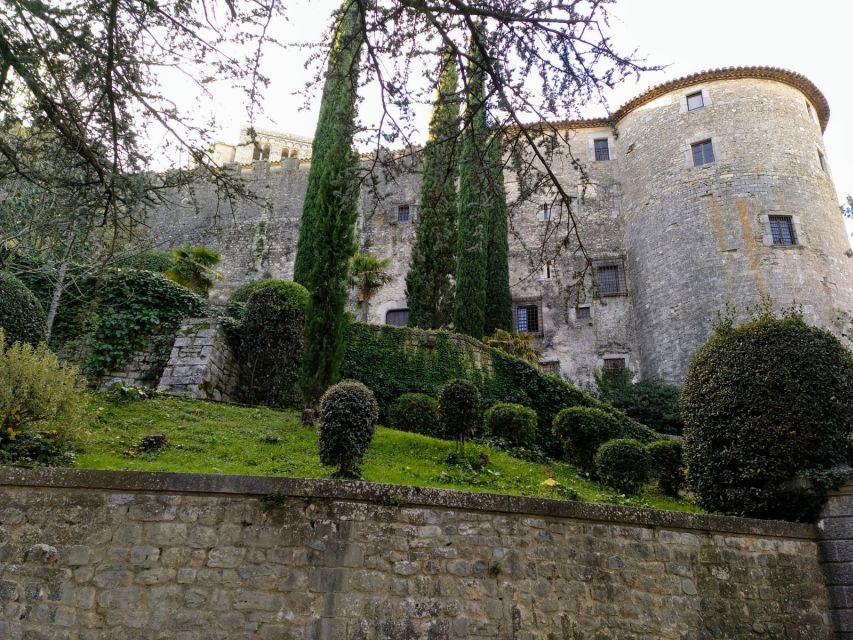
- The Call was once home to about 1,000 people: Girona’s Jewish Quarter was one of the major Jewish communities in medieval Spain.
- You visit the Museum of Jewish History: The museum adds objects, customs, house design, and personal context to the streets outside.
- The route follows Girona’s three former synagogue sites: You will not simply walk past attractive buildings without explanation.
- Nahmanides is central to Girona’s story: The city was home to the important rabbi, physician, philosopher, and Kabbalistic thinker.
- The group is limited to 10 people: That suits anyone who wants conversation instead of a large procession.
- The guides receive strong praise for their storytelling: Mike, Carolina, Ona, Monica, Pete, and others are described as warm, clear, and deeply prepared.
Meeting your guide beside Plaça Sant Feliu

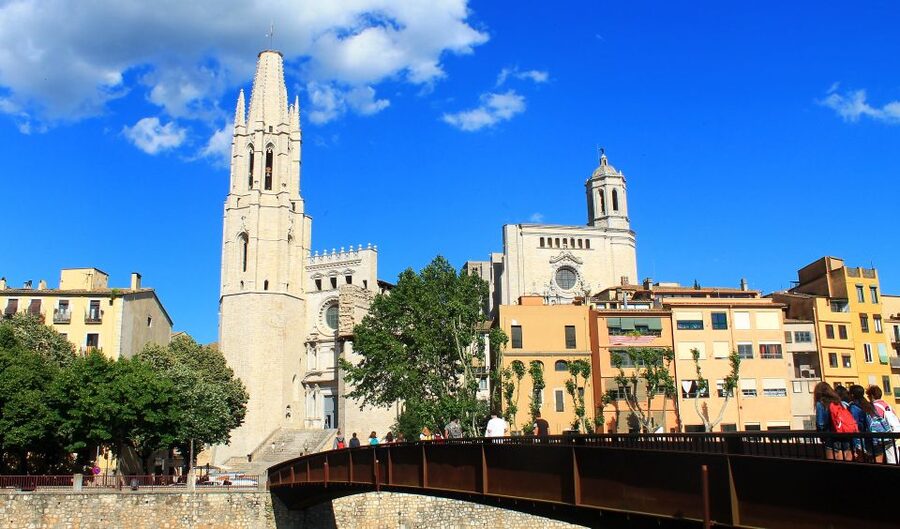
The tour begins at Plaça Sant Feliu, beside The River Caffe in Girona city. This is a useful starting point because you are already near the old city and close to the lanes leading into the Barri Vell, Girona’s Old Quarter.
Give yourself enough time to find the meeting point. The listed address includes Carrer d’En Jaume Pons Martí, and the meeting instructions identify Plaça Sant Feliu as the spot to use. You will not receive hotel pickup, so plan to reach the square on your own.
The tour is offered in English or Spanish. A small group of no more than 10 people is a real advantage here. Girona’s old lanes can feel tight, and a large group would make it harder to gather around a doorway, plaque, or small architectural detail.
More Museum Tours in Spain:
- Madrid: Prado Museum Entry Ticket
★ 4.6 · 17,509 reviews - Barcelona: FC Barcelona Museum “Barça Immersive Tour” Ticket
★ 4.4 · 10,944 reviews - Madrid: Reina Sofía Museum Entrance Ticket
★ 4.5 · 6,889 reviews
The first hour: Girona’s Barri Vell sets the scene
The opening hour covers the Barri Vell, or Old Quarter, before focusing fully on the Jewish district. This order makes sense. You first get a broader view of Girona’s Roman and medieval past, then see how the Jewish community formed part of the city rather than existing as an isolated story.
Expect a walking tour through old streets and ancient remains. The value is not just visual. Your guide provides the background needed to understand why this part of Girona mattered, how the city developed, and where Jewish life fitted into the wider urban setting.
That context was one of the most praised features of the experience. Guides such as Carolina and Ona have been singled out for connecting Girona’s general history with its Jewish past. That approach is useful if you know little about Girona before arriving, and it also helps you place the later museum visit in a clearer frame.
The walk is not a flat, polished promenade. The streets are narrow and cobbled, so comfortable shoes are essential. You should also expect to stand while listening. If you have hearing difficulties, stay near the guide, especially since one participant found that a guide spoke quickly and another suggested that a microphone would help.
Entering El Call, Girona’s medieval Jewish Quarter
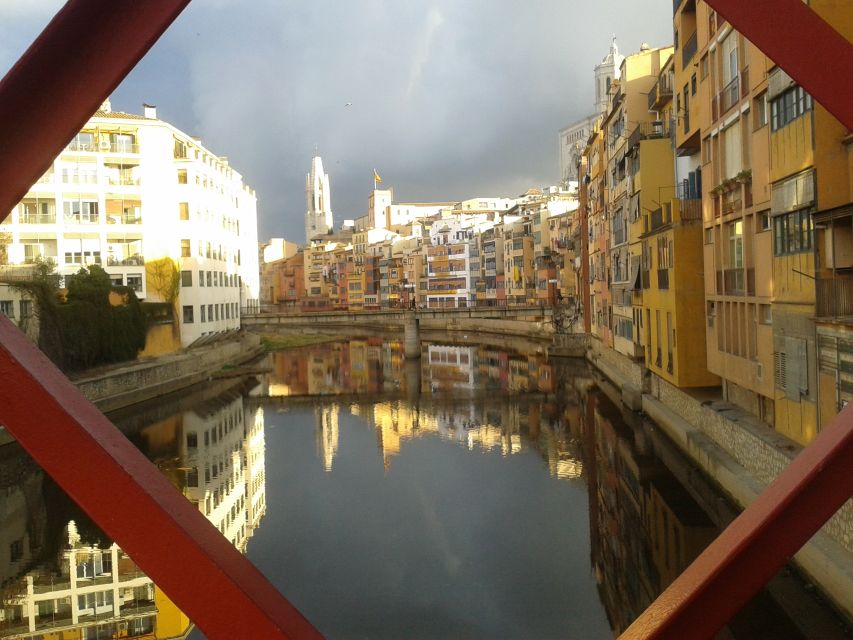
The next hour concentrates on El Call, the local name for Girona’s Jewish Quarter. This is the heart of the experience, and it is where the tour becomes more than a standard old-town walk.
The Call is often described as one of the best-preserved medieval Jewish quarters in Europe. Its narrow passages and stone buildings give you a strong sense of the old street plan, but the guide’s explanation matters just as much as the setting. Without it, you could easily see only picturesque lanes and miss the social world that once filled them.
During the Middle Ages, roughly 1,000 people lived in this community. The tour explains the customs and traditions of Girona’s Jewish residents, the tools they used, and the design of their homes. These details bring the story down to a human scale. Instead of hearing only about dates and rulers, you learn how people organized their houses, worship, work, and community life.
You also visit the sites where Girona’s three synagogues once stood. These are not necessarily grand surviving buildings, so the guide’s ability to point out locations and explain what happened there is important. The absence of a complete synagogue is part of the story. It reminds you that this is a place marked by both survival and loss.
Nahmanides and Girona’s intellectual life
Girona was the hometown of Nahmanides, also known as Ramban, a major medieval rabbi, physician, philosopher, and Kabbalistic thinker. His presence gives the tour a strong intellectual thread.
You do not need advanced knowledge of Jewish history to follow the tour, but the experience can reward visitors who already know something about Jewish sources or Sephardic history. One participant particularly appreciated the guide’s ability to answer detailed questions, while still keeping the discussion lively.
That balance is worth noting. The best guide for you will be someone who can explain serious religious and historical subjects without turning the walk into a lecture. Mike has been praised for humor, conversation, and his ability to engage people with different levels of familiarity. Carolina has been praised for clear storytelling and an excellent command of Girona and Spanish history.
Guide quality can vary slightly in presentation. Several guides, including Ona, Monica, Pete, Julia, and Marc, have been praised for making the past easy to follow. The consistent theme is strong preparation and a friendly manner. Still, if your guide speaks quickly, ask for a pause or move closer. A small group makes that easier.
More History Tours in Spain:
- Madrid Essential: Historic Center, Plaza Mayor & Royal Palace
★ 5.0 · 6,416 reviews - Barcelona: Tapas Walking Tour with Food, Wine, and History
★ 4.8 · 4,261 reviews - Sevilla Food Tour: Tapas, Wine, History & Traditions
★ 5.0 · 3,468 reviews - Valencia Old Town Tour with Wine & Tapas in 11th Century Historic Monument
★ 5.0 · 3,234 reviews
The Museum of Jewish History adds the missing objects

The final major stop is the Museum of Jewish History, with about 45 minutes inside. The museum visit is included in the price, and it gives you something the streets cannot: objects and displays that help explain how the community lived.
The museum covers Jewish life in Girona, including customs, tools, domestic arrangements, and the wider story of the community. It also deals with the expulsion of 1492, which ended roughly 600 years of coexistence in the city.
This stop is especially valuable after the walking portion. You have already seen the streets and synagogue locations, so the museum can fill in the details. The outside walk shows you the setting. The museum helps you understand the people.
The tour description identifies the museum with the last synagogue before the expulsion. Your guide leads you through the visit, and the museum portion is not simply a quick ticket stop. Monica, for example, was praised for remaining in the museum to answer questions, while Ona has been praised for tailoring explanations to specific interests.
Do not expect a huge museum that takes half a day. Forty-five minutes is enough for an introduction and a guided look, but not enough for every label and display in detail. If you are deeply interested in Jewish archaeology, medieval religion, or Sephardic history, you may want extra time at the museum after the tour if your schedule allows. The supplied tour information does not promise additional independent museum time, so check the day’s arrangements with your guide.
Why the small group matters in Girona
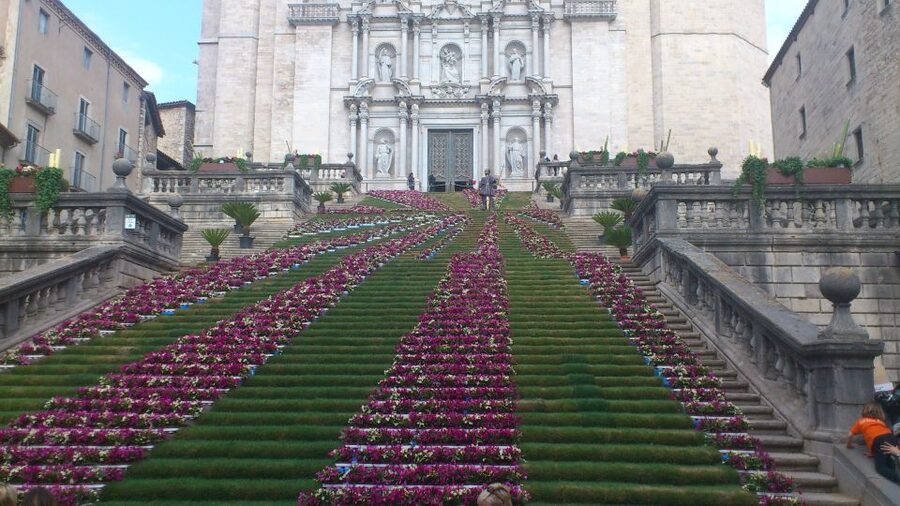
The 10-person limit is one of the tour’s strongest practical features. In a medieval quarter built around tight lanes, a compact group is easier to manage and more comfortable for everyone.
You can ask about a particular building, religious practice, or historical point without waiting for a large crowd to settle down. The guides also appear comfortable adjusting their explanations. Ona has been praised for tailoring a private-feeling tour to specific interests, and one booking became a private experience because no other participants had signed up.
That private experience is not guaranteed, of course. You should book this tour for the small-group format, not on the assumption that you will receive a private guide. Still, the limited size gives you a better chance of genuine conversation.
It also helps families. Mike has been praised for engaging children and teenagers, and several guides are described as warm and entertaining. This is not a children’s attraction, but a good guide can make the subject accessible across age groups.
How the guides shape the experience
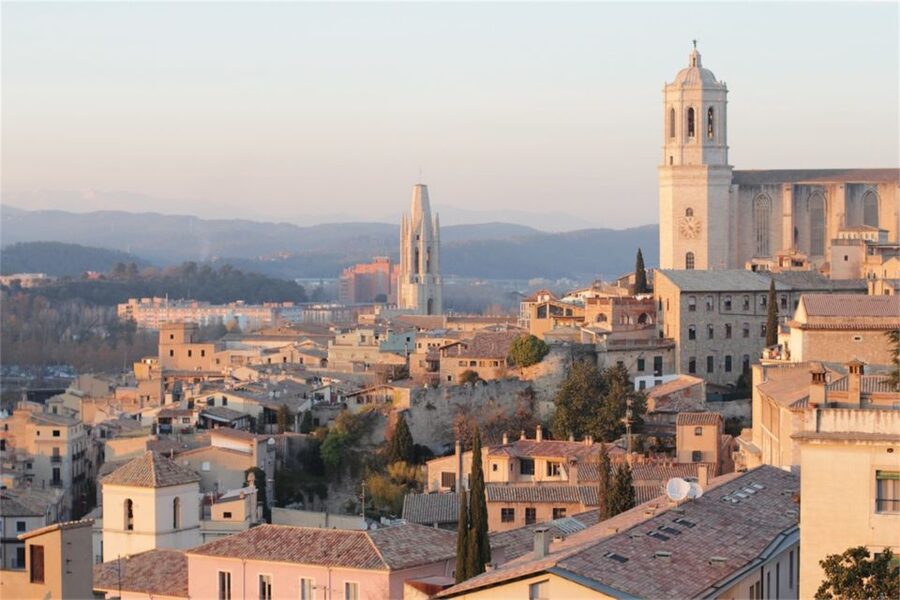
The guide is the main reason to book this tour rather than simply walk through the Call with a map. The stones and street plan are worth seeing, but the meaning behind them comes from the explanation.
Mike has been praised for humor, strong command of Jewish sources, and a conversational style. He has also been noted for speaking English well, with some Hebrew and Arabic mixed in. Carolina is praised for storytelling, local knowledge, and encouraging questions. Ona receives repeated praise for kindness, flexibility, and an ability to connect Girona’s general past with its Jewish story.
Monica has been praised for clear communication before the tour and for making the museum visit personal. Pete has been described as friendly, engaging, and good at bringing Girona to life. Other guides named by participants include Azul, Julia, Miguel, Marc, and Carol.
The range of guide names suggests that the exact personality and pace may differ by departure. The common strength is subject knowledge paired with a pleasant manner. The small cautions are also clear: some guides may speak fast, and crowded or noisy streets can make it harder to hear.
Is $53 a fair price?
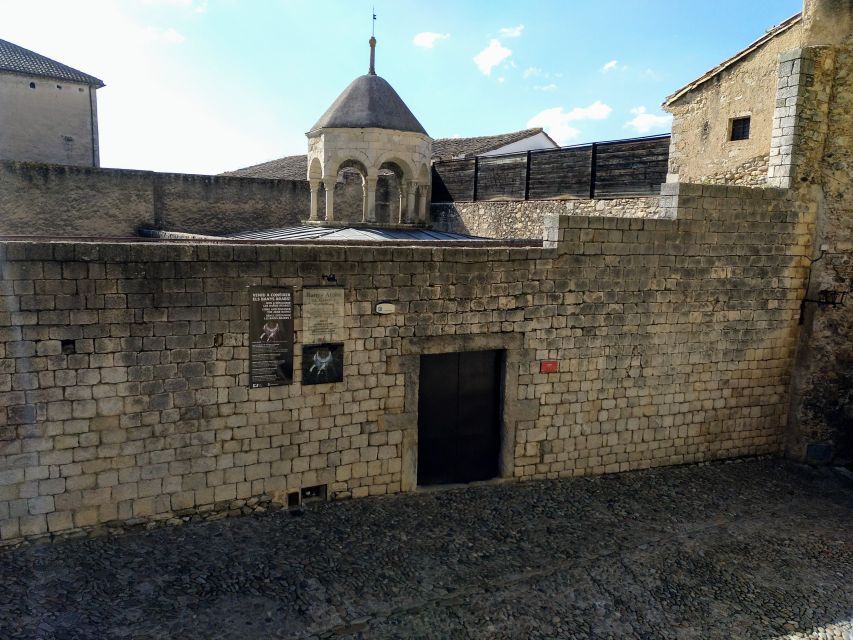
At $53 per person, this is not the cheapest way to see Girona’s Old Quarter. But the price includes three things you would otherwise need to arrange separately: a guided walk through the Jewish Quarter, admission to the Museum of Jewish History, and a live guide in English or Spanish.
The value is strongest if you want interpretation. You can walk the Call for free, but you will not automatically know where the three synagogues stood, how the homes were arranged, or how the 1492 expulsion changed Girona. The guide turns attractive old streets into a connected story.
The price is less attractive if you prefer to wander alone, read museum panels at your own pace, or already have a strong command of Girona’s Jewish history. You also pay for a structured 2.5-hour commitment, with no food, drinks, hotel transfer, or private transportation included.
For most first-time visitors who want focused history, the combination is fair. The museum admission and small group help justify the cost, especially if you value questions and personal attention.
Practical advice for the 2.5-hour walk
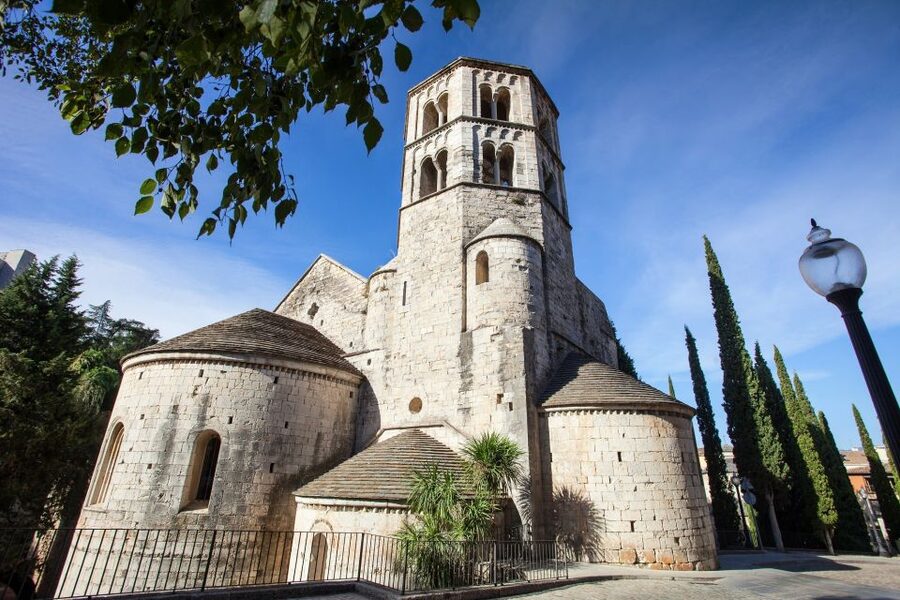
Wear shoes that handle uneven cobblestones. This is the one item specifically recommended, and it is sound advice.
Meet at Plaça Sant Feliu beside The River Caffe. Hotel pickup and drop-off are not included, so you need to arrange your own way to the square.
The tour ends at one of two listed locations, Plaça de la Independència or the same Carrer d’En Jaume Pons Martí address. Confirm the exact end point with your guide, since it may affect your next reservation.
The experience is not suitable for wheelchair users. Even if you walk comfortably, remember that the tour lasts 2.5 hours and includes about two hours of city walking before the museum portion.
English and Spanish departures are available. If you are joining an English tour and find the pace fast, stand close to the guide and ask questions early. That is more effective than waiting until the group has moved several streets ahead.
You can cancel up to 24 hours before the start for a full refund, and the reserve-now, pay-later option gives you some flexibility while arranging your Girona schedule.
Who should book this tour?
I would choose this tour if you want to understand Girona’s Jewish Quarter rather than simply photograph it. It suits history-minded visitors, people interested in Sephardic Jewish heritage, and anyone who wants a compact introduction to Nahmanides and medieval Jewish life in Spain.
It also works well for families with older children and teenagers, particularly if you get a guide with the warm, engaging style repeatedly praised by participants. The small group makes it easier to keep young listeners involved.
I would be more cautious if you need step-free access, dislike cobbled streets, or want a very slow museum visit. It may also be too specialized if your only goal is a general overview of Girona’s architecture.
Should you book the Girona Jewish Heritage Tour?
Yes, if you want a focused, human account of Girona’s past and appreciate having an expert connect the streets, synagogue sites, museum displays, and expulsion of 1492. The 4.8 rating from 124 participants reflects the tour’s strongest qualities: excellent guides, clear historical content, and a personal small-group feel.
Book it early in your Girona stay if possible. The walk can give later sightseeing more meaning, especially when you pass through the Call again on your own. Just wear good shoes, stay close enough to hear, and reserve this experience for the history you came to Girona to understand.
FAQ
How long does the Girona Jewish heritage tour last?
The tour lasts 2.5 hours, including the walking tour and the visit to the Museum of Jewish History.
Where does the tour meet?
Meet your guide at Plaça Sant Feliu, beside The River Caffe in Girona city.
What does the tour include?
It includes a guided walking tour of the Jewish Quarter, admission to the Museum of Jewish History, and an expert live guide.
Is hotel pickup included?
No. Hotel pickup and drop-off are not included, so you must reach the meeting point independently.
Which languages are available?
The tour is available with a live guide in English or Spanish.
How many people are in the group?
The group is limited to 10 participants.
Is the tour suitable for wheelchair users?
No. The tour is not suitable for wheelchair users.
What should I bring?
Bring comfortable shoes for the cobbled streets and extended walking.
Can I cancel the booking?
Yes. You can cancel up to 24 hours in advance for a full refund. A reserve-now, pay-later option is also available.
Recently listed in Spain
- Transfers From Cruise Port to Barcelona Airport★ 4.5 · 155 reviews
- Bohemian Barcelona Neighborhood Evening Tapas & Wine Tour★ 5.0 · 419 reviews
- Park Guell Guided Tour with Skip the Line Tickets★ 4.0 · 739 reviews
- Barcelona Sunset Cruise with Light Snacks and Open Bar★ 5.0 · 476 reviews
- Montserrat very early : Hiking, Abbey, very small group★ 5.0 · 127 reviews
- Barcelona: Sagrada Familia, Park Guell & Tapas Private Tour★ 5.0 · 903 reviews
- Authentic Flamenco Show Barcelona : Intimate Casa Sors Experience★ 5.0 · 809 reviews
- Barcelona Expert Tour with Local Guide in Eco Tuk Tuk Private★ 5.0 · 216 reviews
Museums, compared.

FC Barcelona Museum “Barça Immersive Tour” Ticket
Read our review →
Park Güell and Gaudí House Museum Entry Ticket
Read our review →
Puro Flamenco Show with Optional Museum Ticket
Read our review →
Girona & Dali Museum Small Group Tour with Pick-up from Barcelona
Read our review →
Oceanogràfic, Hemisfèric & Science Museum Combo
Read our review →Browse the lists this tour appears in