
Reviewed · SCUBA DIVING
Gran Canaria: Discover Scuba Diving Beginner Program
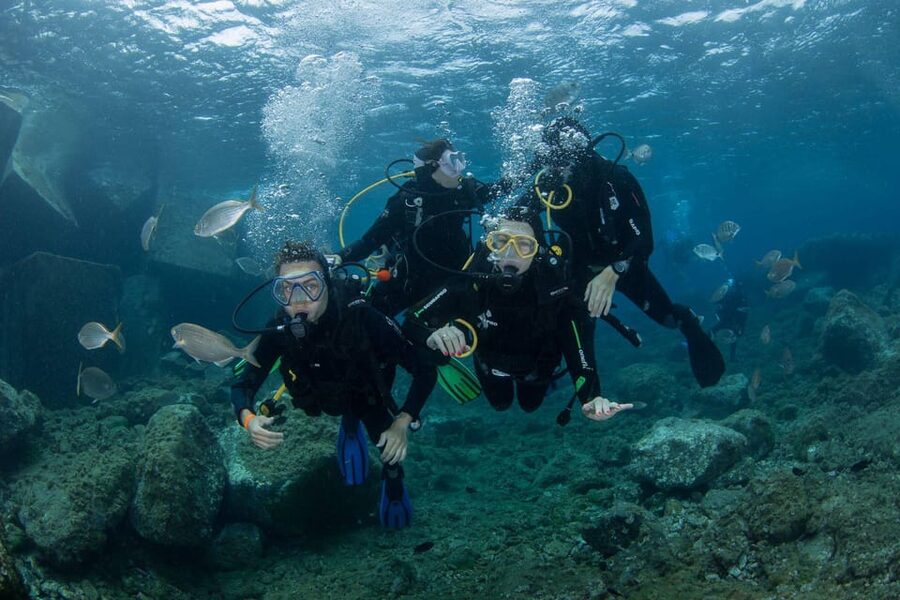
Start beneath Gran Canaria’s sunny surface. This half-day scuba lesson in Mogan gives you a clear first taste of underwater travel, with theory, shallow-water practice, and an Atlantic session packed into four hours. I like the small two-person group and the calm setting, since beginners get more room to ask questions and settle their nerves. I also like that equipment, insurance, instruction, and hotel transfers are included in the $117 price.
The main thing to consider is the sea itself. Water clarity can change, and one recent participant found the sea session too short after a long practice period near the beach. If you want a full exploration of deeper sites, this is not that trip. It is a careful introduction, best suited to first-timers who want to see if scuba is for them.
In This Review
- Key points before you book
- What this four-hour Gran Canaria session is really for
- Meeting at 9:30 and getting to Mogan
- The theory lesson: useful, but not holiday filler
- Shallow-water practice near the beach
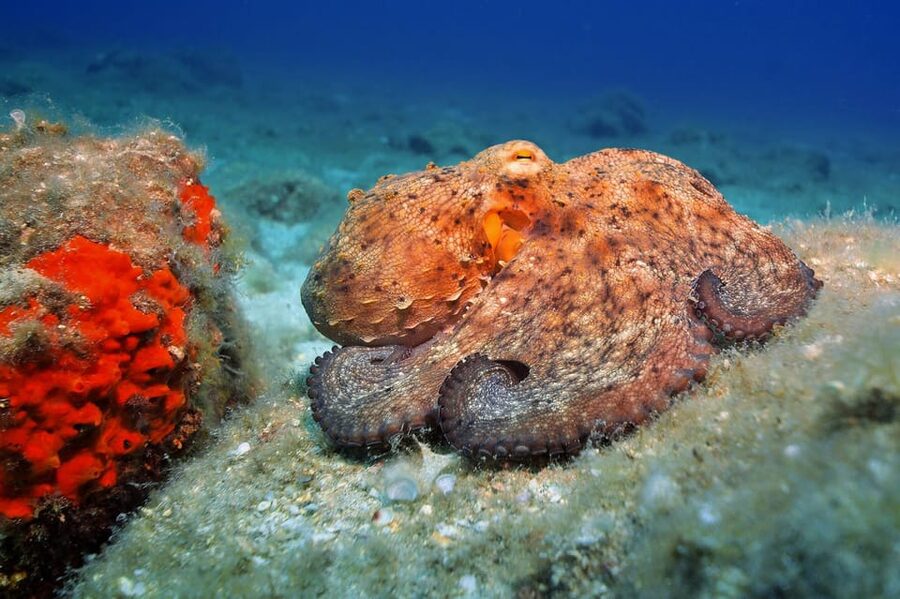
- The Atlantic session and what you may see
- Safety and the two-person format
- Equipment, photos, and the extra charges
- Language, organization, and what could go wrong
- Is $117 good value for a first scuba lesson?
- Who should book this Mogan experience?
- Final call: book it for the lesson, not a grand expedition
- FAQ
- How long does the Gran Canaria scuba program last?
- Where does the scuba lesson take place?
- What time do I meet at the dive center?
- Is hotel pickup included?
- How many people are in each group?
- What languages are available?
- What equipment is included?
- Do I need to bring anything?
- What is the minimum age?
- Can pregnant women take part?
Key points before you book
- Four hours from lesson to sea: Expect a theory session, shallow-water skill practice, and one first open-water experience.
- Limited to two participants: This is a strong setup for nervous beginners and anyone who wants close attention.
- Mogan is the training base: The calm coastal water provides a gentler place to learn basic controls.
- The $117 price covers the essentials: Equipment, insurance, qualified instruction, and hotel pickup and return are included.
- Bring only the basics: You need swimwear and a towel. A personal mouthpiece costs an extra €4.
- Plan for changing visibility: The Atlantic may be clear, but one recent session had cloudy water and limited freedom to explore.
What this four-hour Gran Canaria session is really for
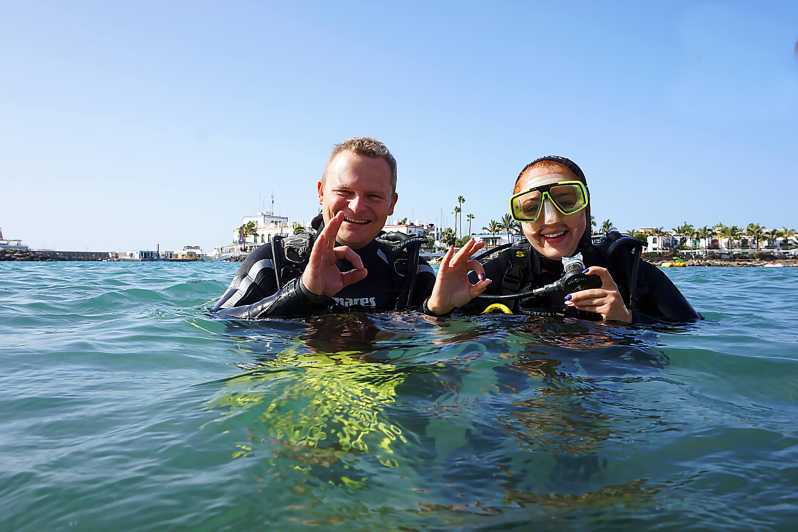
This program is not designed to turn you into an independent scuba diver in one morning. It is a first step, giving you enough instruction and practice to decide if you want to continue with formal training.
That distinction matters. A beginner session should focus on comfort, safe habits, and simple equipment use. You will learn how the gear works, practice basic skills in shallow water, and then try an underwater session in the Atlantic with an instructor nearby.
I see the format as a good fit for a holidaymaker who has always wondered what scuba feels like but does not want to commit to a full certification course. You get a practical introduction without spending several days in a classroom.
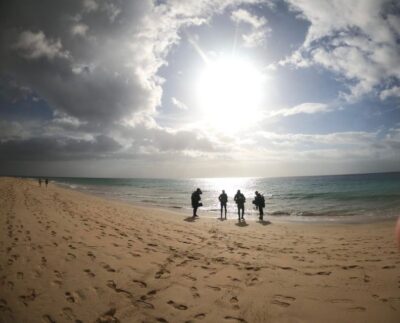
The program operates from Mogan, on Gran Canaria’s coast. The area’s warm climate and white sand beaches help make the first lesson less intimidating, though the beach setting also means the sea portion may feel modest if you expected a longer trip away from shore.
More Scuba Diving in Gran Canaria:
- Gran Canaria: Try Scuba Diving for Beginners
★ 4.9 · 403 reviews - Gran Canaria: Discover Scuba Diving – Free Transfers
★ 4.9 · 115 reviews - Tenerife: Beginners Scuba Dive Experience in Turtle Area
★ 4.6 · 1,347 reviews
Meeting at 9:30 and getting to Mogan
The meeting time at the dive center is 9:30 AM. Hotel pickup and drop-off are included at no extra charge, but you need to arrange the exact point in advance by email or phone.
That detail is worth taking seriously. Pickup times depend on your hotel, apartment, or agreed meeting point, and the transfer can use a minivan or bus. You should not assume that booking the activity automatically confirms a precise pickup location.
The ride is part of the morning’s timing, so leave room in your schedule afterward. The listed activity lasts four hours, but your actual door-to-door time will depend on where you stay and how the transfer runs.
One complaint about the experience involved waiting too long for a bus and stopping for other people, even though the booking was for two participants. That does not cancel out the convenience of included transport, but it tells me to confirm the pickup plan clearly and avoid scheduling a tight afternoon excursion.
The theory lesson: useful, but not holiday filler
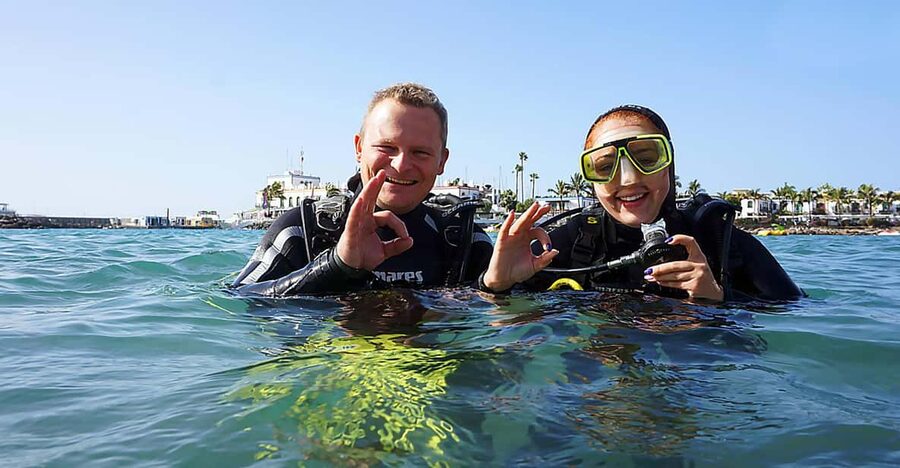
The first teaching block covers the basic theory of scuba. You will learn the ideas needed to use the equipment safely and understand what is happening underwater.
For a beginner, this groundwork is valuable. Scuba does not work like swimming with a mask. You rely on breathing equipment, buoyancy control, and clear procedures. Learning those basics before entering the sea gives you a better chance of staying calm when the experience feels unfamiliar.
The instruction is available in English, German, Spanish, French, Polish, and Italian. That range is helpful, especially for a lesson involving safety information. Still, one participant reported difficulty with Spanish communication, so I would confirm your preferred language when arranging the session rather than relying only on the language list.
The provider supplies a Discover Scuba Diving participant guide. It is both a souvenir and a useful reference if you decide to continue with lessons or work toward a higher scuba level.
Shallow-water practice near the beach
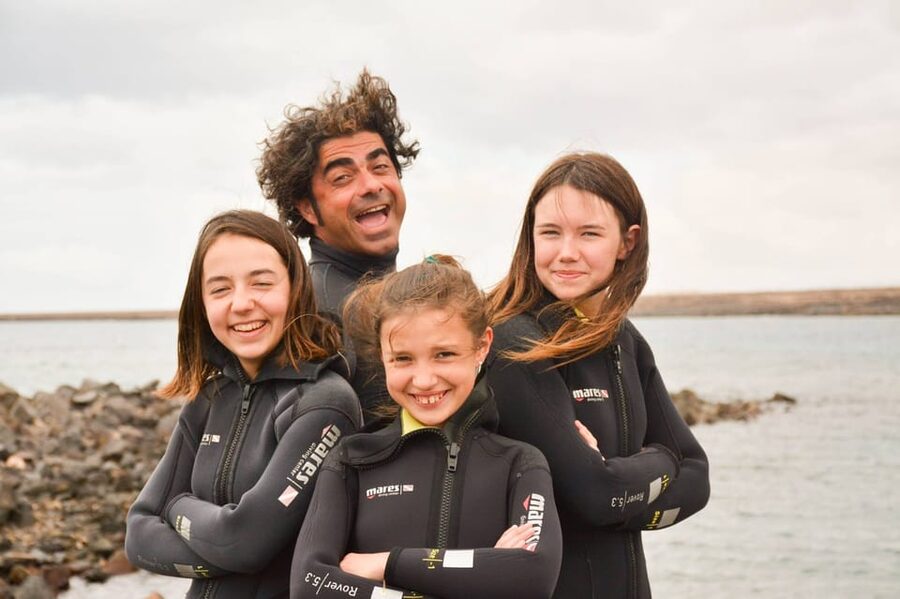
After the theory, you practice basic skills in shallow water. This is where you get used to the mask, breathing equipment, and the feel of being supported by the water.
I consider this the most important part for a first-timer. The shallow setting lets you concentrate on one task at a time without immediately dealing with depth. You can learn how to use the equipment in a controlled place, with a qualified team member watching your progress.
The trade-off is time. One participant felt the beach and pool-style practice lasted too long compared with the actual sea session. That criticism is fair if your main goal is to spend as much time as possible looking at marine life.
Still, cutting this practice short would not help a nervous beginner. If you already have scuba experience, the session may feel slow. If you are completely new, the extra preparation can be the part that makes the later sea session manageable.
A few more Gran Canaria ideas to compare
- Poema del Mar Skip-the-Line Ticket
★ 4.8 · 3,856 reviews - Puerto de Mogán: Submarine Tour
★ 4.4 · 3,792 reviews - Maspalomas: Guided Camel Ride in the Maspalomas Sand Dunes
★ 4.4 · 3,690 reviews - Guided tour of the Banana World
★ 5.0 · 3,431 reviews
The Atlantic session and what you may see
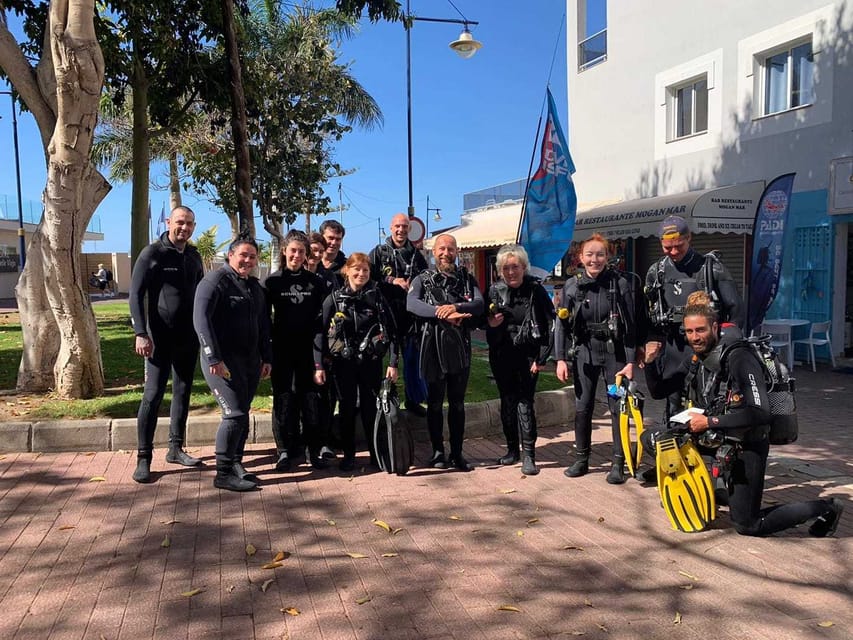
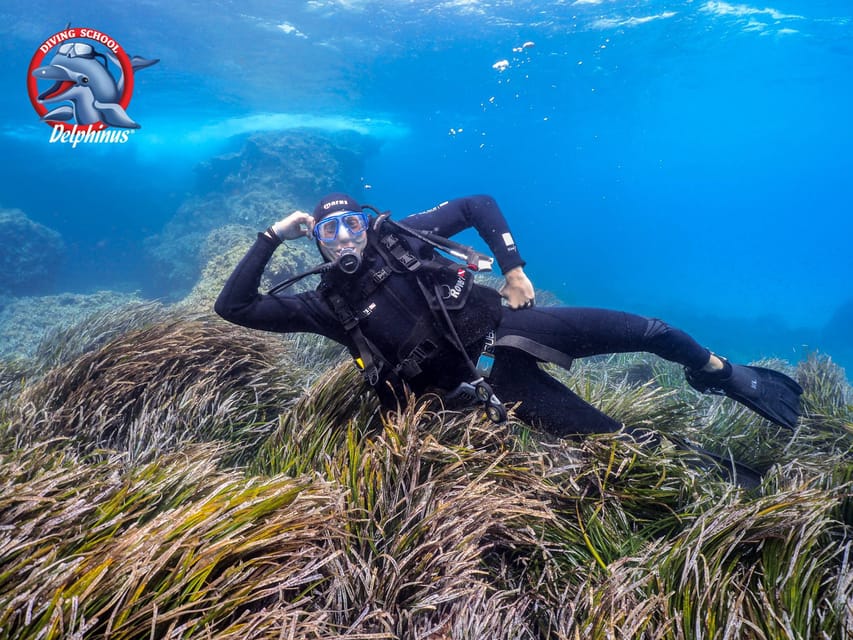
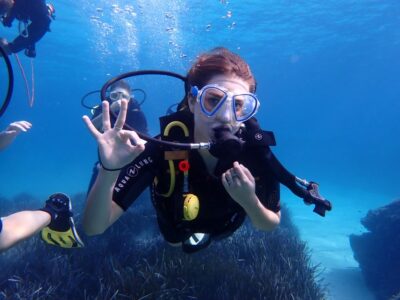
Once you have practiced the basic skills, you head into the Atlantic for your first open-water session. The instructors are there to help you remain safe and comfortable underwater.
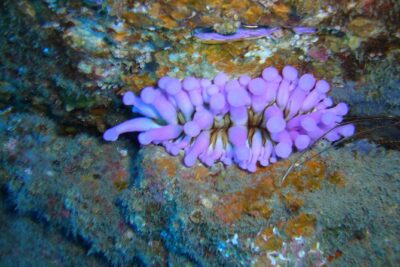
The promise here is not a long expedition to a distant reef. The experience stays close to the coast and uses the beach area as the starting point. You may see Atlantic sea life, but the quality of the view depends on conditions on the day.
Water clarity is the biggest variable. A recent participant found the water cloudy and saw little marine life. That is a useful warning, especially if underwater scenery is the main reason you are booking.
The same participant also felt there was not enough freedom to swim around and explore deeper areas. I would set expectations accordingly: this is an introduction under supervision, not a free-roaming marine safari.
On a good day, the warmth of Gran Canaria, white sand, and the novelty of breathing underwater can be enough to make the session memorable. On a less clear day, the value comes more from learning the skills than from seeing a long list of fish.
Safety and the two-person format
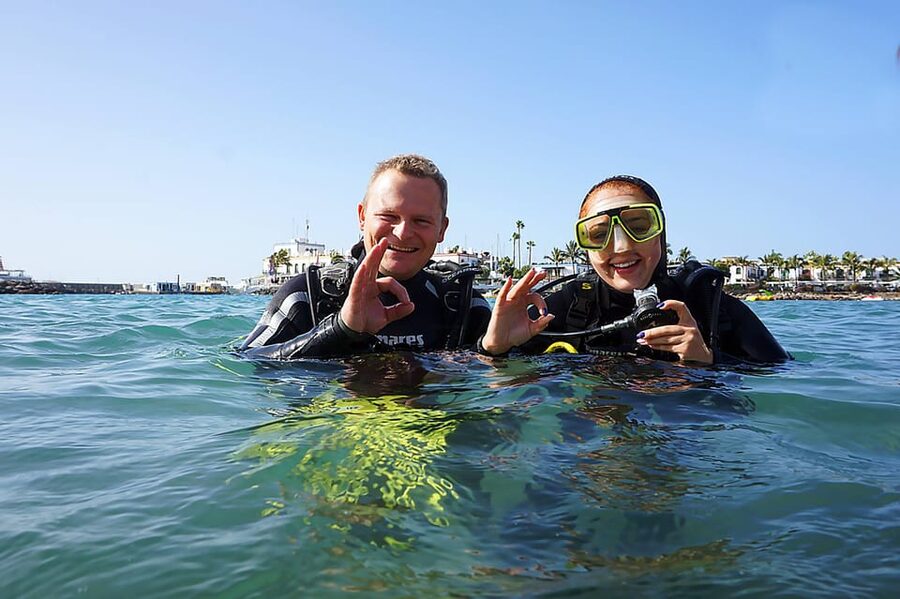
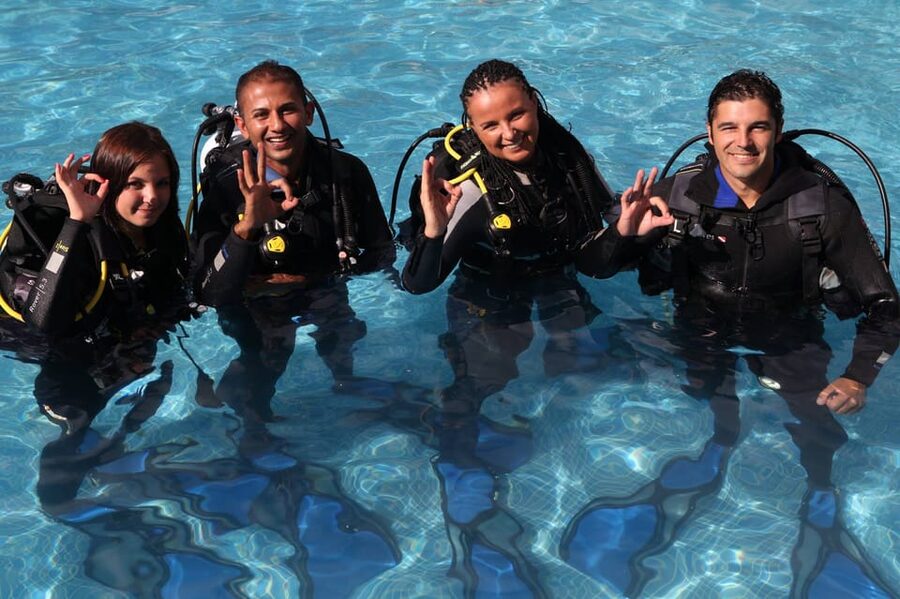
The activity is limited to two participants. That small size is one of its strongest features, particularly for people who feel uncertain about breathing underwater or handling unfamiliar equipment.
A qualified team member guides and instructs you throughout the program. Scuba insurance is included, as is all standard equipment. One participant described the boys in their group as feeling completely safe, which matches what I would want from a beginner lesson: calm supervision, clear explanations, and no pressure to pretend you are more confident than you are.
You should be fit and healthy before taking part. If you have a medical concern, check with your doctor before arrival and bring medical certification if it is needed.
Pregnant women cannot take part. The minimum age is 10, so families with older children can consider it, provided the child meets the health requirements and is comfortable with the activity.
You should bring swimwear and a towel. The standard equipment is included, but an individual mouthpiece costs €4. That small extra charge is easy to miss. If having your own mouthpiece matters to you, budget for it when comparing prices.
Equipment, photos, and the extra charges
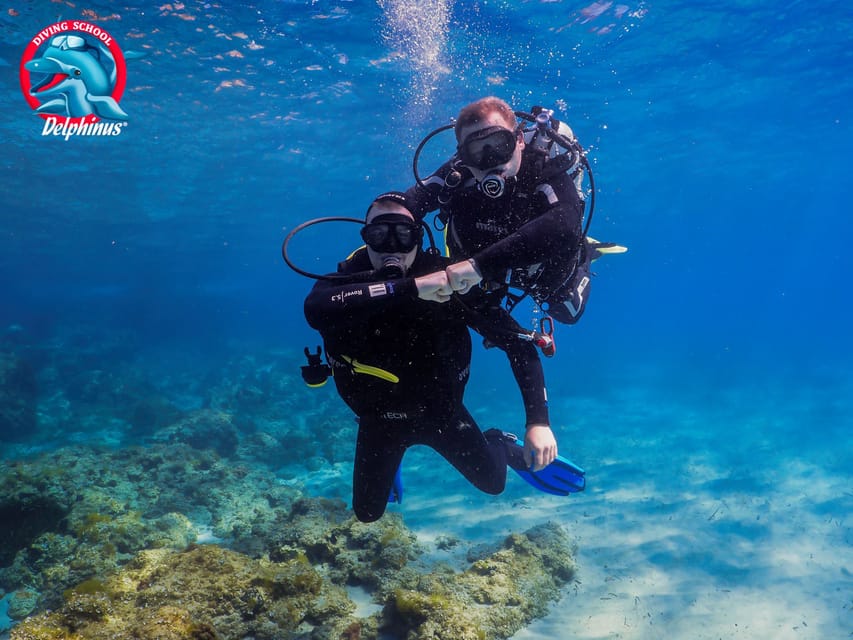
The $117 cost includes the main items you would otherwise need to arrange separately:
- Scuba equipment
- Diving insurance
- Instruction and guidance
- Hotel pickup and return
- A discount on continuing education courses
That makes the price reasonable for a first lesson, especially because transport and insurance are not added later. You are paying for a guided introduction rather than simply renting equipment and finding your own way to the shore.
There are two stated extras. An individual mouthpiece costs €4, and underwater photography costs €34.
I would treat the photo package as optional. A participant gave the photography poor marks, and the quality of images can depend on water clarity and the person handling the camera. If you want a keepsake, ask what is included before paying for it.
The center also offers a discount on further courses. That is useful if the first session leaves you wanting formal training. It should not be the reason to book, but it adds value for anyone already considering a longer scuba program.
Language, organization, and what could go wrong
The staff can teach in six languages, which gives the program broad appeal. The small group should also help the lesson feel personal rather than rushed.
Organization appears to be the less certain part. One participant reported old wetsuits, a missed replacement mouthpiece after paying for it, and weak photo results. Another complained about transport delays and waiting for others.
These issues do not prove every session will have the same problems, but they are practical reasons to confirm the details before setting out. Ask about your pickup point, preferred teaching language, the mouthpiece charge, and whether photography is available that day.
You should also keep your expectations flexible. The total time is four hours, but that includes transportation arrangements, instruction, preparation, shallow-water work, and the Atlantic portion. The time actually spent looking around underwater may be shorter than you first imagine.
Is $117 good value for a first scuba lesson?
For a complete beginner, I think the price is fair. You receive a lesson, equipment, insurance, guided supervision, transport, and access to a small group. Paying separately for those essentials could quickly make a self-arranged session less convenient.
The value is strongest if you are staying at an included pickup location and want a simple introduction without buying gear. It is also good if you are unsure about scuba and want a supervised trial before paying for a certification course.
The value drops if your priority is marine photography, clear water, or a long session away from the beach. In those cases, the €34 photo option may not deliver what you hope for, and cloudy water can limit the experience even when the teaching is solid.
The discount on continuing courses gives the program a useful follow-up path. You can finish with a participant guide, a first taste of scuba, and a clearer idea of whether you want to continue.
Who should book this Mogan experience?
I would recommend it to:
- First-time scuba participants aged 10 and older
- Families with older children who meet the health requirements
- Couples or friends who value a two-person group
- Holidaymakers staying in Gran Canaria who want hotel transport
- Anyone curious about scuba but not ready for a full certification course
- People who prefer instruction in English, German, Spanish, French, Polish, or Italian
I would be more cautious if you already have scuba experience. The theory and shallow-water practice may take up much of your morning, and the sea session may not provide the freedom or depth you want.
I would also be cautious if your main goal is clear underwater photography. Atlantic conditions can change, and one session had poor visibility. The activity is better viewed as a lesson with a marine-life bonus, not as a guaranteed wildlife encounter.
Final call: book it for the lesson, not a grand expedition
Book this if you want a friendly, tightly supervised first step into scuba. The small group, included equipment and insurance, hotel transfer, and multilingual instruction make the $117 cost sensible.
Skip it if you want a long, independent underwater tour or guaranteed clear views. Confirm transport, language, and the personal mouthpiece before arrival, then bring a towel and give the instructors time to teach the basics properly. For a curious beginner, this can be a safe and worthwhile way to find out if scuba belongs in your future travel plans.
FAQ
How long does the Gran Canaria scuba program last?
The activity lasts four hours, including the theory lesson, shallow-water practice, preparation, and the Atlantic session.
Where does the scuba lesson take place?
The lesson takes place in Mogan on the coast of Gran Canaria, using calm coastal water for beginner practice.
What time do I meet at the dive center?
The meeting time at the dive center is 9:30 AM.
Is hotel pickup included?
Yes. Hotel or accommodation pickup and drop-off are included free upon request. You must contact the dive center by email or phone to confirm the exact pickup place.
How many people are in each group?
The activity is limited to two participants.
What languages are available?
Instruction is available in English, German, Spanish, French, Polish, and Italian.
What equipment is included?
All scuba equipment is included, along with diving insurance and instruction from a qualified team member.
Do I need to bring anything?
Bring swimwear and a towel. An individual mouthpiece is available for an additional €4.
What is the minimum age?
You must be at least 10 years old to participate.
Can pregnant women take part?
No. The activity is not suitable for pregnant women.
Recently listed in Gran Canaria
- Playa del Inglés Maspalomas: High Quality Surf Classes★ 4.9 · 304 reviews
- Puerto Rico de Gran Canaria : Parasailing★ 4.6 · 588 reviews
- Puerto Rico, Gran Canaria: Boat Tour with Tapas and Drinks★ 4.6 · 275 reviews
- Puerto Rico de Gran Canaria: Jetski Tour★ 4.6 · 949 reviews
- Puerto Rico : 2 hour Dolphin Catamaran Excursion★ 4.2 · 129 reviews
- Mogan: Dolphin Watching Boat Trip with Swim Stop★ 4.6 · 112 reviews
- Gran Canaria: Puerto de Mogán Local Market Day Trip★ 4.2 · 137 reviews
- Playa del Inglés surf lessons★ 4.8 · 121 reviews
Scuba Diving, compared.
Beginners Scuba Dive Experience in Turtle Area
Read our review →
Tenerife First Time Scuba Dive – Turtle Habitat, Small Groups
Read our review →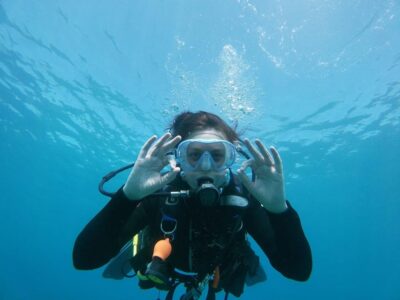
Tossa de Mar: PADI Discovery Scuba Diving in Costa Brava
Read our review →
Tossa de Mar: Scuba Diving Experience for Beginners
Read our review →Browse the lists this tour appears in