
Reviewed · MALAGA TOURS
Málaga: Museo Picasso Málaga Entry Ticket
Picasso begins with Málaga. This museum gives you a clear route through the artist’s changing styles, from early academic studies to Cubism, ceramics, and his final paintings. I especially like the wide range of media and the chance to see it all inside the elegant Palacio de Buenavista, a building that is worth your attention even before the first gallery.
I also like the underground archaeological remains, where Phoenician, Roman, and Arabic layers add an unexpected second story to your visit. The main drawback is that the audio guide is accessed through a QR code and covers only selected works, so you need to scan it at the entrance and should not expect commentary for every painting.
In This Review
- Key points to know before you go
- Why Málaga’s Picasso Museum matters
- Entering the Palacio de Buenavista
- Following Picasso from student work to late paintings
- How long you need inside
- The audio guide, and one important QR code tip
- Do not skip the archaeology below the museum
- Temporary exhibitions add value, but check the dates
- Booking ahead is the smart move
- Practical rules that affect your visit
- What the museum does especially well
- Where expectations need adjusting
- Who should buy this ticket?
- Should you book Museo Picasso Málaga?
- FAQ
- Where is Museo Picasso Málaga located?
- How much does the entry ticket cost?
- How long is the ticket valid?
- Does the ticket include the permanent collection?
- Are temporary exhibitions included?
- Is an audio guide included?
- Which languages are available for the audio guide?
- Can I visit the archaeological remains with this ticket?
- Is the museum wheelchair accessible?
Key points to know before you go
- Picasso in his birthplace: The museum explores the artist’s life and work in Málaga, where Pablo Picasso was born in 1881.
- A broad collection: The ticket provides access to 141 works, including paintings, drawings, sculptures, ceramics, and graphic art.
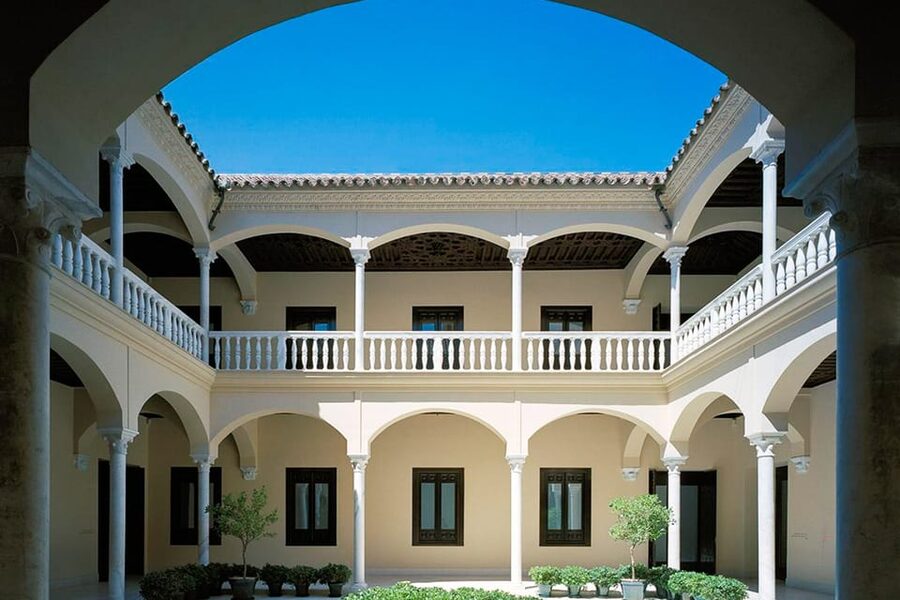
- A beautiful palace setting: The Palacio de Buenavista combines Renaissance details, Mudéjar design, and modern museum spaces.
- Archaeology below the galleries: Phoenician, Roman, and Arabic remains are included with your museum ticket.
- Book ahead for busy dates: Timed entry can save you from a long queue, and the museum may sell out.
- Plan on one to two hours: You can move at your own pace, but art lovers may want longer for the collection and temporary exhibitions.
Why Málaga’s Picasso Museum matters
Pablo Picasso was born in Málaga in 1881, and the museum exists partly because he wanted his work shown in his home city. That gives the collection a useful sense of place. This is not simply a gallery with a famous name above the door. It connects Picasso’s international career with the Andalusian city where his story began.
The museum opened in 2003 after years of work involving Picasso’s daughter-in-law, his grandson, and the Junta de Andalucía. Their combined efforts brought together the main collection and created a permanent home for it in central Málaga.
That background matters because the museum is designed as an overview rather than a single blockbuster display. You see Picasso changing course again and again. His style does not sit still for long, and the collection helps you follow that movement without needing to be an art expert.
You will find early academic work, experiments with Cubist forms, Neoclassical pictures, ceramics, interpretations of Old Masters, and paintings from the 1970s. The selection gives you a sense of both his range and his restlessness.
A few more Malaga ideas to compare
- Málaga: Caminito del Rey Guided Tour with Transportation
★ 4.8 · 12,183 reviews - Caminito del Rey: Guided Tour and Entry Ticket
★ 4.6 · 11,286 reviews - El Chorro: Caminito del Rey Guided Tour with Shuttle Bus
★ 4.7 · 7,091 reviews
Entering the Palacio de Buenavista
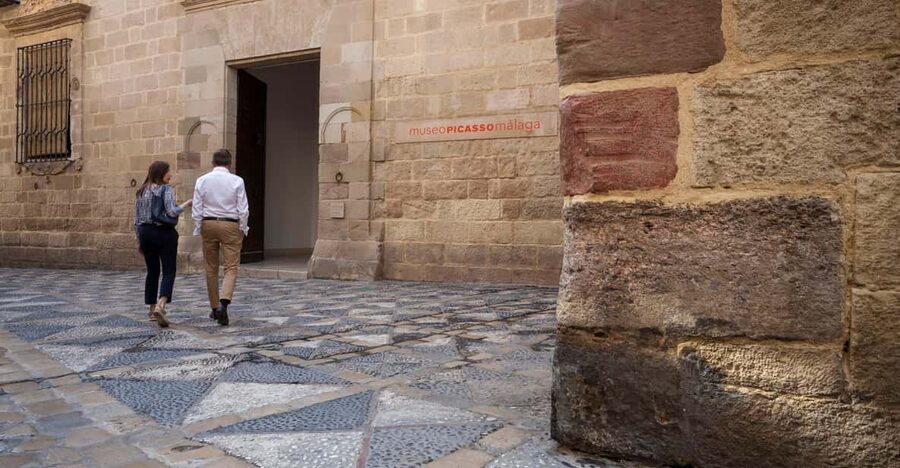
The Palacio de Buenavista was declared a National Monument in 1939. Its architectural appeal is part of the ticket’s value, especially if you enjoy historic buildings as much as paintings.
The palace combines Renaissance and Mudéjar elements with calm contemporary additions. This mix works well for a museum because the old structure gives the visit a strong sense of place, while the modern gallery areas keep attention on the artwork.
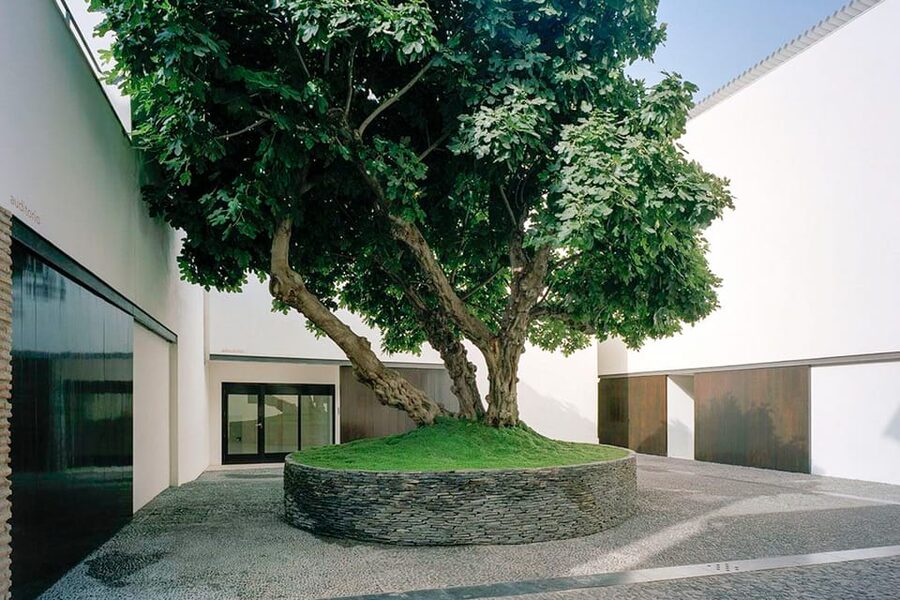
Take a moment to look around rather than rushing straight toward the first room. The building’s courtyards and quieter spaces provide a welcome pause between galleries. In summer, the air-conditioned interiors also offer a practical break from Málaga’s heat.
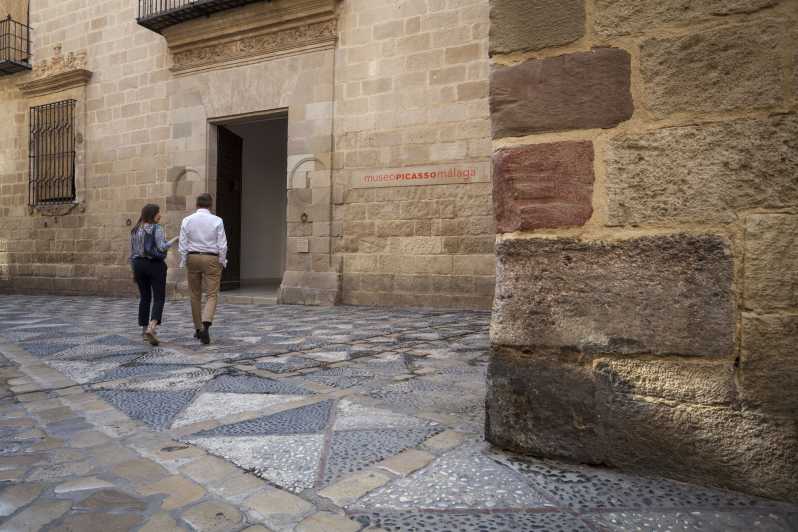
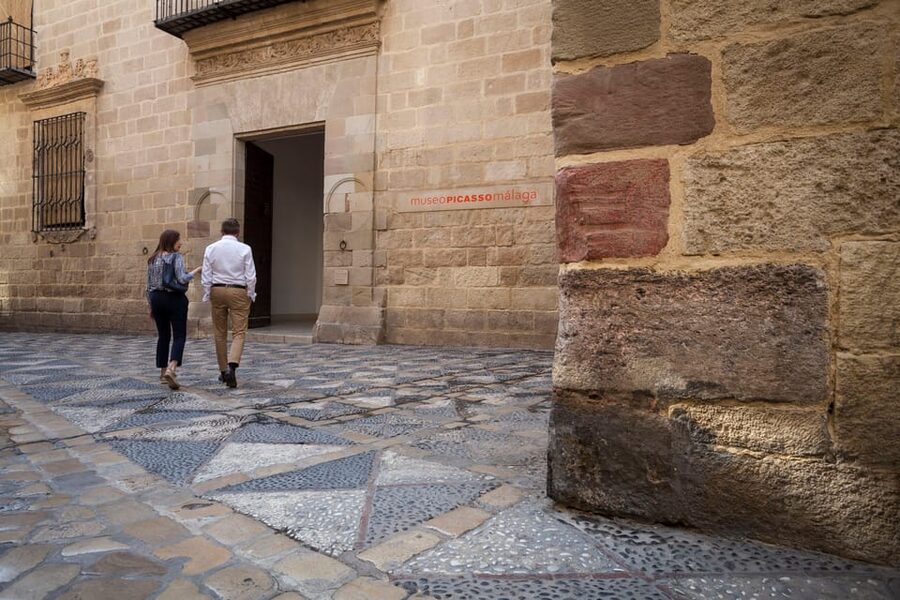
The museum is in the center of Málaga at Calle San Agustín, 8, close to other historic streets and churches. That makes it easy to fit into a walking day around the old center. You can visit the museum in the morning, then continue through the surrounding streets, or use it as a cool afternoon stop.
Following Picasso from student work to late paintings
The permanent collection is strongest when you treat it as a visual timeline. Instead of looking for one famous image and leaving, follow the changes from room to room.
The early academic studies show Picasso learning the formal skills expected of a young artist. From there, the collection moves through periods in which he tested different ways of representing people, objects, and space.
The Cubist works are a major reason to come. Picasso’s overlapping forms can look puzzling at first, but seeing them alongside earlier and later pieces helps you understand what changed. The museum does not present Cubism as an isolated trick. You can see it as one stage in a longer series of experiments.
I find the variety of materials especially useful. Paintings are only part of the story. Drawings reveal quick ideas and changes in form, while sculpture makes his interest in three-dimensional shape more direct. Ceramics show another side of his work, with a more tactile and playful quality.
The museum also includes graphic work and Picasso’s personal Neoclassical approach. His interpretations of Old Masters show that his art was not only about breaking rules. He could also return to older styles, borrow from them, and reshape them for his own purposes.
The final paintings from the 1970s complete the arc. They help you see how far his work moved from the controlled academic pieces at the beginning. You are not required to like every phase, but the collection makes it easier to understand how one artist could keep changing so dramatically.
How long you need inside
The official ticket is valid for one day, and your timed entry includes a 15-minute margin. The visit itself is self-guided, so you are free to set the pace.
If you want only a quick look, one hour may be enough. Several pieces and the main progression can be seen in that time, especially if you are traveling with children or fitting the museum between other Málaga sights.
For a more satisfying visit, allow around two hours. That gives you time to read the displays, use the audio guide, see the temporary exhibitions, and go downstairs to the archaeological remains.
The museum’s manageable size is a benefit. You are unlikely to feel trapped in an enormous complex with no idea where you are. At the same time, art lovers should not underestimate the collection. One visitor spent almost two hours examining each piece, while another found the museum ideal for a shorter art stop.
The best approach is to arrive with a loose plan. First follow the main collection in chronological order. Then return to the works that caught your attention. You can move at your own pace and revisit sections without being tied to a group schedule.
Same base, a different kind of afternoon:
- Caminito del Rey: Tour with Official Guide and Drink
★ 4.7 · 6,190 reviews - Málaga: Alcazaba and Roman Theatre Guided Tour With Entry
★ 4.8 · 5,792 reviews - Caminito del Rey: Entry Ticket
★ 4.8 · 4,710 reviews - Malaga: Teatro Flamenco Malaga Live Flamenco Show
★ 4.7 · 4,254 reviews
The audio guide, and one important QR code tip
An audio guide is included through a web app. You use your phone to scan the QR code at the museum and choose from Spanish, Chinese, English, French, German, Italian, Japanese, Arabic, Portuguese, Russian, Basque, Catalan, Galician, and Korean.
The language range is excellent, and the guide can help if Picasso’s shifts in style are unfamiliar. It also gives the timeline more context and can make the collection easier to follow without hiring a private guide.
There is one practical weakness. The commentary covers only a selection of paintings, not every work in the galleries. Some people find the explanations clear and easy to follow, while others find the selection too limited.
Scan the QR code as soon as you enter. One visitor missed the opportunity during the busy admission process and saw the exhibitions without the audio guide. The instructions at the start could also be clearer about the order to follow, so take a moment to get your bearings before walking into the galleries.
The museum also provides audio-written guides in Spanish for people who are blind or have visual impairments. Spanish sign-language equipment is available for the exhibition Pablo Picasso: Structures of Invention. The Unity of a Life’s Work.
Do not skip the archaeology below the museum
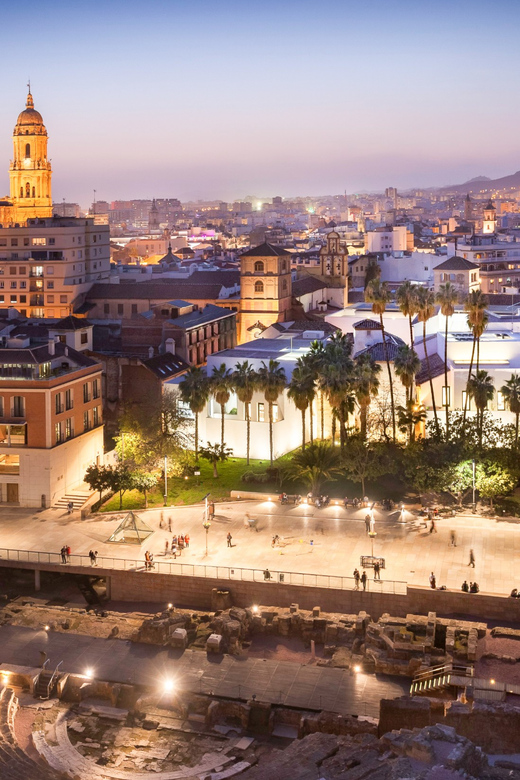
The underground floor is an easy part of the visit to overlook, but it should not be skipped. Archaeological remains from Phoenician, Roman, and Arabic periods were found beneath the museum site.
These remains give you a physical link to Málaga’s long past. You move from Picasso’s twentieth-century experiments to traces of much earlier settlements, all within the same building.
The archaeological area can be entered with any museum ticket, so there is no separate admission to arrange. One visitor specifically noted artifacts dating to the sixth century BC, making this more than a decorative basement display.
I would visit the archaeology after the main Picasso collection. The contrast works well, and it gives the building another layer of meaning. You are not just looking at a modern art museum in a historic palace. You are standing above evidence of several earlier cultures.
Temporary exhibitions add value, but check the dates
The ticket includes temporary exhibitions as well as the permanent collection. The listed program includes William Kentridge’s More Sweetly Play the Dance, scheduled from November 21, 2024 to April 27, 2025, and Picasso: The Royan Sketchbooks, scheduled from January 31 to May 5, 2025.
Exhibitions change, so you should check the current program for your date. The temporary galleries can change the character of the visit. Some displays focus closely on Picasso, while others place his work alongside modern or contemporary artists.
Past programming also included exhibitions devoted to Oscar Domínguez and Farah Atassi. If you are interested in Surrealism, modern art, or artists connected to Picasso’s world, check what is showing before you book.
The temporary exhibitions are especially useful if you have already seen Picasso’s work elsewhere. They can give you a narrower theme to follow rather than another general presentation of his career.
Booking ahead is the smart move
The price is about $15 per person. For a central museum with the permanent collection, temporary exhibitions, archaeological remains, and an audio guide included, I consider that a fair price.
The real value is not just the number of objects on display. You are paying for a well-organized overview that makes Picasso easier to understand, plus access to a notable historic building and the archaeological site below it.
Book online if your schedule is fixed. Several people arrived with reservations and walked in easily, while people without tickets were sometimes told the day was sold out. The first morning time slot is a good choice. Queues can form even early, but they usually move faster when timed entry is in place. By afternoon, the line may sit in the sun.
A reservation also helps during peak summer periods and busy weekends. If your dates are flexible, the museum offers free admission on Sundays during the final two hours before closing, but that option may be less useful if you want a relaxed visit or prefer to avoid a late-day rush.
Reduced and free tickets require identification at the ticket office. Check the eligibility rules before selecting one.
The booking terms are flexible: you can cancel up to 24 hours in advance for a full refund, and a reserve-now, pay-later option is available.
Practical rules that affect your visit
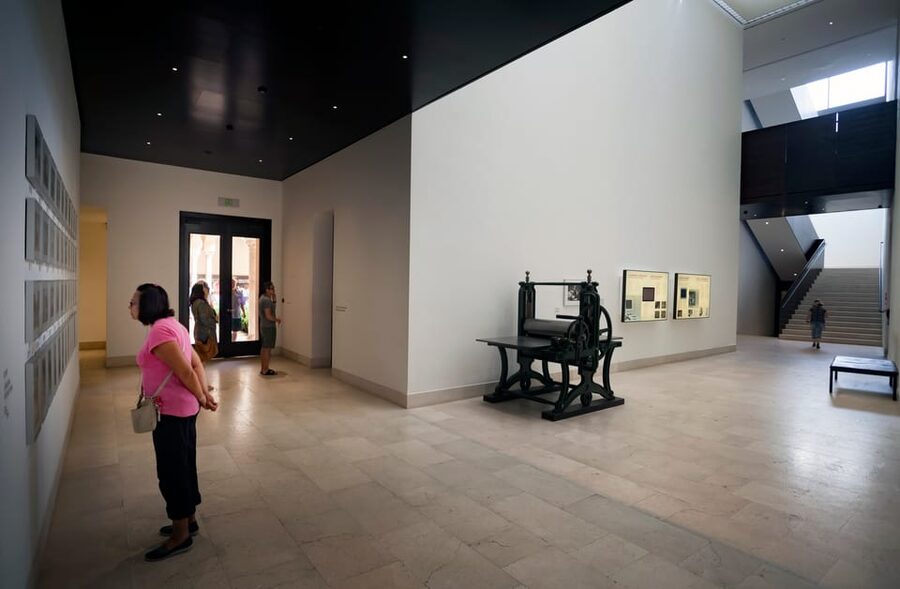
Large bags, luggage, bicycles, scooters, pets, food, and drinks are not allowed in the galleries. A cloakroom is available, but accepted suitcases and backpacks must be no larger than 55 by 35 by 20 centimeters.
Items placed in a locker must be collected the same day. Umbrellas and other objects considered potentially dangerous also need to be deposited.
Food and drinks must remain inside your bag while you are in the museum. This is worth remembering in Málaga’s hot weather. Carry water for the walk to the museum, then finish or store it before entering the galleries.
The building is wheelchair accessible. Children under 13 must be accompanied by an adult. The quiet gallery setting may suit older children who can spend time looking closely, but a very young child who wants to touch objects or shout may find the atmosphere restrictive.
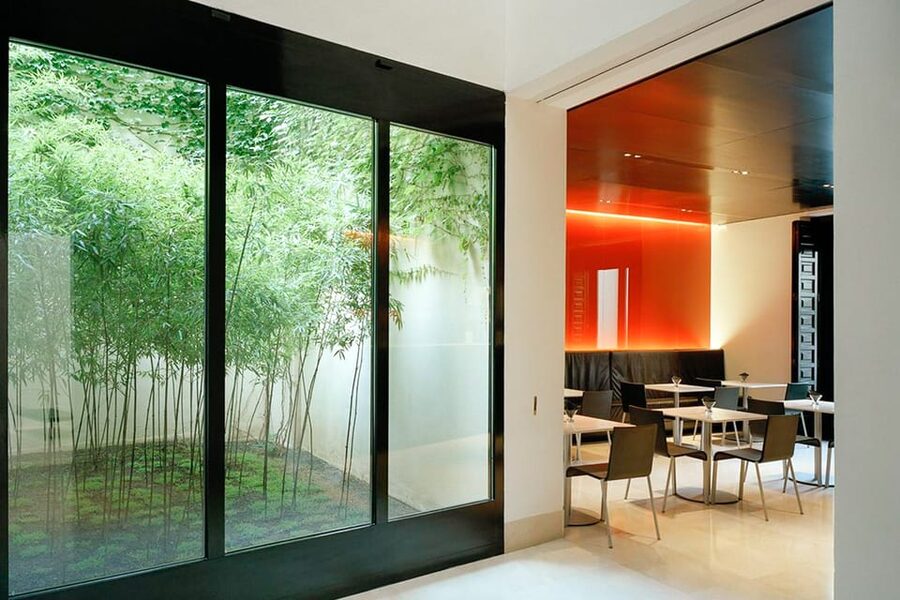
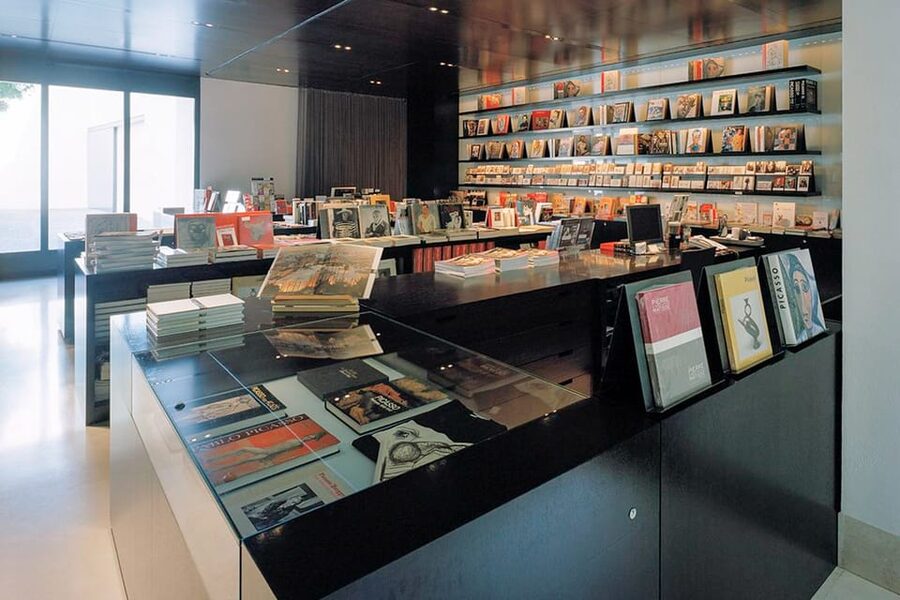
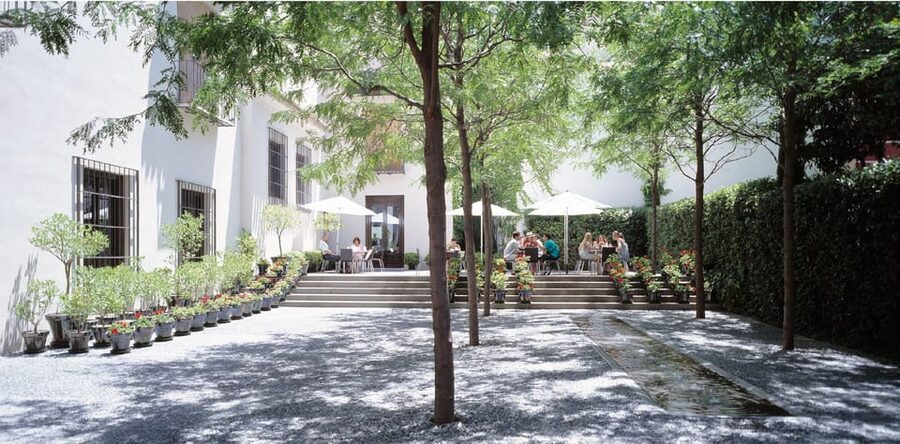
The museum includes a bookshop and a garden café. The café is a useful place to finish the visit with a snack, lunch, appetizer, or drink. Its courtyard setting offers a calm break after the galleries, and it is more than a quick gift-shop exit.
What the museum does especially well
The most praised feature is the way the collection explains Picasso’s development. You see how his work changes across decades, rather than being presented as a jumble of famous names and dates.
The timeline and photographs are particularly useful. They connect the art to Picasso’s life and the events around him, helping you understand why the mood and style shift from one period to another.
The staff also receive frequent praise for being friendly and helpful. If you choose a guided option through another arrangement, guides such as Salvador and Stephania have been singled out for clear explanations and an entertaining approach. This ticket itself is for museum entry with the audio guide, so do not assume a live guide is included.
The museum also works well for people who do not consider themselves Picasso fans. The displays are clear enough to give you a basic framework, and the collection is not so large that you lose patience.
Where expectations need adjusting
Do not expect every major Picasso masterpiece. This is an overview collection, not a substitute for every Picasso museum in Europe.
The museum also does not require a full day for most people. The ticket is valid for one day, but the practical visit is usually closer to one or two hours. That is good news if you want to combine it with Málaga Cathedral, the Alcazaba, nearby churches, or lunch in the old center.
The audio guide is helpful but uneven. It works best as a supplement to the labels and timeline, not as a complete lecture. Scan the QR code early, and bring charged phone with enough battery for the visit.
Crowds can change the experience. Early entry is the safest way to enjoy a calmer visit, especially in summer. Air conditioning makes the galleries comfortable, but you may still face heat while waiting outside.
Who should buy this ticket?
I would recommend it to anyone with a serious interest in Picasso, but also to anyone who wants a manageable introduction to modern art. The chronological presentation, mix of media, and temporary exhibitions give you plenty to consider without demanding a specialist background.
It suits couples, solo visitors, older children, and anyone building a walking day in Málaga’s historic center. The archaeological remains make it a better all-around cultural stop than a Picasso-only visit.
If you dislike modern art or prefer only famous paintings, the museum may feel less rewarding. Picasso’s work can be challenging, and not every gallery will appeal equally. Still, the clear timeline and modest size make it an approachable choice.
Should you book Museo Picasso Málaga?
Yes, if Picasso interests you even a little, I would book this museum in advance. The $15 price is sensible for the range of art, temporary exhibitions, historic palace, audio guide, and archaeological remains.
Choose an early time slot, scan the audio guide QR code immediately, and allow two hours if you want to take your time. Add a pause in the courtyard café afterward.
Skip it only if your Málaga schedule is extremely tight or if modern art is not your thing. For most people, this is one of the city’s better cultural stops, and advance booking protects you from the sold-out days and long sunny queues.
FAQ
Where is Museo Picasso Málaga located?
It is located at the Palacio de Buenavista, Calle San Agustín, 8, Málaga 29015, in the center of Málaga.
How much does the entry ticket cost?
The listed price is $15 per person.
How long is the ticket valid?
The ticket is valid for one day.
Does the ticket include the permanent collection?
Yes. It includes access to the museum’s permanent collection, with 141 works by Picasso described in the ticket information.
Are temporary exhibitions included?
Yes. The ticket includes the listed temporary exhibitions, including William Kentridge’s More Sweetly Play the Dance and Picasso: The Royan Sketchbooks during their scheduled dates.
Is an audio guide included?
Yes. The audio guide is provided through a web app accessed by scanning a QR code with your mobile device.
Which languages are available for the audio guide?
The listed languages are Spanish, Chinese, English, French, German, Italian, Japanese, Arabic, Portuguese, Russian, Basque, Catalan, Galician, and Korean.
Can I visit the archaeological remains with this ticket?
Yes. The ticket includes access to the underground archaeological remains, including Phoenician, Roman, and Arabic remains.
Is the museum wheelchair accessible?
Yes. Museo Picasso Málaga is wheelchair accessible.
Recently listed in Malaga
- Tour to Gibralfaro★ 4.7 · 182 reviews
- Málaga: Picasso Birthplace Museum Ticket & City Audio Guide★ 4.1 · 158 reviews
- From Costa del Sol: Mijas, Marbella and Puerto Banús Tour★ 4.3 · 234 reviews
- Malaga: Tuk tuk tour★ 4.8 · 402 reviews
- Malaga: Wine and Tapas Tour with Tastings and Drinks★ 4.8 · 217 reviews
- Malaga: Organic Vineyard Tour with 6 Wines, Tapas & Transfer★ 4.8 · 334 reviews
- Málaga: Traditional Andalusian Tapas and Wine Tour★ 4.7 · 167 reviews
- Malaga: The Ultimate Tapas Workshop with Market Visit★ 4.9 · 108 reviews
Malaga Tours, compared.

Caminito del Rey Guided Tour with Transportation
Read our review →
Caminito del Rey: Guided Tour and Entry Ticket
Read our review →
Caminito del Rey Guided Tour with Shuttle Bus
Read our review →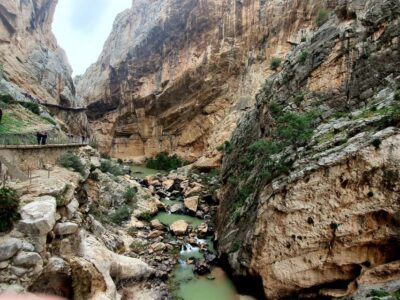
Caminito del Rey: Tour with Official Guide and Drink
Read our review →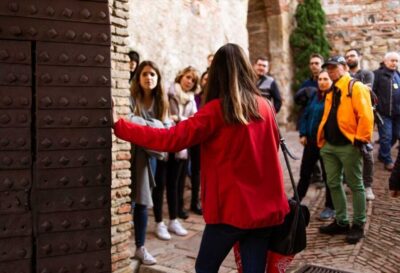
Alcazaba and Roman Theatre Guided Tour With Entry
Read our review →

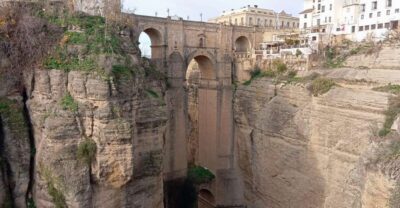
Ronda+Setenil de las Bodegas with Little Train
Read our review →Browse the lists this tour appears in