
Reviewed · FOOD & DRINK
Ronda: LA Almazara LA Organic, Olive Oil Museum and Tasting
Olive oil gets its own art house here. Just outside Ronda, LA Organic combines an organic olive farm, a working mill, a Philippe Starck-designed museum, and a guided tasting into a compact 90-minute visit. I especially like the mix of hands-on tasting instruction and the chance to walk among vegetables, herbs, citrus, quince, vineyards, and old olive trees. I also like that the setting feels like a real agricultural property rather than a polished city exhibit.
The main drawback is that the visit can feel slightly short if you want a long walk through the farm or a broad comparison of oils. The tasting has included two oils pre-poured and two more on the table, but some visitors wished for three or more direct comparisons. The property has also gone through periods of construction and preparation around the museum opening, so the exact feel of the visit can depend on when you go.
In This Review
- Key points to know before you go
- Why this olive oil stop feels different
- Arriving at the LA Organic Country House
- The museum designed by Philippe Starck
- Walking through the farm and olive groves
- How olives become high-end organic oil
- The guided tasting, from mild to intense
- How much time and money should you allow?
- Who will enjoy LA Organic most?
- Practical tips for a better visit
- Should you book this Ronda olive oil tour?
- FAQ
- Where does the tour begin and end?
- How long does the LA Organic visit last?
- What is included in the price?
- Is transportation included?
- Which languages are available?
- Is the tour suitable for wheelchair users?
- What should I bring?
- How old must you be to taste the olive oil?
- Can I cancel the booking?
Key points to know before you go
- Philippe Starck architecture: The museum is as much an art and design stop as an olive oil museum.
- A proper tasting lesson: You learn how to tell a mild oil from an intense one and how to notice aroma, flavor, and finish.
- Farm setting near Ronda: Expect views of vineyards, mountains, planted fields, aromatic herbs, citrus, and quince trees.
- A short but full itinerary: The 1.5 hours includes the museum, mill, farm walk, and tasting.
- English and Spanish tours: Guides such as Ursula, Simon, Maria, Andres, and Jorge have led visits in both languages.
- A car or taxi is needed: Transportation is not included, and the meeting point is the LA Organic Country House.
Why this olive oil stop feels different
Ronda is famous for its gorge, whitewashed streets, and dramatic mountain setting. LA Organic gives you another way to understand Andalusia: through the crop that has shaped local cooking, farming, and trade for centuries.
This is not simply a stop where you look at machinery and then sample a few oils. The visit connects the product to the land. You see where olives grow, learn how they are pressed and bottled, and then taste the finished oil with some idea of what you are looking for.
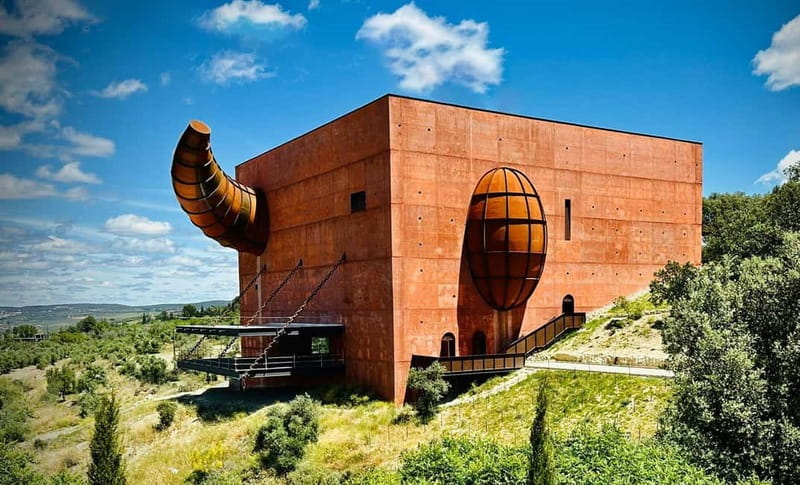
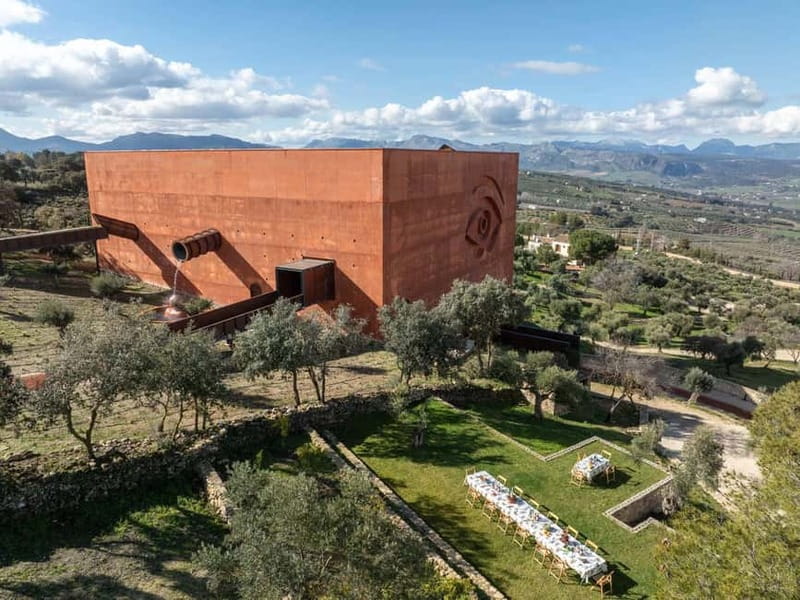
The property is also unusual in design. Philippe Starck, the French industrial architect and designer, shaped the creative relationship between the building, the farm, and the surrounding natural setting. The museum has been described as the first author olive oil mill in the world, meaning the building itself is treated as part of the work rather than as a plain industrial shell.
That makes the stop useful for two kinds of people. If you love food, you get a practical lesson in one of Spain’s most important ingredients. If you enjoy architecture and design, the museum gives you a reason to visit even if you are not yet an olive oil enthusiast.
More Museum Tours in Spain:
- Madrid: Prado Museum Entry Ticket
★ 4.6 · 17,509 reviews - Barcelona: FC Barcelona Museum “Barça Immersive Tour” Ticket
★ 4.4 · 10,944 reviews - Madrid: Reina Sofía Museum Entrance Ticket
★ 4.5 · 6,889 reviews
Arriving at the LA Organic Country House
You meet your guide at the LA Organic Country House, and the activity ends at the same point. The property is about 10 minutes by car from Ronda, according to one detailed account, but you should arrange your own transport because it is not part of the experience.
Allow a little extra time for the drive and arrival. The tour itself lasts about 90 minutes, and a late arrival could cut into the museum or tasting rather quickly. Comfortable shoes are important, since the visit includes walking outdoors and some ground covered with gravel.
The countryside setting is a big part of the appeal. You are not looking at olive oil in a shop window. You are seeing it in the setting where it begins, with vineyards and mountain views around the farm. Bring water, sunglasses, and a camera, especially on a bright Andalusian day.
The museum designed by Philippe Starck
The museum is the first major surprise. It does not look like a standard agricultural display, and its art and design elements give the visit a more modern feel than you might expect from a rural mill.
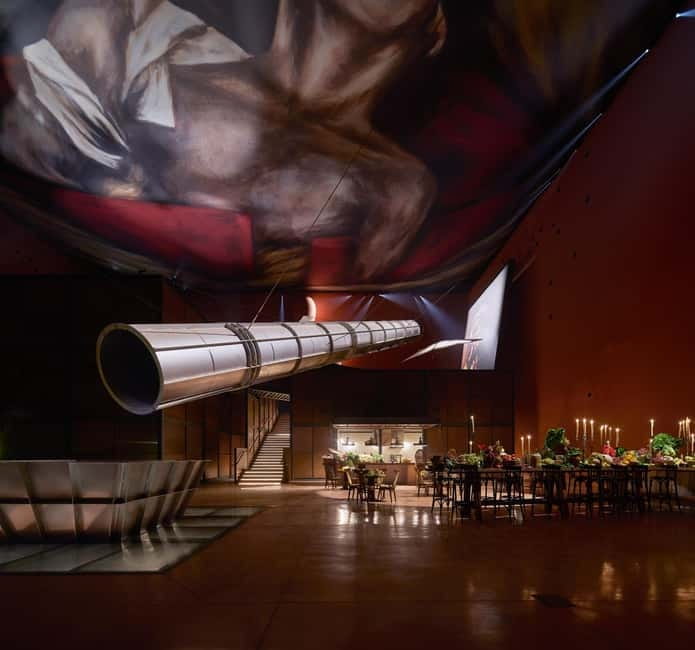
The building is interesting from both inside and outside. You can pay attention to its shape, materials, and relation to the farm, or simply enjoy it as an unusual backdrop to the olive oil story. The architecture adds a second subject to the tour without taking the focus entirely away from the product.
A short video about the family behind the farm has been part of the visit. This helps set up the rest of the tour by explaining the property and its connection to olive production. It also gives the mill a human side, rather than presenting the operation as a collection of machines and labels.
The museum has included art woven into the olive oil displays. That is a plus if you want something beyond a technical explanation of harvesting and pressing. It may be less satisfying if you expect a large, finished museum with many rooms and extensive displays. At times, construction and work toward the grand opening were still visible, so check the current condition if the museum itself is your main reason for going.
Walking through the farm and olive groves
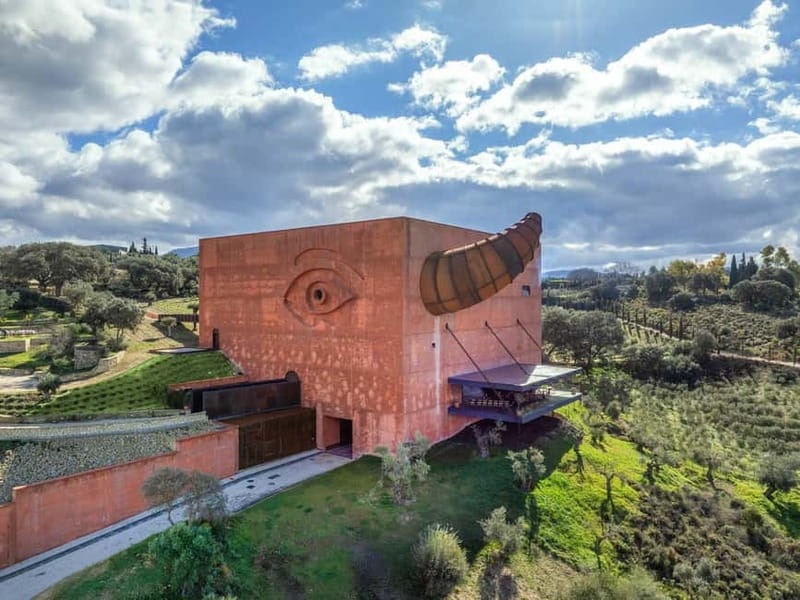
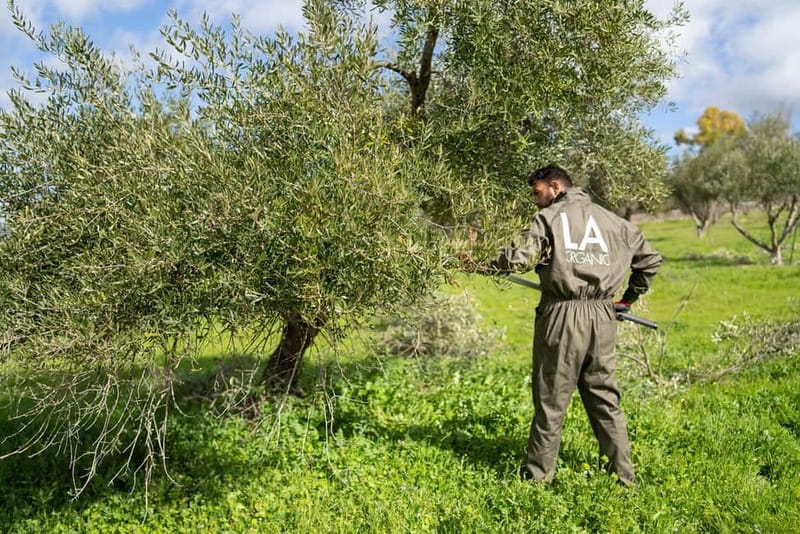
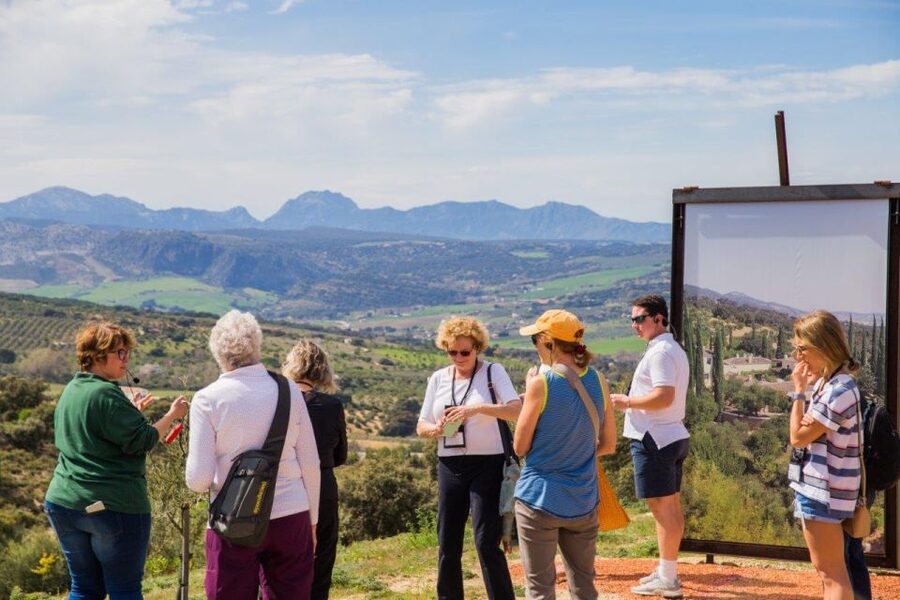
The outdoor portion gives the visit its sense of place. The route takes you through a farm with vegetables, aromatic plants, citrus trees, and quince trees. You also see olive trees and rolling vineyards, with the mountains around Ronda forming the backdrop.
This walk is not presented as a long countryside hike. It is a guided stroll within a larger visit, so think of it as an introduction to the property rather than a full morning on the trails. One account described roughly 30 minutes of walking around the facility before the extraction explanation.
The plants matter because they help explain how a farm can be more than a single-crop operation. The olive trees are the main attraction, but the other plantings make the setting feel productive and lived in. You may also see olive trees from different parts of the world, adding an international touch to a distinctly Andalusian experience.
The views are repeatedly praised for good reason. The grounds give you a calm break from Ronda’s busy center, and the open setting makes the tour feel spacious even when the group is fairly large. One group had more than 12 people, yet the guide handled the visit in both English and Spanish.
Ground conditions deserve attention. Gravel can make the route difficult for wheelchair users, and the activity is officially listed as unsuitable for wheelchair users. A guide once helped a family take a shorter route, but you should not count on full access across the farm.
Same base, a different kind of afternoon:
- Barcelona: Sagrada Familia Entry Ticket with Audio Guide
★ 4.6 · 105,312 reviews - Barcelona: Park Güell Admission Ticket
★ 4.4 · 76,534 reviews - Seville: Royal Alcázar Entry Ticket
★ 4.6 · 28,378 reviews - Barcelona: Casa Batlló Entry with Self-Audioguide Tour
★ 4.7 · 25,359 reviews
How olives become high-end organic oil
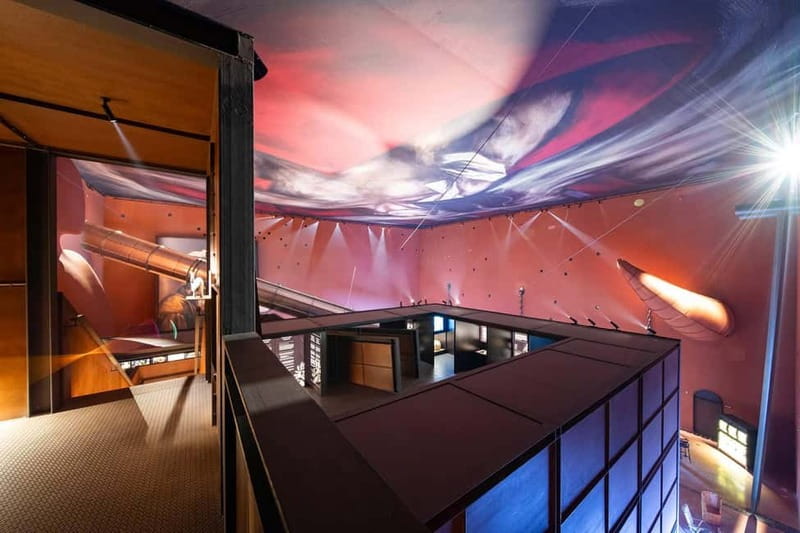
At the mill, the guide explains how olives are grown, picked, harvested, and turned into oil. The exact machinery and seasonal activity can vary, but the point is to show the steps between tree and bottle.
You learn about pressing and extraction, along with the care involved in producing organic extra virgin olive oil. The lesson is useful because many bottles in shops use impressive-looking labels, while the details of production tell you more about what you are buying.
The tour also covers different types of olive trees and how their oils can be used. This is a practical detail. An oil with a gentle character may work better in one dish, while a peppery, intense oil may be better when you want the olive flavor to be obvious.
LA Organic has produced an oil that received an award for the best organic oil in the world in 2015. That claim gives the tasting some context, but I would not treat one award as a guarantee that every oil will suit your palate. Olive oil is personal. The value is in learning how to judge it for yourself.
The guided tasting, from mild to intense
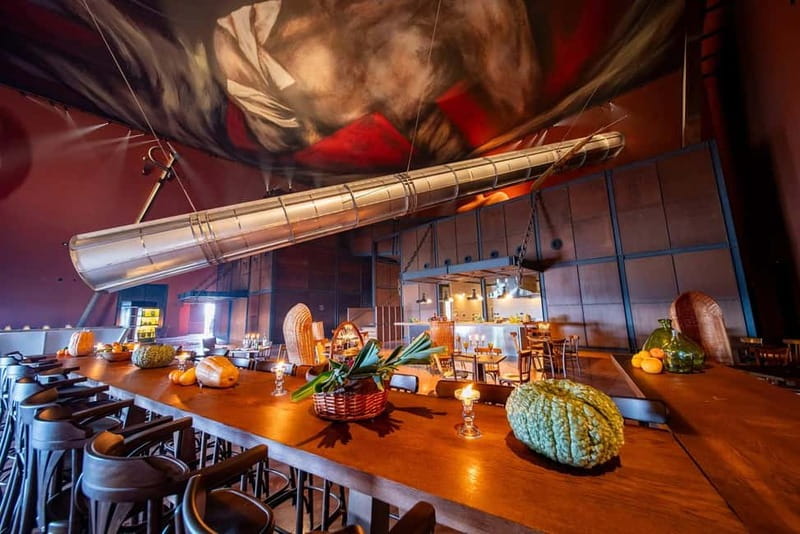
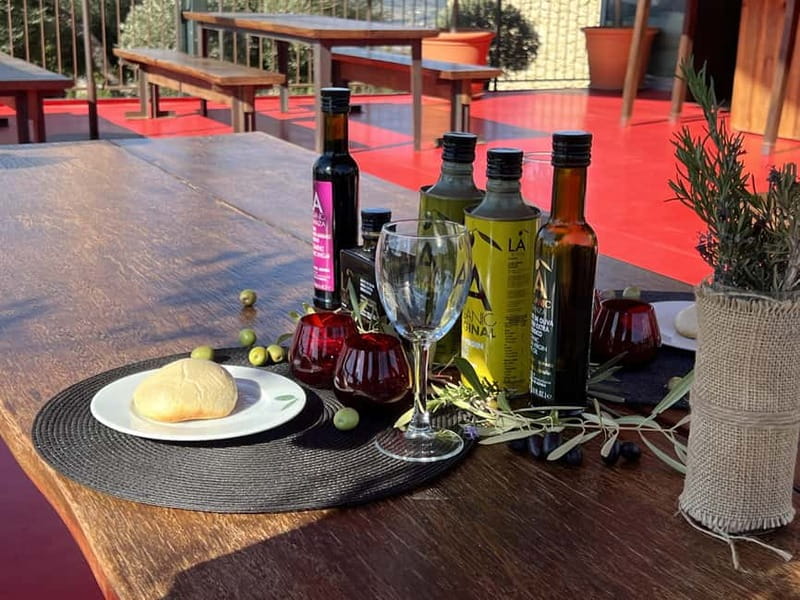
The tasting is the most useful part for many people. You are shown how to smell and taste olive oil rather than simply dipping bread into it and declaring a favorite.
The guide explains how to detect the full range of flavors in an oil. You may be asked to notice differences between a mild oil and an intense one, including the notes that appear at the front of the tasting and the sensations that linger afterward.
The tasting setup has included two oils pre-poured, plus two others placed on the table with bread. That gives you several examples, though not all are always presented in exactly the same way. Some people wanted a larger comparison, especially since the tour promises an expert-style introduction.
The lesson is still worthwhile because it gives you a method. Smell first. Taste carefully. Notice fruitiness, bitterness, pepper, and the length of the finish. You do not need a trained palate to benefit. The guide’s job is to give you simple reference points, and the strongest guides have done that with warmth and humor.
Guides named Simon, Ursula, Maria, Andres, Jorge, and Damian have been praised for making the subject clear and enjoyable. Ursula, in particular, has been described as passionate about the grove, the process, and the art of enjoying the finished oil. Simon has led a relatively large bilingual group comfortably. The quality of the experience depends partly on the guide, but the repeated praise for the staff is a strong sign.
There is no reported pressure to buy. You can sample the oils, ask questions, and decide for yourself. Oils and vinegars have been described as reasonably priced and good quality, so the shop can be useful if you want to take a bottle home, but shopping is not required to enjoy the tour.
How much time and money should you allow?
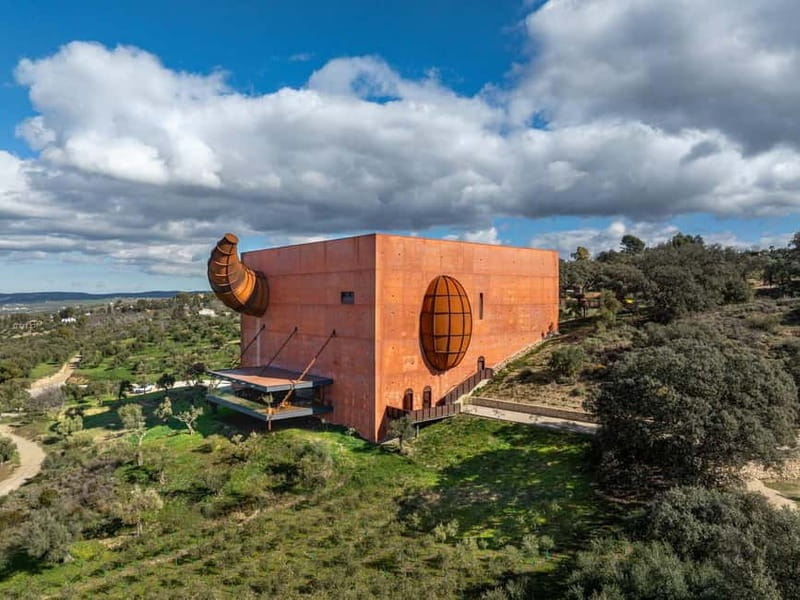
The listed price is $22 per person for 1.5 hours. That is fair value if you are interested in food, farming, architecture, or Andalusian culture. You get a guide, the museum, the mill, a farm walk, and an olive oil tasting in one visit.
The price is less compelling if you only want a quick sample of local oil. In that case, a market or food shop in Ronda may be enough. LA Organic earns its price by explaining the process and showing you the setting behind the bottle.
The duration also works well in a Ronda itinerary. You could schedule it before or after time in town, although you will need to factor in the drive. The tour does not include transportation, meals, or a broader food tasting. A charcuterie order and wine have been available separately at times, but they are not part of the included activity.
Starting times vary, so check availability when booking. The provider offers free cancellation up to 24 hours before the activity and a reserve-now, pay-later option, which is useful when your Andalusia route is still shifting.
Who will enjoy LA Organic most?
I would recommend this tour to anyone who likes food with a clear sense of origin. It suits couples, families with older children, and people who enjoy agritourism but do not want to spend half a day on a farm.
It is also a good choice for architecture fans. The Philippe Starck connection gives the visit more character than a standard mill tour, and the combination of art, building, and agriculture is unusual.
You should think twice if you dislike guided tastings or want a long, independent walk. The schedule is structured, and the outdoor portion is only one part of the 90 minutes. Mobility is another concern because the farm paths include gravel and the activity is not suitable for wheelchair users.
The tour is offered in English and Spanish. The legal drinking age in Spain is 18, so younger visitors may be able to join the farm and museum portions, but the tasting involves alcohol and should be considered in light of that rule.
Practical tips for a better visit
Wear shoes you can walk in comfortably. The property includes outdoor paths, and casual clothing is the sensible choice.
Carry water and sunglasses. Ronda’s sun can be strong, and the farm walk is more pleasant when you are prepared for open exposure.
Bring a camera if architecture and views matter to you. The museum, olive trees, vineyards, and mountains give you more to photograph than the tasting table alone.
Ask questions during the tasting. The value of the visit rises sharply when you compare the oils rather than simply accepting the guide’s descriptions.
If you hope to eat afterward, confirm what is open when you book. The restaurant and other facilities have not always been operating during earlier stages of the museum’s development. Separate wine and charcuterie options have been available, but they should not be assumed.
Should you book this Ronda olive oil tour?
Yes, if you want a short, unusual outing that combines Andalusian food, modern architecture, and countryside views. The guides are the strongest part of the experience, and the tasting gives you a skill you can use when buying oil for the rest of your trip and back home.
I would not book it solely for a large museum or a long farm hike. The visit is compact, and the oil comparison may feel limited if you already know the subject well. For most visitors, though, $22 is a sensible price for a well-organized introduction to organic olive oil, especially when paired with the distinctive Starck building and the peaceful setting just outside Ronda.
FAQ
Where does the tour begin and end?
You meet your guide at the LA Organic Country House. The activity ends back at the same meeting point.
How long does the LA Organic visit last?
The visit lasts 1.5 hours, including the museum, mill, farm walk, and olive oil tasting.
What is included in the price?
A live guide and olive oil tasting are included.
Is transportation included?
No. You must arrange your own transportation to the LA Organic Country House.
Which languages are available?
The tour is offered with a live guide in English or Spanish.
Is the tour suitable for wheelchair users?
The activity is listed as not suitable for wheelchair users. Gravel on the farm paths can make movement difficult.
What should I bring?
Bring comfortable shoes, sunglasses, a camera, water, and comfortable clothing.
How old must you be to taste the olive oil?
Spain’s legal drinking age is 18. The tasting includes olive oil, and the activity information gives 18 as the legal drinking age for Spain.
Can I cancel the booking?
You can cancel up to 24 hours in advance for a full refund. A reserve-now, pay-later option is also available.
Recently listed in Spain
- Transfers From Cruise Port to Barcelona Airport★ 4.5 · 155 reviews
- Bohemian Barcelona Neighborhood Evening Tapas & Wine Tour★ 5.0 · 419 reviews
- Park Guell Guided Tour with Skip the Line Tickets★ 4.0 · 739 reviews
- Barcelona Sunset Cruise with Light Snacks and Open Bar★ 5.0 · 476 reviews
- Montserrat very early : Hiking, Abbey, very small group★ 5.0 · 127 reviews
- Barcelona: Sagrada Familia, Park Guell & Tapas Private Tour★ 5.0 · 903 reviews
- Authentic Flamenco Show Barcelona : Intimate Casa Sors Experience★ 5.0 · 809 reviews
- Barcelona Expert Tour with Local Guide in Eco Tuk Tuk Private★ 5.0 · 216 reviews
Food & Drink, compared.

Live Flamenco Show with Food and Drinks Options
Read our review →
Montserrat & Cogwheel Train, Gourmet Wine Tasting & Tapas/Lunch
Read our review →
Ibiza Beach Hopping Cruise with Paddleboards, Drinks and Food 6h
Read our review →
Tapas Walking Tour with Food, Wine, and History
Read our review →
Sevilla Food Tour: Tapas, Wine, History & Traditions
Read our review →
Toledo Tour & Vineyard Walk with Wine Tasting from Madrid
Read our review →
Barcelona Tapas Walking Tour: Food, Wine & History
Read our review →Browse the lists this tour appears in