
Reviewed · ALCAZAR TOURS
Seville: Small-Group Alcázar Guided Tour & Entry Ticket
Royal rooms, tiled walls, and quiet gardens await. This two-hour Alcázar tour gives you a clear route through Seville’s most layered monument, with a maximum of 10 people and a guide who explains what you are seeing instead of leaving you to guess. I especially like the pre-purchased entry and the fact that the tour ends inside the gardens, giving you time to wander on your own. The main drawback is that skip-the-line access does not remove security checks, identity checks, or possible delays at the entrance.
I also like the relaxed pace. Guides such as Carlos, Carmen, Laura, Barbara, and Valentín have been praised for making a complicated past easy to follow, often adding stories about the people who lived here. At $58 per person, this costs more than a basic entry ticket, but the small group and strong guiding make it a sensible choice if you want context rather than a quick look at pretty rooms.
In This Review
- Key points to know before booking
- Why the Alcázar deserves a guided visit
- Meeting at Plaza del Triunfo
- Getting through the entrance checks
- The Justice Room and Palace of Plaster
- House of Trade and Admiral’s Room
- The Mudejar Palace of Peter I
- The Gothic Palace and Maria Padilla Baths
- Why the small group matters
- What the guides do best
- Timing, weather, and accessibility
- Who should book this Alcázar tour?
- Should you book it?
- FAQ
- How long does the Alcázar tour last?
- What is the price of the tour?
- What language is the tour conducted in?
- How many people are in the group?
- Where do I meet the guide?
- How do I identify the guide?
- Are tickets included?
- Do I need to bring identification?
- Can I re-enter after leaving the Alcázar?
- Is the tour wheelchair accessible?
Key points to know before booking
- Only 10 people maximum: Small numbers make it easier to hear the guide, ask questions, and move through crowded rooms.
- Meet beside Seville’s two great monuments: The guide waits by the large statue in Plaza del Triunfo, between the cathedral and the Alcázar.
- The route covers the main palace buildings: You visit the Justice Room, Palace of Plaster, House of Trade, Admiral’s Room, Mudejar Palace, and Gothic Palace.
- The tour ends at the Maria Padilla Baths: You can continue through the gardens at your own pace after the guided portion.
- Bring your original identification: The Alcázar can refuse entry if the document details do not match your booking or if you bring only a copy or photograph.
- Security still takes time: Pre-purchased tickets bypass the ticket office line, but everyone passes through airport-style security.
Why the Alcázar deserves a guided visit
The Alcázar is not one tidy palace built in one tidy period. It is a royal complex shaped by different rulers, faiths, and building traditions. Moorish design, Christian additions, Gothic rooms, Mudejar decoration, and Spain’s role in the conquest of the Americas all meet within the same walls.
That mixture can be hard to understand without help. You may notice arches, plasterwork, tiles, gardens, and grand halls, but the sequence of who built what is less obvious. A good guide turns the site into a story with a beginning, several changes of direction, and plenty of royal ambition.
I think this is the real reason to choose the tour. You are not simply paying for someone to point at a ceiling. You are paying for a route through a large complex and for explanations that connect architecture with power, religion, trade, and royal image-making.
The Alcázar is also the oldest European royal palace still in use. That fact gives the visit extra weight. This is not only a preserved monument. It remains connected to Spain’s monarchy and official life, so some areas can close without notice for restoration, palace use, or safety reasons.
More Alcazar tickets:
- Seville: Royal Alcázar Entry Ticket
★ 4.6 · 28,378 reviews - Seville: Cathedral, Giralda, and Royal Alcázar Guided Tour
★ 4.7 · 9,165 reviews - Seville: Cathedral, Giralda & Alcazar Entry With Guided Tour
★ 4.6 · 8,560 reviews
Meeting at Plaza del Triunfo
Your meeting point is easy to identify: the large statue in Plaza del Triunfo, directly between Seville Cathedral and the Alcázar. The guide wears a white lanyard and carries a white bag marked Seville Unique Experiences.
You receive final instructions the day before by WhatsApp, text message, or email. Check all three if needed, especially during busy periods, because the meeting time can shift by up to 15 minutes before or after the scheduled time.
I would arrive early. Plaza del Triunfo is an open public square, but the cathedral, palace walls, tour groups, and passing pedestrians can make it less simple than it looks on a map. Arriving with a few spare minutes also lets you confirm the guide before the group moves toward the entrance.
There is no hotel pickup. You need to make your own way to the square, so this tour works best for visitors already staying in central Seville or planning to visit the cathedral and surrounding old town on the same day.
Getting through the entrance checks
The pre-purchased ticket is useful, but the phrase skip the ticket line needs a little explanation. You avoid waiting at the ticket office, then join the entrance process for identity checks and security.
Everyone must pass through airport-style security, with bags scanned. Large bags, oversize luggage, food, drinks, pets, weapons, and sharp objects are not allowed. Pack lightly, since the Alcázar is a place for looking up and moving comfortably, not for hauling your day’s luggage around.
Bring the original passport or ID card connected with your booking. If you booked with student details, bring your original student card as well. A photocopy or an image on your phone is not accepted, and the palace management can deny entry if the required document is missing or does not match the booking information.
This is one of the least glamorous parts of the visit, but it matters. Pre-purchased entry saves time at the ticket office, not at every checkpoint. During peak season, a short wait at security is normal and should be built into your plans.
The Justice Room and Palace of Plaster
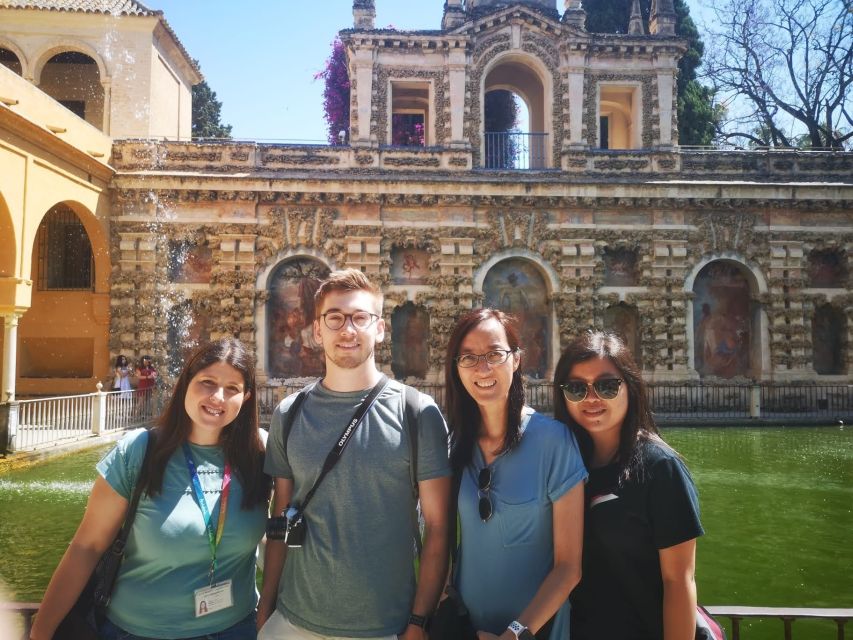
The guided route begins with an introduction to Seville and the earliest remains of the palace complex. This opening helps you place the Alcázar within the city before you start moving through its more famous interiors.
The Justice Room and Palace of Plaster follow. Here, decoration carries much of the meaning. Plasterwork, patterns, and carefully framed spaces show how architecture could communicate authority without a single speech.
This is where a guide’s storytelling can save you from simply taking photographs. Guides including Cristina and Barbara have been praised for explaining both the architecture and the people connected with it. The strongest guides also answer questions, so you can ask about a design detail or historical figure instead of waiting for a memorized script to finish.
The rooms can feel busy, especially at popular times. A group capped at 10 is helpful because you can stay close to the guide without being swallowed by a large crowd. Headsets are provided if the group has more than seven people, which should make explanations easier to hear in crowded interiors.
A few more Seville ideas to compare
- Seville: Cathedral and La Giralda Entry Ticket
★ 4.5 · 24,592 reviews - Seville: Live Flamenco Dancing Show Ticket at the Theater
★ 4.7 · 16,396 reviews - Seville: Casa de la Memoria Flamenco Show
★ 4.8 · 12,964 reviews - Seville: 1-Hour Guadalquivir River Sightseeing Eco Cruise
★ 4.2 · 10,281 reviews
House of Trade and Admiral’s Room
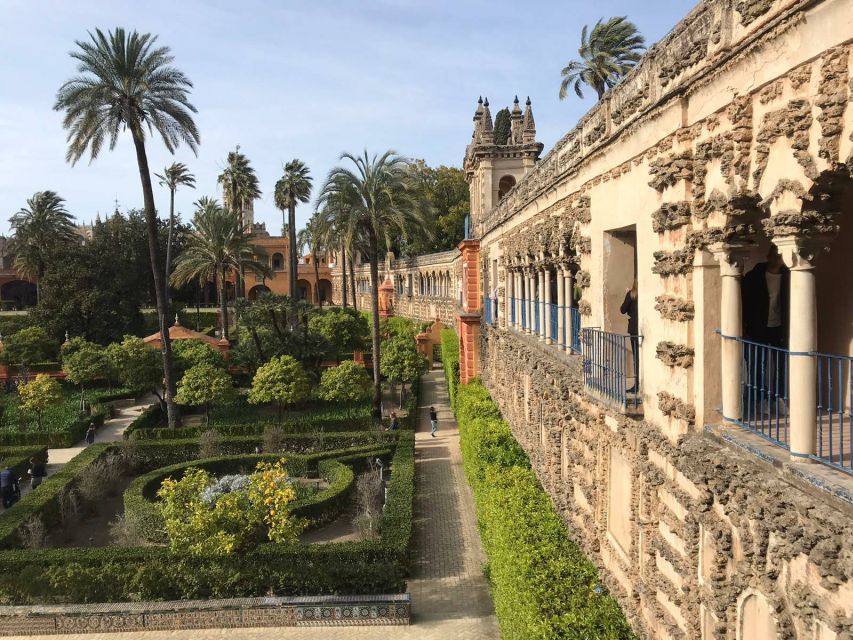
The House of Trade and Admiral’s Room shift the focus from royal rooms to Seville’s place in Spain’s overseas expansion. This part explains why Seville became so important during the discovery and conquest of the Americas, and why the Alcázar mattered within that system of power.
It is an important change of subject. The palace was not only a residence filled with decoration. It was also tied to administration, trade, royal decisions, and Spain’s expansion across the Atlantic.
You should expect the guide to provide the larger setting rather than a long, specialist lecture. Several guides have been praised for giving enough detail to make the subject interesting while using stories and humor to keep the pace moving. That balance matters in a two-hour visit, because too much information can turn even a beautiful palace into a history exam.
Carmen has been especially praised for connecting the site with Seville and Spain as a whole. Carlos has also received strong praise for combining historical and architectural detail with humor. Your exact guide is not guaranteed, but the experience depends heavily on who leads your group.
The Mudejar Palace of Peter I
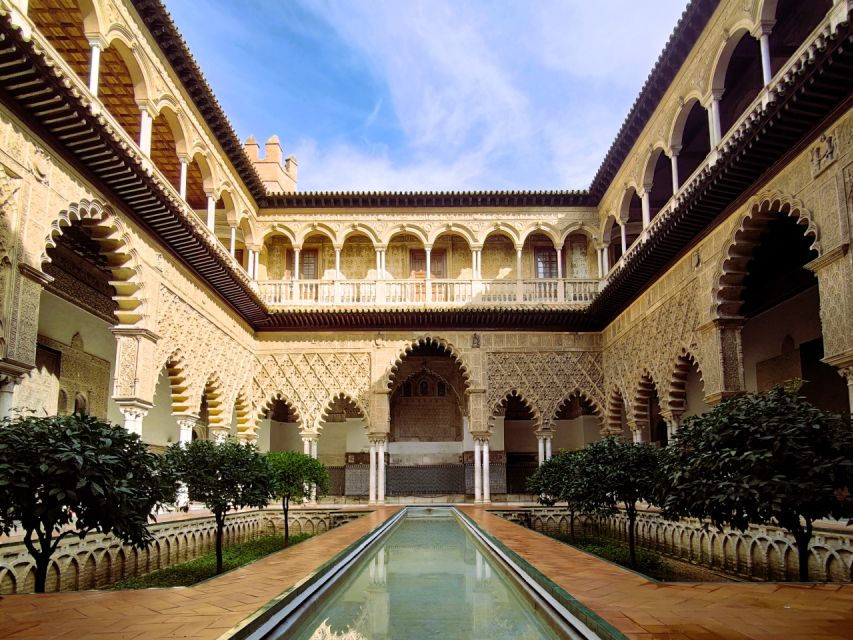
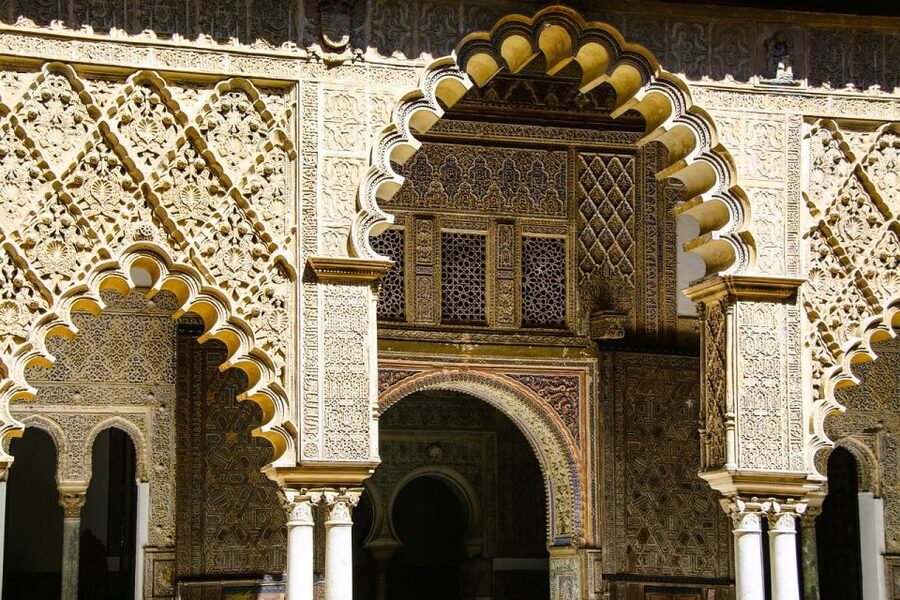
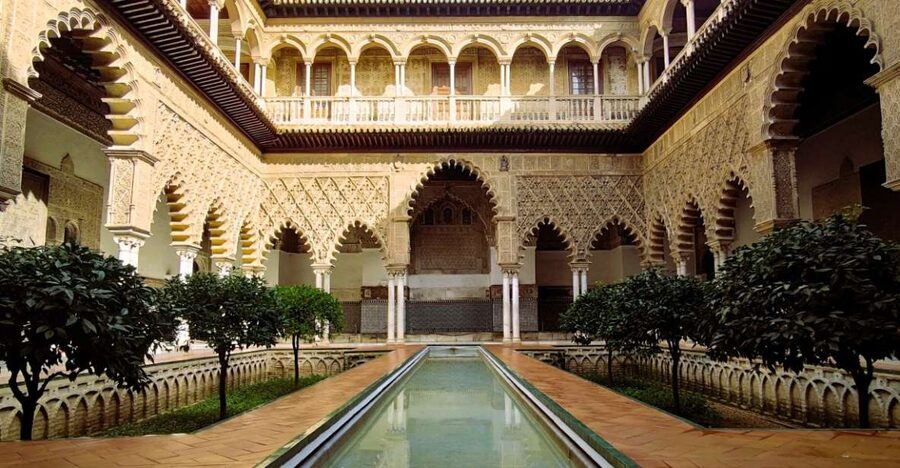
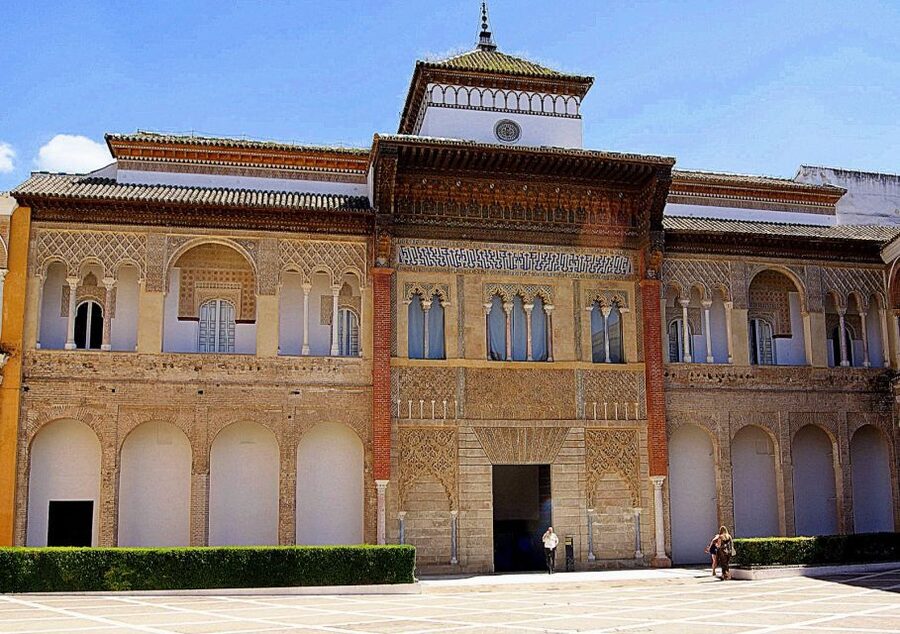
The Mudejar Palace is likely to be the visual high point for many people. Peter I built it in the 1300s, and its design brings Moorish and Christian influences together in a way that makes the Alcázar’s layered identity easy to see.
Look closely rather than rushing from room to room. The value here is in the relationship between the decorative surfaces, the shape of the rooms, and the political message behind them. Each king wanted to leave a mark, and the palace became a record of changing power.
This is also the portion where a guide can explain what you might otherwise misunderstand. The building is not simply Moorish or simply Christian. It reflects a Christian ruler adopting and reshaping design traditions associated with the Islamic past of the region.
A slower group helps. You have room to pause for photographs, and guides such as Marta have been praised for waiting while people take pictures instead of pushing everyone forward. That said, two hours is still a fixed window. You will see the principal areas, not every corner at length.
The Gothic Palace and Maria Padilla Baths
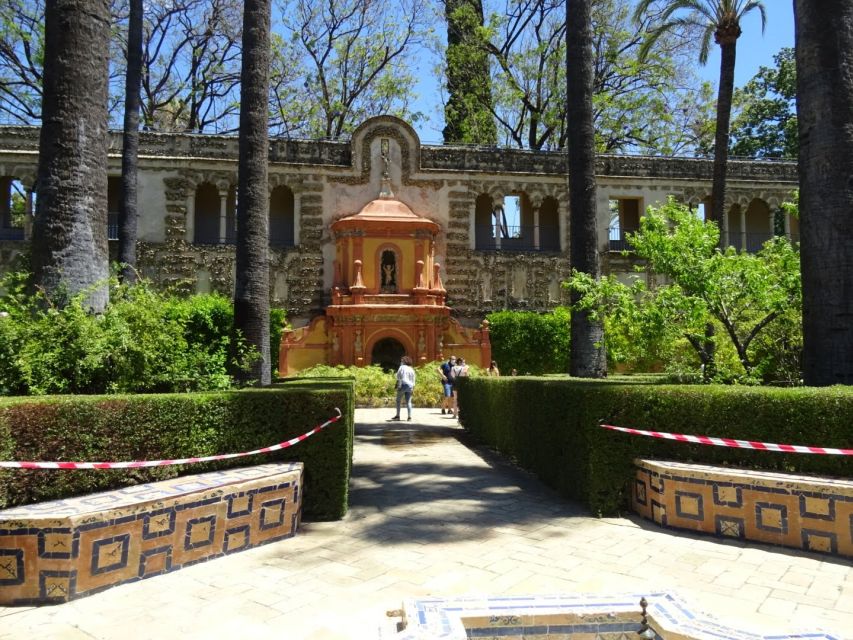
The Gothic Palace represents another major chapter. It was the first Christian building added to the Alcázar after the Castilian conquest, giving you a clear example of how later rulers added their own architectural statement to an existing royal complex.
The contrast with the Mudejar Palace is part of the appeal. Instead of treating the Alcázar as one style, the tour lets you see the palace as an evolving project. Different rulers changed it, enlarged it, and used it to express their place in Seville and Spain.
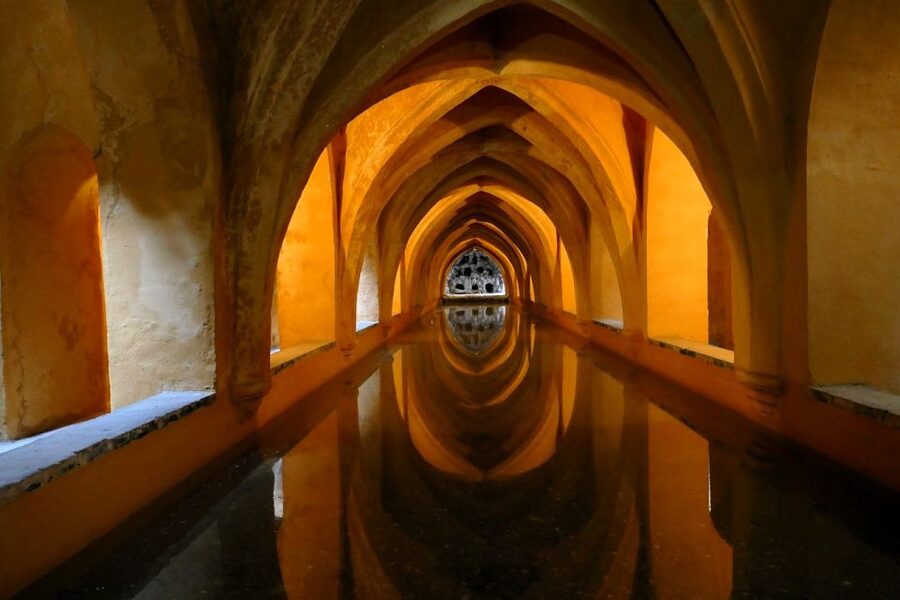
The guided section finishes at the Maria Padilla Baths, below the palace. From there, you can continue into the gardens without leaving the complex.
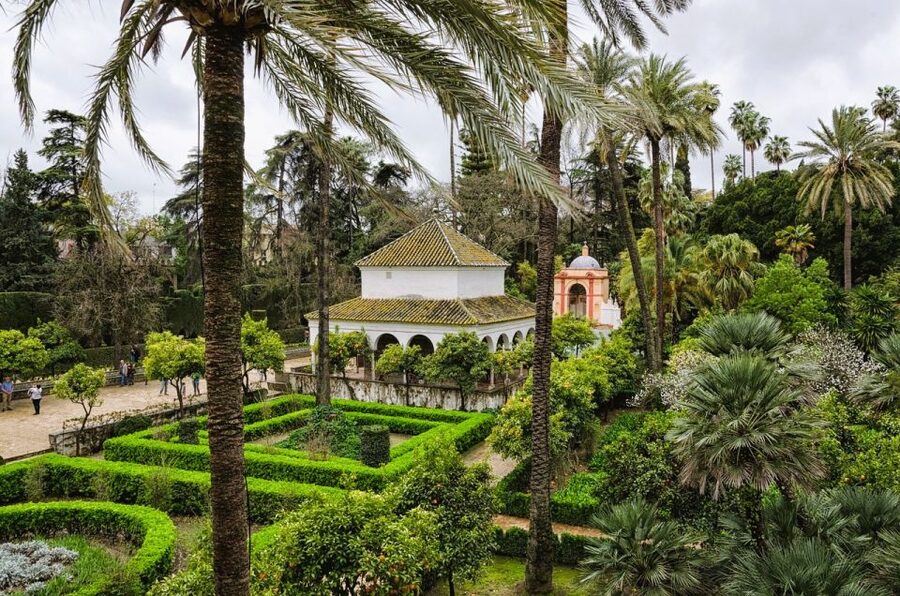
This ending is one of the tour’s best practical features. You are not pushed out at the two-hour mark or left outside the gates with the visit abruptly over. You can take your time among the paths, water features, trees, and courtyards, then return to areas that caught your eye.
Remember one rule: once you leave the monument complex, you cannot re-enter on the same ticket. Plan your food, drinks, and bathroom needs with that in mind. Food and drinks are not allowed inside the complex, and large bags are not permitted.
Why the small group matters
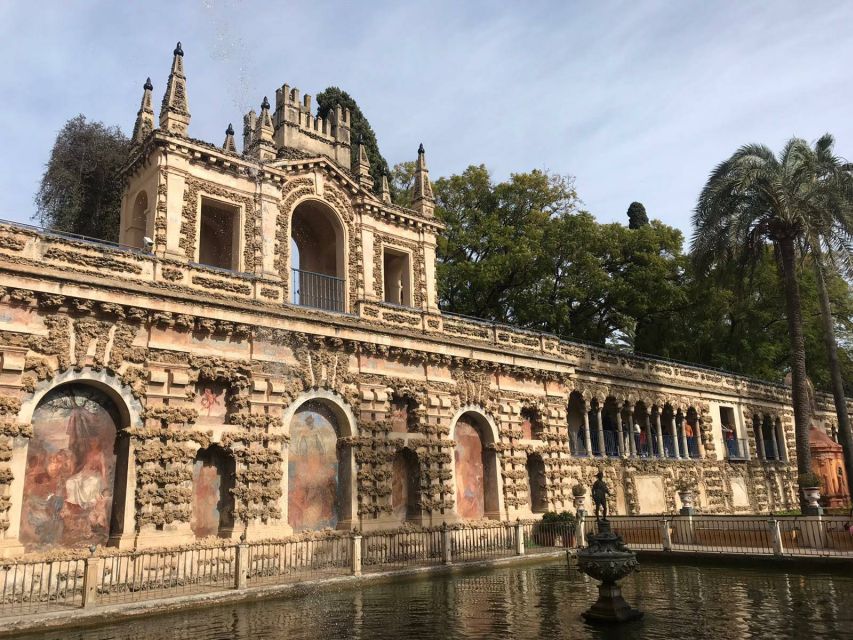
A maximum of 10 people is not just a marketing number. It changes the feel of the tour.
In a large group, you may spend much of your energy trying to stay near the guide. In this format, you have a better chance of hearing the explanation, asking a question, and seeing the detail being discussed. A group of six or seven gives the guide plenty of room to include everyone.
The small size also helps with movement. Narrow rooms and popular viewpoints can become awkward when a large group stops in one place. A compact group can gather, listen, and move on with less disruption.
The tradeoff is price. At $58, this is not the cheapest way into the Alcázar. You are paying for the guide, the reserved ticket, the route planning, and the smaller group. If you mainly want to walk through the palace and gardens at your own speed, a self-guided visit may suit you better.
I think the fee is easier to justify if this is your first visit, you have only one day in Seville, or you find royal and architectural history hard to organize on your own. The site has no abundance of simple posted explanations to guide you through every detail, so the tour can provide much more than basic orientation.
What the guides do best
The most consistent strength is the guiding. The praised guides include Valentín, Cristina, Laura, Carmen, Marta, Barbara, Carlos, Guillermo, Miguel, Jose, Clara, and Dante.
Different names appear, but the qualities are similar: clear English, strong command of the subject, enthusiasm, patience, humor, and an ability to answer questions. Valentín has been described as energetic and well organized when explaining a complicated past. Laura is often praised for making the tour easy to follow and enjoyable. Barbara brings personal warmth and a strong grasp of Seville’s story.
That does not mean every guide will have the same style. One may focus more on architecture, another on royal personalities, another on religion or the city’s role in overseas expansion. This is normal with a rotating guide team, and it means you should book for the structure and small group rather than expecting a particular person.
The two-hour length is well judged. The tour is long enough to cover the major buildings but short enough to leave energy for the gardens. Several guides have been praised for making the time pass quickly, which is a good sign at a site that could easily overwhelm you with detail.
Timing, weather, and accessibility
The tour lasts two hours, but your total time at the Alcázar can be longer because you may remain in the gardens afterward. Check the available starting times when booking, then watch for the final meeting instructions sent the day before.
The tour runs rain or shine. Bring suitable clothing and shoes, since the route includes indoor rooms and outdoor areas. Heavy wind or rain can lead palace management to close the gardens for safety, so the garden portion is not guaranteed in poor conditions.
The experience is wheelchair accessible. Still, the Alcázar is a historic complex, and individual areas can close for restoration, official use, or safety reasons. The tour provider cannot promise that every room or garden section will be open on your date.
Who should book this Alcázar tour?
I would choose this tour for a first visit to Seville, especially if you want the Alcázar to make sense rather than simply look beautiful. It also suits couples, solo visitors, families with older children, and anyone who prefers the ease of a small group over managing entry and navigation alone.
It is a particularly good fit if you value stories. The guides do not only identify rooms. They connect the palace to rulers, architecture, Seville, religion, and the Americas, giving you a stronger sense of why the site matters.
You might skip it if you strongly prefer silence, photography, and complete freedom over a fixed route. You also need to accept that the guided portion is in English, that security can slow entry, and that weather or official palace activity can affect access.
Should you book it?
Book this tour if you want a well-organized introduction to the Alcázar, prefer a group no larger than 10, and appreciate a guide who can explain the palace’s many layers. The entry ticket and garden time add practical value, while the strongest guides turn rooms and decoration into an understandable story.
At $58, I would call it good value for a first visit, but not essential for repeat visitors who already know the site. Arrive early at Plaza del Triunfo, bring the original ID used for booking, carry only a small bag, and save time after the tour for the gardens. That is where the experience slows down and becomes pleasantly your own.
FAQ
How long does the Alcázar tour last?
The guided tour lasts two hours. Afterward, you can continue exploring the gardens at your own pace while remaining inside the monument complex.
What is the price of the tour?
The price is $58 per person.
What language is the tour conducted in?
The live guided tour is conducted in English.
How many people are in the group?
The group is limited to a maximum of 10 participants.
Where do I meet the guide?
Meet at the large statue in Plaza del Triunfo, between the Alcázar and Seville Cathedral.
How do I identify the guide?
The guide wears a white lanyard and carries a white bag marked Seville Unique Experiences.
Are tickets included?
Yes. The monument entry ticket is included, and the tickets are purchased in advance.
Do I need to bring identification?
Yes. Bring the original passport or ID card connected with the booking. If student details were used, bring the original student card. Copies and photographs are not accepted.
Can I re-enter after leaving the Alcázar?
No. Once you leave the monument complex, you cannot re-enter because the ticket is valid for a specific entry time.
Is the tour wheelchair accessible?
Yes, the activity is listed as wheelchair accessible. Some areas may still close because of restoration, official palace use, or safety reasons.
Recently listed in Seville
- Seville: Small Group Jewish Quarter Tour with Tapas & Drinks★ 5.0 · 119 reviews
- Seville: Alcázar Fast-Track Access with Guided Tour★ 4.2 · 432 reviews
- Seville: Small-Group Jewish Quarter Discovery Walking Tour★ 4.9 · 499 reviews
- Seville: VIP Exclusive Early Access Tour of The Alcazar★ 4.8 · 276 reviews
- Seville: Sunset Roof Top Walking Tour★ 4.5 · 122 reviews
- Seville: 3.5-Hour Spanish Cooking Class & Triana Market Tour★ 4.9 · 751 reviews
- Seville: Flamenco Show at Tablao Almoraima in Triana★ 4.6 · 483 reviews
- Seville: Authentic and Romantic Horse-Drawn Carriage Ride★ 4.5 · 341 reviews
Alcazar Tours, compared.

Cathedral, Giralda, and Royal Alcázar Guided Tour
Read our review →
Cathedral, Giralda & Alcazar Entry With Guided Tour
Read our review →
Segovia and Toledo Tour, Alcazar, and Cathedral
Read our review →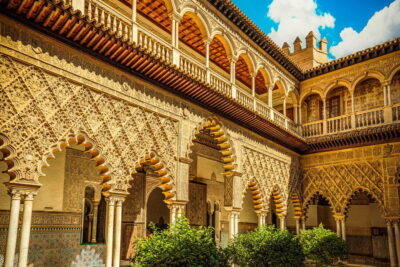
Priority Access Cathedral, Giralda & Alcázar Tour
Read our review →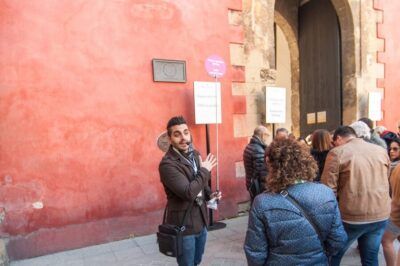
Alcázar and Cathedral Entry Ticket and Guided Tour
Read our review →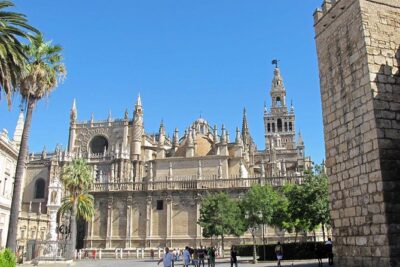
Alcazar and Cathedral of Seville Tour with Skip the Line Tickets
Read our review →
Toledo & Segovia Full Day Guided Tour with Alcázar
Read our review →Browse the lists this tour appears in