
Reviewed · COOKING CLASSES
Spanish Cooking Class Palma meals+drinks 7 dishes Full meals
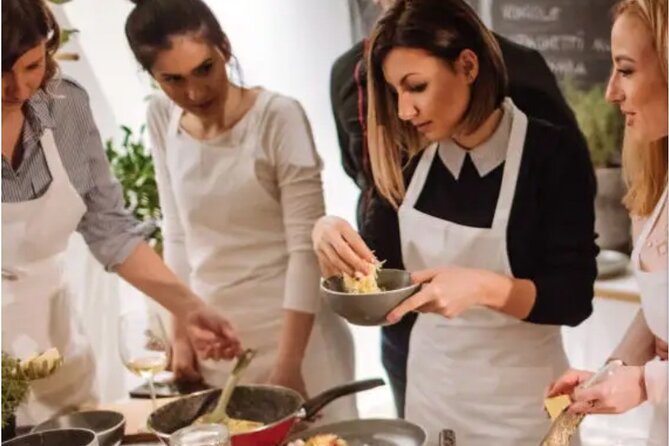
Good food can rescue a hot afternoon. This Palma cooking class brings you into the center of the city, near Mercat de l’Olivar, for about three hours of Spanish and Mediterranean cooking with drinks included. You work with local chefs, help prepare a full meal, and finish with plenty to eat.
I like the small group of up to 12 because it gives you a better chance to take part rather than simply watch. I also like the open bar, which includes water, soft drinks, and wine. The main caution is that the format can vary: some sessions feel hands-on, while others may work more like a chef demonstration with volunteers helping at selected moments.
In This Review
- Key points at a glance
- Starting near Mercat de l’Olivar in central Palma
- What the three-hour class feels like
- Spanish tortilla: a simple dish worth learning
- Ceviche adds a Mediterranean and Peruvian turn
- Chistorra al sake brings a local sausage into the mix
- Tapas and the social part of the meal
- Seafood paella is the main event
- Dessert finishes with crema catalana and citrus
- Drinks turn dinner into a social evening
- How much cooking will you actually do?
- Price and value at $107.63
- Who should book this Palma class?
- Final call: book it for food, company, and a full evening
- FAQ
- Where does the cooking class meet?
- How long does the experience last?
- What language is the class offered in?
- What food is prepared?
- Are drinks included?
- Are ingredients and cooking equipment provided?
- How many people can join the class?
- Can I cancel for a full refund?
Key points at a glance
- Seven-dish format: The advertised menu includes Spanish tortilla, ceviche, chistorra al sake, seafood paella, dessert, and additional tapas-style items.
- Central Palma meeting point: You meet at Plaça de l’Olivar, 5, close to Mercat de l’Olivar and public transportation.
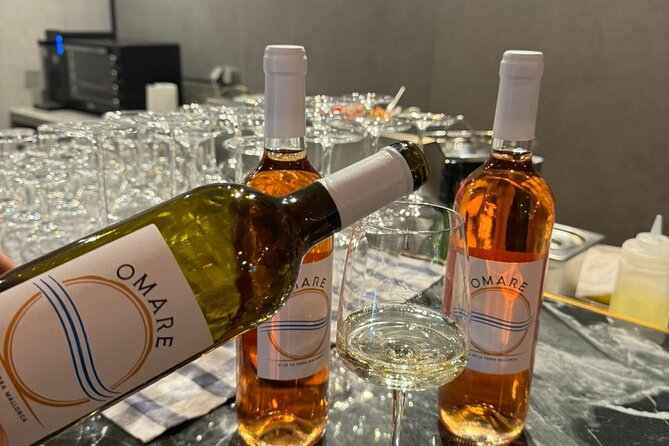
- Drinks are part of the experience: Water, soft drinks, and wines are included through the class.
- Small-group cooking: The maximum group size is 12, though some sessions may be smaller.
- Good for families and solo visitors: Children have taken part, and solo participants can easily join a social table.
- A full meal, not just a tasting: You should leave well fed, with recipes and cooking techniques to use at home.
Starting near Mercat de l’Olivar in central Palma
The class begins at Plaça de l’Olivar, 5, in Palma’s Centre district. This puts you near Mercat de l’Olivar, one of the city’s best-known food-market areas, and close to public transportation.
That location matters. You do not need to arrange a long ride outside Palma or give up half a day to reach a cooking school. If you are staying in the center, you can build the class into a walking day. If you are visiting from a cruise ship, the activity can also fit into a port call, provided you allow enough time for transport and return.
You should arrive on time. One person who was 11 minutes late described being left out of the cooking and having a poor experience. That may not be typical, but it is a useful warning: a three-hour class has a set rhythm, and missing the opening instructions can affect how much you get to do.
The activity ends back at the meeting point. Hotel pickup and drop-off are not included, so you are responsible for getting to and from Plaça de l’Olivar.
More Cooking Classes in Mallorca:
- Palma: Mediterranean Cooking Class with Drinks
★ 4.8 · 240 reviews - Barcelona Paella Cooking Class with Market Visit, Tapas & Sangria
★ 5.0 · 2,531 reviews - Spanish Cooking Class Paella Tapas and Sangria in Madrid
★ 5.0 · 1,340 reviews
What the three-hour class feels like
This is designed as a social cooking workshop rather than a formal culinary course. A local chef demonstrates the dishes, explains ingredients and methods, and gives participants a chance to help prepare parts of the meal.
The exact balance between cooking and watching may depend on the group. Some sessions give each person a specific task, such as preparing the sausage dish, ceviche, or paella. Other accounts describe a chef-led format in which a few volunteers assist while the rest of the group follows along.
That distinction is important. If you want every participant to have an individual workstation and cook every course from start to finish, this may not be the right class. If you want a relaxed evening where you help with selected dishes, learn useful techniques, eat a large meal, and chat over wine, it makes more sense.
The small size helps. With a maximum of 12 people, the chef can answer questions and explain steps without shouting across a large room. Some sessions have included only a few people, while others have been close to capacity.
The atmosphere is one of the class’s strongest features. It is built around shared work, shared food, and conversation. Solo visitors have joined tables with other participants and ended the evening feeling part of a group. Couples, families, and friends can also take part together.
Spanish tortilla: a simple dish worth learning
The class begins with familiar Spanish comfort food, the tortilla española. Potatoes, onions, and eggs come together in a dish that looks humble but requires judgment.
The useful lesson here is timing. The potatoes need the right texture, the onions need care, and the eggs must bind everything without turning the tortilla dry. This is the sort of recipe you can repeat at home because it relies on basic ingredients rather than hard-to-find products.
It also gives the class a practical opening. You are learning a Spanish staple, not a restaurant trick that only works with specialist equipment. If you enjoy cooking while traveling, this is one of the most useful dishes on the menu.
Ceviche adds a Mediterranean and Peruvian turn
The ceviche brings a different style to the meal. It connects Mediterranean ingredients with Peruvian preparation, giving the menu a modern fusion angle instead of limiting the class to traditional Mallorcan recipes.
This is also one of the more accessible dishes for younger participants because it does not require working over a flame. A family group described children helping with the ceviche while adults took on the sausage and paella.
The class presents ceviche as a lesson in balance and freshness. You learn how the ingredients work together, rather than simply receiving a finished plate. The dish was singled out as a highlight by one participant, who praised its fresh taste and careful balance.
Food preferences should be discussed when booking or before the class begins. One participant with a gluten-free diet received an accommodation without trouble. Still, the supplied information does not promise a full range of dietary adjustments, so I would not assume every allergy or restriction can be handled.
A few more Mallorca ideas to compare
- Palma: Cathedral of Mallorca Skip-the-Line Entry Ticket
★ 4.6 · 14,386 reviews - Palma de Mallorca: 5-Hour Catamaran Cruise with Lunch & Swim
★ 4.5 · 9,957 reviews - Porto Cristo: Caves of Hams Entry Ticket
★ 4.2 · 6,548 reviews - Palma de Mallorca: City Sightseeing Hop-On Hop-Off Bus Tour
★ 4.1 · 4,450 reviews
Chistorra al sake brings a local sausage into the mix
Chistorra is a thin, strongly seasoned sausage associated with northern Spain. Here it is paired with sake, creating one of the class’s more unusual combinations.
The menu description also refers to cider, so the exact preparation or wording may vary. Either way, this course gives you something beyond standard paella and tortilla. It shows how Spanish ingredients can be used with flavors from outside the country.
This is a good example of why the class is described as Spanish Mediterranean fusion. You are not following a strict old-style regional menu. You are learning a selection of dishes that use Spanish foundations with wider influences.
Tapas and the social part of the meal
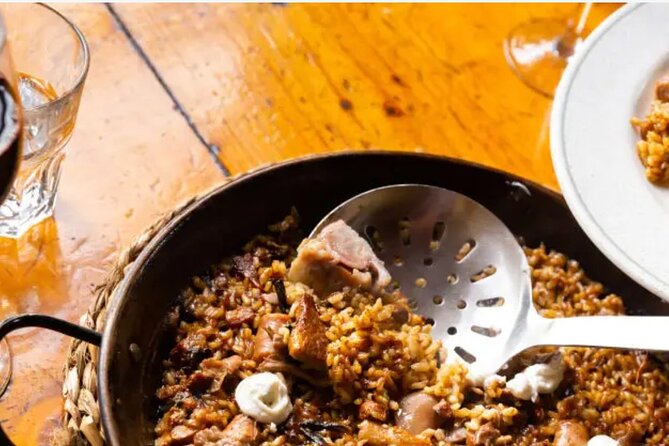
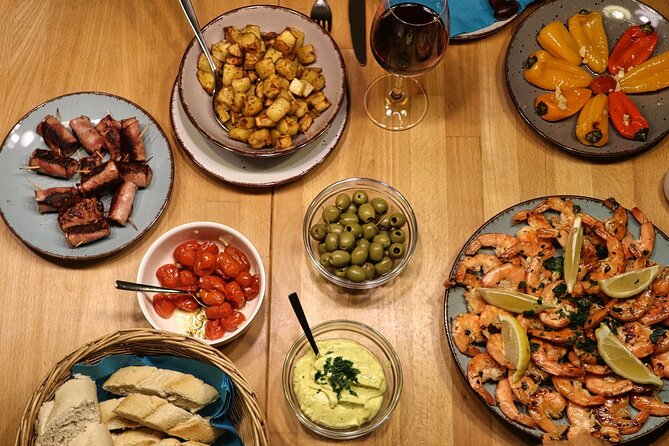
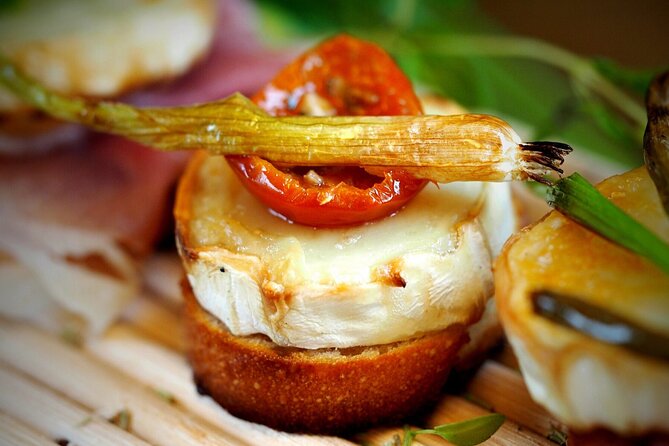
The advertised sample menu names several starters, but the meal can include additional tapas-style food. One family described a board of cured meats, breads, and cheeses, with guidance on how to combine the items.
This part may require the least cooking, but it helps explain Spanish eating habits. Tapas are not only recipes. They are also about variety, sharing, and taking your time over several small portions.
I like this section because it gives you an easy way to participate. You might help arrange a board, taste different combinations, or discuss the ingredients while the chef works on the hotter courses. It also gives children and less confident cooks something to do.
The amount of food appears generous overall. Several accounts describe leaving with full, happy bellies, and the experience is marketed as a full meal rather than a quick sample. If you are looking for a light tasting menu, this could feel like more food than you need.
Seafood paella is the main event
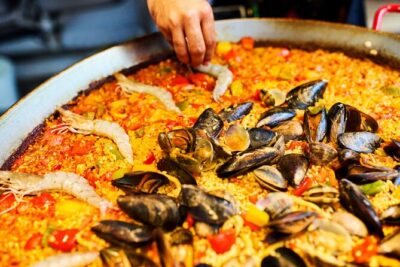
Paella is the centerpiece of the class. The group works on a large seafood version, and this is usually the moment when everyone gathers around the main cooking process.
Paella looks simple but depends on several small choices: how the rice is added, how the liquid is managed, and when the seafood goes in. A demonstration lets you see the full sequence, while hands-on tasks give you a feel for the process.
One participant described making a large pan of paella with a small group. Another family member took responsibility for the paella while other people handled different dishes. That division of work is typical of a group workshop: you may not personally cook every part, but you can follow the method and taste the finished result.
The seafood element also means this may not suit everyone. The supplied information does not specify a vegetarian alternative. If you do not eat seafood, contact the operator before booking rather than assuming the main course can be changed.
Dessert finishes with crema catalana and citrus
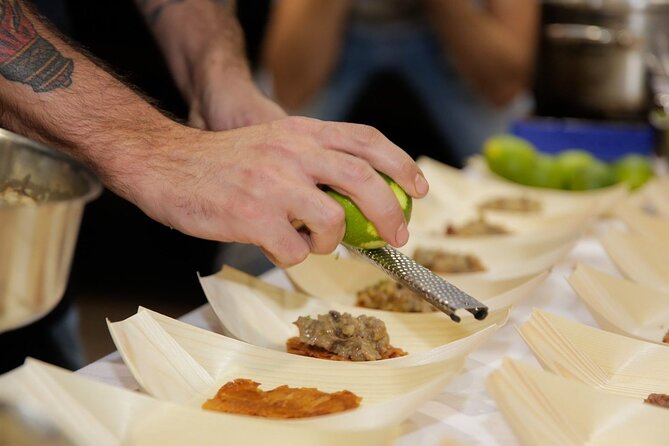
Dessert is listed as espuma de crema catalana, described as a combination of crema catalana and a yuzu ice cream-style element. Another account describes a refreshing lemon sorbet on a crunchy base, followed by chocolates.
The details suggest a light, modern finish rather than a heavy pudding. That makes sense after tortilla, sausage, tapas, and paella. The citrus note should also work well after a meal built around rich and savory flavors.
The dessert is another part of the menu where the exact presentation may change. You should expect a creative cream or citrus-based dessert, but not rely on one fixed plating style.
Drinks turn dinner into a social evening
The included open bar adds real value. Water, soft drinks, and wines are covered, and participants have also described being offered cava, local beer, and other drinks during the session.
The class may begin with a glass of cava, setting a festive tone before the cooking starts. Wine with the meal helps the evening feel like a Spanish dinner rather than a technical lesson.
Additional beverages are not included, so the open bar has limits. The information specifically includes water, soft drinks, and wines. Do not assume every drink on offer is covered, especially if you want something outside those categories.
Because alcohol is served, families should plan sensibly. Children can take part, and one family had children handle the ceviche, but the experience still has the feel of an adult social dinner.
How much cooking will you actually do?
This is the most important question to ask before booking. The class promises hands-on instruction, recipes, ingredients, cooking materials, demonstrations, and expert guidance. That does not necessarily mean every person cooks each dish independently.
The best way to think of it is as a shared kitchen. You might be assigned one preparation, then watch the chef explain another. In a group of 12, it is unlikely that everyone can take full control of every course.
That format works well for people who want to learn without pressure. You can ask questions, see professional organization, and enjoy the meal without spending the whole evening measuring and washing up. It may disappoint you if your main goal is intensive individual practice.
The number of dishes also deserves a note. The experience is promoted around seven dishes, while some accounts describe four main preparations plus tapas and dessert, and one unhappy participant counted five courses. The menu can therefore include seven elements without giving each one equal cooking time. If the exact dish count matters to you, confirm the current menu before booking.
Price and value at $107.63
At $107.63 per person, this is not a cheap meal. It becomes easier to justify when you count what is included: about three hours of instruction, a full menu, ingredients, kitchen materials, recipes, and water, soft drinks, and wine.
A normal Palma dinner with several courses and drinks can add up quickly. Here you also receive a social activity and cooking guidance. For a couple, the price buys an evening out with a clear focus. For a solo visitor, it can replace both a meal and a planned night of meeting people.
The value is weaker if you mainly want to observe. You are paying for participation, food, and drinks together, not for a private lesson with constant one-to-one attention.
Booking well ahead is sensible. The experience is booked, on average, 27 days before the date, which suggests that leaving it until the last moment may limit your choices. It has a free cancellation policy up to 24 hours before the start time. Cancellations inside that window are not refunded, and the operator requires a minimum number of participants, so a cancellation by the provider may lead to another date, another experience, or a full refund.
Who should book this Palma class?
I would recommend it most strongly to:
- Couples wanting a relaxed food-centered night
- Solo visitors who enjoy meeting people at a shared table
- Families looking for an indoor activity during a hot day
- Cruise passengers with enough time away from the ship
- Food lovers who want recipes they can try at home
- Beginners who prefer guidance over a demanding technical lesson
It is less suitable for you if you need a guaranteed private class, strict regional cooking, a fully individual workstation, or a fixed seven-course menu with no variation.
The class is offered in English. Named staff in the accounts include chefs and hosts such as Charlotte, Andres, Milli, Lorena, Amo, Ceci, Bai, and Mily. Andres was also described as helping with translation in one session, while the chefs were praised for friendly explanations and patient instruction.
Final call: book it for food, company, and a full evening
I would book this class if I wanted an easy, social way to spend three hours in Palma. The food is the main draw, but the open bar, friendly hosts, central location, and small-group format make the evening feel bigger than a simple cooking lesson.
Go in expecting shared preparation rather than a personal cooking station. Arrive early, confirm the current menu if you care about the seven-dish promise, and raise dietary needs before the class begins. With those expectations in place, the combination of tortilla, ceviche, chistorra, paella, dessert, wine, and conversation offers solid value for a Palma night out.
FAQ
Where does the cooking class meet?
It meets at Plaça de l’Olivar, 5, Centre, 07002 Palma, Illes Balears, Spain, near Mercat de l’Olivar.
How long does the experience last?
The class lasts approximately three hours.
What language is the class offered in?
The experience is offered in English.
What food is prepared?
The sample menu includes Spanish tortilla, ceviche, chistorra al sake, seafood paella, and espuma de crema catalana. Tapas-style foods such as cured meats, breads, and cheeses may also be included.
Are drinks included?
Yes. Water, soft drinks, and wines are included. Additional beverages are not included.
Are ingredients and cooking equipment provided?
Yes. Ingredients, cooking materials, recipes, demonstrations, and hands-on instruction are included.
How many people can join the class?
The maximum group size is 12 participants.
Can I cancel for a full refund?
Yes, if you cancel at least 24 hours before the experience begins. Cancellations or changes made less than 24 hours before the start time are not refunded.
Recently listed in Mallorca
- Alcudia/Marratxi: Valldemossa & Soller Tour by Tram & Bus★ 4.7 · 499 reviews
- Discover Cala des Moro and S’Almunia the smart way★ 5.0 · 370 reviews
- “Cala Millor & Sa Coma: TOP Buggy Tours – your mega experience!”★ 4.5 · 340 reviews
- Palma de Mallorca Bike Tour★ 4.5 · 128 reviews
- Explore Mallorca in Your Own Formula One Car★ 4.5 · 388 reviews
- Scooter and Motorbike Rental to Explore Mallorca★ 4.5 · 186 reviews
- Ticket Palma Aquarium★ 4.0 · 354 reviews
- Food Tasting Walking Tour in Palma with a Local★ 4.5 · 105 reviews
Cooking Classes, compared.
Barcelona Paella Cooking Class with Market Visit, Tapas & Sangria
Read our review →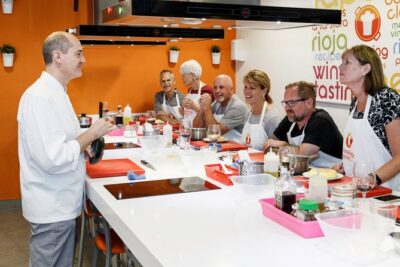
Spanish Cooking Class Paella Tapas and Sangria in Madrid
Read our review →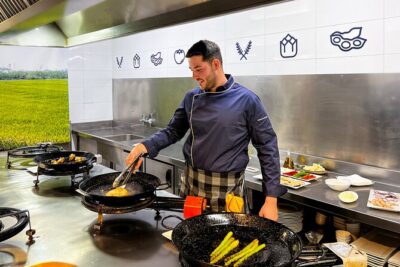
Paella Cooking Class, Wine Tasting & Central Market in Valencia
Read our review →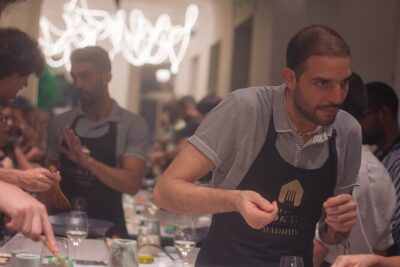
Paella Cooking Class in Madrid with Bottomless Wine Pairing
Read our review →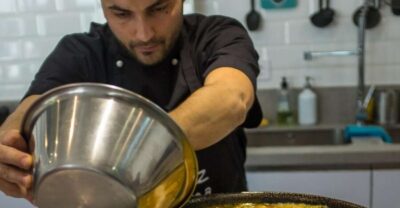
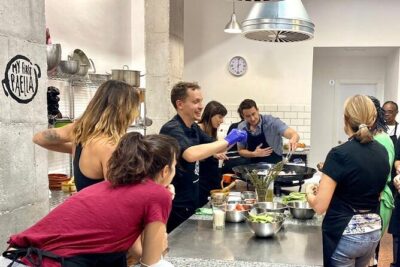
Valencian paella cooking class, tapas and visit to Ruzafa market.
Read our review →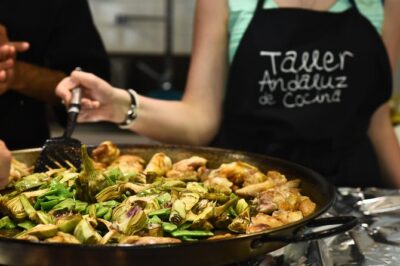
Spanish Cooking Class & Triana Market Tour in Sevilla
Read our review →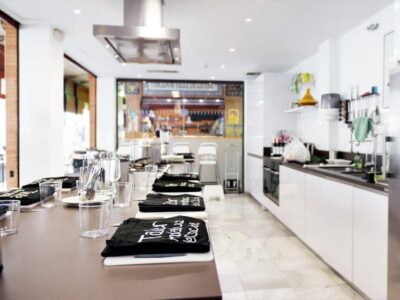
3.5-Hour Spanish Cooking Class & Triana Market Tour
Read our review →Browse the lists this tour appears in