
Reviewed · MUSEUMS
Alicante: Bullring and Bullfighting Museum Entry Ticket
Look beyond the sandy arena floor. This one-hour visit gives you a thoughtful look at Alicante’s bullfighting tradition, from the late 19th-century bullring itself to the museum’s art, matador suits, chapel, and backstage spaces. I like the chance to step into the ring without attending a bullfight, and I like the audio guide, which lets you set your own pace in six languages. The main drawback is that concerts and other events can partially block the arena.
I also appreciate the low $14 price, especially if you want a short cultural stop in Alicante rather than a full-day tour. This is a self-guided visit, not a live presentation, so you need to be comfortable following an audio guide and reading the information as you go.
In This Review
- Key points at a glance
- Why this bullring visit is worth your hour
- Entering Alicante’s late 19th-century arena
- The chapel, bull pens, and infirmary
- The museum’s art and matador costumes
- The audio guide makes the visit flexible
- Views from the seating area
- What the $14 ticket really buys you
- Who will enjoy this experience most
- Practical advice before you go
- Should you book the Alicante bullring visit?
- FAQ
- Where does the visit begin?
- How long does the experience last?
- When is the bullring and museum open?
- Is a live guide included?
- Which languages are available for the audio guide?
- What areas can I see inside the bullring?
- Is the venue wheelchair accessible?
Key points at a glance
- Walk inside a working cultural venue: The bullring is also used for concerts, tennis, and an ice rink, so its modern role goes beyond bullfighting.
- See spaces most people miss: The route includes the chapel, bull pens, infirmary, arena, and museum.
- Look for Alicante’s famous matadors: Exhibits include Vicente Blau, José María Manzanares, Francisco Antón, and Luis Francisco Esplá.
- Enjoy castle views from the seating area: The elevated view toward Alicante and the castle adds a welcome city perspective.
- Use the guide in your own language: Audio is available in Spanish, English, French, Italian, German, and Polish.
- Plan around event setup: A stage or festival installation can reduce the view of the ring’s original layout.
Why this bullring visit is worth your hour
Bullfighting is not a small footnote in Alicante. The tradition here dates back to 1700, and the bullring provides a physical place to understand how that culture developed. You are not simply looking at a painting or reading a museum panel. You are walking through the arena, entering areas linked to the event, and seeing the spaces that support a bullfight.
I find that helpful because bullfighting can be difficult to understand from the outside. The museum gives you the names, clothing, art, and local stories, while the building itself shows the scale and staging of the spectacle. You can decide for yourself how you feel about the tradition while still learning why it matters in Alicante.
The visit lasts about one hour. That makes it easy to fit between the city’s other sights, especially if you want something indoors during the middle of the day. It is also short enough for people who are curious about bullfighting but do not want to spend half a day on the subject.
More Museum Tours in Alicante:
- Museum of Illusions Alicante Entrance ticket
★ 4.5 · 105 reviews - Madrid: Prado Museum Entry Ticket
★ 4.6 · 17,509 reviews - Barcelona: FC Barcelona Museum “Barça Immersive Tour” Ticket
★ 4.4 · 10,944 reviews
Entering Alicante’s late 19th-century arena
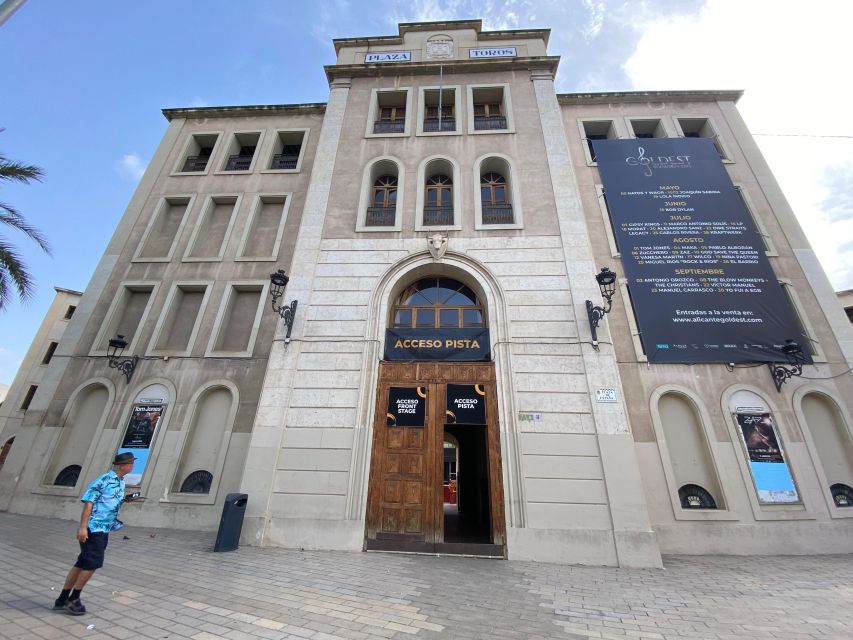
You begin at the main entrance of the bullring. From there, the audio guide leads you through the building and explains its design, uses, and connection to local bullfighting.
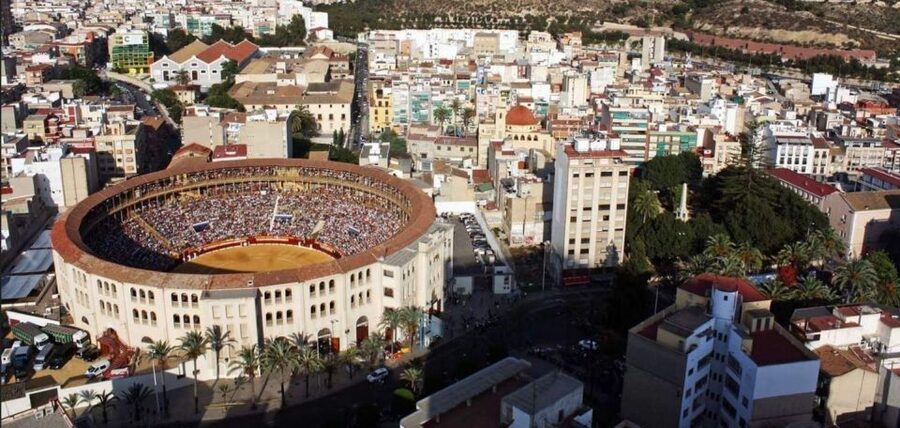
The architecture is one of the strongest parts of the experience. This is a late 19th-century historical monument, and the curved arena, tiered seating, corridors, and enclosed service areas give you a better feel for the building than an exterior photograph can provide. The venue has a serious, practical character rather than the polished feel of a modern attraction.
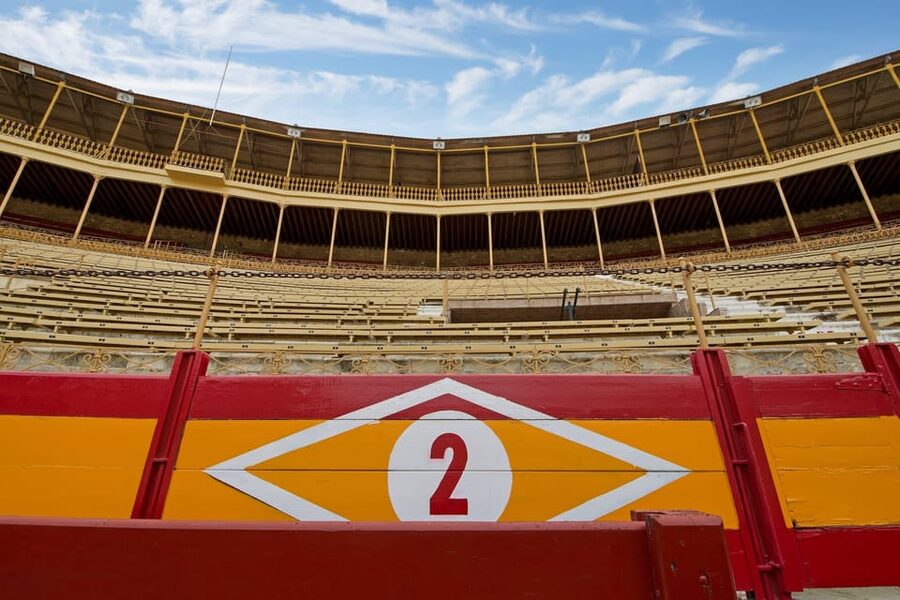
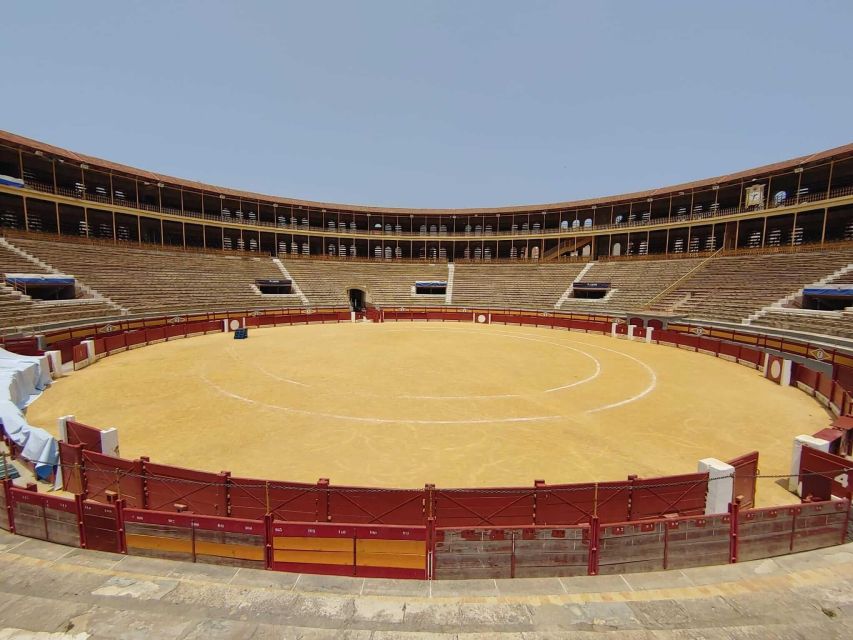
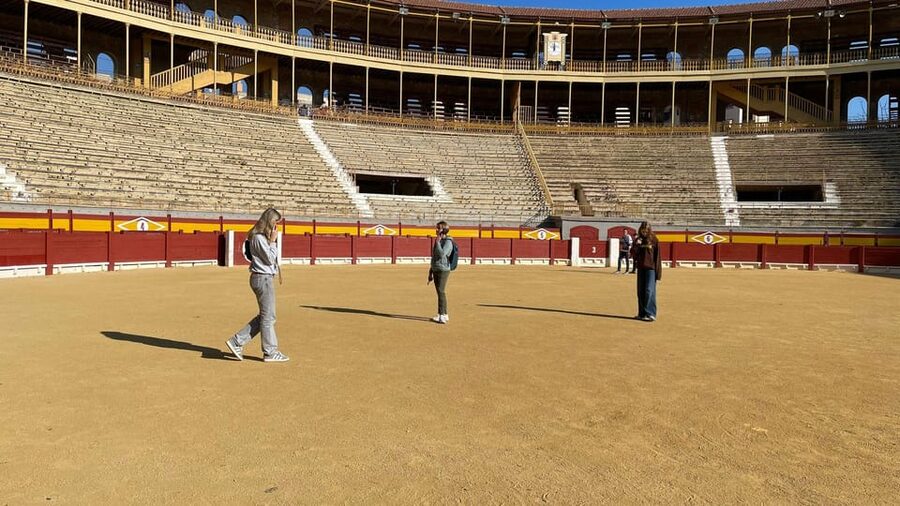
The open ring is the natural focal point. You can step onto the arena floor as a bullfighter would, then look up toward the rows of seating. That change in viewpoint matters. From the floor, the surrounding walls and audience area make the performance space feel large and exposed. From the seating, you can see how the audience would have watched the action.
The arena may not always look exactly as it did during a bullfight. A concert stage, Oktoberfest installation, or another event can be in place. That has affected some visits, with parts of the ring hidden or altered. I would check ahead if seeing the arena in its original form is your main reason for coming.
The chapel, bull pens, and infirmary
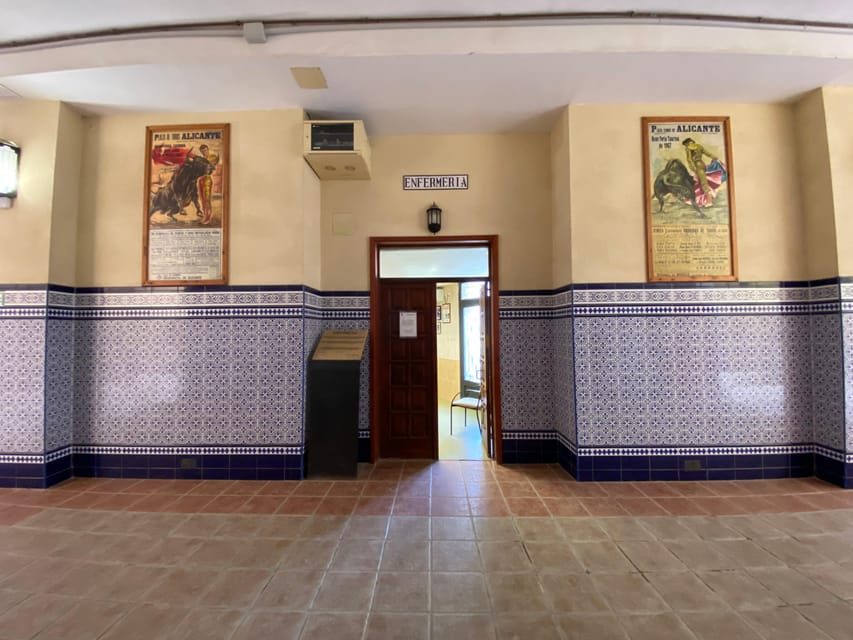
The route goes beyond the public seating. You can visit the small chapel where Alicante bullfighters pray before a bullfight, along with the bull pens and infirmary.
The chapel is an especially useful stop because it adds a personal and solemn side to the tradition. Bullfighting is often presented through costumes, crowds, and dramatic images. The chapel reminds you that participants have long treated the event as a serious ritual, not just entertainment.
The bull pens and infirmary provide a more practical view. These areas show how the building functioned behind the scenes, from holding the bulls to treating injuries. You get a sense of the preparation and risk involved before anything happened in the arena.
I would pay close attention to the audio here. Without explanation, these rooms could pass quickly as plain service areas. The guide gives them purpose and helps connect the working spaces to the public performance.
The museum’s art and matador costumes
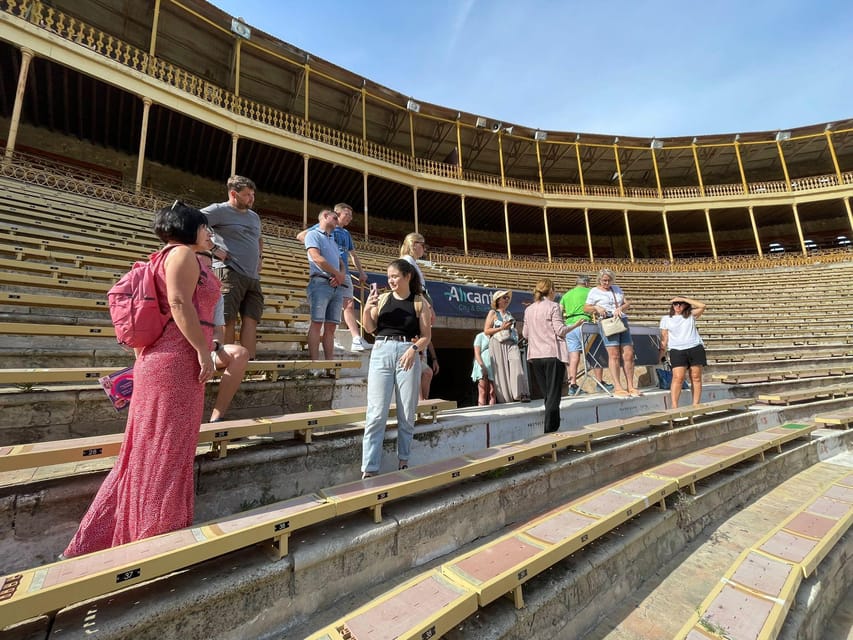
After exploring the bullring, you visit the Taurino Museum. The exhibits broaden the visit beyond the architecture and show how bullfighting has been represented through art, clothing, and local personalities.
Matador suits are among the most visually striking objects. Their decoration, close fit, and formal appearance offer a useful contrast to the rougher spaces behind the arena. You can see how clothing helped create a recognizable public image for the matador.
The museum also presents local figures including Vicente Blau, José María Manzanares, Francisco Antón, and Luis Francisco Esplá. These names give the experience a specifically Alicante focus. You are not looking at bullfighting as a generic Spanish custom. You are learning about the people connected to this city and its arena.
The art helps explain the cultural side of the tradition. Some pieces may appeal more to visitors already interested in bullfighting, while others work as visual records of its ceremonies and personalities. I would not expect a large museum with dozens of rooms. The value comes from the combination of objects and the building itself.
Videos about bullfighting culture are also part of the route. They can make the material easier to follow, particularly if you have never seen a bullfight or studied the subject before. The experience gives you enough background to understand the basic setting without assuming prior knowledge.
A few more Alicante ideas to compare
- From Alicante: Roundtrip to Tabarca Island
★ 4.3 · 3,992 reviews - Alicante: Secret Flavors Food Tour
★ 4.8 · 1,514 reviews - Alicante: 2-Hour Late Afternoon Catamaran Cruise
★ 4.5 · 1,265 reviews - From Alicante: Guadalest, Altea & ticket in Algar Waterfalls
★ 4.7 · 1,027 reviews
The audio guide makes the visit flexible
There is no live guide included. Instead, you use an audio guide as you move around the bullring and museum.
That arrangement suits me for a short visit. You can stop at an exhibit, look around the arena, or take photographs without trying to keep up with a group. It also avoids the pressure of asking a guide to repeat information when your attention is split between the building and the displays.
The audio guide is available in Spanish, English, French, Italian, German, and Polish. That language choice is a real advantage for an international audience. The host or greeter speaks Spanish and English, while the recorded material provides the wider selection.
The tradeoff is that the experience depends on you staying engaged. A live guide might answer a question about the building or explain a detail in greater depth. Here, you get a set route and recorded information. It is a good format if you prefer independence, but less suitable if you want conversation or a debate about bullfighting.
Go when the venue is quiet if possible. A quieter hour makes it easier to listen, take photographs, and examine the displays without competing with other people in a narrow space. The opening hours are Monday through Saturday, from 10:00 AM to 4:00 PM, so you do not have an evening option.
Views from the seating area
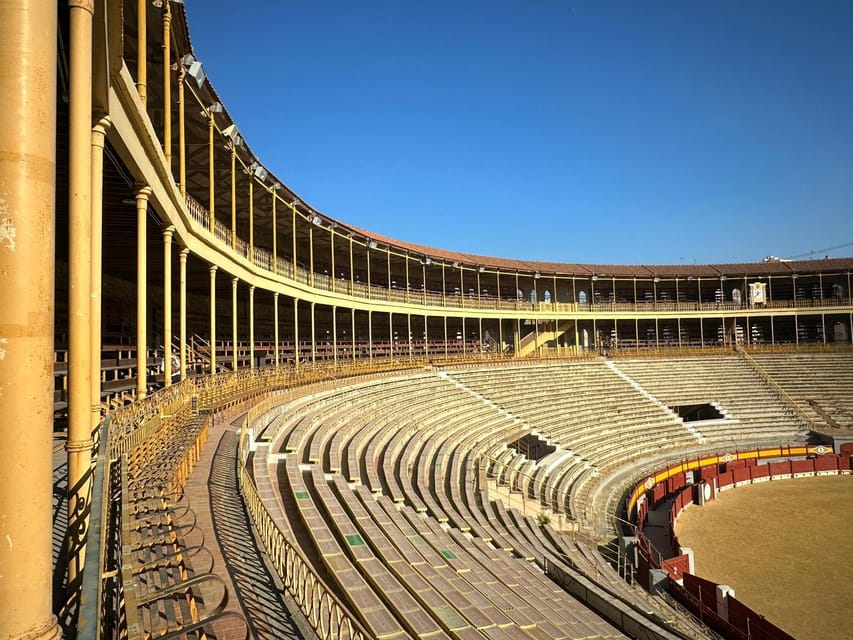
The seating area offers more than a view into the ring. From up there, you can look across Alicante and toward the castle.
This is a pleasant surprise in an otherwise indoor cultural visit. The city view helps place the bullring within Alicante rather than treating it as an isolated museum. I would save a few minutes for this point, even if you are more interested in the displays than the architecture.
The seating also shows how the audience experienced the event. Looking down into the ring gives you a clear sense of the relationship between the performer and the crowd. The audio guide helps explain that setting, but the physical view does much of the work.
You should be aware that access includes stairs. One visitor found the number of stairs potentially difficult for elderly or disabled people, while the activity information describes the venue as wheelchair accessible. Because those details do not fully match, I would contact the venue before booking if you need step-free access or have limited mobility.
What the $14 ticket really buys you
At $14 per person, this is a reasonably priced cultural stop. You receive entry to both the bullring and museum, the multilingual audio guide, and an information leaflet. You are paying for access to a historic building as well as an introduction to one of Alicante’s defining traditions.
The value is strongest if you want context rather than a quick photograph. The ticket lets you see public and behind-the-scenes areas, learn about local matadors, watch videos, and use the building as part of the lesson. A one-hour duration also keeps the cost sensible for a compact itinerary.
The value drops slightly if an event setup blocks the arena. A stage or festival installation can make the ring harder to appreciate in its original form. The museum and other rooms still give you something to see, but the central architectural experience may feel incomplete.
The ticket includes free cancellation up to 24 hours before the visit, and you can reserve now while paying later. Those terms are useful if your Alicante schedule is still moving around, though the main decision should be based on your interest in the subject and the building.
Who will enjoy this experience most
I would recommend this visit to you if you like historic buildings, local customs, museums, or unusual city attractions. It is particularly suitable if you want to understand bullfighting without attending a live event.
You do not need to support bullfighting to find the visit worthwhile. The museum presents the tradition as part of Alicante’s culture, and the building lets you examine that culture directly. You can learn about the ritual, the performers, and the venue while forming your own opinion.
It also suits visitors with a tight schedule. One hour is enough to see the main areas, and the Monday through Saturday opening window makes it an easy daytime addition. The $14 cost is modest compared with longer guided activities.
I would think twice if you want a fully guided, highly interactive tour. There is no live guide included, and some information is delivered through the audio device. I would also check current conditions if the ring itself is your main goal, since another event may be using the venue.
Practical advice before you go
Arrive at the main entrance, not at a separate museum doorway. The visit begins there, and the staff can direct you to the audio guide and route.
Give yourself the full hour rather than rushing through. The bullring, chapel, bull pens, infirmary, seating, museum, videos, and city view each add a different piece to the story. The route is short, but it is more rewarding when you pause.
Choose a quieter time within the 10:00 AM to 4:00 PM opening window. This is especially useful if you want clear photographs or need to hear every part of the audio guide.
Keep the possibility of event setup in mind. Concerts, tennis, an ice rink, Oktoberfest, and other activities can share the venue. That flexibility is part of the bullring’s current life, but it can also change what you see.
Finally, wear shoes that feel secure on stairs and uneven routes. The official information says the venue is wheelchair accessible, but the reported stair access means you should confirm the details if mobility is a concern.
Should you book the Alicante bullring visit?
Book it if you want a low-cost, self-guided look at Alicante’s bullfighting culture and a historic building that still serves as a live events venue. The chapel, backstage rooms, local matador displays, and castle views give the hour more substance than a simple arena admission.
Skip it if you want a live guide, a long museum visit, or a guaranteed view of an untouched arena floor. If you do book, aim for a quiet time and check whether a concert or festival setup is scheduled. For $14, this is a worthwhile cultural stop, particularly for curious visitors who want to see an important part of Alicante without attending a bullfight.
FAQ
Where does the visit begin?
Go to the main entrance door of the bullring.
How long does the experience last?
The visit lasts approximately one hour.
When is the bullring and museum open?
The bullring and museum are open Monday through Saturday from 10:00 AM to 4:00 PM.
Is a live guide included?
No. The ticket includes an audio guide and an information leaflet, but not a live guide.
Which languages are available for the audio guide?
The audio guide is available in Spanish, English, French, Italian, German, and Polish.
What areas can I see inside the bullring?
The route includes the arena, seating area, chapel, bull pens, infirmary, and Taurino Museum.
Is the venue wheelchair accessible?
The activity information describes the venue as wheelchair accessible. Because stairs are also mentioned along the route, contact the venue before booking if you need step-free access.
Recently listed in Alicante
- Villajoyosa Horseback Riding in the Mountains with sea views★ 4.4 · 188 reviews
- Alicante: Small-Group Countryside Wine Tour with 4 Tastings★ 5.0 · 162 reviews
- Museum of Illusions Alicante Entrance ticket★ 4.5 · 105 reviews
- Parasailing in Alicante★ 4.5 · 116 reviews
- Guadalest and Algar Waterfalls Tour from Alicante or Benidorm★ 4.5 · 140 reviews
- Paella & Sangria Class with Tapas and Market Visit★ 5.0 · 122 reviews
- Guadalest & Algar Falls Excursion – From Albir, Benidorm & Calpe★ 4.5 · 380 reviews
- Alicante City & Beach Bike Tour★ 5.0 · 113 reviews
Museums, compared.
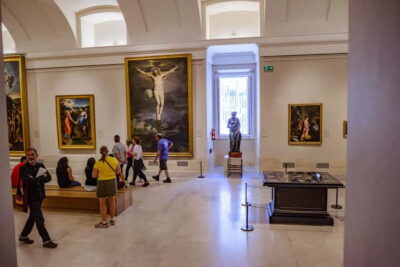

FC Barcelona Museum “Barça Immersive Tour” Ticket
Read our review →
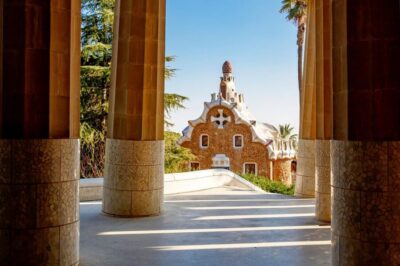
Park Güell and Gaudí House Museum Entry Ticket
Read our review →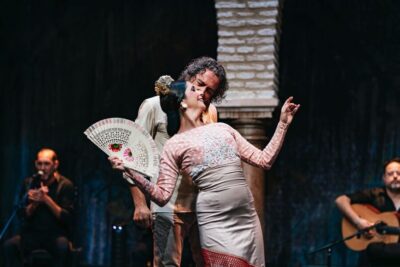
Puro Flamenco Show with Optional Museum Ticket
Read our review →

Girona & Dali Museum Small Group Tour with Pick-up from Barcelona
Read our review →
Oceanogràfic, Hemisfèric & Science Museum Combo
Read our review →Browse the lists this tour appears in