
Reviewed · MUSEUMS
Barcelona: Skip-the-Line to History Museum of Catalonia
History comes alive in Barcelona’s old harbor. The History Museum of Catalonia gives you a clear way to understand the region through permanent displays, temporary exhibitions, films, drawings, and hands-on settings. I especially like the interactive exhibition The Memory of a Country and the fourth-floor terrace, where you can look across the Port, Montjuïc Mountain, and the city. The main drawback is that the ticket does not include a guide or audio guide, so you need to read and explore at your own pace.
At $9 per person, this is an easy museum choice for a half-day in the Port area. It suits you best if you want more than famous buildings and beach time, though younger children may need an adult’s help to follow the historical material.
In This Review
- Key points to know before you go
- Starting at Plaça Pau Vila in the old harbor
- The Memory of a Country: Catalonia in one exhibition
- From ancient influence to the difficult years after 1714
- We Are: The 1976 to 1979 homosexual movement
- Films, drawings, and interactive settings
- The fourth-floor terrace and Port views
- How much time should you allow?
- Is $9 a good value?
- Who should visit the museum?
- Practical advice for a smoother visit
- Should you book the History Museum of Catalonia?
- FAQ
- Where is the History Museum of Catalonia?
- How much does admission cost?
- How long is the ticket valid?
- What does the ticket include?
- Is a guide or audio guide included?
- What are the museum’s opening hours?
- Is the museum wheelchair accessible?
- Can I cancel my booking?
Key points to know before you go

- The permanent exhibition covers major eras and figures: The Memory of a Country follows the forces and people that shaped Catalonia.
- Temporary displays add a current social angle: Until October 26, 2025, the museum presents We Are: The Homosexual Movement during Spain’s Transition to Democracy, 1976 to 1979.
- The rooftop is part of the appeal: The fourth-floor restaurant and bar offer views of the Port, Montjuïc Mountain, and Barcelona.
- Skip-the-line entry saves a small but useful amount of time: You can go directly to the museum entrance instead of waiting at the ticket line.
- The museum uses more than objects in cases: Films, drawings, interactive settings, articles, and stories help explain the past.
- The ticket is flexible: You can cancel up to 24 hours before the visit for a full refund, and you can reserve now while paying later.
Starting at Plaça Pau Vila in the old harbor
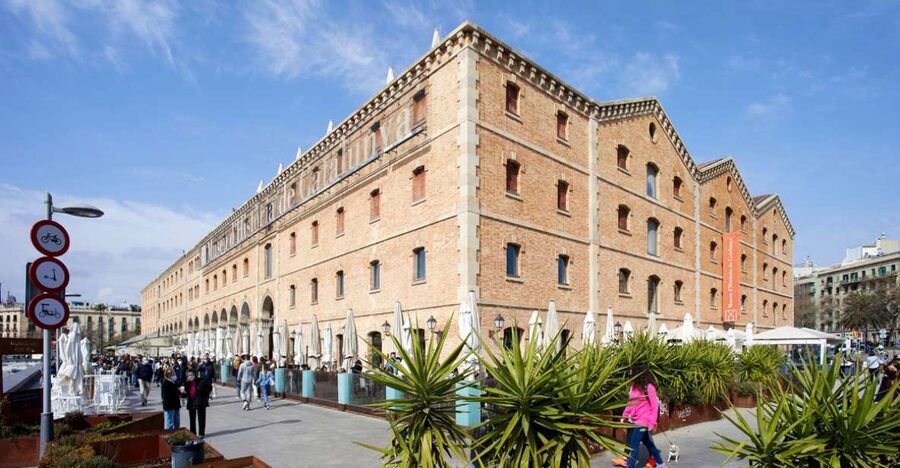
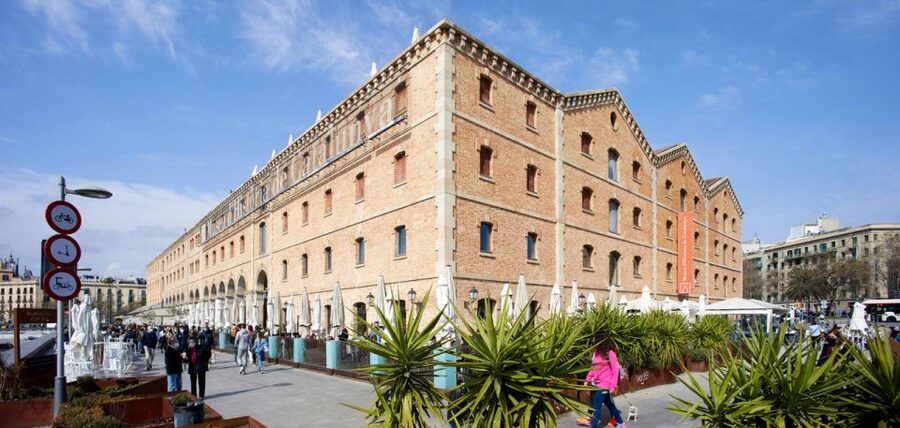
Your visit begins at Plaça Pau Vila, 3, in Barcelona’s Port area. The address puts you in a useful part of the city for combining the museum with a walk by the waterfront, though the ticket itself covers only the museum exhibitions and terrace.
The building offers a strong setting for a museum about Catalonia. You are not studying the region in an isolated gallery far from daily life. You are near the port, a place tied to trade, travel, work, and the growth of Barcelona. That setting helps the museum’s story feel connected to the city outside.
With the skip-the-line ticket, you avoid the ticket queue. This is not the same as a guided priority entrance through every part of the museum, and you will still need time to read and move through the displays. Still, at $9, skipping one line is a useful convenience, especially if you have a full day planned.
Bring your passport or ID card. Oversize luggage is not allowed, so this is not the place to arrive with large bags between hotel checkout and a train departure. Unaccompanied minors are not permitted, and children must be with an adult.
More History Tours in Barcelona
- Barcelona: Tapas Walking Tour with Food, Wine, and History
★ 4.8 · 4,261 reviews - Barcelona Tapas Walking Tour: Food, Wine & History
★ 4.5 · 1,928 reviews - Barcelona: 2.5-Hour Bike or E-Bike Historical Tour
★ 4.5 · 1,262 reviews
The Memory of a Country: Catalonia in one exhibition
The museum’s main permanent exhibition is called The Memory of a Country. Its purpose is to trace the periods and people that shaped Catalonia, giving you a broad framework instead of focusing on one battle, ruler, or artistic movement.
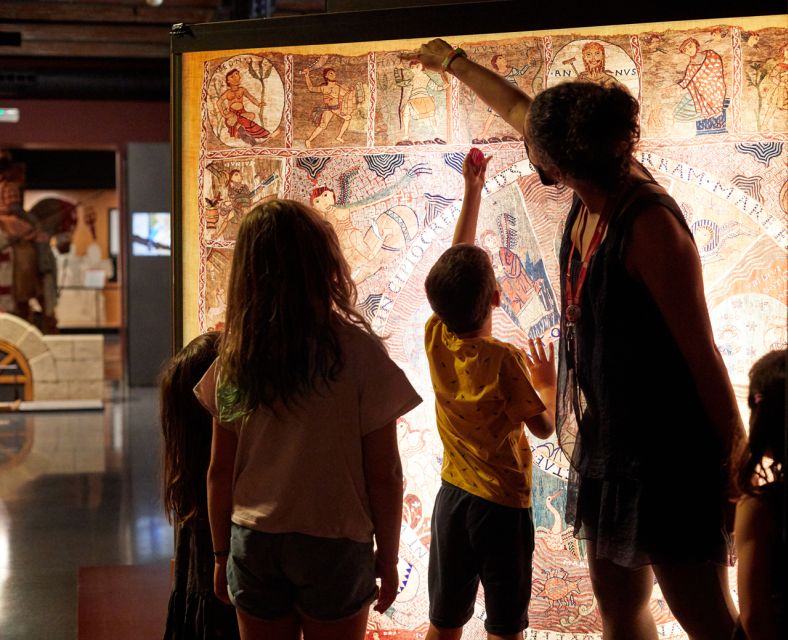
That wide scope is the exhibition’s greatest strength. If Catalan history is new to you, the displays can help explain why the region has such a strong sense of identity. You get a story about the territory, its people, political changes, and cultural development, presented through articles, stories, films, drawings, and interactive settings.
The interactive approach matters. A long row of labels can make even an important subject feel remote. Here, the museum tries to put events into a setting you can see and follow. You might find the films and drawings especially helpful when the written material becomes dense.
Do not rush this section. The museum covers a lot, and the exhibition is designed to take you through different periods rather than offer a quick collection of highlights. If you have only 30 minutes, you will get a taste, but the $9 ticket makes more sense when you give yourself enough time to read, watch, and pause.
The exhibition also gives you a useful base for seeing Barcelona afterward. Streets, buildings, public spaces, and political symbols can make more sense once you have some background on the forces that shaped Catalonia.
From ancient influence to the difficult years after 1714
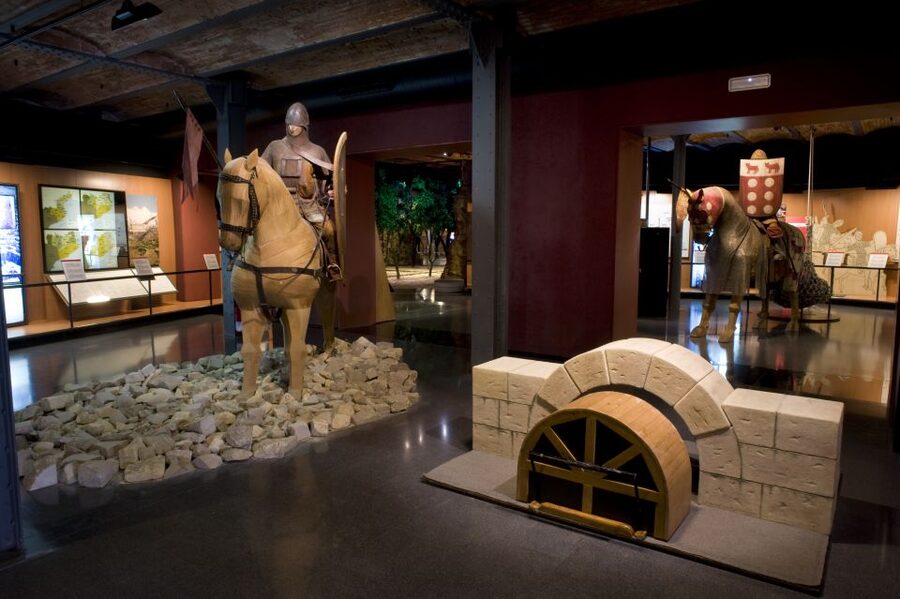
One of the most important themes is continuity. The museum presents Catalonia as a territory with a long cultural and political story, not simply a modern regional identity created in recent decades.
The galleries address the period after 1714, when power from Madrid sought to reduce Catalan political and cultural independence. They also cover the Spanish Civil War from 1936 to 1939, another period that left a lasting mark on Catalonia and Spain.
This section may be the most valuable part of the museum for anyone who knows Barcelona mainly through architecture, food, and football. It adds political context to a place that can otherwise seem easy to understand from the outside. You will not get the full story of every event, but you will see how conflict, government policy, and cultural identity are linked.
The displays are also a reminder that history is rarely comfortable. The museum presents events that still matter to Catalan identity, and the tone may feel more focused on memory and survival than on a neutral list of dates. That is not a flaw, but you should arrive ready to think about how history is selected and presented.
If you prefer a short, light museum visit, this material may feel serious. If you want to understand why Catalonia takes its heritage so seriously, it is exactly the kind of context you need.
We Are: The 1976 to 1979 homosexual movement
Until October 26, 2025, the museum includes We Are: The Homosexual Movement during Spain’s Transition to Democracy, 1976 to 1979. This temporary exhibition adds a social and personal view of Spain’s move toward democracy.
The dates are important. The exhibition focuses on the years immediately after the Franco era, when public life and political rights were changing. By concentrating on the homosexual movement, it brings attention to people and groups often left out of broad political timelines.
This display can make your museum visit feel more connected to everyday life. Political transition is not only about governments and laws. It also involves people organizing, speaking openly, and pushing for recognition. The exhibition gives that part of the story a place inside the wider account of Catalonia and Spain.
Check the exhibition date before booking if this subject is a main reason for your visit. The stated closing date is October 26, 2025, so it is not a permanent part of the museum. The permanent exhibition remains the more reliable reason to visit beyond that date.
More Museum Tours in Barcelona
- Barcelona: FC Barcelona Museum “Barça Immersive Tour” Ticket
★ 4.4 · 10,944 reviews - Barcelona: Park Güell and Gaudí House Museum Entry Ticket
★ 4.5 · 6,326 reviews - Barcelona: Picasso Museum Skip-the-Line Guided Tour
★ 4.5 · 3,355 reviews - Girona & Dali Museum Small Group Tour with Pick-up from Barcelona
★ 5.0 · 2,965 reviews
Films, drawings, and interactive settings
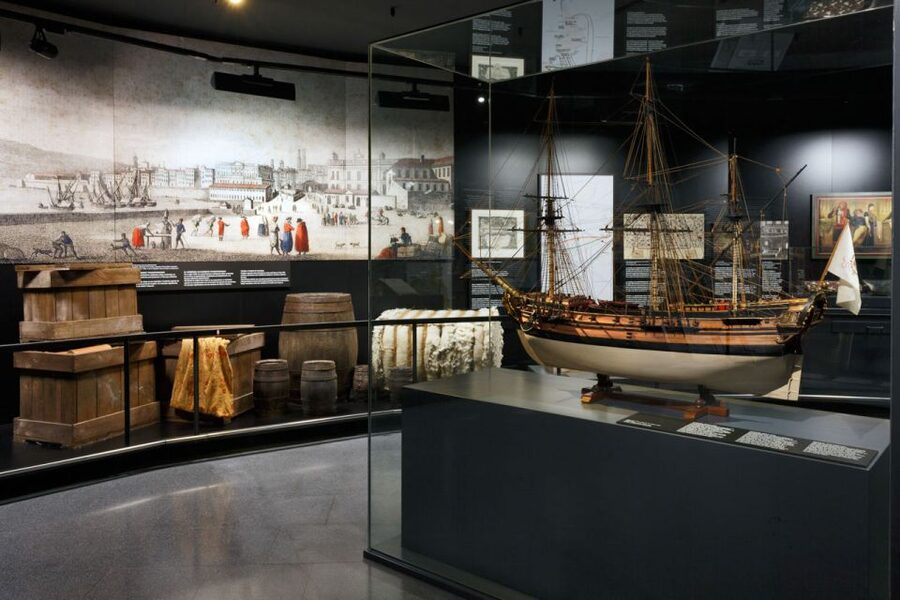
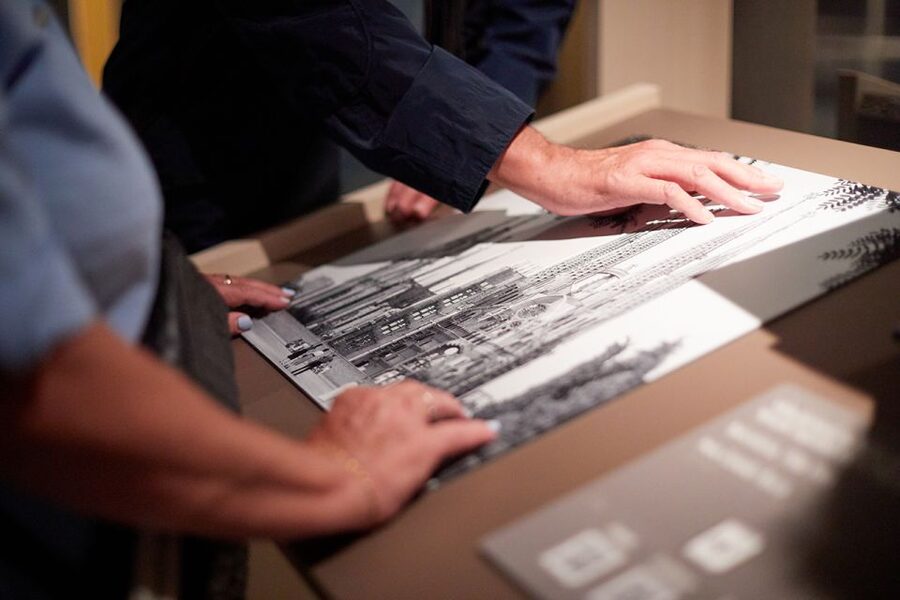
The museum does not rely only on traditional display cases. Films and drawings provide visual ways into the subject, while interactive backgrounds help you picture past events in a physical setting.
This variety is good for mixed groups. You may prefer reading, while someone with you learns better through film or visual material. Children and teenagers may also find the interactive elements easier to follow than pages of text, though the subject matter still calls for adult guidance.
The museum’s materials aim to educate as well as display. That makes it useful for families, school-age children, and anyone who wants a basic introduction before exploring more specialized sites in Barcelona.
There is a trade-off. Interactive displays can sometimes slow down the visit if several people want to use the same feature. Since no guide or audio guide is included, you will need to make your own route through the material. That freedom is convenient, but it also means the quality of your visit depends on how much attention you give the exhibits.
I suggest starting with the permanent exhibition, then moving to the temporary display. That order gives you the broad story first and lets you understand the later social themes in context.
The fourth-floor terrace and Port views
The museum’s fourth-floor restaurant and rooftop bar are more than a footnote. You can look over the Port, Montjuïc Mountain, and Barcelona while having a drink or eating Mediterranean food.
The terrace gives the visit a welcome change of pace. After reading about political periods and social movements, you can step outside and connect the museum to the city around you. The view is especially useful because it shows Barcelona from the harbor rather than from a narrow street or crowded lookout.
Food and drinks are not included in the ticket, so plan to pay separately if you use the restaurant or bar. You do not need to treat the meal as part of the admission value. Think of it as an optional pause that can make the museum easier to enjoy at a relaxed pace.
The terrace is also a good reason to avoid squeezing the museum into a rushed schedule. You can see the exhibits, pause for the view, and decide whether to eat before continuing through the Port area.
How much time should you allow?
The ticket is valid for one day, and you should check the available starting times when booking. The information does not give a fixed number of hours for the visit, so your timing depends on how closely you read the galleries and whether you stop at the restaurant or bar.
For a quick look, you might spend only part of an afternoon. For a more satisfying visit, I would allow several hours so you can work through The Memory of a Country, see the temporary exhibition, and take time on the terrace.
The opening schedule needs careful attention:
- Tuesday to Saturday: 10:00 a.m. to 7:00 p.m.
- Wednesday: 10:00 a.m. to 8:00 p.m.
- Sunday and holidays: 10:00 a.m. to 2:30 p.m.
- Monday: closed
Wednesday offers the longest stated opening period. Sunday and holiday hours are much shorter, so do not assume you can arrive late in the day and still see everything. Monday is not an option.
Because the museum covers a broad subject, I would avoid arriving near closing time. A late start may leave you choosing between reading the permanent exhibition properly and enjoying the terrace.
Is $9 a good value?
At $9, the ticket is fairly priced for a museum with both permanent and temporary exhibitions, a terrace, and skip-the-line entry. You are paying less for a special guided event and more for the freedom to explore a substantial collection at your own speed.
The value is strongest if Catalonia is unfamiliar to you. The museum can give you background that improves the rest of your Barcelona visit, particularly if you want to understand local identity and the political tensions that shaped the region.
It is less valuable if you want a short, highly personal tour led by an expert. A guide and audio guide are not included, so you will not have someone explaining each gallery or answering questions as you go.
The $9 price also makes it a low-risk choice for a mixed group. One person can read closely, another can focus on films and drawings, and everyone can meet on the terrace. You are not committing to an expensive full-day tour.
Who should visit the museum?
I would recommend this museum to you if you enjoy cultural context, political history, and museums that tell a long story. It is particularly useful for first-time visitors who want to understand Catalonia beyond the standard sights.
Families can also make good use of it, provided an adult helps children follow the subject. The museum is wheelchair accessible, which makes it practical for many visitors, though large luggage is not allowed.
You may want to choose another activity if your priority is a guide, a short chronological lecture, or a food-focused outing. The restaurant and bar are available, but food and drinks cost extra, and the museum remains the main event.
The temporary exhibition makes the visit more appealing if you are interested in social history and Spain’s transition to democracy. Just remember that this display is scheduled only until October 26, 2025.
Practical advice for a smoother visit
Check the opening hours before setting out, especially on Sundays, holidays, and Wednesdays. A museum that closes at 2:30 p.m. gives you little room for a late arrival.
Bring identification and leave oversize luggage elsewhere. Children must be accompanied by an adult, and minors cannot enter alone.
Use the skip-the-line access as a time saver, not as a reason to rush. The museum’s value comes from its explanations, films, drawings, and settings, not simply from walking through the doors.
If the terrace matters to you, leave enough time for it. The views of the Port and Montjuïc Mountain are included with admission, while the restaurant and bar are optional purchases.
The overall rating is 4.5 from 110 reviews, and the strongest praise focuses on the museum’s clear presentation of Catalan identity and the importance of its historical themes. That matches the practical reason to visit: this is one of the easier places in Barcelona to get a broad introduction to the forces behind the region’s culture and politics.
Should you book the History Museum of Catalonia?
Book it if you want a reasonably priced, self-guided introduction to Catalonia, especially if you are curious about events after 1714, the Civil War years, and the democratic transition. The interactive permanent exhibition, temporary social-history display, and rooftop views give the $9 admission several useful layers.
Skip it if you want a guided tour, an audio guide, or a quick attraction with little reading. For everyone else, this is a practical museum stop in the Port area, with enough substance to improve your understanding of Barcelona without taking over your entire day.
FAQ
Where is the History Museum of Catalonia?
The museum is at Plaça Pau Vila, 3, 08039 Barcelona, in Catalonia, Spain.
How much does admission cost?
The listed price is $9 per person.
How long is the ticket valid?
The ticket is valid for one day. Available starting times can be checked when booking.
What does the ticket include?
Admission includes the permanent and temporary exhibitions, access to the terrace, skip-the-line entrance, and brochures.
Is a guide or audio guide included?
No. A guide and audio guide are not included.
What are the museum’s opening hours?
The museum is open Tuesday to Saturday from 10:00 a.m. to 7:00 p.m., with Wednesday hours extending to 8:00 p.m. On Sundays and holidays, it is open from 10:00 a.m. to 2:30 p.m. It is closed on Mondays.
Is the museum wheelchair accessible?
Yes, the museum is wheelchair accessible.
Can I cancel my booking?
Yes. You can cancel up to 24 hours in advance for a full refund. You can also reserve now and pay later.
Recently listed in Barcelona
- Transfers From Cruise Port to Barcelona Airport★ 4.5 · 155 reviews
- Bohemian Barcelona Neighborhood Evening Tapas & Wine Tour★ 5.0 · 419 reviews
- Park Guell Guided Tour with Skip the Line Tickets★ 4.0 · 739 reviews
- Barcelona Sunset Cruise with Light Snacks and Open Bar★ 5.0 · 476 reviews
- Montserrat very early : Hiking, Abbey, very small group★ 5.0 · 127 reviews
- Authentic Flamenco Show Barcelona : Intimate Casa Sors Experience★ 5.0 · 809 reviews
- Barcelona Expert Tour with Local Guide in Eco Tuk Tuk Private★ 5.0 · 216 reviews
- Barcelona: Sagrada Familia, Park Guell & Tapas Private Tour★ 5.0 · 903 reviews
Museums, compared.

FC Barcelona Museum “Barça Immersive Tour” Ticket
Read our review →
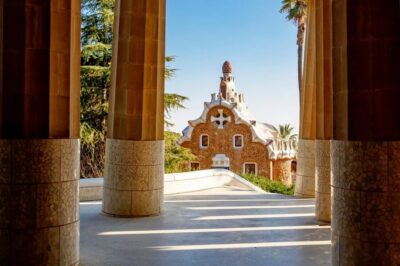
Park Güell and Gaudí House Museum Entry Ticket
Read our review →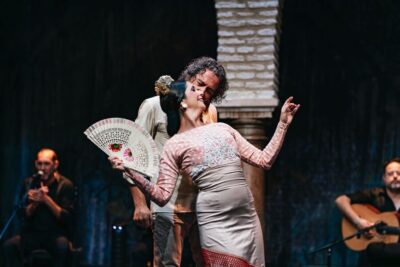
Puro Flamenco Show with Optional Museum Ticket
Read our review →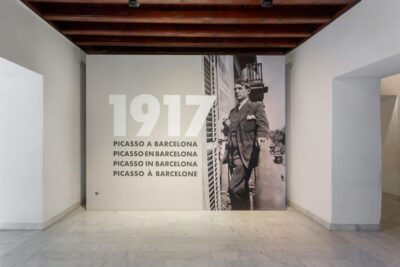
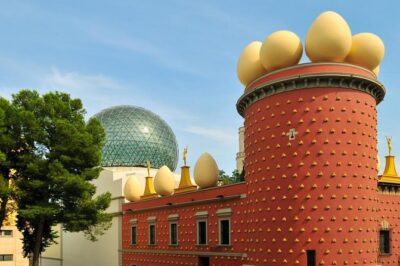
Girona & Dali Museum Small Group Tour with Pick-up from Barcelona
Read our review →
Oceanogràfic, Hemisfèric & Science Museum Combo
Read our review →Browse the lists this tour appears in