
Reviewed · WINE TOURS
Gran Canaria: Winery Tour, Wine Museum, and Tasting
A century-old cellar tells a better story than a tasting room. This small Gran Canaria tour brings you into a five-generation family winery, where old stone grape presses, wooden casks, and modern production share the same estate. I especially like the family-run setting and the chance to see the island’s only wine museum, rather than simply sampling bottles at a bar. The garden tasting, with cheese, toast, and olives, is another strong point.
The main drawback is practical: you must reach Bodega San Juan, Finca El Mocanal, on your own, since hotel pickup is not included. Public transport is possible but can be a little complicated, and one guest found the meeting instructions unclear. Still, at $34 for 1.5 hours, this is a well-priced taste of Gran Canaria’s wine culture.
In This Review
- Key points at a glance
- Why this small winery tour is worth your time
- Arriving at Bodega San Juan, Finca El Mocanal
- Walking through the organic vineyards
- The 100-year-old stone lagar
- Gran Canaria’s only wine museum
- Entering the cellar among wooden casks
- Two wines with cheese, toast, and olives
- The guide can shape the whole visit
- Is $34 good value for 90 minutes?
- Who will enjoy this winery visit?
- Practical tips before you book
- Should you book Bodega San Juan?
- FAQ
- How long does the Gran Canaria winery tour last?
- What is included in the tour?
- How many wines will I taste?
- Is hotel pickup included?
- What language is the tour offered in?
- Can I cancel the booking for a refund?
Key points at a glance
- A five-generation winery: Learn how one family has kept its estate and winemaking traditions going since the early 1900s.
- Gran Canaria’s only wine museum: See old machinery and tools that explain how production changed over time.
- A real cellar experience: Walk among wooden casks and take in the smell of wine fermenting.
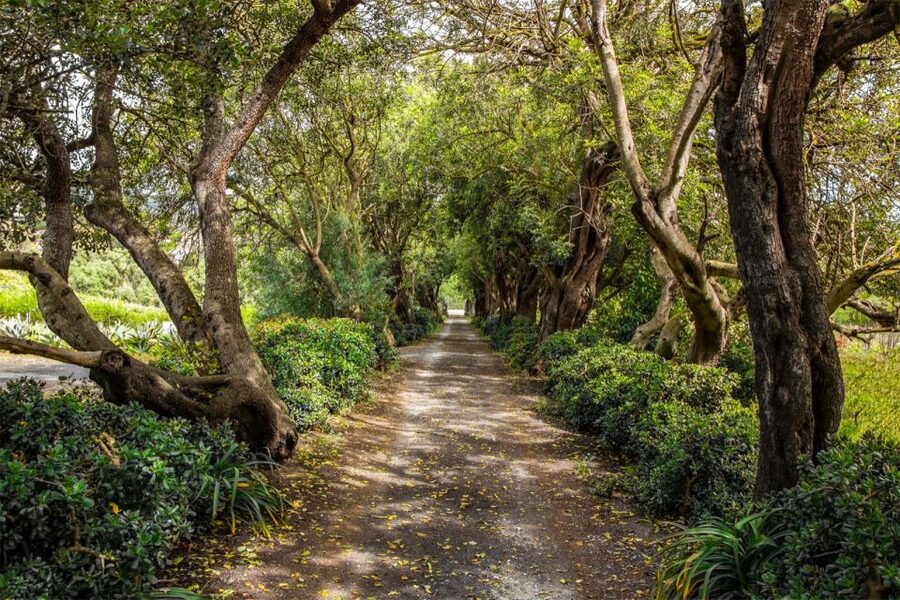
- Organic vineyards and volcanic soil: Hear how sun, island conditions, grape varieties, and dark volcanic ground shape the wine.
- A relaxed tasting: Try two wines with local cheese, toasted bread, and olives, often served in the estate garden.
- An excellent guide record: Maria receives repeated praise for her warmth, humor, clear explanations, and ability to handle more than one language.
Why this small winery tour is worth your time
Gran Canaria is better known for beaches, resort towns, and mountain roads than for wine. That is exactly why this visit works. It gives you a look at an older, quieter side of the island, one connected to farming, family work, and local food.
The winery dates back more than a century and has remained in the same family for five generations. You are not just shown a polished tasting room. You move through an estate where the old and new parts of the business sit together: historic buildings, vineyards, a traditional stone lagar, an old cellar, and a modern production area.
I like that the tour is short but not empty. In 90 minutes, you get a farm visit, a museum stop, a cellar walk, and a tasting. You will not become a wine expert in that time, but you will leave with a much clearer idea of how Gran Canaria makes wine and why island conditions matter.
The setting also gives the visit a sense of occasion without making it formal. The vineyards and gardens provide good photo opportunities, and the tasting can feel calm and unhurried. One especially memorable detail from the experience is the sight of butterflies around the garden while the wine and cheese are served.
More Food Tours in Gran Canaria
- Gran Canaria: Camel Ride Safari w/ Optional Food & Transport
★ 4.2 · 1,167 reviews - The Volcano Heart Tour: Hiking, Tasting and Sunset Experience
★ 5.0 · 1,120 reviews - Gran Canaria: Fun Catamaran Cruise with Food and Drinks
★ 4.6 · 1,019 reviews
Arriving at Bodega San Juan, Finca El Mocanal
The meeting point is Bodega San Juan at Finca El Mocanal. There is no hotel pickup or drop-off, so you need to plan the journey before booking.
This matters more than it might seem. One person arrived by bus and found the trip manageable, though a little complicated. Another guest felt the starting point had not been explained clearly enough. I recommend saving the full winery name and address before setting out and allowing extra time, especially if you are relying on public transport.
A delayed arrival caused by an accident on the GC-1 was handled kindly, with the booking moved to a later tour. That suggests some flexibility, but you should not depend on it. The safest plan is to arrive early and confirm your route in advance.
The tour runs rain or shine. That is worth remembering because part of the visit takes place outdoors in the vineyard and estate grounds. Wear shoes suitable for walking on uneven farm surfaces, and bring protection from the sun if the weather is bright.
Walking through the organic vineyards
The outdoor part of the visit introduces you to the working side of the winery. You stroll through organic vines and hear about the care needed to keep the crop in good condition as the grapes ripen in the island sun.
This is where the tour gains its local character. The guide discusses endemic grape varieties and the effect of Gran Canaria’s volcanic soil. Wine is not only about the bottle or the tasting note. It begins with the ground, the weather, the vines, and the decisions made throughout the growing season.
You also learn about the work involved in keeping the grapes healthy and ready for harvest. The information is practical rather than overly technical, which makes it suitable for people who enjoy wine but do not know much about viticulture.
The vineyards are also the most open part of the visit. Bring a phone or camera if you like taking pictures. The rolling rows of vines and old estate buildings give you something more distinctive than another resort photograph.
The outdoor walk may be less appealing if you have limited time, dislike sun, or prefer a tasting-only visit. It is not a quick stop beside the entrance. You are expected to spend part of the tour on the farm, so dress for the conditions.
The 100-year-old stone lagar
One of the strongest historical details is the old stone lagar. This is where grapes were once trodden underfoot, a simple but striking reminder of how much manual work went into winemaking.
Seeing the lagar helps connect the family story to a physical object. Instead of hearing only that the winery is old, you can look at a tool that belonged to an earlier production system. The guide also uses old photographs to explain the family and the estate, giving the history a personal face.
The family connection is a major reason to choose this tour over a larger commercial winery. You get a sense of continuity, with traditions adapted rather than simply displayed behind glass.
The historical material will appeal most to you if you like seeing how ordinary work was done in the past. If you want a modern, highly polished wine education with detailed technical tasting notes, this visit may feel more informal than expected.
More Wine Tastings in Gran Canaria:
- Montserrat & Cogwheel Train, Gourmet Wine Tasting & Tapas/Lunch
★ 5.0 · 6,290 reviews - Montserrat with Black Madonna & Medieval Winery with Tapas/Lunch
★ 5.0 · 5,209 reviews - Barcelona: Montserrat and Winery Tour with Tapas or Lunch
★ 4.8 · 4,695 reviews - From Málaga: Ronda+Setenil de las Bodegas with Little Train
★ 4.6 · 4,115 reviews
Gran Canaria’s only wine museum
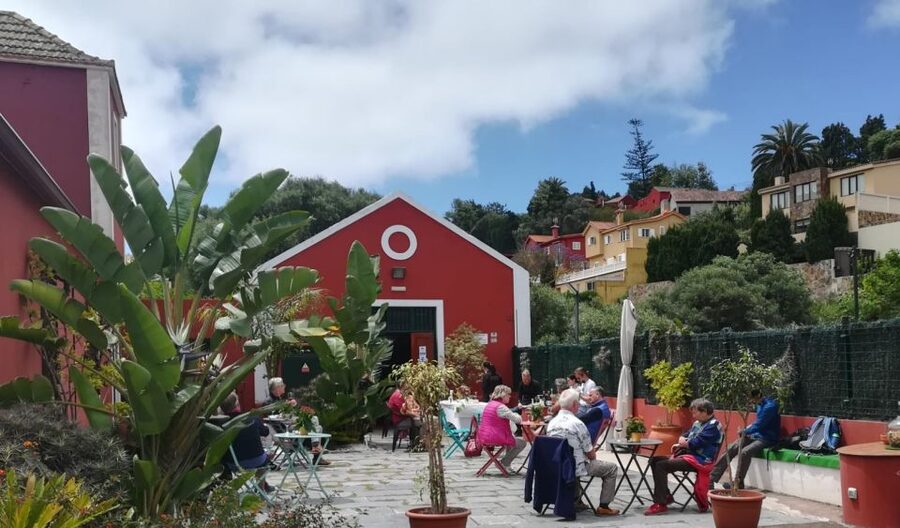
The small wine museum shows how winemaking has changed. Old machinery and tools help explain the steps from grape to bottle, and the guide fills in the gaps with stories about the estate and its methods.
Calling it a museum does not mean you should expect a large institution with many rooms. It is part of the winery experience, and its value comes from the objects being linked to the place you are visiting. You see equipment from earlier periods, then compare it with the current production setup.
That old-to-new comparison is one of the best parts of the itinerary. You can understand the scale of change without losing sight of the winery’s family identity. Traditional methods are not presented as a museum piece only. They form part of the estate’s continuing story.
The museum section also gives you a break from the outdoor walking. It is useful on a warm afternoon and helps keep the tour varied. Maria, who has guided many of the visits, is often praised for explaining the history in a clear, humorous way. Her ability to switch between languages has also helped mixed-language groups follow along.
Entering the cellar among wooden casks
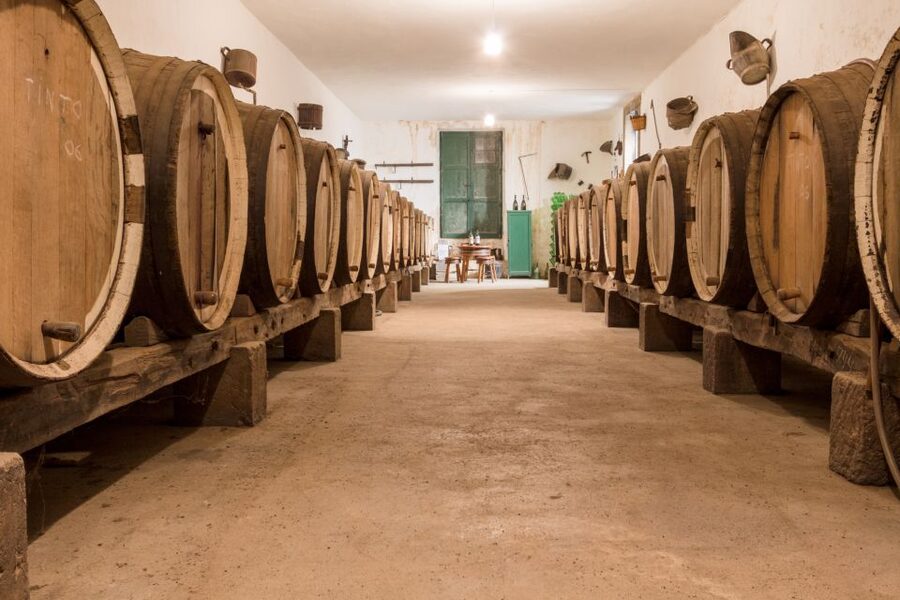
The cellar brings a different mood. As you enter, you can smell the wine fermenting in wooden casks. That scent makes the process feel immediate and physical, especially after seeing the vineyards where the grapes began.
The guide explains the route from grape to bottle and how organic wine is produced. You learn how the estate protects the crop, handles the grapes, and manages production. The cellar is not just a photogenic stop. It is where the earlier parts of the tour begin to make sense.
I like the contrast between the traditional cellar and the modern facility. Old wooden casks and historic equipment show the earlier approach, while the newer area reveals how the winery now works. The visit does not pretend that everything has stayed unchanged. Instead, it shows how a family business can keep its identity while using updated methods.
The cellar may be a quick walk-through rather than a long technical class. The total tour lasts only 90 minutes, so the guide must keep the pace moving. If your main interest is fermentation, barrel aging, or detailed production figures, you may want a more specialized wine course.
Two wines with cheese, toast, and olives
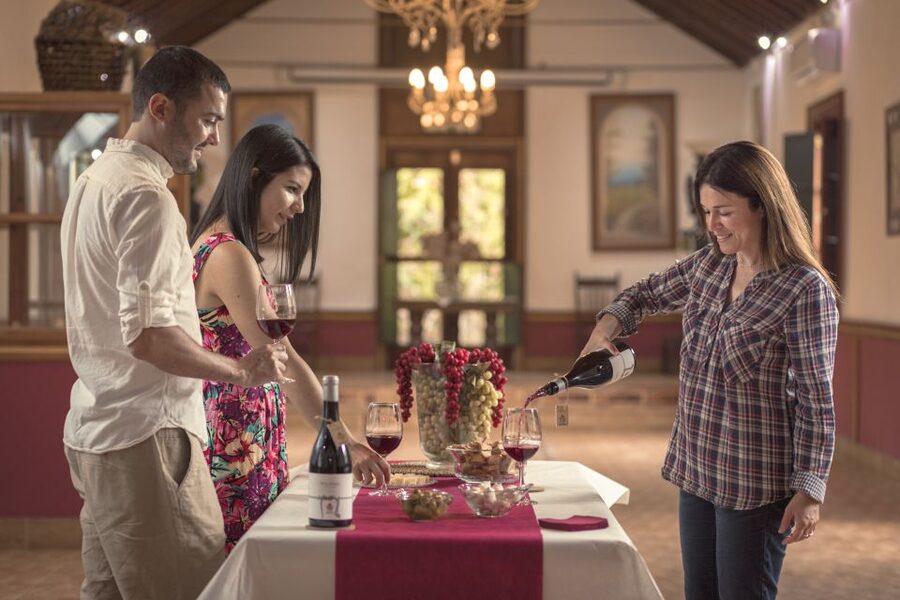
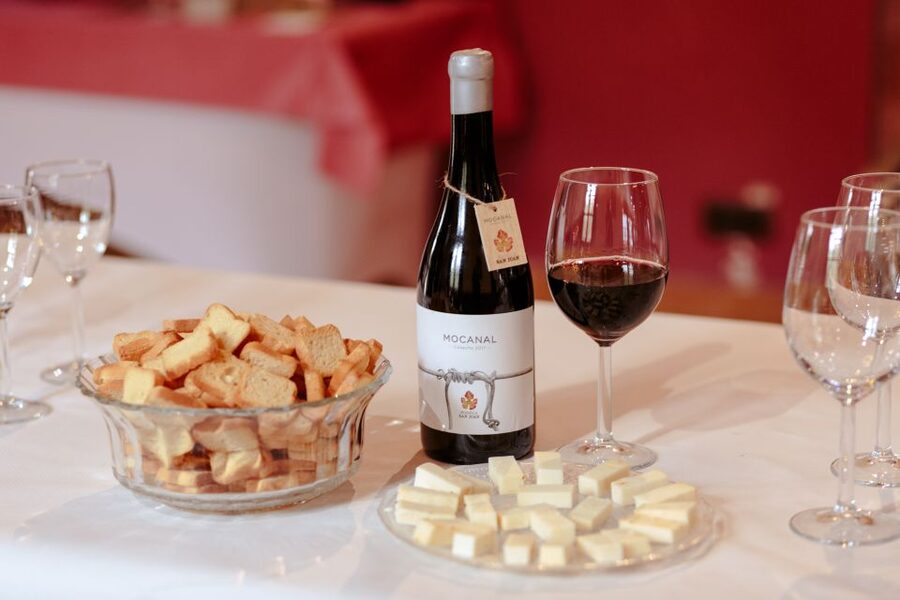
The tasting is the reward at the end. You try two wines with Gran Canaria cheese, toasted bread, and olives. This is a modest spread, but it suits the length and price of the experience.
The food is important because it gives you a simple way to compare the wines. Cheese and bread provide a better tasting partner than wine alone, while the olives add a local snack to the table. The tasting is less about formal scoring and more about enjoying the products together.
The setting can make the final few minutes especially pleasant. The tasting area may be in a beautiful garden on the estate, where the surroundings are quiet and butterflies have been seen around the table. That atmosphere helps the experience feel like a visit to a working family home rather than a sales presentation.
Wine quality is personal, but the tasting receives very strong praise. Several people enjoyed the bottles enough to buy wine to take home. Availability can vary, however. One person was disappointed that the winery’s own red wine was not available to purchase at the time of the visit.
That detail is useful. If you find a bottle you love, ask about buying it before you leave. The wine is not exported, according to one account, so this may be your best chance to take a taste of the estate home. Do not assume every variety will be in stock.
The guide can shape the whole visit
Maria is the guide most often praised by name. Her style comes through as friendly, funny, clear, and well informed. She has been described as especially good at explaining the family story, production methods, and local wine culture without making the tour feel stiff.
She has also handled groups with different language needs, switching languages so everyone could follow. On a small private-feeling visit, she took photographs for a couple as they walked around the estate. That kind of personal help can make a difference, especially if you are visiting for a birthday or another special occasion.
The feedback is not perfectly uniform. One guest found the guide abrupt at first and felt the meeting instructions were not clear. The same person said the experience improved once the tour began. That is a fair reminder that first impressions and arrival arrangements may not be the strongest part of the visit.
The overall pattern is still very positive. If you value a human guide who tells stories and answers questions, this is a good match. If you prefer to wander quietly with an audio guide, the hosted format may feel more structured than you want.
Is $34 good value for 90 minutes?
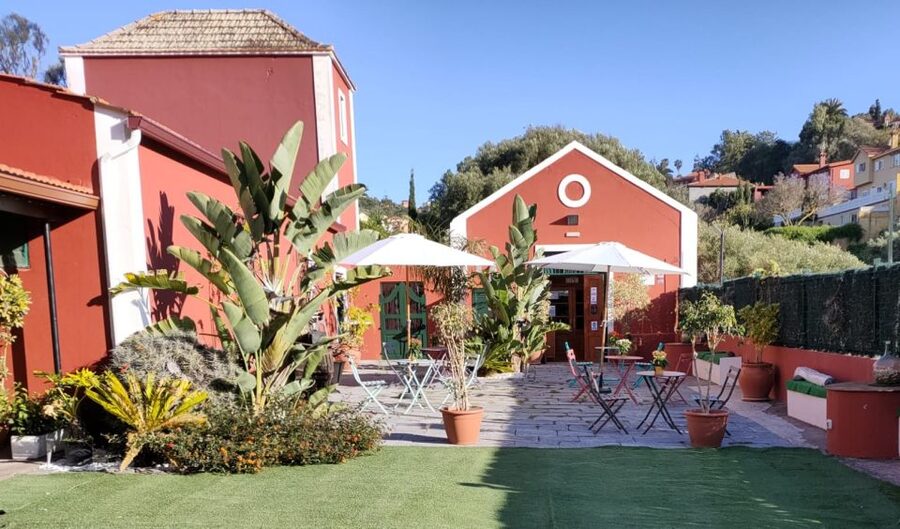
At $34 per person, I consider this good value. You are paying for more than two small pours. The price includes the farm walk, the museum, the historic cellar, an explanation of modern production, and cheese, toast, and olives with the tasting.
The family setting adds value too. You get access to a place with more than 100 years of working history, rather than a generic wine-themed attraction. The visit also gives you an activity away from Gran Canaria’s resort strip, without taking up half a day.
The value is strongest if you are already visiting the island and can reach the winery easily. Since transport is not included, the real cost depends on how you get to Finca El Mocanal. If you need an expensive private transfer, the tour becomes less of a bargain.
The booking terms are helpful for uncertain plans. You can reserve and pay later, and cancellation is free up to 24 hours in advance for a full refund. The rain-or-shine policy still applies, so check the forecast and choose clothing that works for an outdoor estate visit.
Who will enjoy this winery visit?
This tour suits wine lovers, couples, families with older children, and anyone who wants a quiet cultural stop between beach days. It is also a good choice for visitors who prefer small, personal businesses to large commercial attractions.
You do not need specialist wine knowledge. The guide explains the basics from vineyard to bottle, and the tasting is friendly rather than intimidating. People who are curious about local food, family businesses, farming, or island traditions will find plenty to enjoy even if wine is not their main interest.
It may not suit you if you want a full-day vineyard outing, a large tasting flight, a formal food pairing, or hotel transport. Two wines are included, not a broad range, and the tour is compact. The museum is small, and the visit depends on a live guide rather than a long list of exhibits.
For a birthday or a relaxed afternoon, the garden and tasting provide a pleasant finish. For serious wine collectors, stock can be limited, particularly for the red wine, so treat bottle purchases as a possibility rather than a guarantee.
Practical tips before you book
- Confirm the meeting point as Bodega San Juan, Finca El Mocanal, and plan your route before leaving.
- Allow extra time if you are taking a bus. The route is possible but may require care.
- Wear comfortable shoes for the vineyard and estate grounds.
- Bring sun protection, since the tour takes place rain or shine and includes outdoor sections.
- Ask about available bottles during the tasting if you want to buy wine.
- Keep your schedule flexible if possible. A delayed arrival was accommodated once, but arriving on time is still the sensible plan.
- Choose this for local character and food, not for a large-scale museum or an advanced wine seminar.
Should you book Bodega San Juan?
I would book this tour if you want a short, good-value activity that connects Gran Canaria’s wine with its soil, family history, and working farm life. The old lagar, small museum, wooden casks, organic vines, and garden tasting create a varied visit in a limited amount of time.
The strongest reasons to go are the personal guide style, the historic family setting, and the relaxed pairing of two wines with local cheese and bread. Just sort out transport carefully, and do not expect every bottle to be available for purchase.
For a 90-minute break from the beach, this is an easy recommendation. It offers enough history to be interesting, enough tasting to feel generous, and enough local character to make the afternoon worthwhile.
FAQ
How long does the Gran Canaria winery tour last?
The tour lasts 1.5 hours, or 90 minutes.
What is included in the tour?
The experience includes a farm tour, wine tasting, cheese, toasted bread, and olives.
How many wines will I taste?
You will taste two wines at the end of the guided visit.
Is hotel pickup included?
No. You must make your own way to Bodega San Juan at Finca El Mocanal.
What language is the tour offered in?
The host or greeter is listed as English-speaking, and the activity language is English. Maria has also accommodated groups by switching between languages.
Can I cancel the booking for a refund?
Yes. You can cancel up to 24 hours in advance for a full refund. You can also reserve now and pay later.
More Museum Tours in Gran Canaria
- Madrid: Prado Museum Entry Ticket
★ 4.6 · 17,509 reviews - Barcelona: FC Barcelona Museum “Barça Immersive Tour” Ticket
★ 4.4 · 10,944 reviews - Madrid: Reina Sofía Museum Entrance Ticket
★ 4.5 · 6,889 reviews - Barcelona: Park Güell and Gaudí House Museum Entry Ticket
★ 4.5 · 6,326 reviews
Recently listed in Gran Canaria
- Playa del Inglés Maspalomas: High Quality Surf Classes★ 4.9 · 304 reviews
- Puerto Rico de Gran Canaria: Jetski Tour★ 4.6 · 949 reviews
- Puerto Rico de Gran Canaria : Parasailing★ 4.6 · 588 reviews
- Puerto Rico, Gran Canaria: Boat Tour with Tapas and Drinks★ 4.6 · 275 reviews
- Puerto Rico : 2 hour Dolphin Catamaran Excursion★ 4.2 · 129 reviews
- Mogan: Dolphin Watching Boat Trip with Swim Stop★ 4.6 · 112 reviews
- Gran Canaria: Puerto de Mogán Local Market Day Trip★ 4.2 · 137 reviews
- Playa del Inglés surf lessons★ 4.8 · 121 reviews
Wine Tours, compared.

Montserrat & Cogwheel Train, Gourmet Wine Tasting & Tapas/Lunch
Read our review →
Montserrat with Black Madonna & Medieval Winery with Tapas/Lunch
Read our review →
Montserrat and Winery Tour with Tapas or Lunch
Read our review →
Ronda+Setenil de las Bodegas with Little Train
Read our review →

Toledo Tour & Vineyard Walk with Wine Tasting from Madrid
Read our review →
Málaga & Costa del Sol: Ronda and Setenil de las Bodegas
Read our review →
Browse the lists this tour appears in