
Reviewed · FARMS
Guided Tour to the only coffee farm in Europe
Coffee grows in some surprising places. Near La Herradura, this small family plantation combines coffee with mangoes, avocados, lychees, bananas, pitayas, and other tropical crops, creating an unusual hour-long walk in southern Spain. I like the chance to see coffee growing in Europe, and I like the easygoing, personal guiding style of Manolo Mateos, who speaks several languages. The main caution is simple: coffee is only part of the visit, and the farm’s coffee crop is small.
This is a private open-air tour through a steeply sloping finca, not a polished coffee museum or a large commercial estate. You will learn how the farm works with water, soil, plants, and insects, then finish near the coffee plantation itself. At $18.15 per person, I consider it good value for an unusual rural experience, especially for families and anyone already visiting La Herradura or Almuñécar.
In This Review
- Key points to know before you book
- Reaching the La Herradura finca
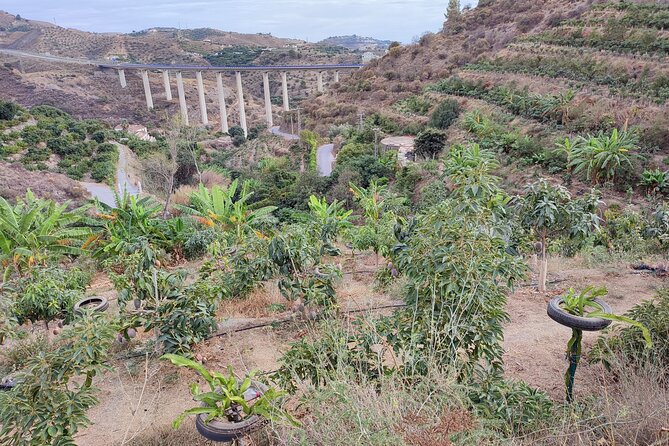
- A walk through 30 kinds of tropical fruit
- Seeing how the farm closes its water and soil cycles
- The coffee plantation at the end
- Manolo’s multilingual guiding style
- Is $18.15 good value?
- Who will enjoy this tour most
- Timing, weather, and cancellation details
- My verdict: book it for the farm, not just the coffee
- FAQ
- Where is the coffee farm tour located?
- How long does the tour last?
- Is the tour offered in English?
- Is coffee the only crop grown on the farm?
- Is food or wine included in the tour price?
- Is the walk suitable for everyone?
Key points to know before you book
- Europe’s northernmost coffee plantation: The tour finishes at a coffee-growing area described as the only one in Europe and the most northern coffee plantation in the world.
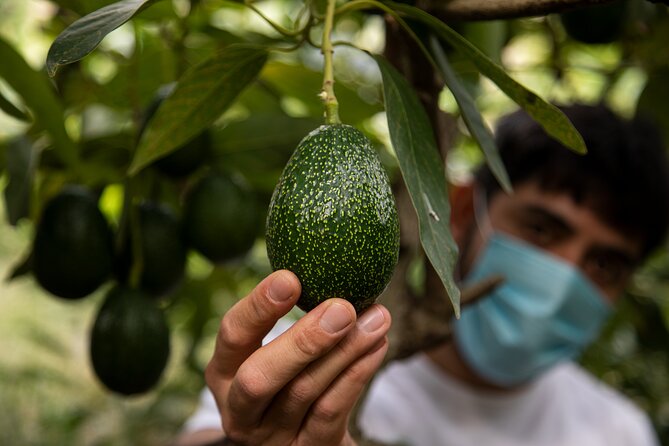
- Up to 30 tropical fruit types: Expect more than coffee, including mangoes, avocados, custard apples, lychees, red bananas, macadamias, and dragon fruit.
- Manolo leads a personal tour: He has been praised for his humor, warmth, and ability to guide in English, Spanish, French, German, and other languages.
- A real uphill walk: The steep slope makes closed shoes, water, and cooler visiting hours especially important.
- Small groups: The maximum group size is 15 people, which helps keep the visit conversational.
- Fruit purchases receive a discount: The tour includes 15 percent off fruit bought from the farm. Local wine and tapas are not included.
Reaching the La Herradura finca
The meeting point is in La Herradura, near Málaga province’s Costa Tropical and close to Almuñécar. The end point is listed at Diseminado Rio Jate Pol 21, 162, 18690, Granada, so check the exact directions and plan your return before setting out.
This is not the sort of outing I would book casually and then hope public transport sorts everything out. One family specifically advised taxi users to contact Manolo ahead of time so he can meet them and help with the uphill approach. There is no Uber service for the return, so arrange a lift to La Herradura or book a local taxi in advance.
That transport issue is the biggest practical wrinkle. If you have a rental car, the farm fits neatly into a day along the Costa Tropical. You could pair it with time in La Herradura or Almuñécar, both mentioned as useful nearby stops. If you are coming from Granada toward Málaga, the plantation can also work as an unusual break along the way, provided you allow time for the detour and return journey.
Confirmation arrives at booking, and the ticket is mobile, so you do not need to print anything. The experience is offered in English, but the guide’s language skills may help mixed-language families and couples. The published information notes that Manolo speaks at least five languages, while individual visits have also been led with support in French, German, and Spanish.
A few more Malaga ideas to compare
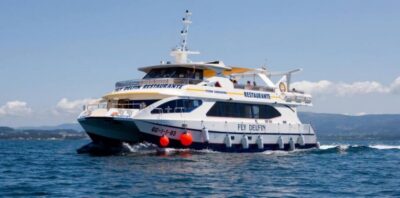
- Ría de Arousa: Boat Ride to Mussel Farm with Tasting
★ 4.7 · 845 reviews - Valencia: Orange Farm and Orchard Trip with Tastings
★ 4.9 · 702 reviews - La Herradura Coffee Farm: tour in Europe’s only plantation
★ 4.8 · 430 reviews
A walk through 30 kinds of tropical fruit
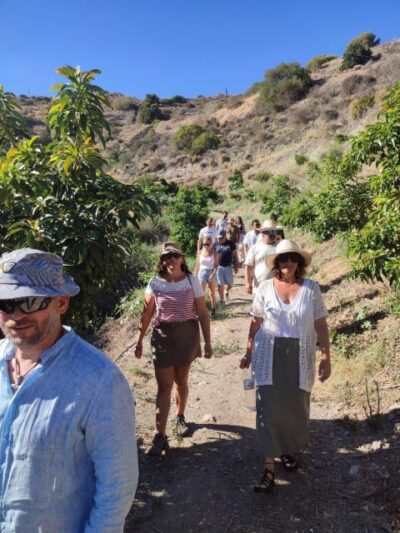
The first part of the outing is a walk among the fruit trees. This is where the tour earns its character. You are not simply shown a row of coffee plants and sent on your way. The finca contains up to 30 types of tropical fruit, and the guide explains how the crops grow and how the farm manages them in an ecological way.
You might see:
- Avocados
- Mangoes
- Custard apples
- Lychees
- Red bananas
- Macadamias
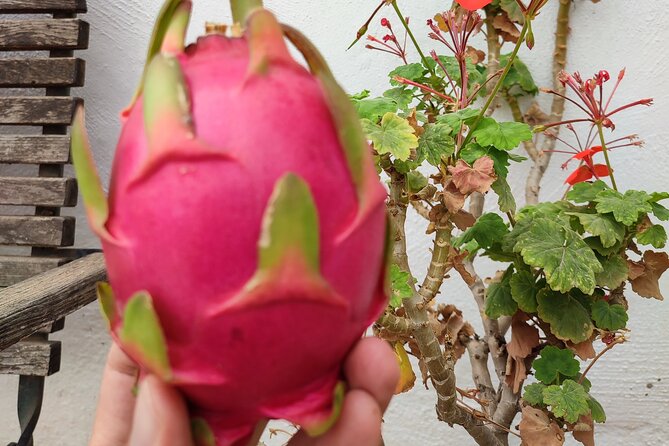
- Pitayas, also called dragon fruit
- Coffee plants
- Other exotic fruit trees
The exact fruit on display will depend on the season, so you should not expect every type to be fruiting during your visit. That seasonal element is part of the appeal, but it also explains why the experience is more about farming and plant life than a guaranteed tasting menu.
The farm’s setting gives the guide room to explain the practical side of growing tropical crops in southern Spain. The talk covers sustainable agriculture, biological balance, and the farm’s effort to close the cycle of water and organic matter. Those ideas become easier to understand when you are looking at the plants themselves rather than hearing a general lecture indoors.
For families, this section can be the most rewarding part. Children have been included in the explanations, and several families found that tasting fruit directly from the plant changed their attitude toward mangoes, lychees, and avocados. That is a useful lesson in food. A fruit picked at the right moment can make a stronger impression than one cut into a supermarket tray.
The walk is not completely flat. The steep incline is worth taking seriously, especially in summer. I would schedule the tour in the morning or later in the day, wear closed walking shoes, and bring enough water. The published guidance calls for moderate physical fitness, so this is not the best choice if a steep farm path would be difficult for you.
Seeing how the farm closes its water and soil cycles
The farm’s environmental message is practical rather than abstract. Manolo explains how the operation tries to maintain biological balance and reuse water and organic matter. That gives the visit more substance than a simple plant identification walk.
You will not be touring a large industrial coffee facility. Instead, you are seeing a small agricultural project and hearing about the work involved in keeping tropical plants healthy in this climate. The appeal lies in the scale. You can ask questions, look closely at the trees, and connect the farming methods to the plants around you.
I especially like this focus for people who want a rural experience with some real context. You learn why a farm may grow several crops together, how water matters, and why ecological farming requires constant attention. The story also includes the family’s connection to the land, which one account describes as extending back 300 years. That personal connection helps explain why the guide speaks about the finca with such pride.
Still, keep your expectations realistic. Sustainable farming is discussed, but this is not a formal agricultural course. The depth of the explanation will depend on your questions, the group, and the time available. The listed duration is about 1 hour 10 minutes to 1 hour 30 minutes, although one account described a visit lasting two hours. I would plan for the published duration and allow extra time if the conversation runs long.
The coffee plantation at the end
Coffee is the headline attraction, and the final section brings you to the plantation. The farm presents this as Europe’s only coffee plantation and the most northern coffee plantation in the world. That is an excellent conversation starter, especially for coffee drinkers who have never considered Spain a coffee-growing country.
The important distinction is scale. You are visiting a small coffee-growing project within a tropical fruit farm, not a broad plantation stretching across hillsides. One disappointed visitor expected the whole outing to center on coffee and found mostly fruit trees. That criticism is fair if you arrive expecting a full coffee production tour.
I would think of the coffee as the unusual final chapter, not the whole book. You see where coffee can grow in this part of Spain, hear about the challenges of the crop, and gain a better sense of how climate shapes farming. The fruit trees make the farm possible as a wider agricultural project, while the coffee gives the visit its rare talking point.
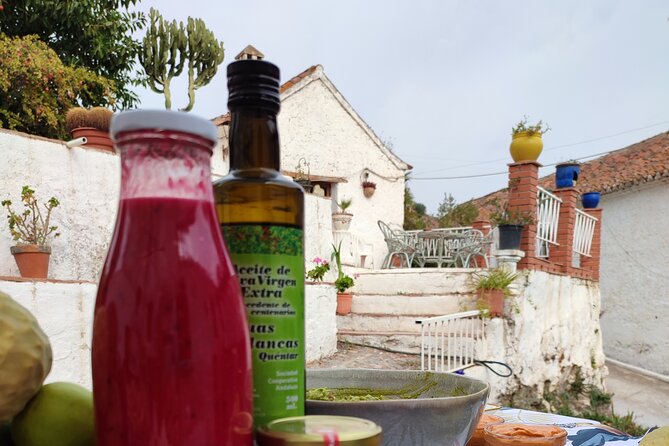
Coffee and other farm products may be available to buy at the end. Several accounts describe purchasing coffee, fruit, preserves, olive oil, and other regional products. The official inclusion is a 15 percent discount on fruit purchases, so bring that detail into your budget. Local wine and tapas are not included.
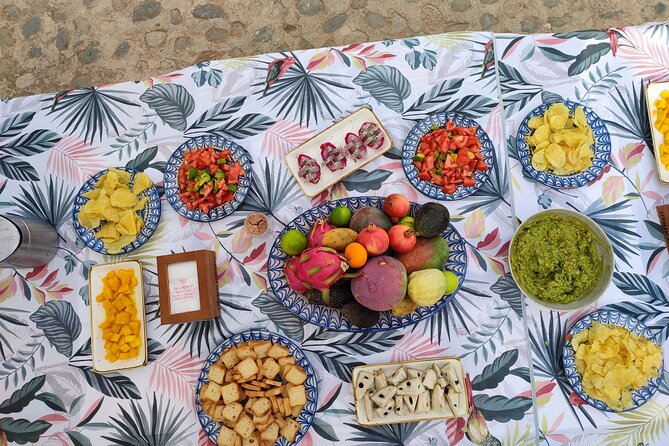
Some visits have included a separate fruit tasting, with one family reporting a €5 tasting featuring fresh mango and dragon fruit juice. Since the supplied tour details do not list tasting as a standard inclusion, ask about the current option when booking rather than assuming it is part of the $18.15 price.
Same base, a different kind of afternoon:
- Málaga: Caminito del Rey Guided Tour with Transportation
★ 4.8 · 12,183 reviews - Caminito del Rey: Guided Tour and Entry Ticket
★ 4.6 · 11,286 reviews - Málaga: Museo Picasso Málaga Entry Ticket
★ 4.4 · 11,138 reviews - El Chorro: Caminito del Rey Guided Tour with Shuttle Bus
★ 4.7 · 7,091 reviews
Manolo’s multilingual guiding style
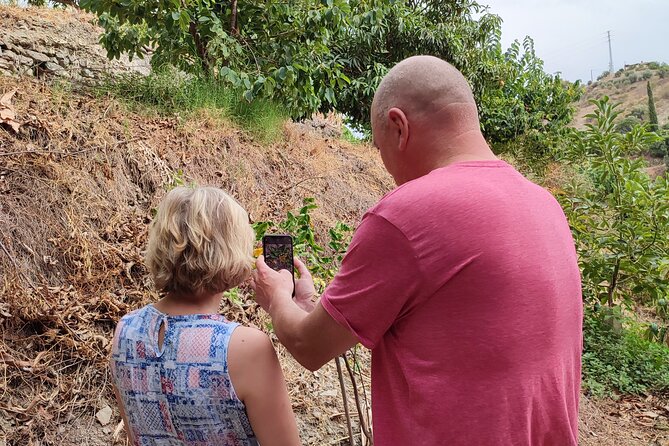
The guide makes a major difference here. Manolo Mateos is described as the owner and a passionate young farmer, and his approach mixes explanations with jokes and personal stories. That matters on a short tour because a list of plant names would become dull quickly.
He speaks English and several other languages, including French, German, and Spanish. Families have appreciated his efforts to include children, and mixed-language groups have benefited from explanations in more than one language. If language is important to your party, mention your needs before arrival and confirm what can be provided for your date.
The tone appears relaxed and personal. You hear about the land, the crops, the farm’s development, and the difficulties of managing a tropical fruit operation responsibly. This is a good match for people who prefer meeting a producer to following a script.
The tradeoff is that the experience may feel less formal than a large attraction. That is not a flaw, but it helps to know what you are buying. You are paying for access to a working farm and the owner’s time, not a highly staged show with elaborate displays.
Is $18.15 good value?
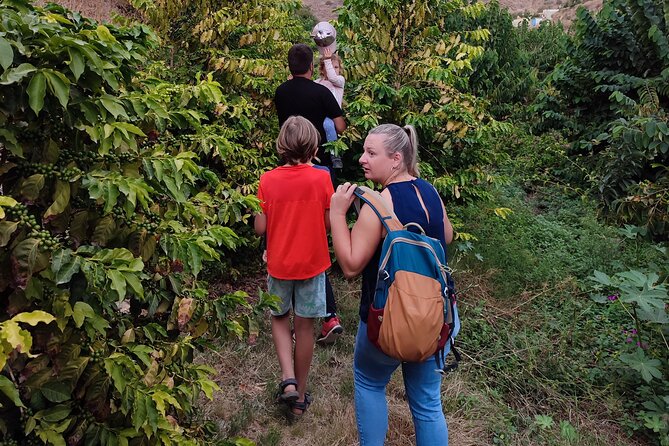
At $18.15 per person, the tour is priced modestly for a private farm visit. The group limit of 15 keeps it from feeling like a mass outing, and the cost includes the guided walk and the chance to see a rare European coffee crop alongside a long list of tropical fruit trees.
The value is strongest if you enjoy plants, farming, food, and local stories. Families also get more from the price because children can see fruit growing on trees and ask questions directly. The 15 percent fruit discount adds a little practical value if you plan to take produce home.
The price is less attractive if you want a dedicated coffee tasting or a long explanation of roasting and brewing. Those elements are not listed as part of the standard visit. Wine, tapas, and any optional tasting cost extra, and your transport may also add to the total.
For me, the low price makes the tour worth considering as an add-on to a Costa Tropical day. It is not a destination attraction that needs to replace everything else in your schedule. It works best as a compact, personal stop between beach time, town visits, or a drive between Granada and Málaga.
Who will enjoy this tour most
I would recommend it to:
- Families with children who enjoy hands-on food experiences
- Coffee drinkers curious about unusual growing regions
- Gardeners and plant lovers
- People interested in ecological agriculture
- Visitors staying around La Herradura or Almuñécar
- Anyone who enjoys meeting a local producer
- Small groups looking for a short outdoor activity
The tour may not suit you if you have trouble with steep paths, dislike heat, or have a strong seasonal pollen allergy. The operator specifically advises people with plant or pollen allergies to consult beforehand and says the outing is not recommended for seasonal pollen allergy sufferers.
Service animals are allowed. The published information does not promise a fully accessible route, so ask directly about the slope if you use a mobility aid or need a level path. Comfortable closed shoes are the sensible choice for everyone.
Timing, weather, and cancellation details
The walk lasts roughly 70 to 90 minutes, with some accounts describing a longer visit when tasting and conversation are added. Avoiding the hottest hours is wise because the route is outdoors and includes a steep slope.
The tour requires good weather. If poor weather forces cancellation, you can receive a different date or a full refund. You can also cancel for a full refund up to 24 hours before the start time. A cancellation made less than 24 hours ahead is not refunded, and changes inside that period are not accepted.
A minimum number of participants is required. If the operator cancels because that number is not reached, you will be offered another date or experience, or receive a full refund.
My verdict: book it for the farm, not just the coffee
I would book this tour if I wanted an unusual hour in the La Herradura area and liked the idea of seeing tropical fruit grown in Europe. Manolo’s warm, multilingual style, the small group limit, and the chance to taste or buy farm produce make the experience feel personal rather than manufactured.
I would not book it expecting a large coffee estate, a professional cupping session, or a coffee-only itinerary. The fruit trees, ecological farming methods, and family story are central to the visit. If that sounds appealing, $18.15 is a fair price for a memorable rural stop. Arrange your return transport, bring water, wear closed shoes, and confirm any tasting details before you go.
FAQ
Where is the coffee farm tour located?
The tour begins at Q723+V5 in La Herradura, Spain. The listed end point is Diseminado Rio Jate Pol 21, 162, 18690, Granada, Spain.
How long does the tour last?
The expected duration is about 1 hour 10 minutes to 1 hour 30 minutes. Some visits have lasted longer, particularly when tastings and conversation were included.
Is the tour offered in English?
Yes. The experience is offered in English. Manolo Mateos is also described as speaking several other languages, including French, German, and Spanish.
Is coffee the only crop grown on the farm?
No. The finca also grows up to 30 types of tropical fruit, including mangoes, avocados, custard apples, lychees, red bananas, macadamias, and pitayas.
Is food or wine included in the tour price?
Local wine and tapas are not included. The standard details include a 15 percent discount on fruit purchases. A separate fruit tasting has been available on some visits, but you should confirm its current price and availability.
Is the walk suitable for everyone?
The tour requires moderate physical fitness and includes a steep slope. Closed shoes and good hydration are recommended, and the operator advises people with seasonal pollen allergies to consult before booking.
Recently listed in Malaga
- Winederlust Wine Tasting★ 5.0 · 123 reviews
- Ultimate Malaga History & Tapas – All Included Full Experience★ 5.0 · 191 reviews
- Malaga Express Tour with Local Guide in Eco Tuk Tuk Private★ 5.0 · 122 reviews
- Tangier, Morocco Day Trip from Costa del Sol★ 3.5 · 682 reviews
- Seville Day Trip with Cathedral Entrance from Malaga★ 3.0 · 135 reviews
- Ronda, Setenil and Sevilla Small Group Tour from Malaga★ 5.0 · 334 reviews
- The Ultimate Tapas Workshop in Malaga★ 5.0 · 119 reviews
- Sunset Sailing along the Marbella coast from Puerto Banus★ 4.5 · 172 reviews
Farms, compared.
Ría de Arousa: Boat Ride to Mussel Farm with Tasting
Read our review →
La Herradura Coffee Farm: tour in Europe’s only plantation
Read our review →
E-Bike Coast Tour, Roman Fish Farm and Snorkeling
Read our review →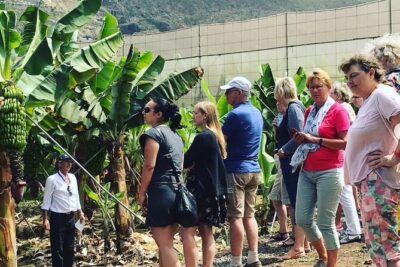
Browse the lists this tour appears in