
Reviewed · MUSEUMS
Malaga: Picasso’s Birthplace Museum Entrance Ticket
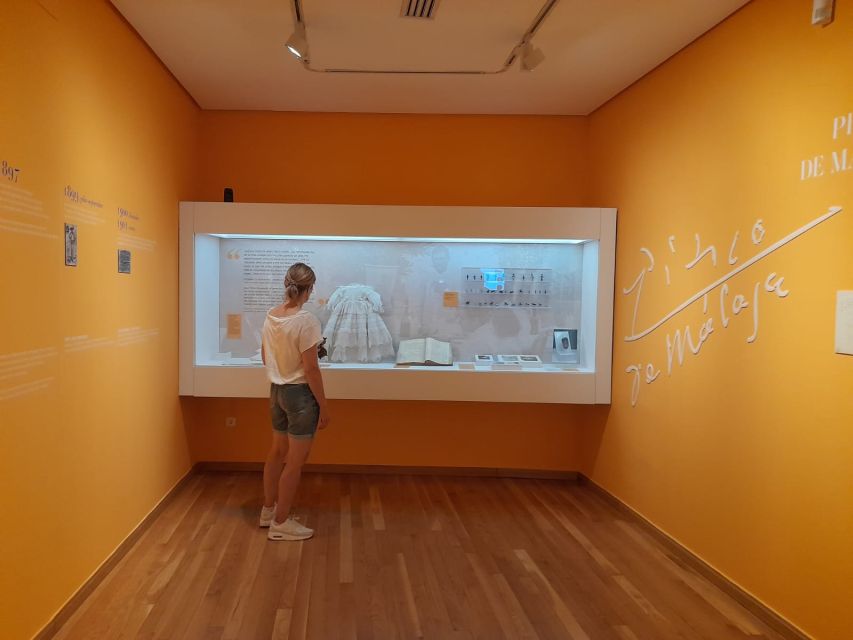
Picasso started here, in a house on Plaza de la Merced. This small museum lets you see the rooms tied to his early life, then follow how Malaga shaped his art. I especially like the personal objects, including his baby shirt and first walking shoes, and the excellent value at about $4.71. The main drawback is its size: you may finish in under an hour unless you listen closely to the audio guide.
This is not a substitute for every Picasso collection in Malaga. It is a focused look at the child, student, son, and emerging artist before the famous Cubist years. I also like the clear attention to motifs such as doves, bullfighting, nudes, and the Mediterranean. The English audio guide is useful, though one visitor found its voice distracting and another noted that part of the commentary was only in Spanish.
In This Review
- Key points to know before you go
- Why Picasso’s birthplace matters in Malaga
- The nine-room route from family home to artist
- Malaga’s influence on Picasso’s art
- What kind of Picasso art you will see
- The contemporary art collection adds another layer
- How long to allow, and when to visit
- Is the $4.71 ticket good value?
- The audio guide: useful, but bring headphones
- Access, staff, and practical details
- Who will enjoy this museum most?
- Should you book the Picasso Birthplace Museum?
- FAQ
- Where is the Picasso Birthplace Museum?
- How much does the entrance ticket cost?
- How long does the museum visit take?
- Is the audio guide included?
- Which audio guide languages are available?
- Should I bring anything?
- Is the museum wheelchair accessible?
- Is the museum free at any time?
- Can I enter just before closing?
Key points to know before you go
- Picasso’s birthplace: Enter the house at Plaza de la Merced 15, where Pablo Picasso was born.
- Nine rooms of context: The museum links Malaga, Picasso’s family, artistic training, and recurring subjects in his work.
- Small but well focused: Plan on about an hour, or less if you move quickly.
- Works in several forms: See sketchbooks, lithographs, ceramics, paintings, and material connected with Picasso and his father, Jose Ruiz Blasco.
- Audio guide included: Choose English, Spanish, French, German, Italian, or Chinese, and bring your own headphones.
- Good budget value: The ticket costs about $4.71 per person, and the visit includes both permanent and temporary exhibitions.
Why Picasso’s birthplace matters in Malaga
The Museo Casa Natal de Picasso is at Plaza de la Merced 15, a central address that gives the visit a useful sense of place before you even enter. You are not looking at a grand artist’s studio or a vast museum built around his mature career. You are stepping into the setting connected with his birth and early family life.
That difference matters. Picasso is often presented through Cubism, distorted faces, and famous late works. This museum gives you a quieter starting point. You learn about the child who grew up around art, the family that shaped him, and the city that supplied many of his lasting visual themes.
The building itself is part of the point. The museum presents Picasso through nine rooms, using objects, photographs, portraits, documents, and works in several media. It is a personal introduction rather than a marathon of major masterpieces.
If you already know Picasso’s work, the museum helps connect familiar subjects to his beginnings. If you know little about him, it gives you a manageable first meeting without asking you to spend half a day in galleries.
More Museum Tours in Malaga
- Malaga: Picasso Museum Guided Tour with Skip-the-Line Ticket
★ 4.8 · 485 reviews - Skip the Line: Malaga Automobile and Fashion Museum Entrance Ticket
★ 4.5 · 379 reviews - Malaga: Tour of Malagueta Bullring & Immersive Exhibition
★ 4.7 · 271 reviews
The nine-room route from family home to artist
The visit follows a thematic path rather than simply presenting a random group of objects. You move through Picasso’s early life, family background, artistic training, and the role of Malaga in his imagination.
The first floor includes works by Picasso and his father, Jose Ruiz Blasco. That family connection is useful because it shows art as part of Picasso’s home environment, not just a talent that appeared from nowhere. His father’s presence also helps explain the early training and artistic expectations around him.
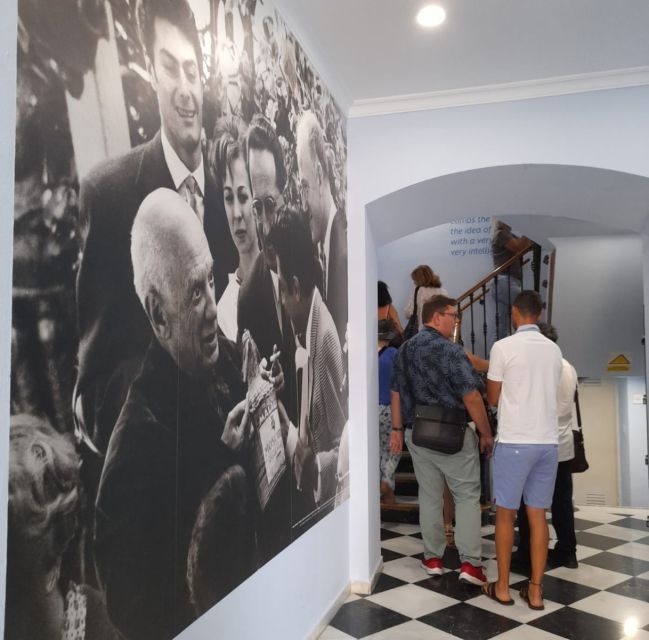
Photographs and portraits add a human scale. Picasso can seem like a distant modern master when you encounter him only through museum labels and famous reproductions. Here, family images and personal items bring the story closer to ordinary life.
Some of the most memorable objects are not necessarily the most valuable ones. A baby shirt and the shoes Picasso learned to walk in are small, almost humble pieces of evidence. They do not explain Cubism, but they make the birthplace feel personal.
The museum also includes sketchbooks and early works. These are valuable because they show process. You can consider how an artist learns to look, draw, repeat, and refine long before the world begins attaching big labels to his work.
The route is compact, so the experience does not become tiring. You can move through quickly, but I recommend slowing down for the audio guide if you have an interest in biography or symbolism. The museum is best understood as a connected story, not as a checklist of individual objects.
Malaga’s influence on Picasso’s art
One of the strongest parts of the visit is its attention to Malaga. The city is not treated as a footnote in Picasso’s biography. The displays explain how local life and Mediterranean surroundings stayed connected to his art and identity.
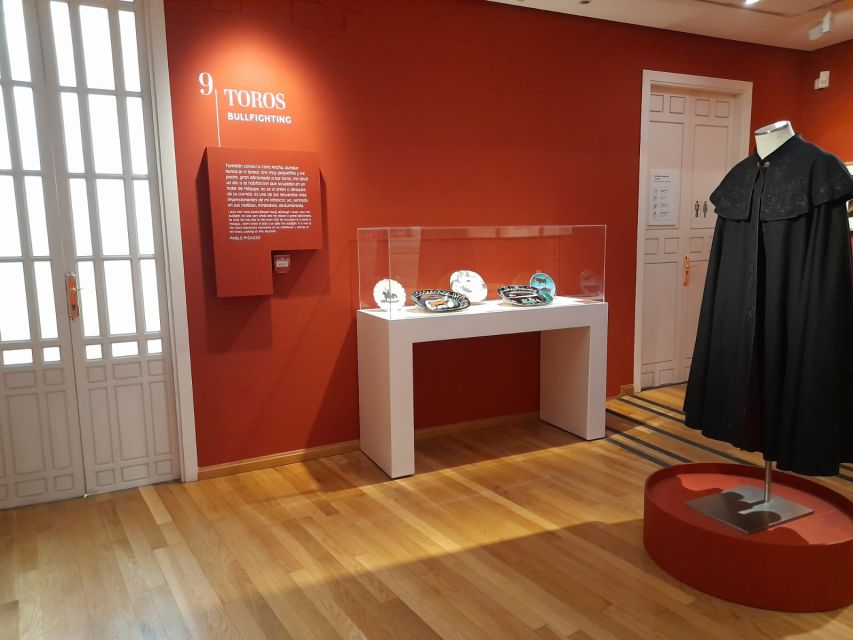
Bullfighting is one of the key subjects. Picasso returned to it many times, and the museum helps you consider why the spectacle, movement, danger, and ritual held such force for him. You also encounter the importance of doves, nudes, and the Mediterranean.
The dove has special weight in Picasso’s work. It can suggest family, peace, and a connection to his father, whose name was Ruiz Blasco. The museum’s discussion of this motif gives you a useful way to read later works instead of seeing the bird as a simple decorative shape.
A small translation issue may amuse careful English speakers. In one place, Paloma was translated as pigeon rather than dove. That is a minor flaw, but it is especially noticeable when the subject is Picasso’s peace imagery.
The references to nudes and the Mediterranean help widen the visit beyond childhood souvenirs. You begin with a home and a family, then move toward ideas that continued to echo through Picasso’s career. This makes the museum more useful than a simple birthplace plaque.
What kind of Picasso art you will see
Do not come expecting a room packed with the artist’s most famous Cubist paintings. The focus here is broader and more biographical, with works connected to different periods, methods, and subjects.
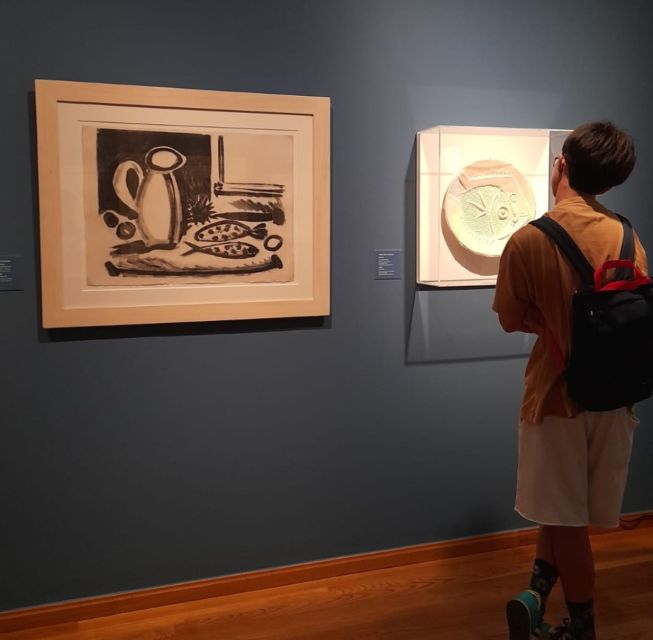
You can see sketchbooks, lithographs, ceramics, and other examples of Picasso’s work. The variety is helpful. A visitor who only thinks of Picasso as a painter may be surprised by how often he worked across forms.
The ceramics display received particular praise, and it adds a different texture to the visit. Ceramics can feel more physical and playful than the flat surfaces many people associate with Picasso. The range also gives you a better sense of his willingness to test new materials.
Some of the pieces relate to his early years, while others help explain recurring ideas. The museum is not trying to tell every part of his long career in equal detail. Instead, it uses selected works to support the story of the man who came from Malaga.
Descriptions are available in Spanish and English, which makes the displays easier to follow. Still, the audio guide can add useful links between objects and themes. Bring headphones, since they are listed as something you should bring with you.
Same base, a different kind of afternoon:
- Málaga: Caminito del Rey Guided Tour with Transportation
★ 4.8 · 12,183 reviews - Caminito del Rey: Guided Tour and Entry Ticket
★ 4.6 · 11,286 reviews - Málaga: Museo Picasso Málaga Entry Ticket
★ 4.4 · 11,138 reviews - El Chorro: Caminito del Rey Guided Tour with Shuttle Bus
★ 4.7 · 7,091 reviews
The contemporary art collection adds another layer
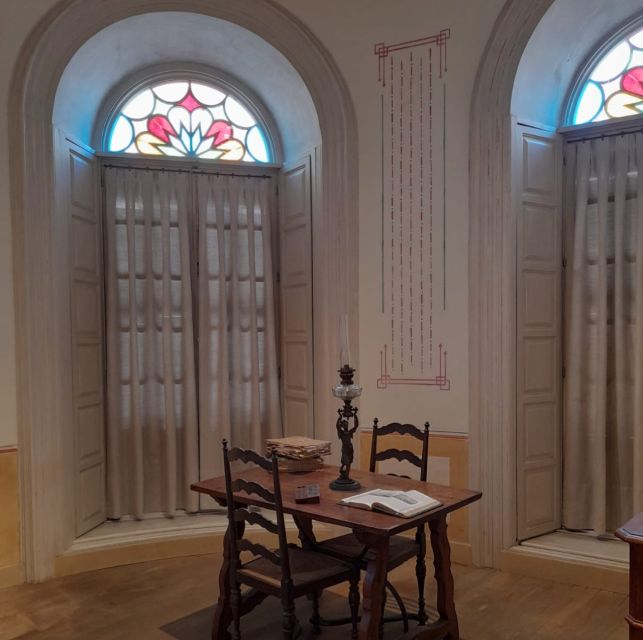
The museum also holds more than 3,500 examples of contemporary art by more than 200 artists. This is a much larger collection than the birthplace rooms might suggest.
The selection includes a large group of graphic art by Miró, Bacon, Ernst, Matta, and many others. Contemporary artists from the 1950s to the present are represented as well.
This section may feel like a change of subject, but it gives the museum a wider artistic frame. You can see Picasso not only as a historic figure, but also as an artist whose work influenced later creators.
The exact balance between the birthplace material, permanent display, and temporary exhibition can affect how long you stay. The museum is still small enough for a short visit, yet the wider holdings give you a reason to look beyond the main Picasso story if the displays are open during your visit.
A past temporary exhibition called Picture of Picasso ran until April 28, 2024. It explored Picasso’s image through books, press coverage, social media, advertising, photography, comics, cinema, television, and popular music. Because that exhibition date has passed, you should check which temporary show is currently on display before you visit.
How long to allow, and when to visit
Most people should allow about an hour. Several visitors found the museum easy to complete in less than that, while the audio guide can extend the visit if you listen to every explanation.
That short length is a strength if you are planning a full day in Malaga. You can fit the museum into an afternoon without sacrificing a major block of sightseeing. It also works well for families or anyone who wants a focused cultural stop rather than a large institutional museum.
The museum can be busier in the afternoon. One useful timing tip is to go near opening or later in the day. A visit after 7:00 PM was described as especially quiet, with the museum closing at 8:00 PM in that instance. Opening and closing times can change, so check the current schedule before relying on that timing.
Sunday offers a way to save money. Admission is free from 4:00 PM until closing. Unemployed and disabled people can also enter free of charge according to the stated policy.
Last entry is 30 minutes before closing. Do not arrive at the final moment, especially if you want to use the audio guide and temporary exhibition.
Is the $4.71 ticket good value?
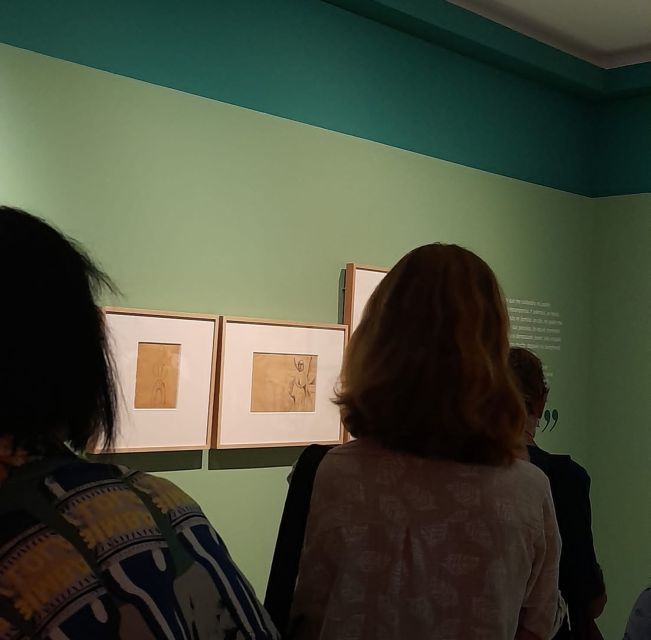
At about $4.71 per person, this is one of the easier cultural expenses to justify in Malaga. The ticket covers the permanent exhibition, temporary exhibition access, and an audio guide in six languages.
The value comes from the focus. You are paying for a short, well-organized introduction to Picasso’s early life and Malaga connections, not for a huge collection that takes hours to see. At roughly four euros, an hour of thoughtful museum time is a strong deal.
The price becomes less compelling only if you expect a major collection of famous paintings. The museum is small, and its purpose is biography, context, and selected works. You should choose it for the birthplace and early-life story, not because you expect a full survey of Picasso’s career.
It can also make sense as an alternative to, or companion to, Malaga’s larger Picasso museum. If you have already seen many of Picasso’s Cubist works, this visit offers a different angle. If you plan to see both, the Casa Natal helps put the later art in human and local context.
Online purchase is available, and the ticket provides skip-the-ticket-line entry. Since the activity is non-refundable, check your plans before buying. The low price reduces the financial risk, but it does not remove the need to choose your timing carefully.
The audio guide: useful, but bring headphones
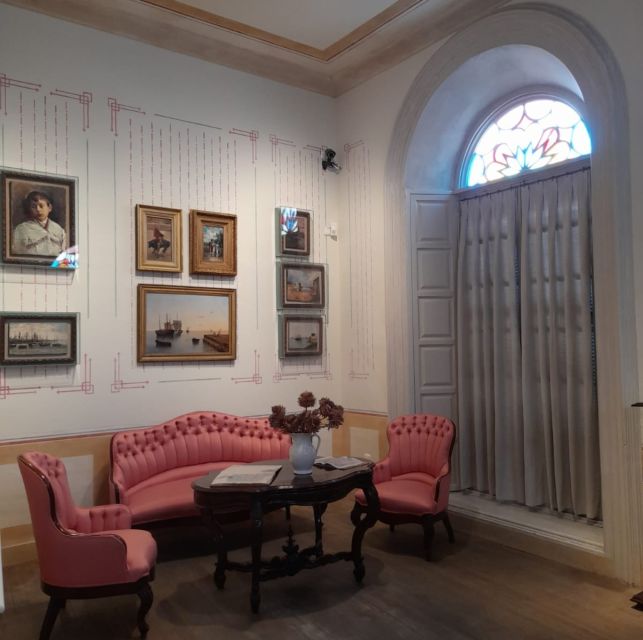
The audio guide is included and available in English, Spanish, French, German, Italian, and Chinese. It is designed for a self-paced visit, so you can stop, listen, and move on when ready.
This is one of the museum’s most praised features. It helps explain the development of Picasso’s work and ties individual objects to his life. For a small museum, that added narration can make the difference between a quick look and a more satisfying visit.
You should bring headphones. That simple step makes the experience more comfortable and avoids relying on the device speaker.
The audio is not perfect for everyone. One English-speaking visitor found the voice distracting and described it as sounding like an AI voice. Another found that part of the second section was only in Spanish. The language list says English is available, but the actual experience may still vary between sections or devices.
I would use the guide selectively. Listen to the sections about Malaga, the family, and the major motifs first. If the voice bothers you, rely on the Spanish and English labels, which are available for the works.
Access, staff, and practical details
The museum is wheelchair accessible. It is a straightforward choice if accessibility is important to your planning, though the supplied information does not describe every internal feature in detail.
The meeting point is the museum itself, Museo Casa Natal de Picasso, at Plaza de la Merced 15, 29012 Malaga. There is no separate transport or guided group meeting to manage. You go directly to the entrance.
The staff received positive comments for being helpful. That matters in a small museum, where a quick question about the route, audio guide, or current exhibition can shape the visit.
The attraction works well as a quick afternoon activity. It can also serve as a calm stop between other central Malaga sights. Since no transportation is included or required in the ticket description, plan to reach the address on your own.
Who will enjoy this museum most?
I would recommend it most strongly to:
- First-time Picasso visitors who want biography before modern art theory.
- Art lovers interested in childhood, family influence, and artistic development.
- Visitors who have already seen Malaga’s larger Picasso collection and want a different focus.
- Families who prefer a short museum with objects, images, and clear themes.
- Budget-minded visitors looking for an inexpensive cultural stop.
- Anyone curious about how Malaga shaped Picasso’s subjects and identity.
You may be less satisfied if you want a large display of landmark Cubist paintings or a full chronological account of every stage of Picasso’s career. The museum gives you selected works and context, not an exhaustive survey.
It is also not a long guided tour. You move at your own pace with the audio guide, and the whole visit can be under an hour. That is ideal for a compact schedule, but people who prefer a major museum experience may find it too brief.
Should you book the Picasso Birthplace Museum?
Yes, if you want a short, inexpensive, personal introduction to Picasso. The birthplace, family photographs, baby shirt, walking shoes, early sketches, ceramics, and discussion of Malaga’s influence give the visit a clear purpose.
I would book it as a companion to Malaga’s larger Picasso museum, or as an alternative if you have already had enough of Cubism. Arrive early or late in the day for a quieter visit, bring headphones, and allow about an hour.
At around $4.71, the museum offers unusually good value. Just keep your expectations in the right place: this is Picasso the child and developing artist, not Picasso’s entire career under one roof.
FAQ
Where is the Picasso Birthplace Museum?
The museum is at Museo Casa Natal de Picasso, Plaza de la Merced 15, 29012 Malaga, Spain.
How much does the entrance ticket cost?
The listed price is $4.71 per person. Some visitor comments refer to the admission as about four euros.
How long does the museum visit take?
You can usually see the small museum in about an hour or less. Listening to the full audio guide may make the visit longer.
Is the audio guide included?
Yes. An audio guide is included with the ticket.
Which audio guide languages are available?
The stated languages are English, Spanish, French, German, Italian, and Chinese.
Should I bring anything?
Bring headphones for the audio guide.
Is the museum wheelchair accessible?
Yes, the museum is wheelchair accessible.
Is the museum free at any time?
The museum is free every Sunday from 4:00 PM until closing. It is also free for unemployed and disabled people.
Can I enter just before closing?
Last entry is 30 minutes before closing. Arrive earlier if you want time for the permanent and temporary exhibitions.
Recently listed in Malaga
- Tour to Gibralfaro★ 4.7 · 182 reviews
- Málaga: Picasso Birthplace Museum Ticket & City Audio Guide★ 4.1 · 158 reviews
- From Costa del Sol: Mijas, Marbella and Puerto Banús Tour★ 4.3 · 234 reviews
- Malaga: Tuk tuk tour★ 4.8 · 402 reviews
- Malaga: Wine and Tapas Tour with Tastings and Drinks★ 4.8 · 217 reviews
- Málaga: Traditional Andalusian Tapas and Wine Tour★ 4.7 · 167 reviews
- Malaga: The Ultimate Tapas Workshop with Market Visit★ 4.9 · 108 reviews
- Malaga: Organic Vineyard Tour with 6 Wines, Tapas & Transfer★ 4.8 · 334 reviews
Museums, compared.

FC Barcelona Museum “Barça Immersive Tour” Ticket
Read our review →
Park Güell and Gaudí House Museum Entry Ticket
Read our review →
Puro Flamenco Show with Optional Museum Ticket
Read our review →
Girona & Dali Museum Small Group Tour with Pick-up from Barcelona
Read our review →
Oceanogràfic, Hemisfèric & Science Museum Combo
Read our review →Browse the lists this tour appears in