
Reviewed · PAELLA COOKING CLASSES
Málaga: Spanish Cooking Workshop with Paella and Sangria
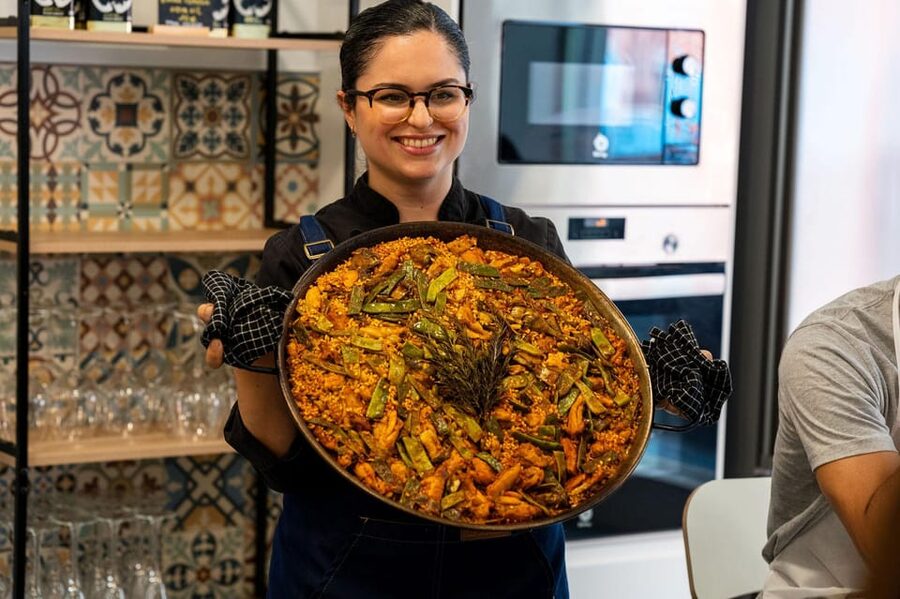
Paella tastes better when you make it yourself. This three-hour Málaga cooking workshop turns a meal into a friendly cultural lesson, with Chef Laura, trained at Le Cordon Bleu and in Michelin-starred kitchens, and Chef Diego, an Andalusian cuisine specialist raised in Málaga. I especially like the hands-on format and the chance to cook more than paella, including ajoblanco and Málaga’s remojón salad.
The setting is practical too. You cook in a modern, comfortable kitchen in Málaga’s historic center, only about five minutes from Atarazanas Market. I also like the useful local advice woven into the class, from ingredient shopping to places to eat. The main consideration is that the workshop needs at least four participants, so a last-minute solo booking may depend on others joining.
In This Review
- Key Points Before You Book
- Why This Class Feels More Local Than a Standard Food Tour
- Meeting Laura and Diego in Málaga’s Historic Center
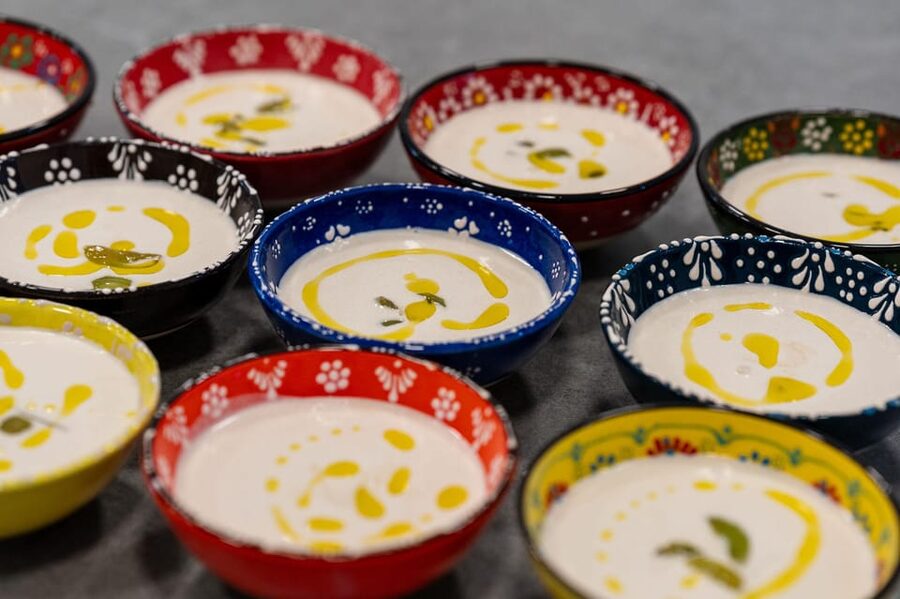
- Ajoblanco: A Cold Almond Soup With Málaga Roots
- Remojón Malagueño: The Salad That Adds Local Context
- Paella: Learning the Rice, Heat, and Patience
- Sangria and the Social Side of the Workshop
- Dessert and the Value of a Complete Meal
- How Comfortable Is the Three-Hour Format?
- Dietary Needs and Group Arrangements
- Is $78 a Fair Price?
- Who Will Enjoy This Most?
- Booking Details Worth Knowing
- Should You Book the Málaga Cooking Workshop?
- FAQ
- How long does the Málaga cooking workshop last?
- What dishes are prepared during the class?
- Is sangria included?
- Is the class taught in English?
- Can vegetarian and vegan diets be accommodated?
- Where is the cooking workshop located?
- Can I cancel for a refund?
Key Points Before You Book
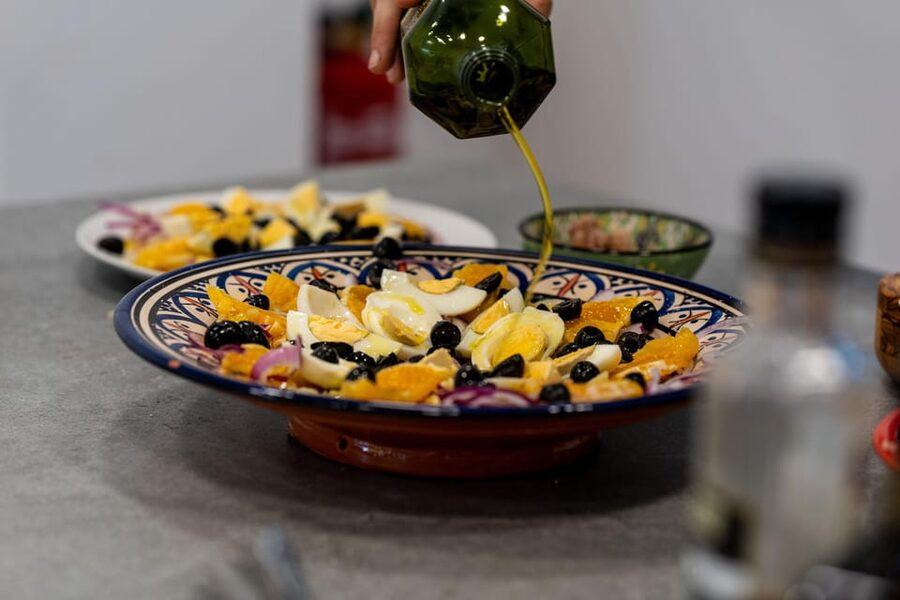
- Three local dishes plus dessert: Prepare ajoblanco, paella, remojón malagueño, and a surprise dessert.
- Real participation: You chop, mix, season, and cook rather than simply watch a chef work.
- Two distinct teaching styles: Laura brings formal European training and paella experience, while Diego focuses on Andalusian food and Málaga traditions.
- Central location: The kitchen is in the historic center, close to Atarazanas Market and easy to reach on foot.
- Comfortable for older participants: High stools with backs are available, useful if standing for long periods is difficult.
- Strong value at $78: The price covers three hours of instruction, several dishes, the meal you help prepare, and sangria.
Why This Class Feels More Local Than a Standard Food Tour
Málaga is a city where food tells you where you are. A plate of seafood may point toward the coast, an almond soup toward the dry hills around the city, and a citrusy salad toward the produce of Andalucía. This workshop gives you a way to understand those connections while doing something with your hands.
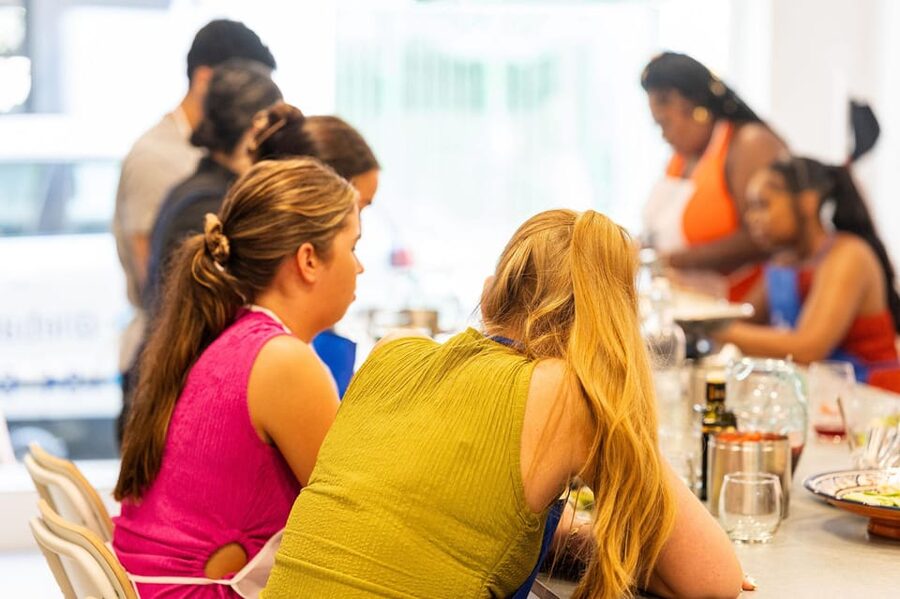
You are not just shown a finished paella and handed a recipe. The class is built around participation. You help prepare the food, learn how the ingredients work, and then sit down to eat the meal together. That shared table matters. It turns a cooking lesson into a relaxed social evening, with people from different countries working toward the same lunch or dinner.
The teaching is in English, and the tone is designed to be easygoing. Several sessions have included groups of around nine or ten people, a size that allows the chef to offer one-on-one help without making the class feel private or formal. The minimum group size is four, so the atmosphere can vary, but the format is best suited to people who enjoy meeting others.
More Paella Classes in Malaga:
- Malaga: Sailing Catamaran with Swimming and Paella Lunch
★ 4.1 · 578 reviews - Barcelona: Paella Cooking Experience & Boqueria Market Tour
★ 4.8 · 3,661 reviews - Barcelona Paella Cooking Class with Market Visit, Tapas & Sangria
★ 5.0 · 2,531 reviews
Meeting Laura and Diego in Málaga’s Historic Center
The workshop is led by two chefs with different paths into Spanish cooking. Laura studied at Le Cordon Bleu in London and worked in Michelin-starred restaurants. She was also trained by a Valencian chef specializing in paella, which gives her a strong basis for explaining the dish beyond the usual tourist version.
Laura’s teaching goes beyond measurements. She explains ingredients, Spanish food customs, and the habits that shape everyday cooking. She also shares suggestions for markets, shops, restaurants, and places to visit around Málaga and Andalucía. If you are staying in the city for a few days, those tips can help you spend the rest of your trip more wisely.
Diego grew up in Málaga after moving from Uruguay and began his cooking path at age nine. His work has included traditional Andalusian kitchens and high-end restaurants in the city. His special interest is Málaga-style and Andalusian food, with a particular fondness for desserts.
I like this contrast. Laura’s background gives the paella lesson a clear technical base, while Diego brings a more personal connection to local dishes and Málaga food culture. Both are described as warm, funny, and patient, which matters in a class where people arrive with very different levels of cooking experience.
Ajoblanco: A Cold Almond Soup With Málaga Roots
One of the first dishes is ajoblanco, a chilled soup made around almonds and garlic. It is a good introduction to Andalusian cooking because it shows how a few simple ingredients can create a dish with a distinct identity.
The soup is associated with Málaga and the surrounding area, where almonds, bread, garlic, and olive oil have long played an important role in local cooking. It is especially suited to warm weather, though the workshop takes place indoors and works just as well as a rainy-day activity.
The lesson gives you more than a recipe. You learn how texture, acidity, and seasoning work together. The ingredients are simple enough to find outside Spain, which makes ajoblanco one of the easier dishes to recreate at home.
Several diners have singled out the soup as one of the best parts of the meal. That is useful to know if you are booking mainly for paella. The class does not treat the soup as filler before the main event. It is one of the dishes that gives the menu a real Málaga character.
Remojón Malagueño: The Salad That Adds Local Context
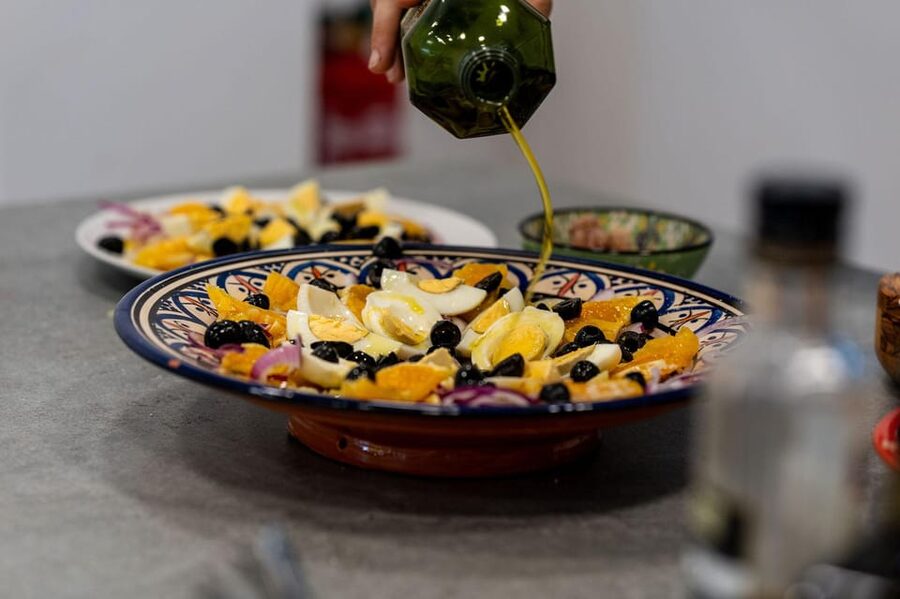
The second supporting dish is remojón malagueño, a typical salad from Málaga. It helps balance the menu, since paella and dessert can make for a fairly heavy meal on their own.
Remojón is also a reminder that Andalusian cooking is not one single style. The region’s food includes bright salads, cold soups, rice dishes, seafood, meat, olive oil, citrus, almonds, and seasonal produce. Preparing the salad alongside the paella gives you a broader view of the table rather than reducing Spanish food to one famous dish.
The class uses local ingredients where possible and explains how they fit into the regional cooking tradition. You can ask questions as you work, and the chefs are happy to explain substitutions and ways to find similar ingredients later.
For me, this is one of the workshop’s strongest choices. A class that only teaches paella can feel narrow. A menu that includes soup, salad, rice, and dessert gives you a better sense of how a Spanish meal is put together.
A few more Malaga ideas to compare
- Málaga: Caminito del Rey Guided Tour with Transportation
★ 4.8 · 12,183 reviews - Caminito del Rey: Guided Tour and Entry Ticket
★ 4.6 · 11,286 reviews - Málaga: Museo Picasso Málaga Entry Ticket
★ 4.4 · 11,138 reviews - El Chorro: Caminito del Rey Guided Tour with Shuttle Bus
★ 4.7 · 7,091 reviews
Paella: Learning the Rice, Heat, and Patience
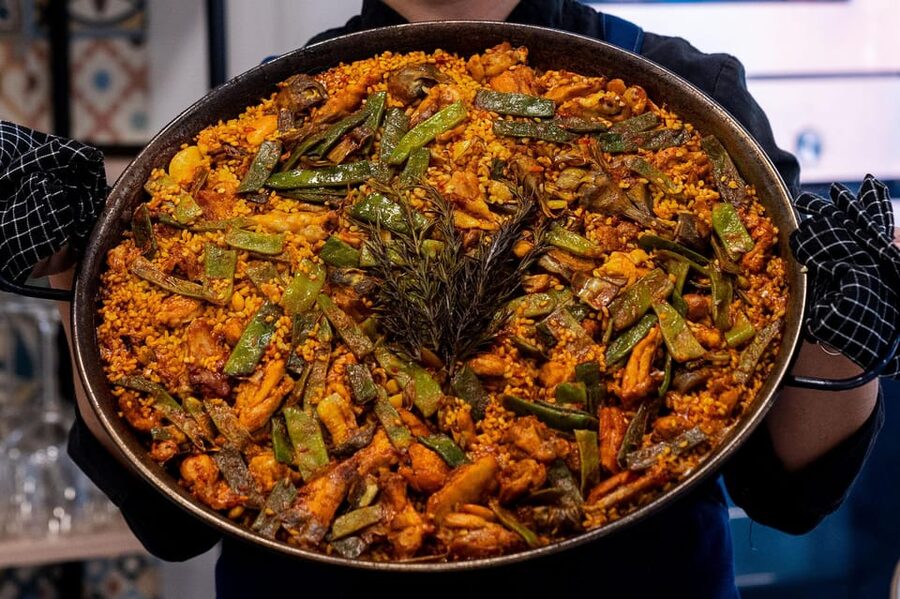
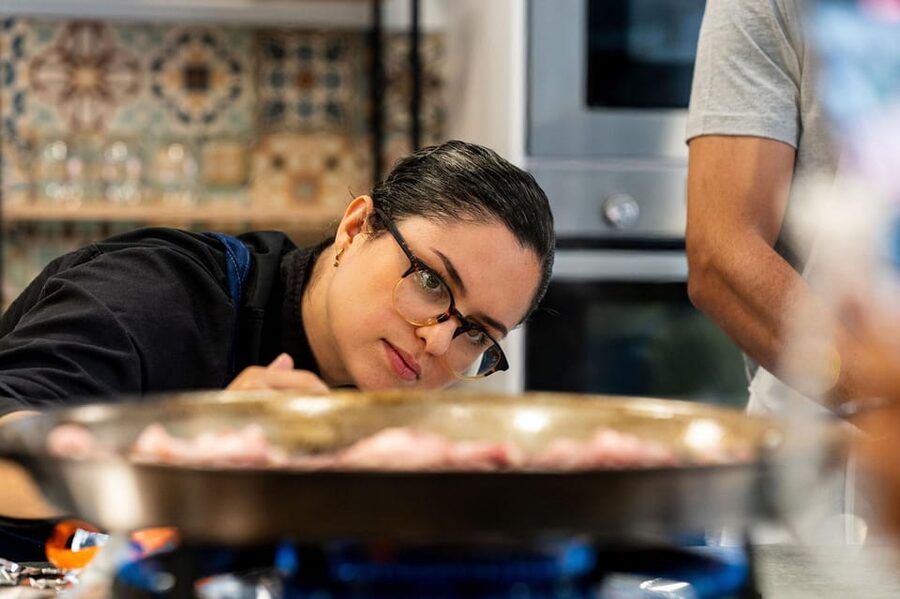
Paella is the main attraction, and the class takes time to explain why the dish succeeds or fails. The lesson covers traditional techniques and the small decisions that affect the final rice.
The useful part is not simply learning which ingredients go into the pan. You also learn how to handle the rice, manage the cooking process, and avoid common mistakes. One instructor has been praised for explaining how to get the rice just right, while another has helped people who had tried and failed to make paella at home.
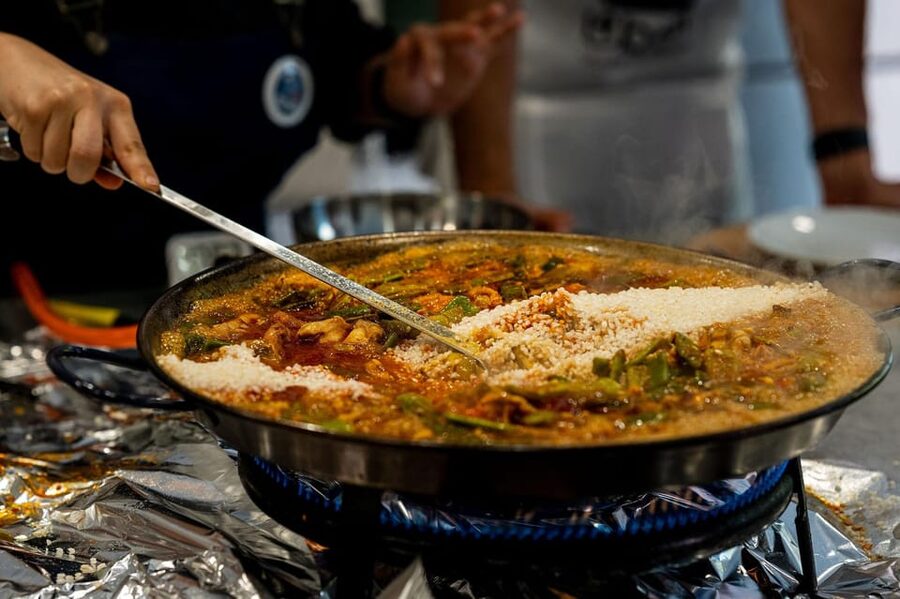
That practical focus is valuable because paella looks simple but demands attention. Too much liquid can leave the rice soft. Too little can stop it from cooking properly. Stirring, timing, seasoning, and heat all matter. The chefs explain these points in plain English and demonstrate each stage before you take part.
The class is not a professional kitchen course. You should expect guidance and shared preparation rather than a long technical study of rice varieties or restaurant production. That is a good fit for most people on holiday. You leave with enough understanding to try the dish again without turning dinner into a science project.
The paella is prepared as part of the group meal, so you taste the result of the work you have just done. That connection between technique and eating is the best part. You see what the rice should look and feel like, then have a reference point for your own attempts at home.
Sangria and the Social Side of the Workshop
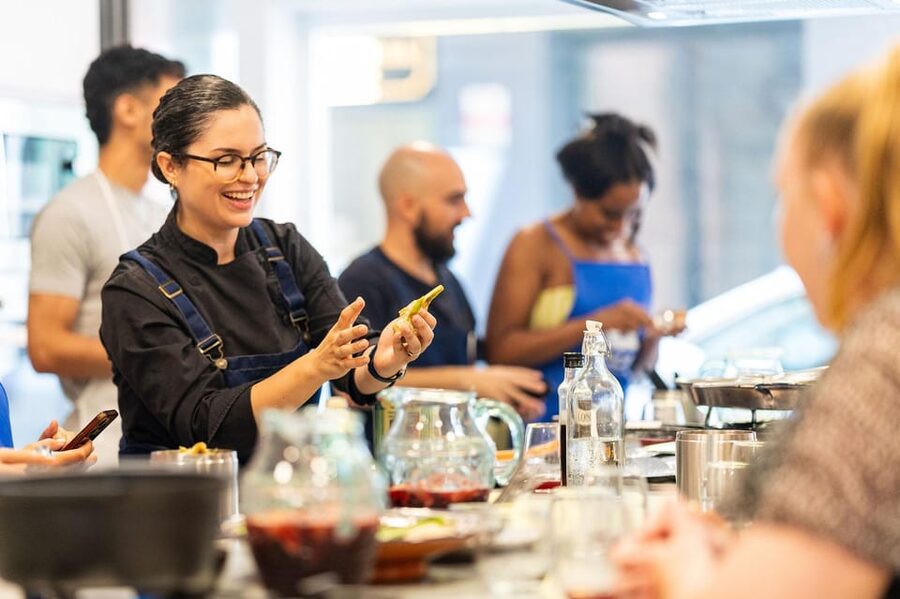
Sangria is included, and the chefs explain how it is prepared rather than treating it as a simple drink poured from a jug. You receive more sangria or two included during the meal according to your choice, so the experience includes time to sit, talk, and enjoy what you have made.
The alcohol is part of the activity, and alcohol or drugs are not allowed beyond the appropriate food and drink provided as part of the class. If you do not drink alcohol, check the available arrangements before booking.
The social side is not an afterthought. People work together, ask questions, compare cooking habits, and eat at the same table. This can be particularly pleasant for solo visitors who want an evening with company without committing to a formal group tour.
It also suits families and couples. One family group described the workshop as a cooking class, cultural lesson, and family meal in one. Children’s participation is not specifically detailed, so families should confirm age arrangements before reserving.
Dessert and the Value of a Complete Meal
The meal includes a surprise dessert, with Diego bringing particular experience in Andalusian sweets. The exact dessert is not fixed in the information provided, so do not book expecting one specific final course.
That small element of surprise works well in the format. You already have the savory dishes and sangria, and dessert gives the class a proper ending. It also lets the chef show another side of regional food beyond soup, salad, and rice.
The total menu is generous for a three-hour activity: ajoblanco, remojón malagueño, paella, dessert, and sangria. You do not simply pay for an hour of instruction and then need to find dinner afterward. The meal is part of the price.
How Comfortable Is the Three-Hour Format?
The workshop lasts three hours, which is long enough to teach several dishes without rushing every step. It is also short enough to fit into a Málaga sightseeing day.
You should plan to spend much of the session at the kitchen workstations. The useful detail for anyone with mobility concerns is that comfortable high stools with backs are available. One older couple was specifically able to enjoy the class because the seating made it possible to rest while still taking part.
The kitchen is modern and comfortable, and the activity is wheelchair accessible. Still, cooking classes involve moving around, handling ingredients, and working at counters, so it is sensible to mention any mobility needs when booking.
The central location is another advantage. Being close to Atarazanas Market lets you pair the workshop with a market visit before or after class. You are only about five minutes away, so the experience can fit neatly into a day spent exploring the old center.
Dietary Needs and Group Arrangements
Allergies and food intolerances can be accommodated with advance notice. Vegetarian and vegan versions are also available if requested ahead of time.
Do not wait until you arrive to raise a dietary concern. Paella recipes can involve several ingredients, and the chefs need time to plan a suitable version. The same applies to the soup, salad, dessert, and drinks.
A minimum of four people is required. The class can work for solo participants, couples, families, or small groups, but solo bookers should understand that the activity depends on enough people being scheduled.
Group size appears to be one of the reasons the experience feels personal. Sessions of about nine or ten people allow for conversation while leaving room for individual help. Larger private arrangements may be possible, as one group received a separate room, but you should confirm that directly rather than assume it is included.
Is $78 a Fair Price?
At $78 per person, this is not the cheapest way to eat in Málaga. You can find a simple local meal for much less, and a cooking class always costs more than ordering paella in a restaurant.
The comparison is not quite fair, though. The fee includes three hours in a modern kitchen, instruction from experienced chefs, several dishes, sangria, dessert, and the meal itself. You also receive cooking skills and recipes you can use later, along with personal suggestions for food and sightseeing in Málaga.
I consider the price fair for people who want an activity as well as dinner. The value is strongest if you are curious about food and expect to cook the dishes again. If you only want to taste paella, a restaurant will be simpler and cheaper.
The class also earns value through its range. You are not spending $78 to learn one dish while watching someone else do most of the work. You prepare a cold soup, salad, paella, and possibly dessert, so the experience has real substance.
Who Will Enjoy This Most?
I would choose this workshop if you want to:
- Learn practical Spanish cooking techniques you can repeat at home
- Meet other people in a relaxed group setting
- Understand Málaga food beyond tapas and paella
- Enjoy a complete meal while taking part in its preparation
- Get recommendations for markets, restaurants, and local specialties
- Spend a rainy afternoon or evening indoors without losing contact with local culture
It is also a good choice for couples, families, and small groups who want a shared activity. The relaxed pace and backed stools make it more comfortable than a class that keeps everyone standing for hours.
You may want to skip it if you dislike group activities, do not want to cook on holiday, or are looking for a strictly private lesson. The exact dessert is not announced in advance, and the group size depends on bookings.
Booking Details Worth Knowing
The class is held in central Málaga, with English-language instruction. You can cancel up to 24 hours ahead for a full refund, and reserve now while paying later, which is useful when your schedule is still changing.
The experience is wheelchair accessible, but mention specific access needs in advance. Likewise, tell the organizers about allergies, intolerances, vegetarian requirements, or vegan requirements before the class.
Starting times vary, so check availability for the day you want. Since the workshop takes three hours, leave enough room around it if you have a timed museum visit, train, or evening reservation.
Should You Book the Málaga Cooking Workshop?
Yes, if you want more than a quick taste of Spanish food. The strongest reasons are the fully participatory cooking, the mix of Málaga and wider Spanish dishes, and the personal teaching from Laura and Diego.
I would especially recommend it to first-time visitors who want practical local food advice. You can visit Atarazanas Market, learn what the ingredients are used for, then cook and eat dishes connected to the region. That gives the class a clear sense of place.
At $78, it is best viewed as a meal, lesson, and social evening together. If that sounds worthwhile, book it. If you only want a plate of paella, spend your money at a restaurant instead.
FAQ
How long does the Málaga cooking workshop last?
The workshop lasts three hours.
What dishes are prepared during the class?
You prepare ajoblanco, paella, remojón malagueño, and a surprise dessert.
Is sangria included?
Yes. Sangria is included, with more sangria or two available during the meal according to your choice.
Is the class taught in English?
Yes. The live instruction is provided in English.
Can vegetarian and vegan diets be accommodated?
Yes. Vegetarian and vegan options are available with advance notice. Food allergies and intolerances can also be accommodated if reported ahead of time.
Where is the cooking workshop located?
It takes place in Málaga’s historic center, about five minutes from Atarazanas Market.
Can I cancel for a refund?
Yes. You can cancel up to 24 hours in advance for a full refund.
Recently listed in Malaga
- Tour to Gibralfaro★ 4.7 · 182 reviews
- Málaga: Picasso Birthplace Museum Ticket & City Audio Guide★ 4.1 · 158 reviews
- From Costa del Sol: Mijas, Marbella and Puerto Banús Tour★ 4.3 · 234 reviews
- Malaga: Tuk tuk tour★ 4.8 · 402 reviews
- Malaga: Wine and Tapas Tour with Tastings and Drinks★ 4.8 · 217 reviews
- Malaga: The Ultimate Tapas Workshop with Market Visit★ 4.9 · 108 reviews
- Malaga: Organic Vineyard Tour with 6 Wines, Tapas & Transfer★ 4.8 · 334 reviews
- Málaga: Traditional Andalusian Tapas and Wine Tour★ 4.7 · 167 reviews
Paella Cooking Classes, compared.
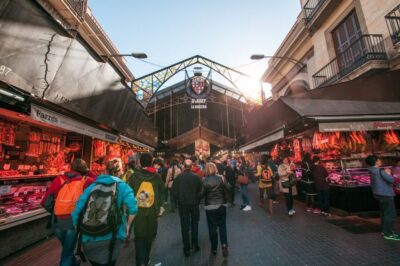
Paella Cooking Experience & Boqueria Market Tour
Read our review →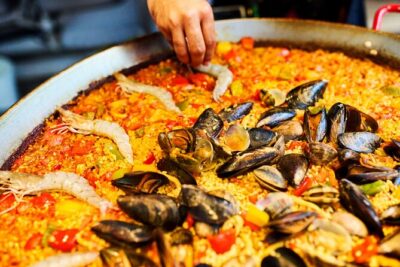
Barcelona Paella Cooking Class with Market Visit, Tapas & Sangria
Read our review →
Natural Coves and Beaches Boat Trip & Paella Lunch
Read our review →
Spanish Cooking Class Paella Tapas and Sangria in Madrid
Read our review →
Barcelona Food Tour: Tapas, Paella, Sangria & 8+ Local Tastings
Read our review →
Paella and Sangria Workshop in the City Center
Read our review →
Paella Cooking Class, Wine Tasting & Central Market in Valencia
Read our review →
Girona & Costa Brava Small Group Tour From Barcelona with Paella!
Read our review →Browse the lists this tour appears in