
Reviewed · WALKING TOURS
Ronda: Guided Walking Tour with English or Spanish Guide
Ronda rewards a slow first look. I like that this $29 walking tour links the New Bridge, old town, bullring, and historic buildings in one clear route. I also like the local advice, especially the tips on tapas, drinks, viewpoints, and places to visit later. The main drawback is simple: you pass by the major sights rather than entering them, and the advertised duration is only 1.5 hours.
That short length makes this a useful introduction for a day trip or a first afternoon in Ronda. Guides such as Gema, Tanya, Susanna, Lourdes, and Dasha have been praised for warm storytelling and practical suggestions. You should still allow extra time afterward for the bullring, churches, museums, and bridge viewpoints.
In This Review
- Key points at a glance
- Why a guided walk helps in Ronda
- Starting at Plaza de la Merced
- Plaza de Toros and the walk of the bullfighters
- The New Bridge and Ronda’s best viewpoints
- Commercial streets and the old town
- Don Bosco’s House and the Palace of Mondragon
- Santa María la Mayor and Ronda’s layered past
- The guides make the biggest difference
- Food and drink advice after the walk
- How much time should you set aside?
- Is $29 a fair price?
- Who should book this Ronda walk?
- Practical advice before you go
- Should you book this Ronda walking tour?
- FAQ
- How much does the Ronda walking tour cost?
- How long does the tour last?
- What languages are available?
- Where does the tour start?
- Where does the tour finish?
- Is hotel pickup included?
- Does the tour include entry to the bullring?
- Is the tour wheelchair accessible?
- Can I cancel the tour for a refund?
Key points at a glance
- The New Bridge is the star: Your guide points out the best places to view Ronda’s famous gorge and bridges.
- The bullring is seen from the outside: You learn about Plaza de Toros de Ronda, said to be Spain’s oldest bullring, but entry is not included.
- Local guides add useful detail: Gema is from Ronda, and several guides bring personal knowledge of the city’s food, customs, and past.
- The route covers both old and newer Ronda: You see the commercial street, historic quarter, bridges, bullring area, and major monuments.
- Food advice is part of the value: Guides recommend tapas bars, restaurants, cafés, drinks, and rooftop viewpoints.
- The walk is manageable but not effortless: Comfortable shoes matter, and summer heat can make shaded stops especially welcome.
Why a guided walk helps in Ronda
Ronda is not hard to admire. It is harder to understand quickly.
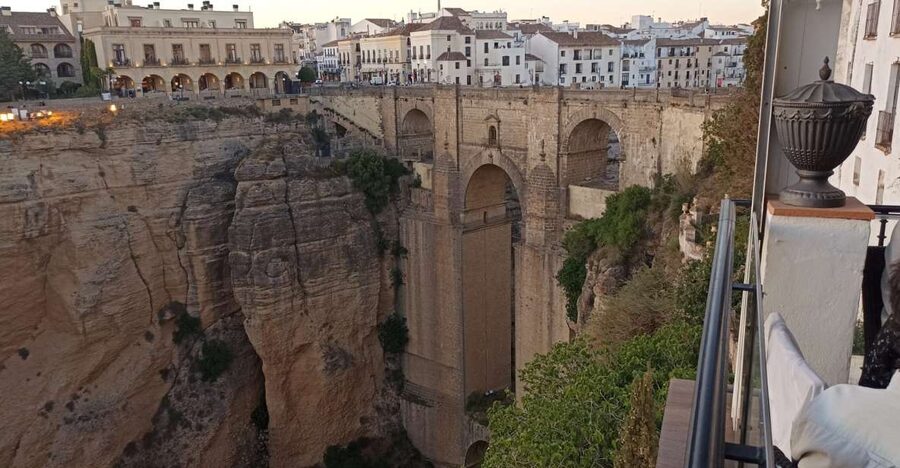
The city is divided by the El Tajo gorge, with the famous New Bridge joining the older and newer sections. On your own, you can find the bridge easily enough, but it takes more work to connect the views, buildings, bullfighting traditions, Islamic past, Christian monuments, and local food culture.
That is where this tour earns its keep. You move through the city with a guide who explains what you are looking at before the next viewpoint or monument catches your attention. The experience is less about entering every building and more about getting the story of Ronda in a compact package.
I see it as a get your bearings fast walk. Afterward, you can choose where to spend your limited sightseeing time instead of wandering from one postcard view to another.
The tour is offered in English or Spanish. The English guides have been praised for clear speech, and one participant specifically noted that the guide’s English was easy to understand. That matters in Ronda, where a good story can disappear quickly if you are trying to listen while standing near a busy street.
More Walking Tours in Spain:
- Barcelona Tapas and Wine Experience Small-Group Walking Tour
★ 5.0 · 5,804 reviews - Barcelona: Tapas Walking Tour with Food, Wine, and History
★ 4.8 · 4,261 reviews - Granada: Albaicín and Sacromonte Guided Sunset Walking Tour
★ 4.9 · 2,962 reviews
Starting at Plaza de la Merced
The meeting point is Pl. de la Merced, 1. The route finishes at Plaza España, beside the New Bridge area.
Starting near Plaza de la Merced places you close to the bullring and newer side of town. From there, the walk can introduce you to Ronda’s public spaces and commercial streets before moving into the older quarters.
You are not being collected from your hotel, so plan your route to the meeting point in advance. Hotel pickup and drop-off are not included. If you are arriving by car, allow extra time for parking. One person needed about an hour to find parking in Ronda and arrived late, although the guide helped the group reconnect.
That is useful practical advice: do not treat the stated start time as a suggestion if you are driving. Ronda is a popular stop, and the central streets can be busy. If you are arriving by train, bus, or taxi, check your walking route to Plaza de la Merced before the day begins.
Plaza de Toros and the walk of the bullfighters
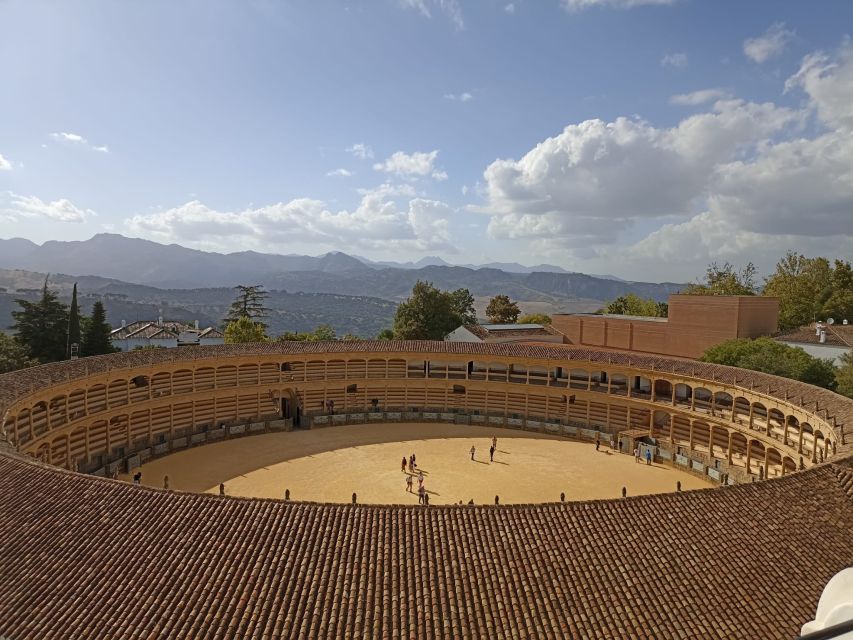
The bullring area is one of the first major themes of the route. Plaza de Toros de Ronda is presented as Spain’s oldest bullring, and the tour explains its place in the city’s culture and history.
You also see the walk of the bullfighters. This gives the stop a human scale. Instead of looking only at a grand arena, you get a sense of the ritual and public theatre surrounding bullfighting in Ronda.
There is an important limit here. The walking tour does not include admission into the bullring. You can return later if you want to see the interior, and one guide specifically suggested taking a separate bullring tour.
I consider that a fair arrangement for a short orientation walk. Including admission would make the experience less flexible, and not everyone wants to spend time inside the arena. Still, if the bullring is high on your list, schedule a separate visit and check its opening information rather than expecting this tour to provide it.
The New Bridge and Ronda’s best viewpoints
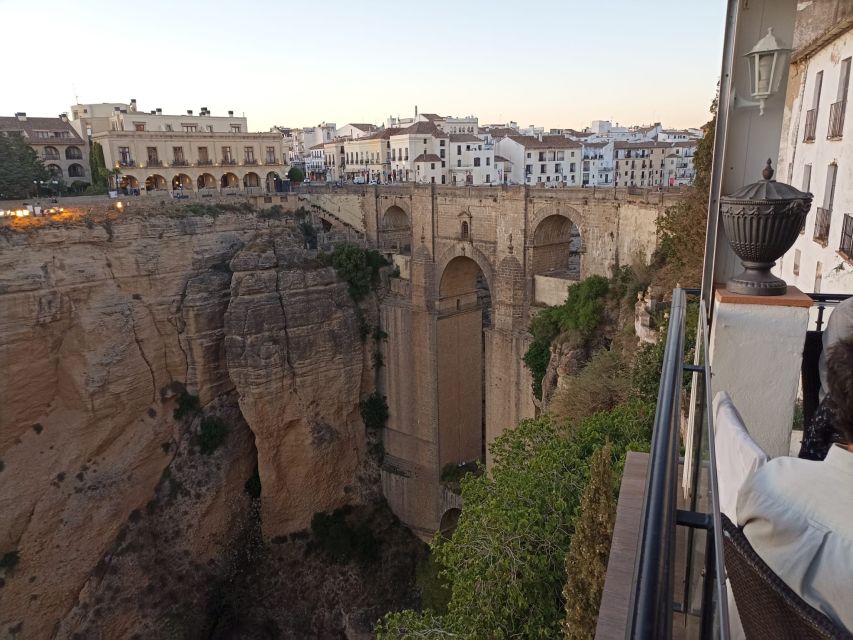
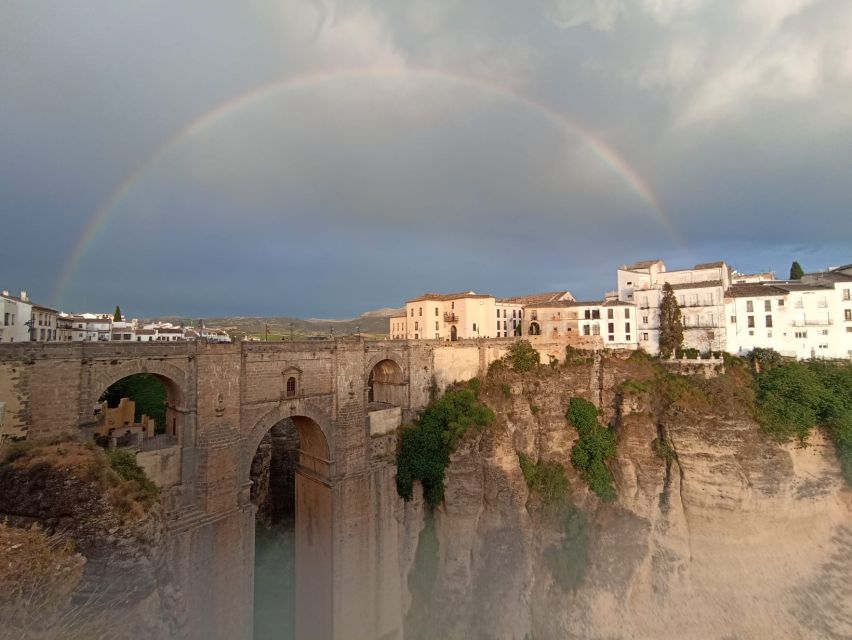
The New Bridge is the visual reason many people come to Ronda. It crosses the gorge in dramatic fashion, and the views from around Plaza España are the part of the walk most likely to stay with you.
A good guide does more than point at the bridge. The guide shows you where to stand for different angles, including views toward the old bridges and the surrounding gorge. Several participants valued this advice, especially for taking photographs.
I like that the tour treats the bridge as more than a quick photo stop. You hear how it fits into the shape of the city, then get practical help finding viewpoints you might not notice during a rushed visit.
The route finishes at Plaza España, which makes sense geographically. You are left near one of Ronda’s main photo areas and can continue exploring without having to retrace the entire walk.
The bridge area can be crowded, especially in warmer months. One participant noted that Ronda was very busy even in September. Bring patience for viewpoints, and listen for your guide carefully when other groups are nearby.
A few more Spain ideas to compare
- Barcelona: Sagrada Familia Entry Ticket with Audio Guide
★ 4.6 · 105,312 reviews - Barcelona: Park Guell Guided Tour with Skip The Line Entry
★ 4.7 · 17,563 reviews - Málaga: Caminito del Rey Guided Tour with Transportation
★ 4.8 · 12,183 reviews - Caminito del Rey: Guided Tour and Entry Ticket
★ 4.6 · 11,286 reviews
Commercial streets and the old town
The walk continues through Ronda’s commercial street and old town. This contrast is one of the tour’s strengths.
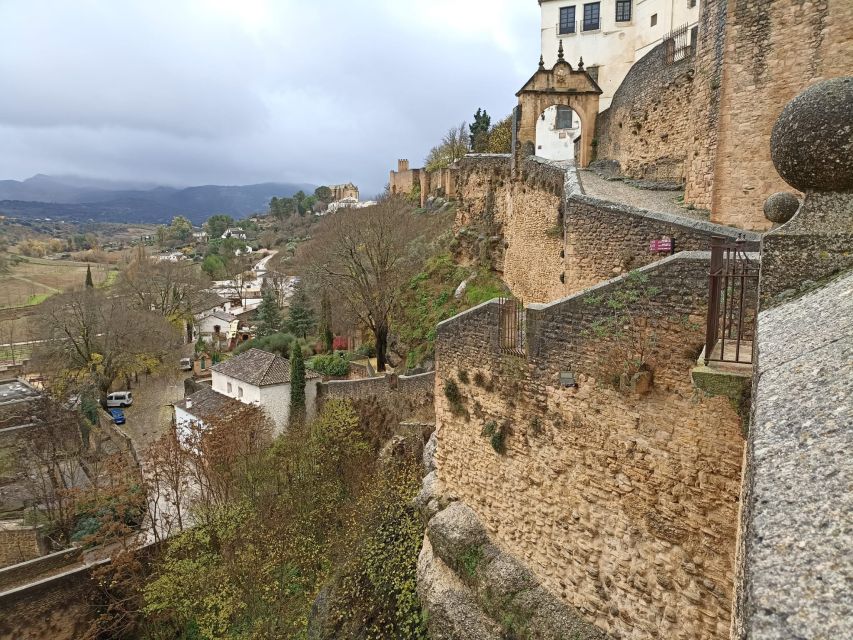
The commercial area gives you a feel for present-day Ronda, with shops, cafés, restaurants, and the practical side of the city. The old quarter then shifts the mood toward historic lanes, older architecture, and quieter corners.
A guide is especially useful here because the old town is not just a collection of pretty streets. Your guide can point out details you might otherwise pass without noticing and explain how the city’s different periods fit together.
The pace seems to be one of the better features of the tour. Several participants described it as pleasant, manageable, and not rushed. Guides often stop in shaded areas to talk, which becomes important during hot weather. One group completed the walk in temperatures around 35 degrees Celsius and still found the pace workable.
You should wear comfortable shoes. Ronda has slopes, stone surfaces, and streets where you will be standing for explanations rather than simply walking from one flat plaza to another. The activity is listed as wheelchair accessible, but the supplied information does not describe the exact surfaces or route details, so it is sensible to confirm the practical route if you use a wheelchair.
Don Bosco’s House and the Palace of Mondragon
Don Bosco’s House adds a more intimate stop to a route otherwise dominated by grand views. It is one of the places your guide identifies as part of Ronda’s character, rather than simply another major landmark on a sightseeing checklist.
The Palace of Mondragon offers a different kind of historical setting. It helps show the city’s architectural and political importance and gives the old town more depth than the bridge alone can provide.
You should think of both places as guided pass-by stops unless your booking details say otherwise. The experience is designed to explain the buildings from the outside and place them in the larger story of Ronda. You are not promised interior visits.
That distinction matters. If you want to inspect palace rooms, courtyards, collections, or period interiors, save time after the walk. The guide’s introduction can help you decide which places deserve your admission fee.
Santa María la Mayor and Ronda’s layered past
The Collegiate Church of Santa María la Mayor is another key landmark on the route. The guide places it within Ronda’s religious and architectural story, along with other important monuments and neighborhoods.
The city’s past is not presented as one simple chapter. The tour touches on different periods, local figures, writers, poets, architecture, and the cultural identity of Ronda. One guide even adapted the talk to the anniversary of Blas Infante’s death, showing how the walk can connect the city’s history with the date and setting around you.
I would not book this activity expecting a full academic lecture. The value is in getting a readable framework, with stories and names that make later visits more meaningful.
The church is another example of the tour’s main trade-off. You see and learn about it, but entry is not included. If religious art or interiors are important to you, note the location and return after the tour.
The guides make the biggest difference
The strongest part of this experience is the guiding.
Gema is repeatedly praised for clear explanations, warmth, and personal knowledge of Ronda. She is originally from the city, and that local connection can add useful texture to the walk. Tanya is also singled out for her enthusiasm, friendly manner, and practical recommendations.
Susanna is described as lively, well prepared, and easy to follow. She covered history, architecture, writers, poets, bridges, and food suggestions while keeping the pace comfortable. Lourdes received praise for turning her historical material into engaging stories, and Dasha was appreciated for humor, group interaction, and helpful ideas for the rest of the day.
Guide names can change, so you should not book on the promise of one particular person. The broader pattern is more important: the guides are expected to explain the city, answer questions, and help you plan the hours after the walk.
The best guides also manage the practical side. They find shade in hot weather, pause often enough for the group to listen, point out photo locations, and suggest free sights as well as paid activities. Those details can save you both time and money.
Food and drink advice after the walk
The food tips are a real part of the tour’s value.
Guides recommend tapas bars, restaurants, cafés, drinks, and places with good views. Some also mention rooftop bars, including a panoramic hotel rooftop bar. That is useful because Ronda’s most scenic places are not always the places you would pick from a quick look at a menu board.
You should take notes. One person found that a small map showing the recommended tapas places would have made the advice easier to use later. That is a fair criticism. Spoken directions can blur together once you leave the group, especially after a long day of sightseeing.
I suggest writing down restaurant names and asking the guide to repeat the street or nearby landmark. The tour does not include food or drink, so you remain free to choose based on budget and appetite.
This is also where a local guide can add something beyond dates and architecture. Food habits, favorite cafés, and everyday details help you see Ronda as a living town, not just a scenic stop.
How much time should you set aside?
The listed duration is 1.5 hours. Another itinerary description refers to a two-hour guided portion, so confirm the exact timing when you select your departure.
Either way, you should plan extra time in Ronda. The walk gives you an overview, but it does not include entry to the bullring, Palace of Mondragon, church, museums, or other paid attractions.
For a short visit, the tour can work as the central activity. You will cover the main areas, learn the city’s basic story, and finish at Plaza España with ideas for food and further sightseeing.
For a full day, take the walk early or near the beginning of your visit. Then return to the places that caught your interest. This is better than taking the tour at the very end, when there is no time to use the guide’s suggestions.
Summer visitors should consider a morning or evening departure if available. Guides have handled intense heat well, but no walking tour can remove Andalusia’s sun. Carry water and wear light, comfortable clothing.
Is $29 a fair price?
At $29 per person, this is not the cheapest way to stroll through Ronda. You can see the New Bridge and wander the old town without paying for a guide.
The question is what you receive for the extra cost. You get 1.5 hours with a live English or Spanish guide, a planned route, historical context, photo advice, and food suggestions. If you are visiting only for a day, that structure can prevent wasted time.
I think the price is fair for first-time visitors who want a clear introduction. It becomes better value when the group is small enough for questions and personal advice. One participant called it slightly expensive for a walking tour but still reasonable because the group was small.
The value drops if you already know Ronda well, have read extensively about its history, or mainly want to enter the monuments. In that case, you may prefer to spend the money on individual admissions or a specialist visit to the bullring.
Remember that admission fees, meals, drinks, and hotel transportation are not included. The tour price buys the walking experience and guide, not a full sightseeing pass.
Who should book this Ronda walk?
I would recommend it to:
- First-time visitors who want to understand Ronda quickly
- Day trippers with limited time
- People who enjoy history told through stories rather than guidebook paragraphs
- Visitors looking for tapas and restaurant ideas
- Photographers who want better bridge and gorge viewpoints
- English or Spanish speakers who prefer a live guide
- Anyone who wants to decide which buildings deserve a later visit
I would be more cautious if you have limited mobility and need precise information about surfaces, slopes, or access inside buildings. The activity is listed as wheelchair accessible, but the supplied details do not explain the route in enough depth for every mobility need.
I would also look elsewhere if you want a private tour, a long historical lecture, hotel pickup, or admission to the bullring and churches. This is a city introduction, not an all-inclusive sightseeing package.
Practical advice before you go
Wear comfortable shoes. That is the one item specifically recommended, and it is sensible for a walking route through Ronda’s historic streets.
Arrive early, especially if you are driving. Parking can take far longer than expected, and missing the first part means losing the tour’s opening context.
Choose English or Spanish when booking. A live guide is included, but no hotel pickup or drop-off is provided.
Bring water in hot weather. The guides have been praised for finding shade and keeping the pace sensible, but Ronda can still be very warm.
Keep your phone ready for notes. Write down tapas recommendations, viewpoint locations, museums, prices, and free activities as they come up. You may not remember every name once the walk ends.
The activity offers free cancellation up to 24 hours before the tour for a full refund. You can also reserve now and pay later, which helps if your Andalusia plans are still shifting.
Should you book this Ronda walking tour?
Book it if you want a friendly, efficient introduction to Ronda rather than a series of disconnected photo stops. The New Bridge, bullring area, old town, Palace of Mondragon, Don Bosco’s House, and Santa María la Mayor give you a strong first picture of the city, while the food and viewpoint advice helps you use the rest of your day.
At $29, the tour makes the most sense for first-time visitors and short stays. I would book it early in your visit, wear good shoes, and treat the final stop at Plaza España as the beginning of your independent exploring.
Skip it if you mainly want interior access or already have a detailed plan for Ronda. For everyone else, this is a well-paced way to understand why the city is more than one famous bridge.
FAQ
How much does the Ronda walking tour cost?
The price is $29 per person.
How long does the tour last?
The advertised duration is 1.5 hours. The itinerary information also refers to a two-hour guided tour, so confirm the exact duration and start time when booking.
What languages are available?
The tour is offered with a live English-speaking or Spanish-speaking guide.
Where does the tour start?
The starting point is Pl. de la Merced, 1, in Ronda.
Where does the tour finish?
The tour finishes at Plaza España.
Is hotel pickup included?
No. Hotel pickup and drop-off are not included.
Does the tour include entry to the bullring?
No. The tour covers the bullring area and explains Plaza de Toros de Ronda, but entrance is not included.
Is the tour wheelchair accessible?
The activity is listed as wheelchair accessible. The supplied information does not provide detailed information about every surface, slope, or building entrance.
Can I cancel the tour for a refund?
Yes. You can cancel up to 24 hours in advance for a full refund. You can also reserve now and pay later.
Recently listed in Spain
- Jávea: Cala Portixol Kayak Tour with Snorkel & Cliff Jumping★ 4.6 · 271 reviews
- From Madrid: Ribera del Duero Tour of 3 Wineries w/ Tastings★ 4.9 · 150 reviews
- Barcelona: Wine Tasting and Tapas 5-Course Pairing Dinner★ 4.8 · 300 reviews
- Cala Granadella: Cala en Caló Sea Cave Snorkel & Kayak Tour★ 4.7 · 172 reviews
- White Villages and Ronda: Day trip from Seville.★ 4.7 · 171 reviews
- Lanzarote: Puerto del Carmen & Puerto Calero Boat Transfer★ 4.6 · 148 reviews
- Walking tour Vegueta Old Town Las Palmas ( only in english)★ 4.0 · 261 reviews
- Alicante: Bullring and Bullfighting Museum Entry Ticket★ 4.6 · 326 reviews
Walking Tours, compared.
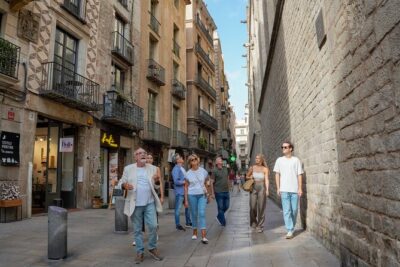
Barcelona Tapas and Wine Experience Small-Group Walking Tour
Read our review →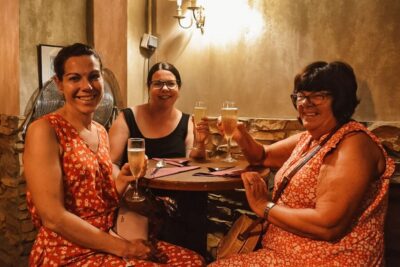
Tapas Walking Tour with Food, Wine, and History
Read our review →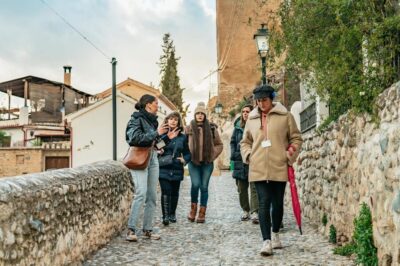
Albaicín and Sacromonte Guided Sunset Walking Tour
Read our review →
Toledo Tour & Vineyard Walk with Wine Tasting from Madrid
Read our review →
Madrid Walking Tour from Puerta del Sol to Retiro Park
Read our review →
Barcelona Tapas Walking Tour: Food, Wine & History
Read our review →
Madrid Old Town & Royal Palace Walking Tour Skip the Line Ticket
Read our review →
Browse the lists this tour appears in