
Reviewed · MUSEUMS
Santiago de Compostela Cathedral and Museum Guided Tour
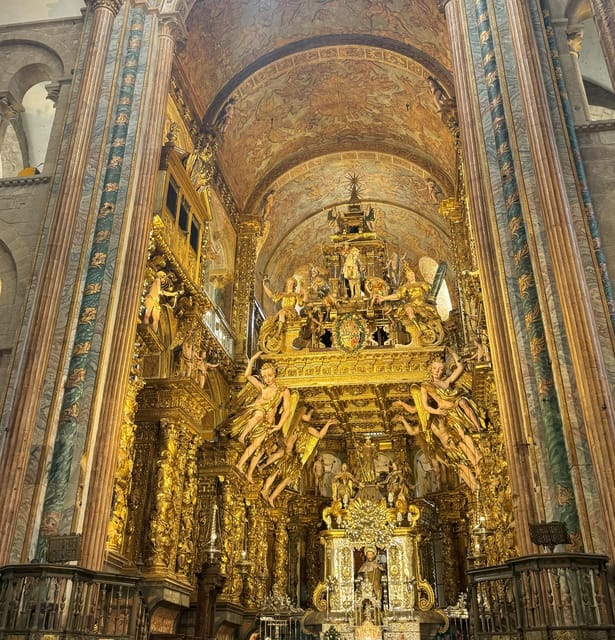
Santiago rewards visitors who slow down. This two-hour tour makes the cathedral easier to read, beginning with the Cathedral Museum before moving into the church itself. I like that order: the art and history have a chance to settle before you face the grand interior. I also like the chance to see Saint James the Great’s tomb, the crypt, chapels, Treasury, and Codex Calixtinus with a guide who can explain why they matter.
The main caution is scope. Two hours moves quickly through a major cathedral complex, and the meeting point can change with the option you book. Large backpacks are not allowed, and the tour is not suitable for wheelchair users. Still, at $29 per person, it offers solid value if you want context rather than a quick look inside.
In This Review
- Key points at a glance
- Why a guided visit helps inside Santiago Cathedral
- Starting at the Cathedral Museum
- Entering the cathedral and its restored interior
- Saint James’s tomb and the crypt
- Chapels, altar details, and sacred art
- Guide quality and language choice
- Two hours, small groups, and the $29 price
- Practical points before you go
- Who will enjoy this cathedral tour most?
- Should you book the Santiago Cathedral and Museum Guided Tour?
- FAQ
- How long does the Santiago Cathedral and Museum Guided Tour last?
- What is included in the price?
- Does the tour enter Santiago de Compostela Cathedral?
- Can I see Saint James the Great’s tomb?
- Is skip-the-line entry included?
- Which languages are available?
- Are small groups available?
- Can I bring a large backpack?
- Is the tour suitable for wheelchair users?
Key points at a glance
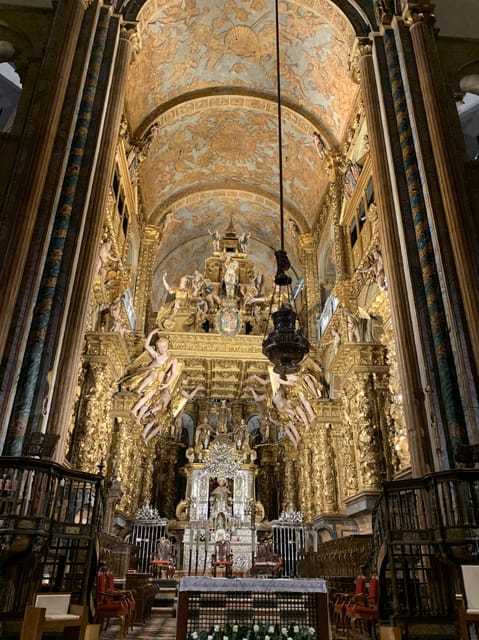
- The museum comes first: This gives you the background needed to understand the cathedral’s art, pilgrimage story, and major works.
- Saint James is central: You visit the apostle’s tomb and crypt, the spiritual focus of Santiago de Compostela.
- A separate entrance saves time: Skip-the-line access is included, though you should still confirm the meeting point before setting out.
- The guide makes the difference: Guides such as Carmen, Maria, Laura, Miriam, and Alberto have earned especially warm praise for clear explanations and lively storytelling.
- Several languages are offered: Tours run in English, Spanish, Italian, Portuguese, and French.
- Small groups may be available: This is worth choosing if you want more room for questions and better contact with the guide.
Why a guided visit helps inside Santiago Cathedral
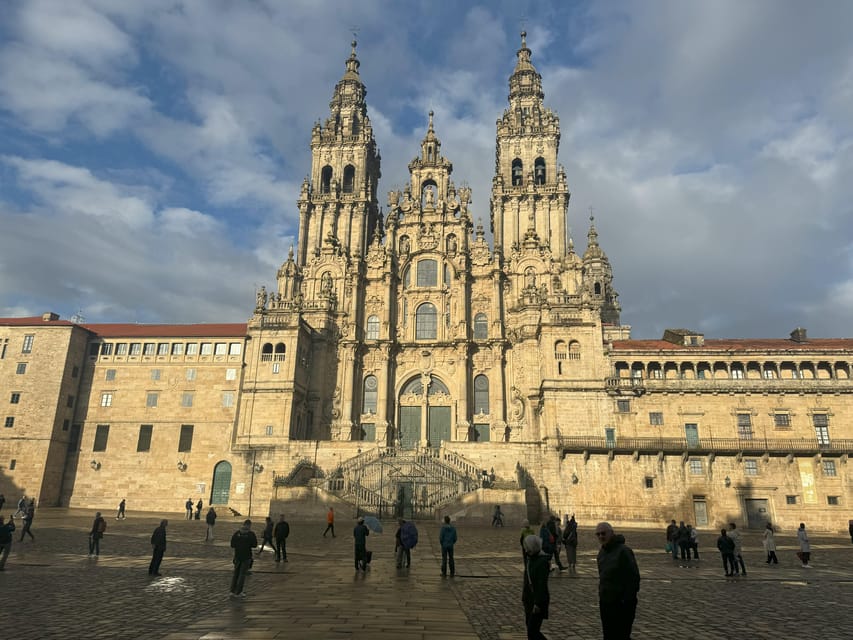
Santiago de Compostela Cathedral is not the sort of place you fully understand by wandering in for ten minutes. You can admire the stone, candles, chapels, and grand altar on your own, but the building carries layers of religious meaning, artistic change, and pilgrimage tradition that are easy to miss.
I find the guide most useful when the tour moves beyond simple dates and names. The best guides connect the cathedral to Santiago itself and explain why pilgrims have come here for centuries. That context turns a collection of chapels and artworks into a place with a clear purpose.
This tour is also useful if you are visiting Santiago for only a day. One earlier participant specifically found the historical explanation helpful for understanding the whole city. That is a good reason to book near the start of your stay, if your schedule allows. You can then use the rest of your time with a better sense of what you are seeing.
The experience has a strong record, with a 4.6 rating from 511 bookings. Praise is especially consistent for the guides’ clear English, personal manner, and ability to answer questions. Carmen receives repeated approval, while Maria, Laura, Miriam, Alberto, and Elena are also singled out for strong presentations.
More Museum Tours in Santiago De Compostela:
- Santiago: Cathedral & Museum Tour + Pórtico of Glory Option
★ 4.7 · 2,116 reviews - Santiago de Compostela: Cathedral, Museum, and Old Town Tour
★ 4.8 · 382 reviews - Madrid: Prado Museum Entry Ticket
★ 4.6 · 17,509 reviews
Starting at the Cathedral Museum
The tour begins at the Cathedral Museum. This is an important choice, not a warm-up to hurry through. The museum introduces the cathedral’s development and presents major examples of sacred art before you enter the church.
I like this approach because religious art can look decorative when you do not know what you are seeing. A guide with training in art history, such as Alberto or Elena, can point out what to notice in a painting, sculpture, manuscript, or architectural detail. One participant who had already visited the cathedral twice still learned new facts from a guided museum visit, which says something about how much detail is packed into the collection.
The museum also helps you see Santiago as more than a pilgrimage destination. You learn about the cultural and religious role of the city, along with the cathedral’s place in Spain. Guides are reported to explain both the art and the wider importance of the church, not simply recite labels.
The Codex Calixtinus is one of the listed highlights. Its presence gives the pilgrimage story a physical anchor. Rather than treating the Camino as a modern walking holiday alone, the tour places it within the long tradition connected with Santiago and Saint James.
Expect the museum portion to reward attention. If you normally walk past display cases, this is the point where I would slow down and ask questions. The guides are praised for handling questions well, and one participant noted that many visitors walked past important objects without understanding them.
Entering the cathedral and its restored interior
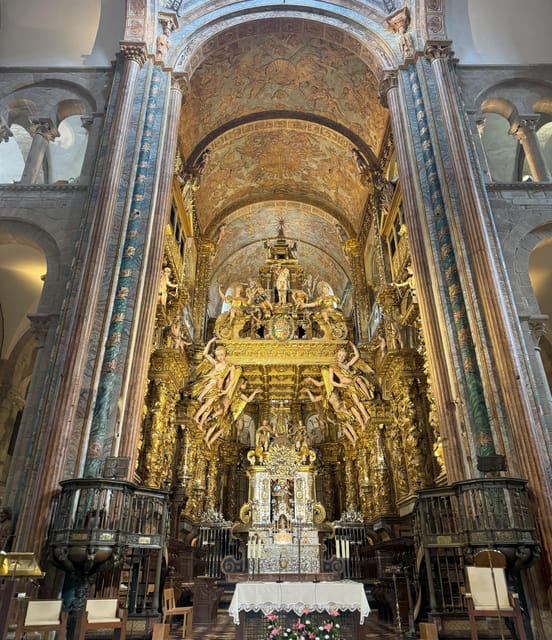
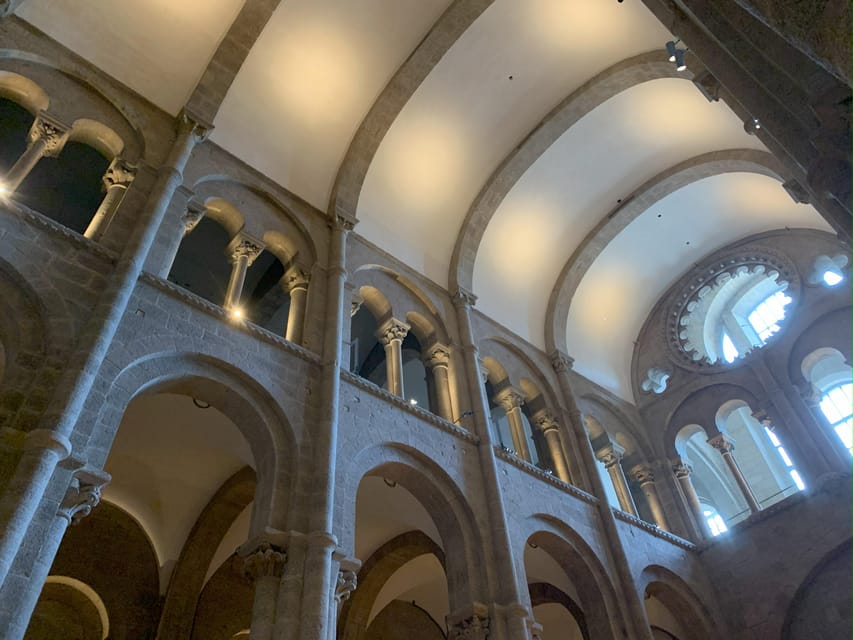
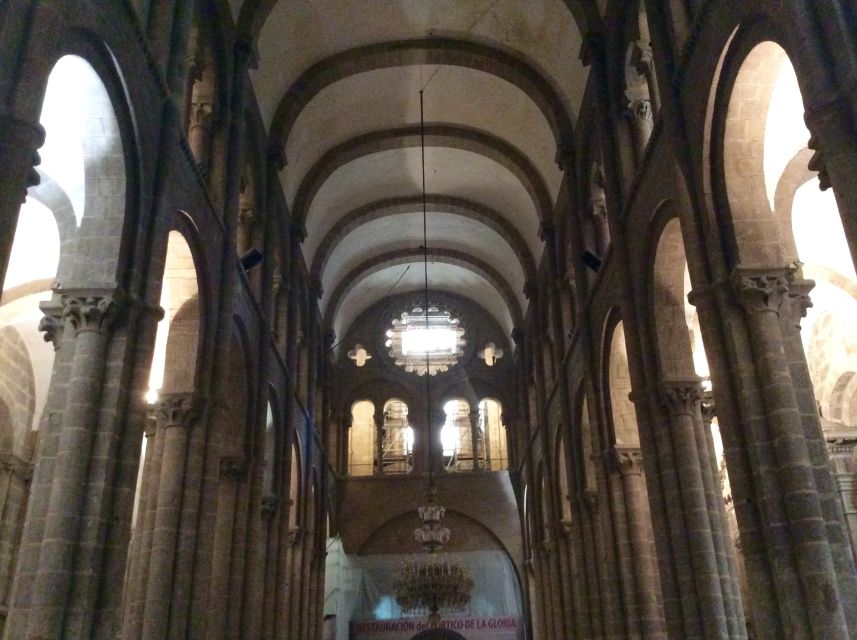
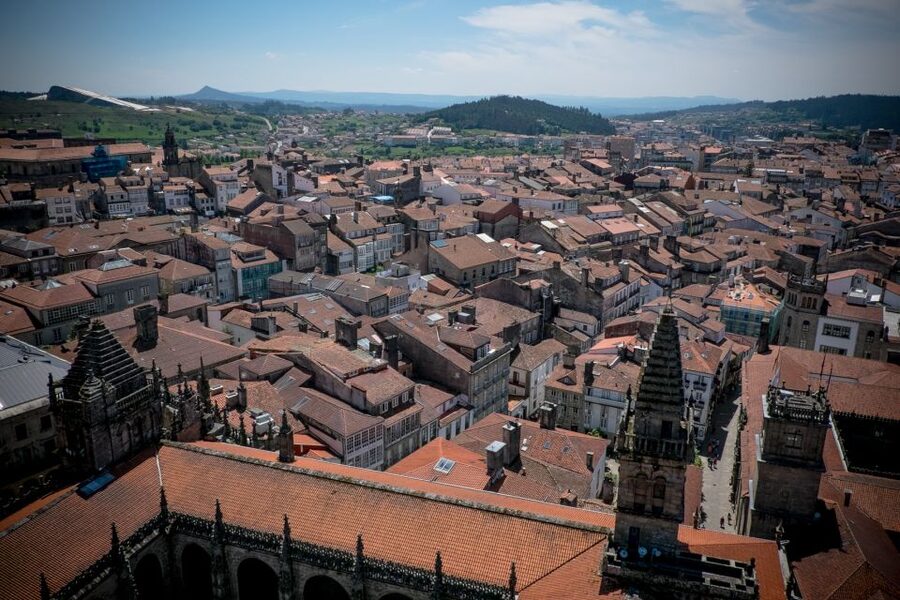
After the museum, the group enters Santiago Cathedral, which has also been recently restored. The building is the emotional center of the visit, and the tour lets you move through its naves and around the main altar rather than viewing the church as one giant room.
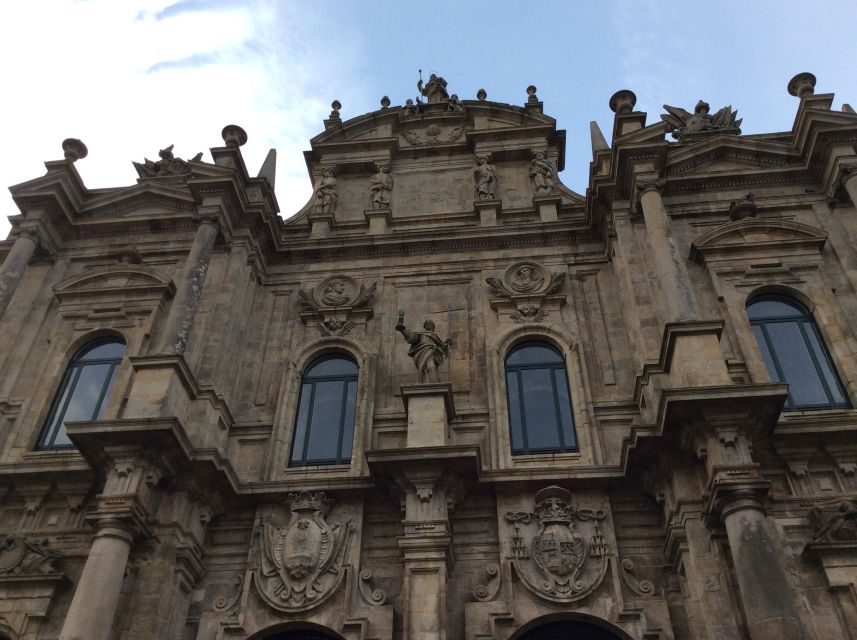
Restoration can affect what you see, and an earlier visit took place while work was in progress. That participant was still pleased with the museum and guide, but noted that the tour did not include a walk around the cathedral to study its symbolic facades. That is a useful limitation to keep in mind: the advertised route focuses on the museum and interior, not necessarily every exterior viewpoint or facade.
Inside, the guide helps you sort out the cathedral’s many visual distractions. You can expect attention to the decorative chapels around the main altar, the church’s architecture, sacred artworks, and the meaning of the spaces used by pilgrims. The recent restoration should make the interior easier to appreciate, though the exact appearance and access of particular areas can change.
A good guide also keeps the pace human. Ulisses praised Carmen for waiting so the group could keep up with both the visit and the history. That small detail matters in a building where it is easy to become separated or lose track of the explanation.
Saint James’s tomb and the crypt
The tomb of Saint James the Great is the spiritual core of Santiago Cathedral. You visit the crypt and see the burial site associated with the apostle, giving the cathedral’s name and pilgrimage role a clear focus.
This stop may matter most to people who have walked, plan to walk, or simply want to understand the Camino de Santiago. It also works for visitors with a general interest in Christianity, Spanish religious culture, or medieval pilgrimage. One participant who expected to know a fair amount about Christianity came away surprised by how much additional information the guide provided.
The guide’s role here is not just practical. The tomb can be visually modest compared with the cathedral’s larger artistic features, so the explanation supplies meaning that architecture alone cannot provide. You learn why pilgrims come, how Saint James relates to the city, and how the cathedral developed around that tradition.
Keep in mind that this is a working religious site, not only a museum piece. The atmosphere may feel more serious than a standard sightseeing stop. The tour is designed to explain the religious significance, so it suits you best if you are comfortable giving that part of the experience real attention.
A few more Santiago De Compostela ideas to compare
- From Santiago: Finisterre, Muxia & Costa da Morte Excursion
★ 4.7 · 1,481 reviews - Excursion to Finisterre + Muxia + Costa da Morte (7 stops)
★ 5.0 · 1,367 reviews - Finisterre and Costa da Morte: The Most Complete Tour of Santiago
★ 5.0 · 733 reviews - From Santiago: Finisterre, Muxia, Ézaro – 7 stops day tour
★ 4.6 · 553 reviews
Chapels, altar details, and sacred art
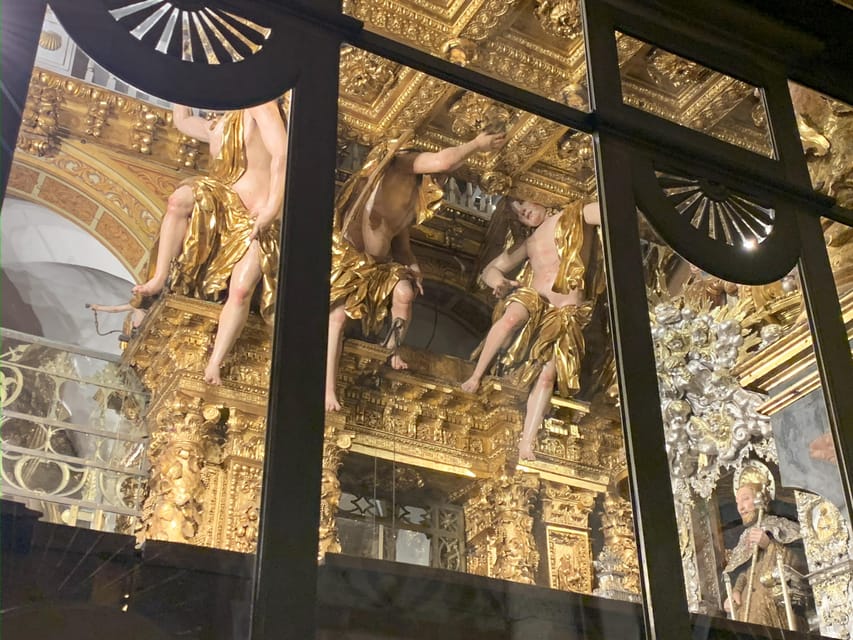
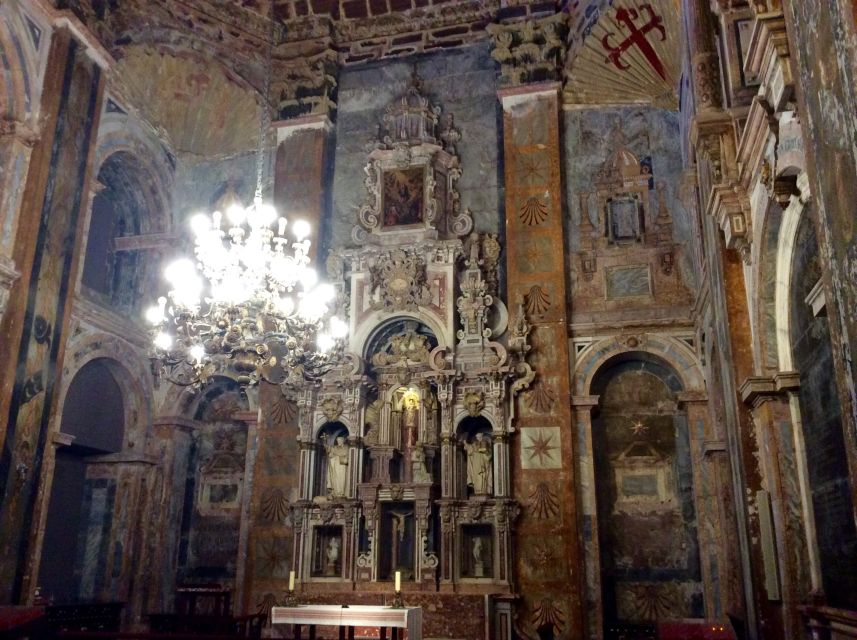
The chapels around the main altar provide some of the tour’s strongest visual moments. Rather than seeing only the center of the church, you get a closer look at the spaces surrounding it and the devotional art placed there.
I appreciate guided visits here because chapels often reward a pause but rarely explain themselves. A guide can draw your eye to symbols, artistic choices, and the relationship between the chapel and the cathedral’s larger purpose. Participants repeatedly praise the amount of information provided in both the museum and the church.
The Treasury and Chapter House are also included among the places described for the visit. These areas add variety after the broad scale of the nave and altar. You move from public worship space to rooms connected with the cathedral’s administration, art, and valuables.
The Botafumeiro is another listed feature. Its fame is tied to the image of Santiago as a major pilgrimage church, though the information provided does not promise that it will be operating during your tour. I would treat it as a feature you learn about or see, not as a guaranteed swinging performance.
The same applies to the balconies and cloister. The advertised description includes views from the balconies and exploration of the cloister, but access can depend on conditions and the option you select. If those areas are a priority, confirm the exact route when booking.
Guide quality and language choice
The clearest pattern in the tour’s feedback is the strength of the guides. Carmen is praised again and again for her history knowledge, professionalism, warmth, and ability to bring the museum and cathedral to life. Maria receives similar praise, including a Portuguese-language tour that was described as especially clear.
Laura is also remembered for making history fun, while Miriam is praised for interesting stories and excellent English. Alberto, described as a Spanish native and art history student, combined art, religion, and Spanish church culture in a way that even prompted one participant to consider walking the Camino.
That range matters because a cathedral tour can become dry if the guide only lists facts. The strongest comments focus on humor, passion, patience, and good answers to questions. Elena, who had walked as a pilgrim herself, was especially appreciated for her connection to the city and its history.
You can book in English, Spanish, Italian, Portuguese, or French. Language ability is not identical across every guide, so if precise English or Portuguese matters to you, select your language carefully and confirm it in the booking details. One booking had a small complication because additions to the tour were not communicated properly to the guide. It did not ruin the visit, but it shows why you should make sure your reservation details are correct.
Two hours, small groups, and the $29 price
At $29, this is a reasonable buy for the access and explanation included. You receive a guided visit lasting two hours, admission to the Cathedral Museum, and entry to the cathedral. The separate entrance can save time, which is valuable in Santiago when your day is built around meals, wandering, or a fixed departure.
The price makes the most sense if you care about art, religious history, or the Camino. If you only want a quick photograph inside the cathedral, a guided tour may feel like more than you need. You are paying less for the act of entering than for the guide’s ability to explain what you are looking at.
A small group is available, which I would choose if the price difference is modest. Smaller groups make it easier to hear in a large stone interior and easier to ask about details in the museum. They also help the guide keep everyone together, particularly during movement between rooms, chapels, and the cathedral.
The two-hour length is well judged for a first visit, but it is not enough for a leisurely study of every object. You will need to accept a steady pace. If you are an art specialist or a serious church historian, you may want extra time on your own after the tour.
Practical points before you go
The meeting point may vary by booking option, so check it carefully before leaving for the cathedral. Do not rely only on the general address of Santiago Cathedral.
Large backpacks are not allowed. Bring a small bag if you need essentials, and avoid arriving with luggage that could slow down entry.
The tour is not suitable for wheelchair users. This is an important restriction, not a minor footnote, so check the route and access conditions before reserving.
You can cancel up to 24 hours before the activity for a full refund. The reserve-now, pay-later option also gives you flexibility if your Santiago plans are still shifting.
Because the cathedral is an active religious place, dress and behavior should remain respectful. The provided information does not list a formal dress code, but you should expect the setting to call for quiet attention, especially around the tomb and chapels.
Who will enjoy this cathedral tour most?
I would recommend it to first-time visitors who want a clear introduction to Santiago. It is also a strong choice if you have only one day in the city, since the guide gives you a useful framework for understanding both the cathedral and the pilgrimage tradition.
Art lovers will benefit from the museum-first format. So will anyone who has visited before but felt they missed the meaning behind the objects. The repeated praise for detailed explanations suggests that this is not just a basic orientation walk.
Pilgrims and future Camino walkers should find the tomb, crypt, Codex Calixtinus, and religious context especially worthwhile. The experience can help you understand why Santiago is the destination at the end of the route.
I would be less enthusiastic if your main goal is exterior architecture. One past participant specifically wished for more attention to the symbolic facades, and the tour’s emphasis is clearly on the museum and interior. I would also hesitate if you need wheelchair access or plan to carry a large backpack.
Should you book the Santiago Cathedral and Museum Guided Tour?
Yes, if you want the cathedral to make sense rather than simply look impressive. For $29, the museum admission, cathedral access, separate entrance, and two hours with a live guide form a fair package.
Book it for the explanation, not just the queue benefit. Carmen, Maria, Laura, Miriam, Alberto, and Elena are all praised for making the art, faith, city, and pilgrimage story easier to understand. Confirm your meeting point, language, and exact route, then arrive with a small bag and enough curiosity to ask questions.
Skip it only if you prefer to wander silently, need wheelchair access, or care mainly about the cathedral facades and exterior views. For most first-time visitors, this is a practical way to meet Santiago’s central sight with more understanding and less guesswork.
FAQ
How long does the Santiago Cathedral and Museum Guided Tour last?
The tour lasts two hours.
What is included in the price?
The price includes a guided tour and an entrance ticket to the Cathedral Museum.
Does the tour enter Santiago de Compostela Cathedral?
Yes. The visit begins at the Cathedral Museum and then enters the cathedral.
Can I see Saint James the Great’s tomb?
Yes. The itinerary includes the tomb of Saint James the Great and the cathedral crypt.
Is skip-the-line entry included?
Yes. The activity offers access through a separate entrance.
Which languages are available?
Guided tours are available in English, Spanish, Italian, Portuguese, and French.
Are small groups available?
Yes. A small-group option is available.
Can I bring a large backpack?
No. Large backpacks are not allowed.
Is the tour suitable for wheelchair users?
No. The activity is listed as not suitable for wheelchair users.
Recently listed in Santiago De Compostela
- Santiago de Compostela: Cathedral, Museum, and Old Town Tour★ 4.8 · 382 reviews
- Santiago de Compostela: Finisterre, Muxia & Costa da Morte★ 4.7 · 526 reviews
- Santiago de Compostela: Massage Treatment★ 4.8 · 170 reviews
- Santiago: Guided Foodie Tour with Drinks, Tapas & Live Music★ 4.7 · 153 reviews
- Santiago Complete Tour: City, Portico and Cathedral Tickets★ 4.7 · 108 reviews
- From Santiago: Rías Baixas Galicia Seafood & Wine Day Tour★ 4.6 · 209 reviews
- Old town walking tour in a small group★ 4.8 · 149 reviews
- From Santiago: Finisterre, Muxia, Ézaro – 7 stops day tour★ 4.6 · 553 reviews
Museums, compared.

FC Barcelona Museum “Barça Immersive Tour” Ticket
Read our review →
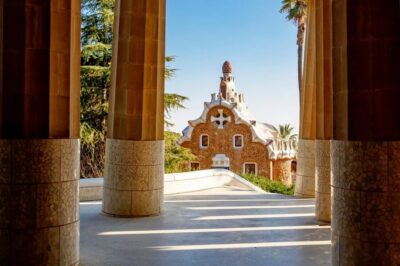
Park Güell and Gaudí House Museum Entry Ticket
Read our review →
Puro Flamenco Show with Optional Museum Ticket
Read our review →
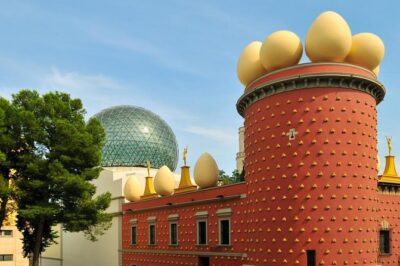
Girona & Dali Museum Small Group Tour with Pick-up from Barcelona
Read our review →
Oceanogràfic, Hemisfèric & Science Museum Combo
Read our review →Browse the lists this tour appears in