
Reviewed · SANTIAGO DE COMPOSTELA TOURS
Santiago de Compostela: Finisterre, Muxía & Costa da Morte
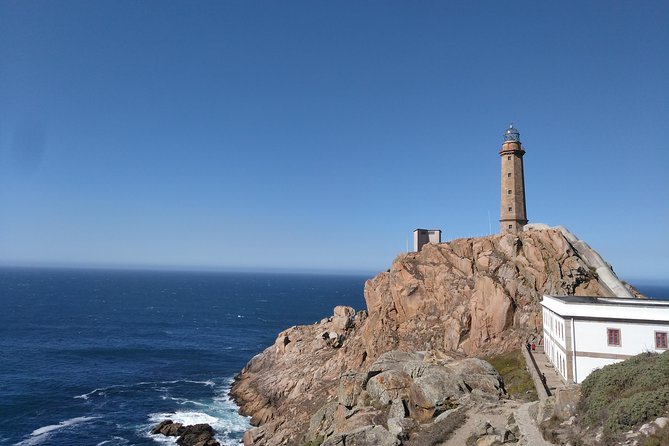
The Atlantic edge feels close here. This full-day trip from Santiago de Compostela links Cape Finisterre and Muxía with fishing villages, a waterfall, an old stone bridge, and dramatic coastal views. I like the variety, and I like the comfortable air-conditioned coach, especially after walking the Camino. The main trade-off is simple: nine hours is a long day, and some stops feel brief.
The tour costs $59.28 per person, which is strong value if you want to see Galicia’s western coast without renting a car or arranging several buses. Guides such as Dani, Andrea, Christian, Reuben, and Nagore have earned warm praise for their care and explanations, though the quality of commentary can vary. Lunch is not included, so you will need to choose and pay for your own meal in Fisterra.
In This Review
- Key points to know before booking
- Why this coast makes a fine day from Santiago
- Ponte Maceira, an old bridge over the Tambre
- Muros brings you into a working fishing town
- Ézaro Waterfall is dramatic, but brief
- Cape Finisterre reaches the old end of the world
- Fisterra village gives you time for lunch
- Muxía is the day’s strongest coastal stop
- What the guide and bus add to the day
- Is $59.28 a fair price?
- Who should book this Costa da Morte trip?
- Should you book it?
- FAQ
- Where does the tour begin and end?
- What time does the tour start?
- How long does the tour last?
- Is lunch included?
- Is the tour offered in English?
- How many people can join the tour?
- What happens if the tour is canceled because of weather?
Key points to know before booking
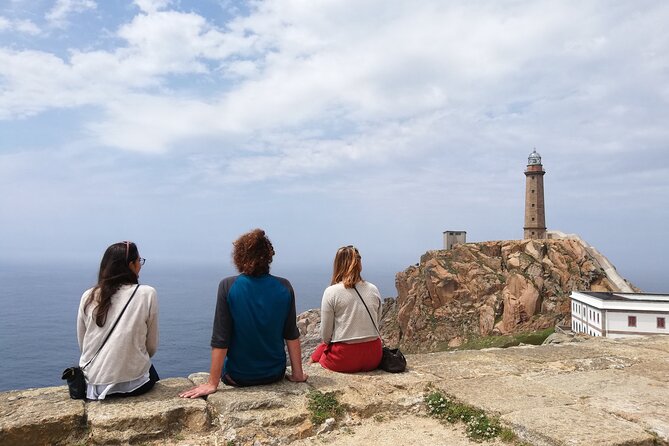
- A post-Camino-friendly outing: You see Finisterre and Muxía with limited walking and no need to organize complicated coastal transport.
- Six varied stops: The day mixes villages, a medieval bridge, a waterfall, a lighthouse, a fishing port, and sacred coastal sites.
- The best stops are likely Fisterra and Muxía: Fisterra brings the famous end-of-the-world setting, while Muxía offers crashing waves, unusual rocks, and the Sanctuary of the Boat.
- A busy but efficient schedule: You have about 25 to 90 minutes at each stop, enough for a look around but not a slow, lingering visit.
- Bilingual guiding can affect the pace: Information is generally given in Spanish and English, sometimes in additional languages, so explanations may feel quick.
- Good value at $59.28: Transport, the driver, and the guide are included, while meals and personal purchases are not.
Why this coast makes a fine day from Santiago
Santiago de Compostela is famous for its cathedral and pilgrim route, but Galicia’s western edge gives the journey a different mood. Here, the focus shifts from stone lanes and religious monuments to fishing ports, sea cliffs, granite rocks, and Atlantic weather.
The traditional Camino extension to Finisterre adds about 98 kilometers from Santiago. If your feet are tired, this bus tour gives you the feeling of reaching that famous endpoint without walking the extra days. That makes it especially useful after completing the Camino, when you may want one final outing but not another long march.
The route also works well if your time in Santiago is limited. In about nine hours, you see several parts of the Costa da Morte, or Coast of Death, a name linked to the area’s rough seas and maritime dangers. You will not explore every village in depth, but you will get a broad and memorable look at this corner of Galicia.
The bus leaves at 9:00 a.m. from Toxo Travel at Rúa dos Bautizados, 12. The activity returns to the same meeting point. Most people can take part, service animals are allowed, and the group can reach up to 50 people, although some departures may feel smaller. One account described a group of about 15, while another described a coach holding roughly 55, so the atmosphere may depend on the date.
A few more Santiago de Compostela ideas to compare
- Santiago: Cathedral & Museum Tour + Pórtico of Glory Option
★ 4.7 · 2,116 reviews - From Santiago: Finisterre, Muxia & Costa da Morte Excursion
★ 4.7 · 1,481 reviews - Excursion to Finisterre + Muxia + Costa da Morte (7 stops)
★ 5.0 · 1,367 reviews
Ponte Maceira, an old bridge over the Tambre
Ponte Maceira is the first stop, with about 25 minutes to look around. Its main feature is the 14th-century bridge over the Tambre River, set among old mills, cobbled streets, and green countryside.
This is a pleasant introduction to rural Galicia. The bridge is more than a photo stop. It shows how old roads, water power, and small settlements fit together in a compact village. The medieval mills add another layer, giving you something to notice beyond the usual stone architecture.
The limitation is time. Twenty-five minutes allows for photographs and a short walk, but not a slow exploration of every lane or a relaxed coffee. One practical advantage is that admission is free, as it is at every listed stop.
Some people may find this the least essential stop, especially if their main goal is Finisterre. I still like having it at the beginning because it breaks up the drive and introduces a quieter, inland side of Galicia before the coast takes over.
Muros brings you into a working fishing town
The coach continues to Muros, where you have roughly 30 minutes. This is a beautiful fishing village with a 16th-century historic center and a port where the maritime character is easy to see.
Use your time here for a short walk rather than trying to cover the whole town. The old center has cobbled streets and stone buildings, while the port gives you a more direct sense of local life. If the weather is good, the contrast between the sheltered harbor and the open Atlantic is part of the appeal.
Thirty minutes goes quickly. You may have to choose between the old streets and the waterfront, particularly if you want photographs or a drink. Still, the stop adds variety and helps explain that this coast is not only about dramatic viewpoints. It is also a place of fishing, small towns, and everyday work by the sea.
Ézaro Waterfall is dramatic, but brief
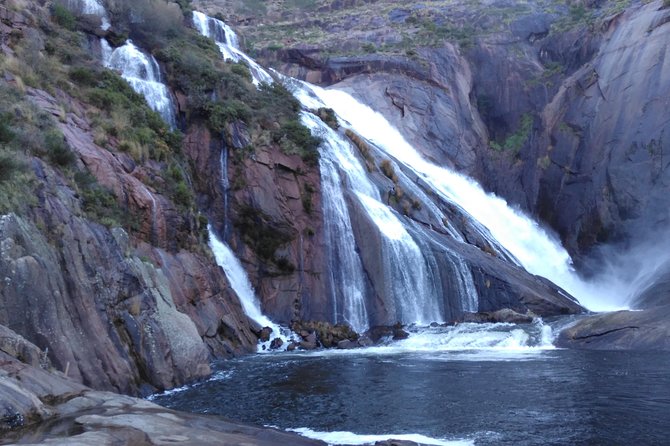
At Fervenza de Ézaro, the Xallas River drops roughly 40 meters into the sea after running along the foothills of Monte Pindo. The stop lasts about 30 minutes.
This is one of the more unusual sights on the route. A river reaching the ocean by falling directly from a height is visually striking, and the setting around Monte Pindo gives the stop a rugged feel. You get a break from villages and religious sites, with water and granite taking center stage.
The stop is short, so expect a viewing opportunity rather than a long walk or a nature outing. One detailed account felt this stop could have been shortened to allow more time elsewhere. I can understand that view if your priority is Fisterra or Muxía, but the waterfall is on the way and gives the day a useful change of pace.
Bring your phone or a spare battery if you want photographs throughout the day. The lighthouse, rocks, waves, villages, and waterfall can use up a surprising amount of power.
Same base, a different kind of afternoon:
- Finisterre and Costa da Morte: The Most Complete Tour of Santiago
★ 5.0 · 733 reviews - From Santiago: Finisterre, Muxia, Ézaro – 7 stops day tour
★ 4.6 · 553 reviews - Santiago de Compostela: Finisterre, Muxia & Costa da Morte
★ 4.7 · 526 reviews - Santiago de Compostela Cathedral and Museum Guided Tour
★ 4.6 · 511 reviews
Cape Finisterre reaches the old end of the world
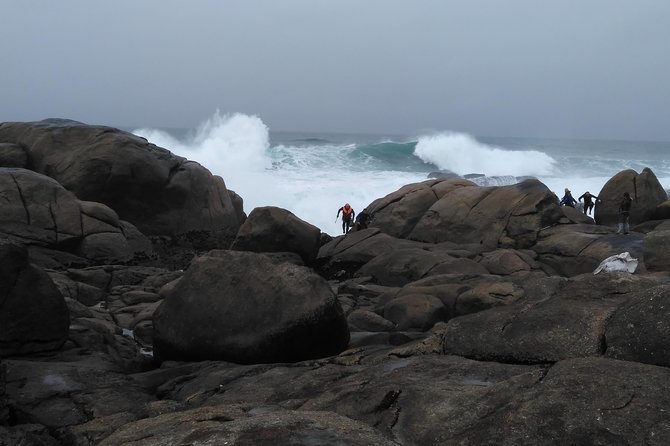
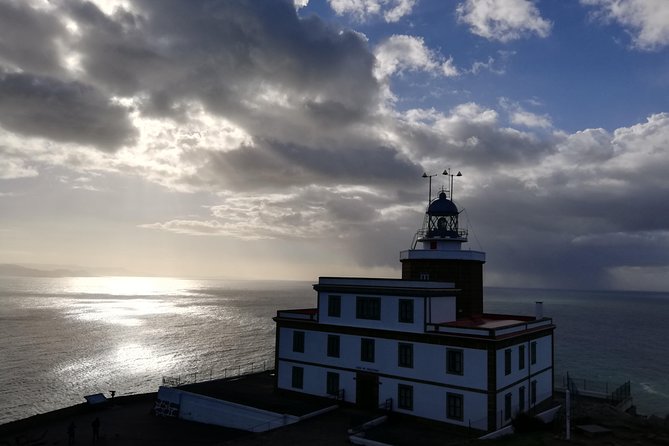
The lighthouse at Faro de Fisterra is the emotional center of the day for many people. You have about 40 minutes near the cape, where the views open toward the Ría de Corcubión and the Carnota Coast.
Ancient Greeks and Romans regarded this western point as the end of the known world. Later, pilgrims extended their Camino from Santiago to this coast, giving Fisterra an enduring place in pilgrimage culture. The location carries religious, maritime, and pagan traditions at the same time, which helps explain why it feels more meaningful than an ordinary lookout.
Look toward the water and the granite mass of Monte Pindo. On a clear day, the scale of the coast is the main reward. On a rainy or foggy day, visibility may be poor, but the weather itself is part of Galicia’s Atlantic character. The operator can cancel if conditions are unsuitable, with a different date or full refund offered, but ordinary cloud or rain can still affect your view.
Forty minutes is enough to reach the main viewpoint, take photographs, and hear the guide’s explanation. It is not enough for a long walk around the cape. If you have just finished the Camino, this stop may feel like a proper closing point even though the tour continues.
Fisterra village gives you time for lunch
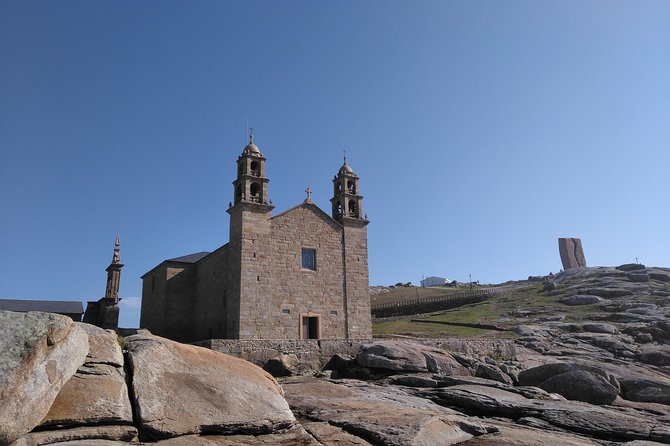
The coach then reaches the town of Fisterra, where you have about an hour and a half. This is the longest break of the day and your chance to explore the fishing port, wander through narrow lanes, and eat lunch.
Because lunch is not included, you can choose your own restaurant and control your budget. That freedom is useful, but do not assume the guide’s suggestion will suit you. One meal recommendation, La Fortuna, received criticism for a €20 pilgrim-style menu that did not include bread or drinks and was considered disappointing. Another account praised a lunch stop for excellent, fresh seafood.
The practical lesson is to look at the menu before sitting down. Fisterra is a sensible place to order seafood, but you should confirm what the set price includes. If you prefer a lighter meal, the break may also be enough for a simple snack and a walk around the harbor.
Ninety minutes gives you more breathing room than the other stops. You can eat without rushing, though a busy group may still need to watch the meeting time. This is also where the tour feels least structured, since you are free to decide how to spend the break.
Muxía is the day’s strongest coastal stop
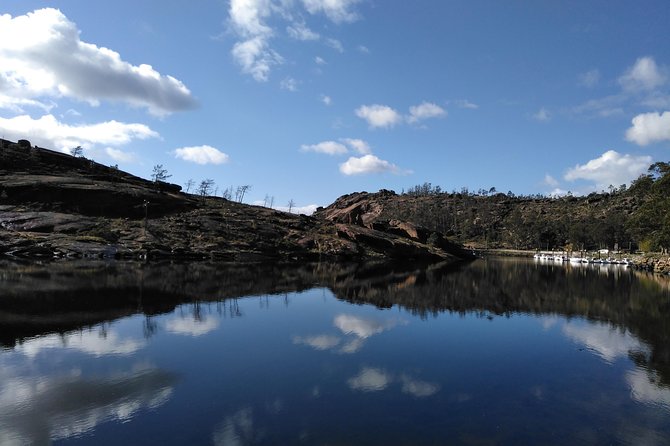
Muxía comes later, with about 30 minutes to explore. For me, this is likely the most memorable stop because the setting combines the sea, large granite rocks, pilgrimage tradition, and wide views.
The Sanctuary of the Boat sits by the water, surrounded by stones with their own names and legends: the Pedra de Abalar, the Pedra dos Cadrís, and the Piedra del Timón. These rocks connect local Christian traditions with older beliefs about the power of the sea and stone.
A short path leads toward the top of Monte Corpiño. From there, you may see the estuary, Cabo Vilán, the beaches of Leis and Lago, and Monte Facho. With only 30 minutes, you will need to keep moving if you want both the sanctuary and the viewpoint. Wear shoes you can walk in comfortably, even though this is not a strenuous hiking trip.
Muxía can feel more atmospheric than Fisterra. Finisterre has the famous name and the lighthouse, while Muxía offers a more intimate meeting of pilgrimage and Atlantic rock. Several people who especially enjoyed the tour singled out Muxía and its waves and stone formations.
What the guide and bus add to the day
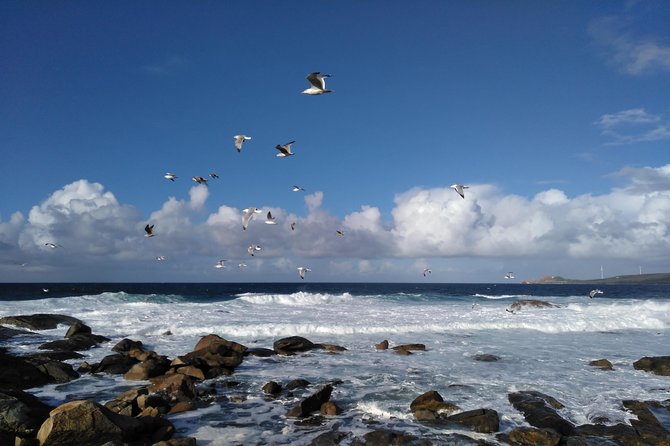
The air-conditioned vehicle is an important part of the value. The route covers a lot of ground on curving coastal roads, and several people praised the driver’s careful handling. One particularly useful detail was the driver’s ability to manage narrow, winding roads without making the ride feel unsafe.
The bus also gives you a place to rest between stops. This matters after the Camino, when a full day on your feet may not sound appealing. You can use the journey to nap, read, or simply watch Galicia pass by.
Guiding is usually bilingual in Spanish and English. Guides named Dani, Andrea, Christian, Reuben, and Nagore were all praised for clear explanations, friendly help, or strong organization. Andrea was noted for making the tour accessible in both languages, while Nagore was praised for speaking clear, careful English.
The experience is not perfectly consistent. One departure suffered from a faulty microphone, and the guide had to repeat information in several languages. That can make the ride feel slow and make commentary hard to hear. A few people also found the narration too fast or too rehearsed. If the microphone fails, sit near the guide if possible and ask for clarification at a stop.
Is $59.28 a fair price?
At $59.28, the tour offers good value for a full day of transport through places that are awkward to connect by public transportation. You are paying for the coach, driver, guide, and route planning. Admission is free at each stop, but that does not mean the day is cost-free, since lunch and drinks are extra.
The price is strongest if you have only one spare day in Santiago. Renting a car could offer more freedom, but it would also require driving unfamiliar roads, finding parking, and planning the sequence yourself. The tour removes those chores and lets you see six distinct places in one outing.
The price is less attractive if you want slow travel. This is a route of timed visits, not a relaxed stay in one coastal village. You are buying breadth rather than depth.
The tour has a 4.8 rating from 235 submitted ratings, with 96 percent recommending it. That points to a dependable experience, but you should still allow for normal group-tour limits: fixed departure times, bilingual narration, and short visits.
Who should book this Costa da Morte trip?
I would choose this tour if you have an extra day in Santiago and want to reach the Atlantic coast without handling the transport yourself. It is especially well suited to people finishing the Camino who want to visit Finisterre and Muxía with little walking.
It also suits photographers, first-time visitors to Galicia, and anyone who values variety. You will see old stonework, village streets, a working port, a waterfall, a lighthouse, a sanctuary, and enormous coastal rocks in one day.
I would hesitate if you dislike coach tours, need long quiet meals, or want to spend half a day at one site. The nine-hour schedule is full, and the bilingual commentary may not move at the same speed as a private tour.
The tour starts at 9:00 a.m. and returns to Toxo Travel in Santiago. Confirmation is provided when you book. Free cancellation is available until 24 hours before the start time, but cancellations or changes inside that window are not accepted for a refund. The activity also needs a minimum number of participants and suitable weather.
Should you book it?
Book it if your aim is to see Finisterre, Muxía, and the Costa da Morte efficiently, especially after the Camino. The strongest reasons are the fair price, comfortable coach, careful drivers, and the chance to cover far more coastline than you could manage easily on your own in one day.
Before you go, plan your lunch, charge your phone, and accept that the schedule will feel busy. If you want a broad first look at Galicia’s Atlantic edge, this is a smart use of one day in Santiago. If Muxía and Fisterra are your only priorities, a shorter outing may give you more time to enjoy them without tiring yourself out.
FAQ
Where does the tour begin and end?
It begins at Toxo Travel, Rúa dos Bautizados, 12, 15702 Santiago de Compostela, A Coruña, Spain. The activity ends back at the same meeting point.
What time does the tour start?
The scheduled start time is 9:00 a.m.
How long does the tour last?
The tour lasts approximately nine hours.
Is lunch included?
No. Lunch is not included, so you pay for your own meal in Fisterra.
Is the tour offered in English?
Yes. The experience is offered in English, and guiding may also be given in Spanish and other languages during the day.
How many people can join the tour?
The maximum group size is 50 people. The size can vary by departure.
What happens if the tour is canceled because of weather?
If poor weather causes a cancellation, you can choose a different date or receive a full refund. Free cancellation is also available if you cancel at least 24 hours before the start time.
Recently listed in Santiago de Compostela
- Tapas Tour of Santiago de Compostela★ 4.5 · 191 reviews
- Guided tour of Bodegas Granbazán★ 5.0 · 101 reviews
- From Santiago: Lugo & Cathedrals Beach Guided Excursion★ 4.5 · 174 reviews
- Masaje del Peregrino★ 5.0 · 243 reviews
- Private tours Santiago de Compostela : choose your option★ 5.0 · 120 reviews
- Visit to the Cathedral of Santiago + Portico de la Gloria Option★ 4.5 · 503 reviews
- Guided Tour Historic Town in small group★ 5.0 · 113 reviews
- Excursion From Santiago to: Lugo, Catedrais Beach and Asturias★ 5.0 · 158 reviews
Santiago de Compostela Tours, compared.
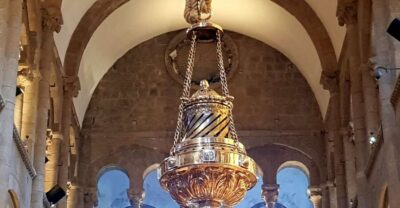
Santiago: Cathedral & Museum Tour + Pórtico of Glory Option
Read our review →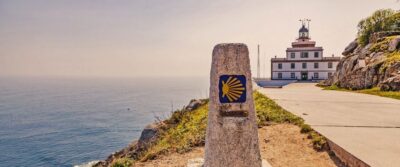
From Santiago: Finisterre, Muxia & Costa da Morte Excursion
Read our review →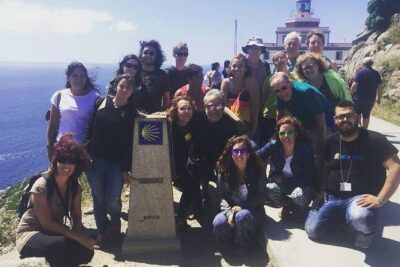
Excursion to Finisterre + Muxia + Costa da Morte (7 stops)
Read our review →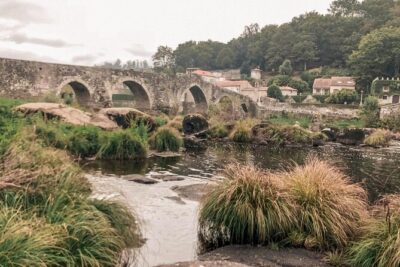
Finisterre and Costa da Morte: The Most Complete Tour of Santiago
Read our review →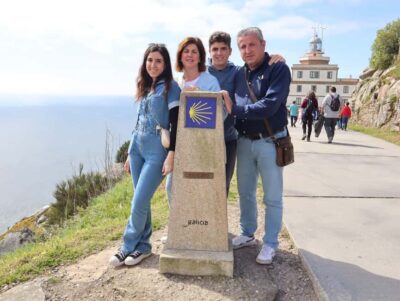
From Santiago: Finisterre, Muxia, Ézaro – 7 stops day tour
Read our review →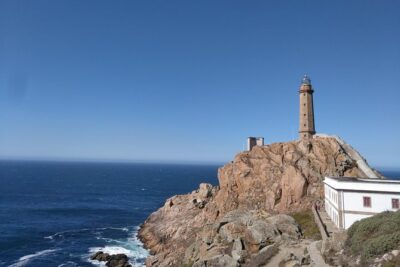
Santiago de Compostela: Finisterre, Muxia & Costa da Morte
Read our review →
Santiago de Compostela Cathedral and Museum Guided Tour
Read our review →
Visit to the Cathedral of Santiago + Portico de la Gloria Option
Read our review →Browse the lists this tour appears in