
Reviewed · SPAIN
Whalewatching La Gomera
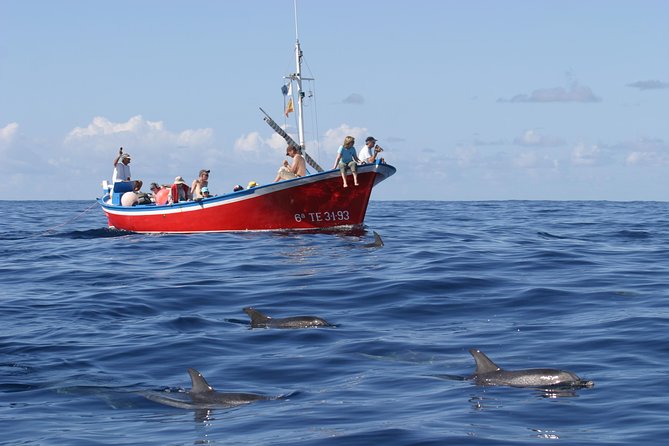
Whales do not follow a timetable. That is part of the appeal of this small-group whale-watching trip from Valle Gran Rey, where you head out from the harbor of Vueltas on a traditional Canarian fishing boat and search the open water southwest of La Gomera. The boat carries no more than 10 people, so the outing feels calm and personal rather than like a crowded harbor cruise.
I like the chance to learn about whale and dolphin behavior from a guide who speaks English, German, and Spanish. I also like the operators’ respectful approach to wildlife, plus the reported sighting rate of about 90 percent. The main drawback is comfort: this is a working-style fishing boat, not a polished sightseeing vessel, and one guest specifically found the lack of a roof and drinking water inconvenient.
In This Review
- Key points at a glance
- Leaving Vueltas Harbor for the Atlantic
- Searching for whales and dolphins southwest of La Gomera
- Why the guide makes a difference
- A respectful way to watch wild animals
- The boat ride and comfort level
- What the €50 range price gets you
- Timing, meeting point, and one detail to verify
- Who will enjoy this La Gomera boat trip?
- Should you book Whalewatching La Gomera?
- FAQ
- How long does the whale-watching tour last?
- How many people can join the boat?
- What animals might I see?
- Is the tour available in English?
- Is hotel transportation included?
- Can I swim during the tour?
- What happens if bad weather cancels the trip?
Key points at a glance
- Small boat, maximum 10 people: You get more room to watch the sea and fewer people blocking your view.
- Three to four hours on the water: The crew has time to search properly rather than rushing back after a quick sighting.
- Wildlife varies from trip to trip: Possible sightings include dolphins, pilot whales, other whales, turtles, and occasionally sharks.
- Guides add real value: The tour includes explanations of marine mammal behavior and physiology in English, German, or Spanish.
- Bathing stop in summer: You can request a swim stop during summertime, depending on conditions and the day’s plan.
- Basic boat comfort: Bring protection from the sun and plan for an open, simple vessel.
Leaving Vueltas Harbor for the Atlantic
The experience begins at the harbor of Vueltas in Valle Gran Rey, on the southwest side of La Gomera. From there, the boat heads out into the ocean, generally two to three nautical miles from the island’s coast, according to the information shared during the outings.
This start is appealing because you are not simply being carried from one port to another. The sea itself becomes the main event almost at once. You watch the coast recede, scan the surface for a blow or fin, and settle into the slower rhythm that whale watching requires.
The boat is described as a traditional Canarian fishing boat. That gives the trip a local character you will not get from a large, purpose-built excursion vessel. It also means you should set your expectations correctly. You are choosing a small, close-to-the-water experience over a covered cabin, rows of seats, or resort-style service.
The group limit of 10 is one of the strongest features. On a small boat, that number makes a real difference. You can shift your view, listen to the guide, and watch the water without dealing with a large crowd. It also gives the crew a better chance to explain what you are seeing and answer questions.
The tradeoff is exposure. One person found the lack of a roof uncomfortable and noted that water was not provided. I would bring a hat, sunscreen, sunglasses, and a light layer, even on a warm day. The ocean can feel cooler and windier than the harbor, and the boat offers limited shelter.
More things to book in Spain:
- Barcelona: Sagrada Familia Entry Ticket with Audio Guide
★ 4.6 · 105,312 reviews - Barcelona: Park Güell Admission Ticket
★ 4.4 · 76,534 reviews - Seville: Royal Alcázar Entry Ticket
★ 4.6 · 28,378 reviews
Searching for whales and dolphins southwest of La Gomera
The core of the trip lasts three to four hours. That length matters because marine wildlife does not gather at a fixed viewing platform. The crew needs time to move through likely areas, slow down, watch, and wait.
You might see dolphins traveling beside or ahead of the boat. On one outing, spotted dolphins and bottlenose dolphins were seen, with the animals swimming beside the boat for more than an hour. That kind of encounter can be more rewarding than a brief leap, since you have time to watch how the pod moves and interacts.
Pilot whales are another possible sighting. One especially memorable trip included a pilot whale with a very young calf. Other outings produced several whales, dolphins, and sea turtles. A small shark was also seen on one trip, while another outing included three turtles.
Still, you should not book this expecting a guaranteed close encounter. The stated sighting rate is about 90 percent, but that does not mean you will see every species, or that every sighting will be near the boat. One outing produced several dolphins, one whale, and a small shark. On another, the guide spotted a whale’s blow, but the whale itself did not come into clear view.
That uncertainty is not a flaw in the tour. It is simply the nature of watching wild animals. I would treat the search as part of the experience. The quiet stretches give you time to study the ocean, watch seabirds if they appear, and learn how the guide reads the water.
Why the guide makes a difference
A whale-watching boat can be little more than a platform for taking photographs. Here, the guide is meant to explain what you are seeing and why the animals behave as they do.
The tour includes information about the physiology and behavior of whales and dolphins. That turns a distant fin or brief blow into something more meaningful. You learn to pay attention to movement, breathing, social behavior, and the difference between species rather than simply waiting for a dramatic jump.
Several guides have been praised by name. Melanie is described as warm, enthusiastic, and highly engaged with the sea. Nicole has also been singled out for her respectful approach to whales and dolphins, while Carmen and skipper Noel were praised for their friendly hosting and care during the trip.
The language arrangement is practical. The guide may speak English, German, and Spanish, and the activity can be operated by a multilingual guide. You should still confirm your preferred language when booking, since the exact guide can vary.
The crew’s attitude toward wildlife is especially important. The trip is presented as an observation experience rather than a chase. One outing even prompted a discussion about how ferry traffic affects whales. That sort of context gives the trip a conservation angle without turning it into a lecture.
A respectful way to watch wild animals
Small boats can get close to wildlife, which is both their strength and their responsibility. The best part of this experience is that the close view is paired with a stated effort to respect the animals.
You may see dolphins riding near the boat or whales surfacing within sight. The point is not to force the animals to perform. The crew watches, waits, and allows the wildlife to determine the encounter.
That approach also explains why the boat may spend extra time searching. On one trip, the crew stayed out longer because it took more time to locate a family of whales. They did not simply turn around when the search became difficult.
This flexibility is valuable, but you should not assume that every departure will run overtime. The advertised duration remains approximately three to four hours. Weather, sea conditions, wildlife activity, and the needs of the animals can all affect the exact pace.
For anyone concerned about responsible whale watching, this is one of the tour’s strongest selling points. The experience is not only about collecting a photograph. It encourages you to notice the animals in their setting and understand the pressures they face.
Same base, a different kind of afternoon:
- Barcelona: Casa Batlló Entry with Self-Audioguide Tour
★ 4.7 · 25,359 reviews - Seville: Cathedral and La Giralda Entry Ticket
★ 4.5 · 24,592 reviews - Madrid: Tour Bernabéu Entry Ticket
★ 4.5 · 21,573 reviews - Barcelona: 24 or 48-Hour Hop-On Hop-Off Bus Tour
★ 4.4 · 20,872 reviews
The boat ride and comfort level
The traditional fishing boat gives the outing a local feel. It is small enough to keep the group close together and close to the water, which helps you feel involved in the search rather than separated from it by a large deck or cabin window.
That same design has limits. There is no promise of a roof, and water is not included. You should carry your own nonalcoholic drinks unless the operator gives you updated instructions. Alcoholic drinks are specifically excluded.
You also need a moderate level of physical fitness. The information does not describe a demanding hike or a long walk, but you should be comfortable boarding a boat and spending several hours at sea. If you are prone to motion sickness, consider preparing before departure, since the tour takes place in open water and conditions can change.
The bathing stop is available on request during summertime. It is an appealing bonus if the sea is calm and you want to swim, but it should not be treated as the main purpose of the trip. Wildlife watching comes first, and the stop depends on the conditions and the crew’s plan.
I would pack lightly:
- Sun protection
- A hat and sunglasses
- A light jacket or extra layer
- Water and any personal snacks you need
- A phone or camera with a secure grip
- Motion-sickness medication if you normally use it
The mobile ticket is convenient, but keep your phone accessible and charged. You will also be asked to provide a mobile number during booking.
What the €50 range price gets you
The listed price is $54.54 per person. For a three-to-four-hour outing with a maximum of 10 people, that is a reasonable price if you value a personal boat ride and a guide who adds natural-history information.
You are paying for more than transport across the water. The cost includes the fishing boat, the guide, the search time, and the chance to observe several types of marine life in the open ocean. The small group is a major part of the value. A similar length trip with dozens of people would offer a different experience, even if the price were lower.
The price is less attractive if you expect a fully equipped sightseeing boat. Drinks are not included, alcoholic beverages cost extra, and there is no hotel pickup or drop-off. You must arrange your own way to the meeting point.
The chance of seeing wildlife is good, with an approximate sighting rate of 90 percent, but the price does not buy a guarantee of whales. You might see dolphins for a long stretch and only a distant whale blow. That is still a successful wildlife outing, but it helps to know this before you go.
Timing, meeting point, and one detail to verify
The activity begins and ends at the meeting point. The tour information identifies the starting location as Calle Carretera, 1A, 38870, Santa Cruz de Tenerife, Spain, while the actual departure is described as the harbor of Vueltas in Valle Gran Rey, La Gomera.
Because those location details do not appear perfectly aligned, I would verify the precise meeting instructions directly with Oceano Whale Watching La Gomera before you set out. This is especially important if you are staying elsewhere on the island or arriving by ferry. Do not assume that the address shown in a booking confirmation is the harbor entrance without checking.
Hotel pickup and drop-off are not included. Transportation to and from the attraction is also your responsibility. The booking confirmation is normally sent within 48 hours, subject to availability, so give yourself time to check the exact departure information.
The tour is often booked about 16 days in advance. That is a useful planning clue, particularly if your La Gomera stay is short. Booking early can help you place the outing on a day with some flexibility, rather than trying to squeeze it into the final morning of your visit.
Who will enjoy this La Gomera boat trip?
I think this tour suits you best if you want a quiet, small-scale encounter with the sea and do not need luxury facilities. It is a good fit for people who care about responsible wildlife watching, enjoy asking questions, and can remain patient when the animals are not immediately visible.
Families can also find value here. A child was particularly well cared for on one outing, though the moderate fitness requirement and open boat mean parents should consider how comfortable their child is on the water.
The trip may be less suitable if you need shade, onboard refreshments, or a predictable parade of whales. It may also be a poor choice for anyone uncomfortable with several hours on a simple boat in changing sea conditions.
I would choose it early in your stay if possible. That gives you a chance to reschedule if poor weather cancels the outing, and it leaves room to book another activity if the sea does not cooperate.
The cancellation terms are strict. Once booked, the experience is non-refundable and cannot be changed for personal reasons. If the operator cancels because of poor weather or because the minimum number of people is not reached, you can receive a different date or a full refund.
Should you book Whalewatching La Gomera?
Book it if you want a personal, respectful wildlife trip rather than a high-comfort cruise. The 10-person limit, three-to-four-hour search, multilingual guiding, and reports of dolphins, pilot whales, turtles, and calves make this a strong choice for the price.
Go in with realistic expectations. You may see whales, but you may see dolphins more clearly, and the animals decide how close they come. Bring your own water, prepare for sun and wind, verify the exact Vueltas meeting point, and accept that the ocean will not perform on command.
For me, the combination of local boat character, patient searching, and careful treatment of the animals makes this one of La Gomera’s better sea outings. It is simple rather than fancy, but that is exactly why it can feel special.
FAQ
How long does the whale-watching tour last?
The outing lasts approximately three to four hours. It leaves from the harbor of Vueltas and searches the ocean southwest of La Gomera.
How many people can join the boat?
The boat takes a maximum of 10 people. This keeps the group small and gives you more room to watch the water.
What animals might I see?
Possible sightings include whales, dolphins, pilot whales, spotted dolphins, bottlenose dolphins, sea turtles, and occasionally sharks. Wildlife sightings are not guaranteed, although the stated sighting rate is approximately 90 percent.
Is the tour available in English?
Yes. The guide service is offered in English, German, and Spanish. The activity may be operated by a multilingual guide.
Is hotel transportation included?
No. Hotel pickup, hotel drop-off, and transportation to and from the attraction are not included. The activity ends back at its meeting point.
Can I swim during the tour?
During summertime, a bathing stop is offered on request. The stop depends on the tour’s conditions and schedule.
What happens if bad weather cancels the trip?
If the operator cancels because of poor weather, you will be offered another date or a full refund. If the minimum number of participants is not reached, you will also be offered another date, another experience, or a full refund.
Recently listed in Spain
- Jávea: Cala Portixol Kayak Tour with Snorkel & Cliff Jumping★ 4.6 · 271 reviews
- From Madrid: Ribera del Duero Tour of 3 Wineries w/ Tastings★ 4.9 · 150 reviews
- Barcelona: Wine Tasting and Tapas 5-Course Pairing Dinner★ 4.8 · 300 reviews
- Cala Granadella: Cala en Caló Sea Cave Snorkel & Kayak Tour★ 4.7 · 172 reviews
- Ronda: Guided Walking Tour with English or Spanish Guide★ 4.5 · 423 reviews
- White Villages and Ronda: Day trip from Seville.★ 4.7 · 171 reviews
- Walking tour Vegueta Old Town Las Palmas ( only in english)★ 4.0 · 261 reviews
- Alicante: Bullring and Bullfighting Museum Entry Ticket★ 4.6 · 326 reviews