
Reviewed · JEREZ DE LA FRONTERA TOURS
Jerez de la Frontera: How the Andalusian Horses Dance
Watch horses move like dancers. The How the Andalusian Horses Dance show in Jerez de la Frontera turns classical dressage, Spanish cattle-ranch riding, carriage driving, and old-school equestrian theater into a polished 90-minute to two-hour performance. I like the mix of serious horsemanship and graceful presentation, and I especially like that the horses and riders are not limited to one style of riding. You see several traditions working together in the same arena.
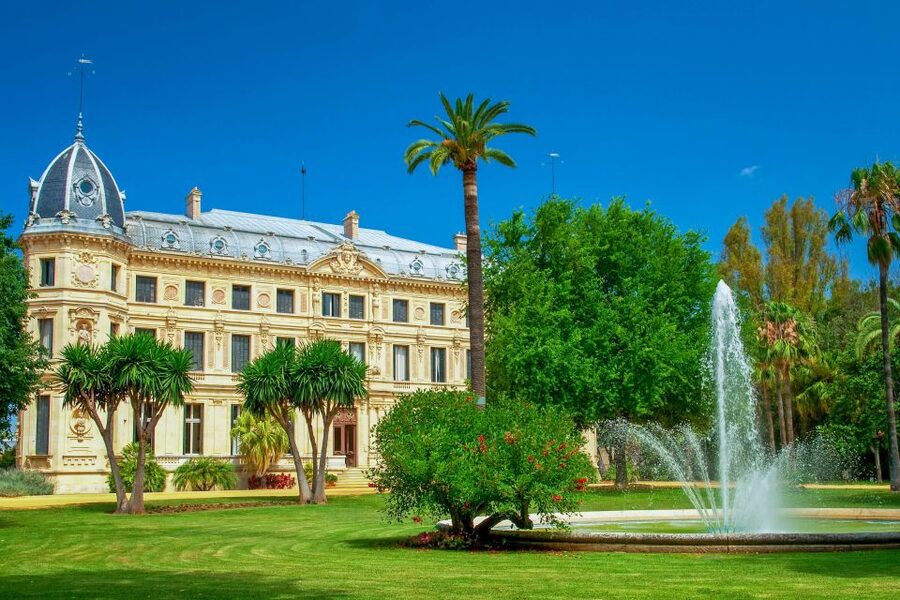
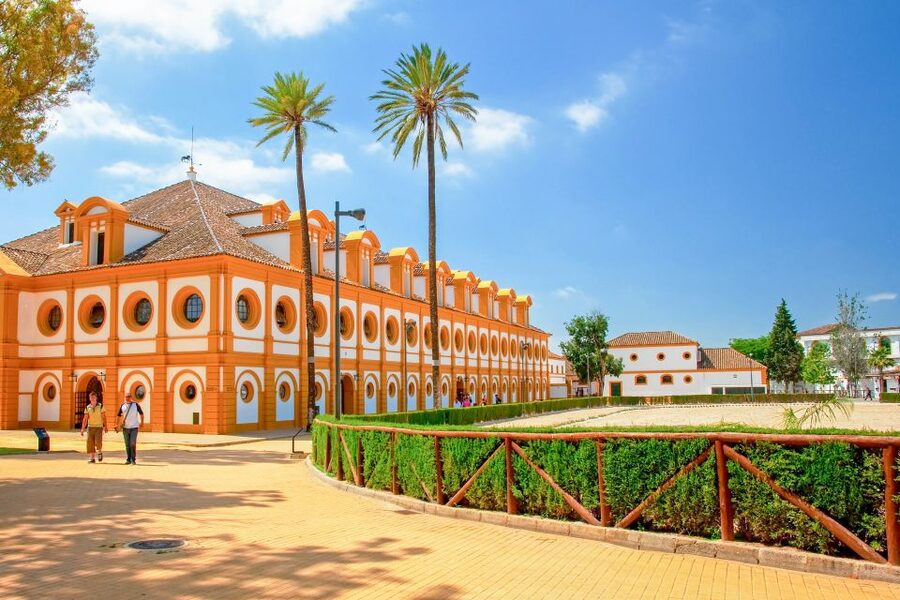
I also like the setting at the Foundation Royal Andalusian School of Equestrian Art, where the atmosphere connects the show to Jerez’s long equestrian culture. The main consideration is that the exact program can change, so you may not see every named number on every performance date. Seating is sold by price category rather than by a chosen row or seat, so the ticket type matters more than selecting a precise place.
In This Review
- Key points to know before booking
- Why this Jerez horse show is worth your time
- Entering the Royal Andalusian School in Jerez
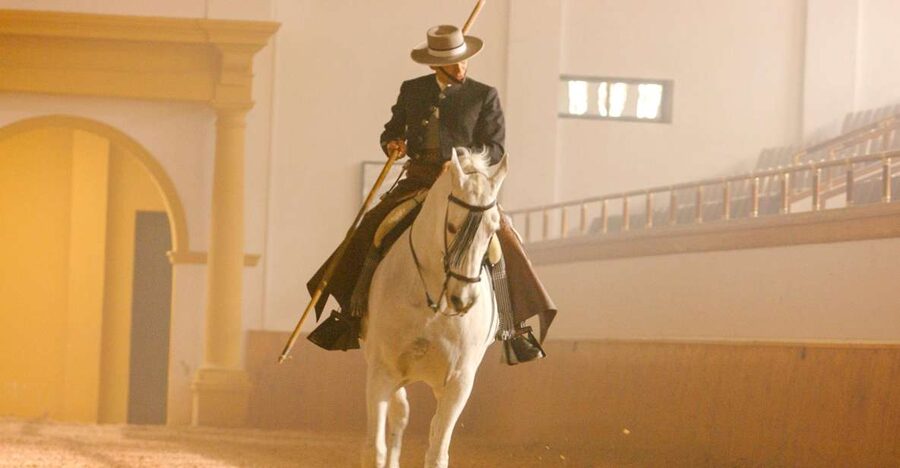
- The opening display: Spanish riding with style
- Doma Vaquera brings the ranch into the arena
- Classical dressage, from piaffe to Pas de Deux
- Carriage driving adds speed and old-fashioned theater
- Work in hand shows control without a saddle
- The carrousel brings the riders together
- The atmosphere, costumes, and audience appeal
- Is $31 a fair price?
- Who should book this performance?
- Should you book How the Andalusian Horses Dance?
- FAQ
- Where does the Andalusian horse show take place?
- How long does the performance last?
- What is included in the ticket?
- Can I choose my exact seat?
- What should I bring?
- Is the venue wheelchair accessible?
- Can I take photographs during the show?
- Can I cancel my booking?
Key points to know before booking
- Six to eight choreographies: Each show draws from a larger program of dressage, Doma Vaquera, carriage driving, work in hand, and the final carrousel.
- Andalusian horses in close formation: Expect precise turns, synchronized movement, Spanish walks, piaffes, and other demanding exercises.
- A real Spanish setting: The performance takes place at Jerez’s Royal Andalusian School of Equestrian Art.
- Music and period costumes: Classical and quintessentially Spanish music accompany riders in traditional 18th-century-style dress.
- Good value for horse lovers: At $31 per person, the ticket gives you a full staged performance rather than a short demonstration.
- Simple planning from Cádiz: The school can be reached by train to Jerez followed by a quick taxi ride, according to the practical experience of one visitor.
Why this Jerez horse show is worth your time
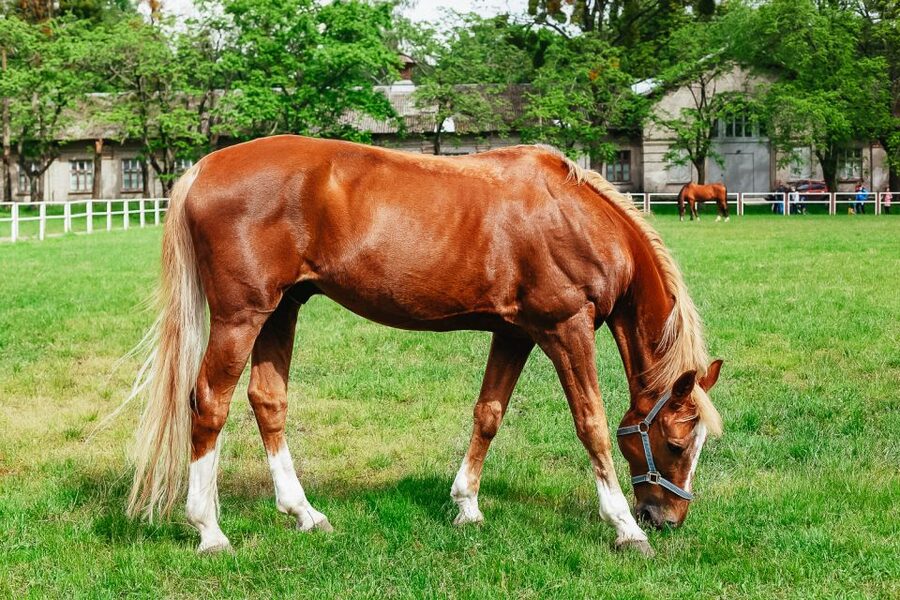
Jerez is closely associated with sherry, flamenco, and horses. This performance brings the horse tradition into a formal arena, where you can watch trained Andalusian horses respond to small signals from their riders. The appeal is not simply that the horses look beautiful. It is the control, timing, and trust required to make difficult movements appear calm.
The show is often praised for its polished presentation. That matters here because the performance is designed as an equestrian ballet, not as an informal stable visit. Music, costumes, choreography, and the architecture of the riding arena all work together to create a theatrical experience.
I would not book this only because you want to see horses standing in a paddock. The real attraction is the performance itself. You are watching advanced riding skills presented in a form that is easy to follow, even if you know little about dressage.
The format also helps families and mixed-interest groups. A serious horse enthusiast can focus on the technique, while someone less familiar with riding can simply enjoy the movement, music, and pageantry. The show has a clear visual rhythm, with individual riders, pairs, carriage teams, and larger groups taking their turns.
A few more Jerez de la Frontera ideas to compare
- Jerez de la Frontera: Andalusian Horse Dance and Museums
★ 4.7 · 1,289 reviews - Jerez: Yeguada de la Cartuja Carthusian Horses Tour
★ 4.8 · 970 reviews - El Salobre: Horse Riding Adventure with Transfer Options
★ 4.5 · 1,609 reviews
Entering the Royal Andalusian School in Jerez
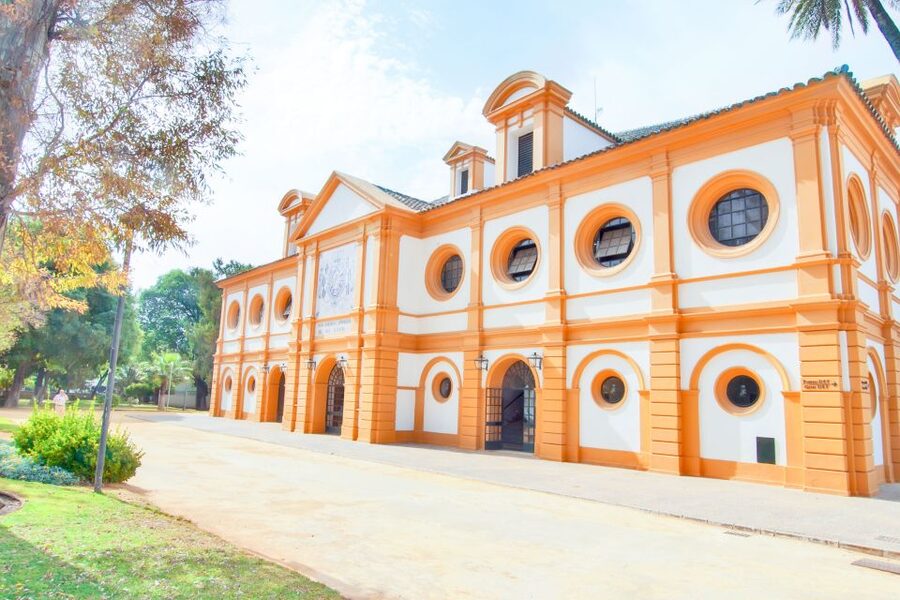
You collect your tickets at the Reservation Box Office at the Royal Andalusian School of Equestrian Art Foundation. Bring your printed voucher, since it is specifically required at the ticket office, along with a passport or identity card.
If you bought a discounted ticket, carry proof that you qualify. Without the proper document, you may need to pay the difference to the full standard price, assuming full-price tickets are still available. This is a small detail, but it can spoil an otherwise easy arrival.
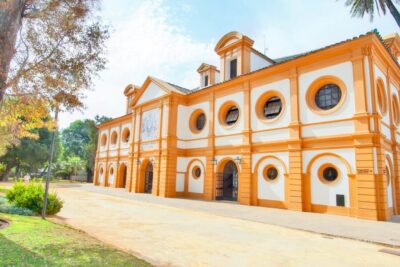
The venue itself adds meaning to the show. You are not watching a touring horse act in a temporary theater. You are entering a foundation devoted to Andalusian equestrian art, so the setting supports the subject.
Seating is assigned according to ticket category and booking order. You cannot choose a specific row or seat number. If having a particular location is important to you, book early and select the best available price category rather than expecting to arrange your seat at the box office.
The show is wheelchair accessible. Restrictions are firm: pets, flash photography, glass objects, audio recording equipment, weapons, and sharp objects are not allowed. Bottles and cans are also prohibited, along with anything the management considers unsuitable.
The opening display: Spanish riding with style
The performance uses traditional 18th-century-style costumes, which give the riders a formal appearance without distracting from the horses. The music is an important part of the effect. Classical selections support the dressage movements, while quintessential Spanish music helps place the show firmly in Andalusia.
The exact order and selection of numbers are set by the school. A performance normally includes six to eight choreographies from the school’s broader repertoire. Think of the evening as a selection of equestrian scenes rather than a fixed story with the same sequence every time.
The opening numbers may introduce the horses and riders through simpler group work before building toward more demanding exercises. This makes the program approachable. You get time to watch how the horses respond before the performance reaches its most technical movements.
The horses are carefully presented, but the show is not just a beauty contest. Their training becomes clearer as the movements become more precise. A horse may change rhythm, turn tightly, hold a collected posture, or respond while the rider uses very little visible effort.
Doma Vaquera brings the ranch into the arena
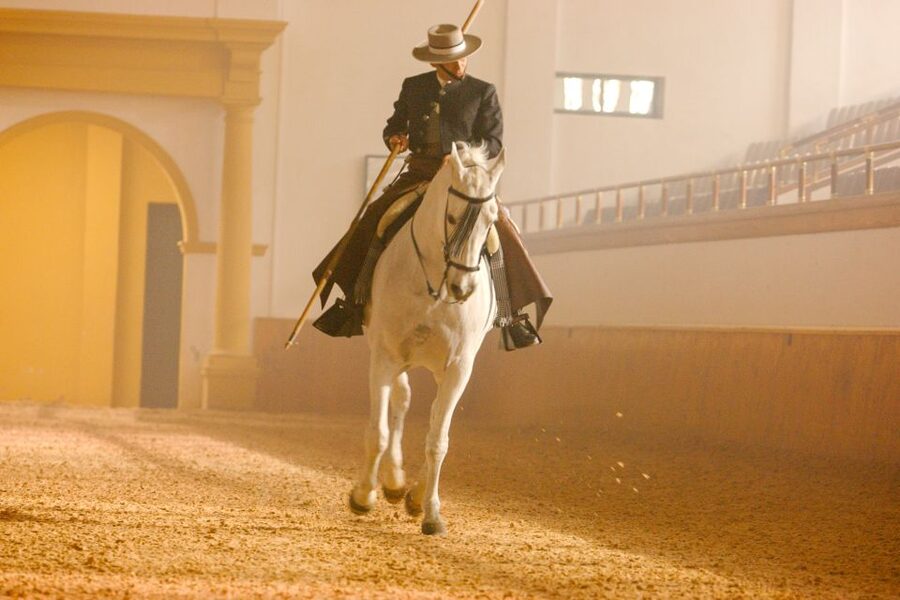
Doma Vaquera comes from the practical riding tradition used in Spanish cattle herding. The rider works with one hand, and the horse changes pace from a trot to a gallop while performing sharp turns and fast changes of rhythm.
Two movements named in this part of the program are pirouettes and arreones. An arreón is a sudden break into a gallop, so the contrast between control and speed becomes part of the show. The horse must respond quickly without losing balance.
This section gives the performance a different character from classical dressage. The movements are not presented as purely decorative. They recall work done by Spanish horsemen in the countryside, where a rider needed a responsive horse and precise control.
I particularly like this contrast because it prevents the program from becoming a long series of similar dressage exercises. Doma Vaquera adds energy and a clear link to everyday equestrian work, even though it is now presented for an audience.
Same base, a different kind of afternoon:
- Jerez: Royal Andalusian School of Equestrian Art Admission
★ 4.6 · 882 reviews - Jerez: Bodegas Fundador Guided Tour with Tasting Session
★ 4.8 · 714 reviews - Jerez: Guided Winery Tour with Wine Tasting
★ 4.4 · 636 reviews - Jerez de la Frontera: Sherry Winery Tour with Tasting
★ 4.6 · 309 reviews
Classical dressage, from piaffe to Pas de Deux
The classical dressage section is the heart of the equestrian ballet. The school’s repertoire includes The Colts, Airs on Horseback, Pas de Deux, Passage and Piaffer, Domino on Horseback, Airs Above the Ground, and Fantasy.
You may not see all of these in one performance. Still, the list shows the range of the school’s work. The horses perform advanced exercises to music, sometimes alone, sometimes in pairs, and sometimes as part of a larger group.
The Pas de Deux is especially appealing because two horse-and-rider teams perform together. The value of this number is in the timing. Each horse must respond to its own rider while matching the pace and position of the other pair.
Passage and piaffer show the horse working in a highly collected manner. Piaffe is a controlled, rhythmic movement performed almost in place. Passage is more forward, with an elevated, suspended quality to each step. From the seats, these movements can look effortless. They are not.
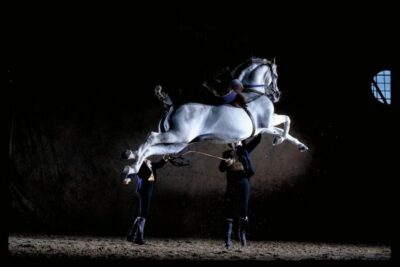
Airs Above the Ground are among the most demanding exercises in classical haute école riding. The named repertoire includes levades, caprioles, and courbettes, all of which require strength, balance, and exact training. The program may include these exercises during the work-in-hand section or other classical numbers.
The important point for a first-time viewer is that you do not need to identify every movement to enjoy the display. Watch the horse’s posture, the rider’s quiet hands, and the timing between music and movement. The less visible the rider’s correction, the more impressive the training often is.
Carriage driving adds speed and old-fashioned theater
Carriage driving changes the scale of the show. Instead of watching one rider guide one horse, you see horses working together to draw carriages while coachmen manage the reins and direction.
These carriages once served as transport and are now used for sport and exhibition. The classical harnesses and formal presentation make this section feel like a return to an earlier age, but the driving remains an active display of skill.
There is also a practical challenge here. A carriage team must move as a unit, maintain a steady pace, and respond to the coachman without the direct contact a mounted rider has with a horse. The result is visually different from dressage and gives the program another useful change of pace.
If you are choosing the show for a group with mixed interests, carriage driving helps keep the performance varied. It also gives you a better sense of how horses served people in more than one setting, from work and transport to formal riding schools.
Work in hand shows control without a saddle
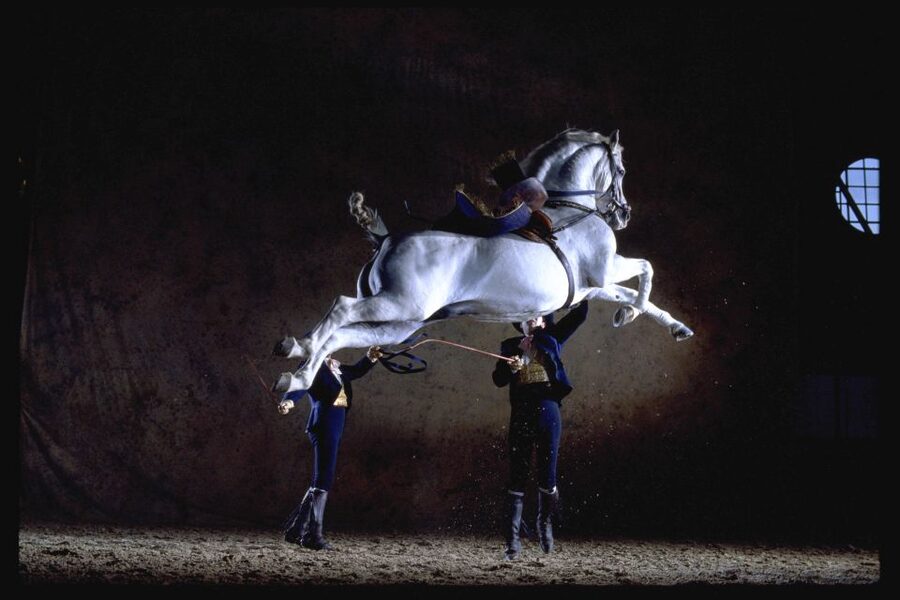
Work in hand is one of the more unusual parts of the program. The horse obeys the rider while the rider is on the ground rather than in the saddle.
The school’s classical repertoire includes the Spanish walk, piaffe between pillars, levades, caprioles, and courbettes. These are not simple tricks. They are formal haute école exercises that demand close communication between horse and handler.
This section can be particularly useful for understanding the relationship between training and performance. Without a rider mounted above it, the horse’s movement is easier to study. You can see how the handler directs the horse and how much discipline is required to maintain the exercise.
The Spanish walk gives the horses a striking, high-stepping appearance. The levade and related movements show collected power, while the capriole requires a more dramatic action. The program may not include every listed exercise, but work in hand is one of the reasons this show offers more than a standard riding exhibition.
The carrousel brings the riders together
The carrousel is the natural closing number. A group of horses and riders performs advanced exercises in unison, creating a larger pattern across the arena.
This is where the individual skill shown earlier becomes group coordination. Each rider has to maintain position, timing, and control while working near other horses. The final image is formal and carefully arranged rather than wild or improvised.
I like the carrousel because it gives the performance a proper finish. The show moves from individual displays and specialized riding styles toward one shared presentation. It also makes clear how much training is needed to coordinate a full group.
The atmosphere, costumes, and audience appeal
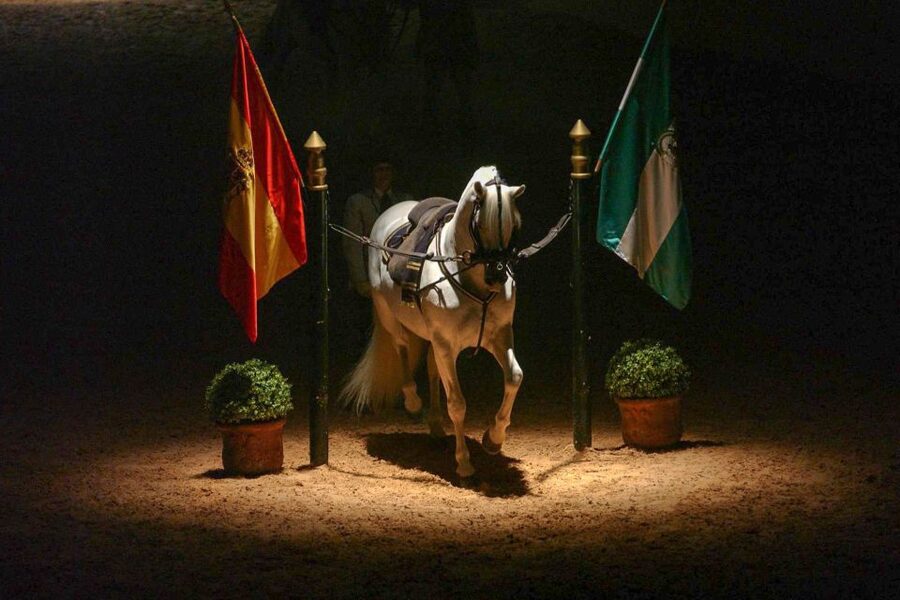
The 18th-century-style costumes are not a minor decoration. They help frame the performance as a living equestrian tradition rather than a modern sporting event. Combined with the music, they give the show an elegant Spanish character.
The venue and performance have received a strong overall rating of 4.6 from more than 6,000 ratings, and the praise centers on professionalism, beautiful horses, strong organization, and the quality of the riding. That matches what you should expect from a formal school performance: polished presentation rather than rough spontaneity.
Some scheduled visits may also allow you to see riders and trainers working before or after the main event. That is not something to treat as guaranteed for every booking, but it can add useful context when available. One practical complaint concerned the gift shop closing too early, so if shopping matters to you, do not leave it until the last minute.
This is also a good choice for people who have always wanted to see Andalusian horses perform. The show delivers the memorable visual moments, but it also rewards attention to the small details: a rider’s posture, a clean transition, or two horses keeping exact rhythm.
Is $31 a fair price?
At $31 per person, the admission is reasonable for a performance lasting 90 minutes to two hours. You are paying for a full staged program with trained horses, riders, music, costumes, an established school, and several forms of equestrian work.
The value is strongest if you already plan to spend time in Jerez or Cádiz. From Cádiz, the train to Jerez and a quick taxi ride to the school can make this a manageable half-day addition to your plans. The experience is more worthwhile than a short photo stop because the performance has enough length and variety to feel like a main activity.
It is less useful if your schedule is extremely tight or if you have little interest in horses, dressage, or formal performances. The choreography is controlled and refined. You should not expect a fast-moving stunt show from beginning to end.
Reserve now and pay later is available, and cancellation is allowed up to 24 hours before the performance for a full refund. Those terms help if your Andalusia schedule is still shifting, but check the available time before making other reservations.
Who should book this performance?
I would recommend it most strongly to horse lovers, people curious about Spanish riding traditions, and anyone spending at least a few days in the Cádiz and Jerez area. It is also a good choice for couples, families, and groups where not everyone has the same level of riding knowledge.
You do not need to understand dressage to enjoy the show. But if you do know the difference between a piaffe, a passage, and a pirouette, you will notice more of the technical work.
This may not suit you if you dislike formal theater, staged presentations, or long periods of controlled movement. The show is graceful and disciplined, not casual. Its strongest moments come from precision, not surprise.
Should you book How the Andalusian Horses Dance?
Yes, if you are in Jerez, Cádiz, or nearby and want an experience tied closely to Andalusian culture. The show combines Spanish riding, classical dressage, carriage work, music, costumes, and group choreography in a way that is both accessible and technically impressive.
Book it with realistic expectations. The program can change, seating is assigned by ticket category, and you should bring your printed voucher and identification to the box office. If those details work for you, $31 buys a polished and memorable evening centered on some of Spain’s finest equestrian traditions.
FAQ
Where does the Andalusian horse show take place?
The performance takes place at the Foundation Royal Andalusian School of Equestrian Art in Jerez de la Frontera, Andalusia, Spain.
How long does the performance last?
The experience lasts between 90 minutes and two hours. Check the available performance time when booking.
What is included in the ticket?
The ticket includes entrance to the How the Andalusian Horses Dance show.
Can I choose my exact seat?
No. Tickets are sold by price category, and the row and seat number are assigned according to the order of purchase or booking.
What should I bring?
Bring your printed voucher and a passport or identity card. If you bought a discounted ticket, also bring proof of eligibility.
Is the venue wheelchair accessible?
Yes, the experience is listed as wheelchair accessible.
Can I take photographs during the show?
Photography with flash is not allowed. Audio recording is also prohibited.
Can I cancel my booking?
Yes. You can cancel up to 24 hours in advance for a full refund. Reserve now and pay later is also available.
Recently listed in Jerez de la Frontera
- Jerez: Traditional Tapas Tour★ 4.6 · 138 reviews
- Jerez: Flamenco Show and Menú at Tablao Puro Arte 2025★ 4.5 · 213 reviews
- Jerez: Guided Winery Tour with Wine Tasting★ 4.4 · 636 reviews
- Jerez: Historic Center Guided Tour★ 4.5 · 272 reviews
- Jerez: Bodegas Álvaro Domecq Guided Tour with Wine Tasting★ 4.6 · 265 reviews
- Jerez de la Frontera: Palacio Domecq Entrance Ticket★ 4.2 · 123 reviews
- Jerez: City Guided Tour and the Alcazar★ 4.6 · 101 reviews
- Jerez: Bodegas Fundador Guided Tour with Tasting Session★ 4.8 · 714 reviews
Jerez de la Frontera Tours, compared.
Jerez de la Frontera: Andalusian Horse Dance and Museums
Read our review →
Royal Andalusian School of Equestrian Art Admission
Read our review →
Bodegas Fundador Guided Tour with Tasting Session
Read our review →
Jerez de la Frontera: Sherry Winery Tour with Tasting
Read our review →
Bodegas Álvaro Domecq Guided Tour with Wine Tasting
Read our review →Browse the lists this tour appears in